
Table of Contents
| Quick Specs — Crimped Hose Assembly | |
|---|---|
| Working Pressure | Up to 6,000 PSI (permanent crimp) |
| Reusable Fitting Limit | Typically under 500 PSI |
| Tolerance | ±0.05 mm crimp diameter |
| Assembly Time (permanent) | 2-4 minutes per end |
| Assembly Time (reusable) | 5-10 minutes per end |
| Standards | SAE J517, ISO 8434, ISO 17165 |
| Die Steel | Cr12MoV, HRC 58-62 |
What Is a Crimped Hose Assembly?
A crimped hose assembly is a hydraulic hose with fittings permanently attached using radial compression. The crimper forces a metal ferrule around the hose and fitting stem, creating a cold-weld bond that holds under pressure.
There are two ways to attach hydraulic fittings: permanent crimping and reusable (field-attachable) threading. The difference matters. A crimped hose assembly with permanent fittings handles 4,000-6,000 PSI working pressure. A reusable fitting assembly typically tops out below 500 PSI. That gap alone explains why most professional shops don’t use reusable fittings for high-pressure lines.
Permanent Crimp vs Reusable Fittings
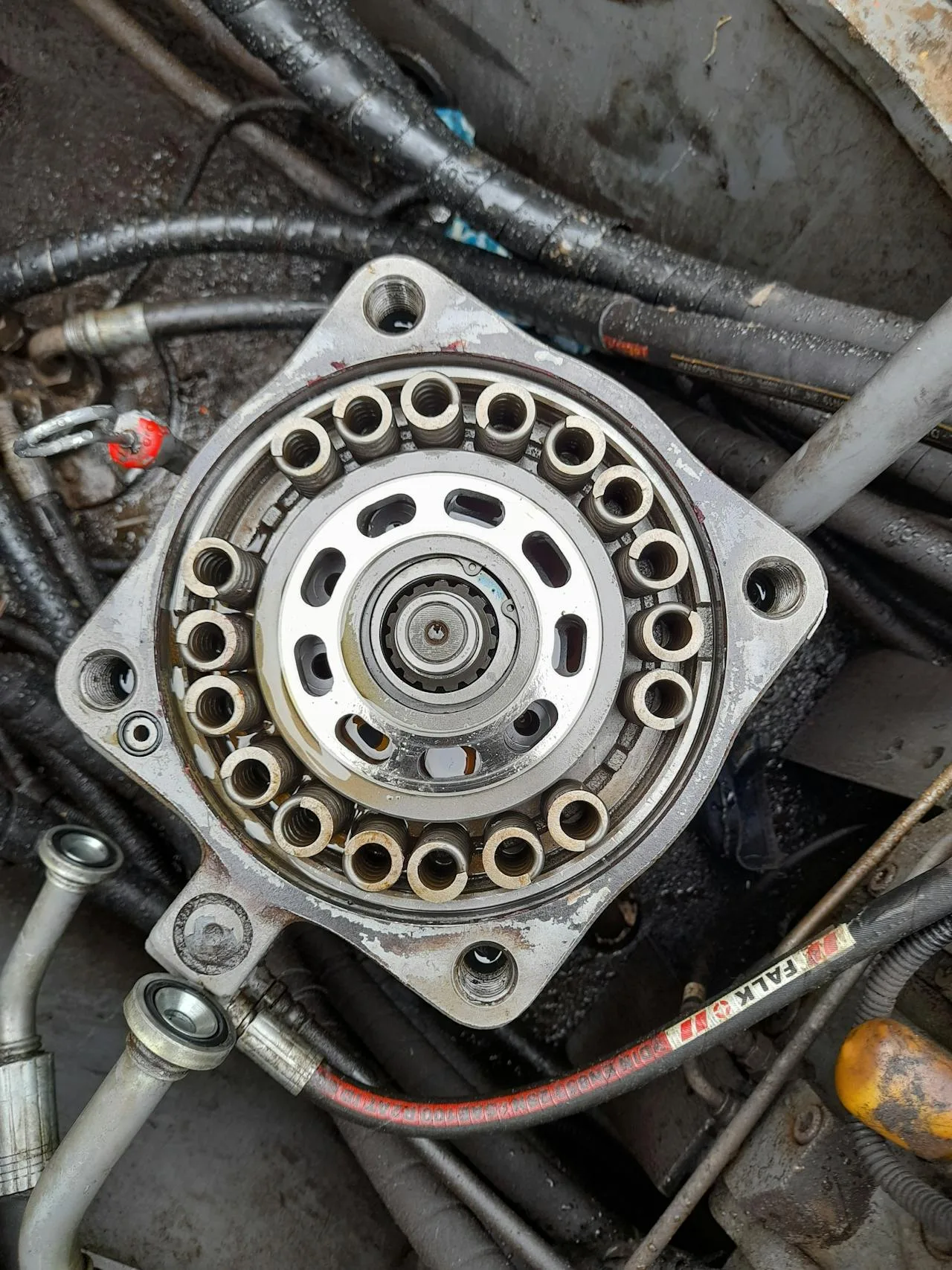
The core difference comes down to how the fitting grips the hose. Permanent crimps use a ferrule — a metal sleeve that gets compressed radially until it deforms into the hose cover and wire reinforcement. Reusable fittings use a threaded stem and socket that screw onto the hose by hand or with a wrench.
| Factor | Permanent Crimp | Reusable Fitting |
|---|---|---|
| Working pressure | Up to 6,000 PSI | Up to ~500 PSI |
| Assembly time per end | 2-4 minutes | 5-10 minutes |
| Fitting cost | $2-5 each | $8-15 each |
| Equipment needed | Hydraulic crimper + dies | Wrenches only |
| Seal reliability | Excellent (cold-weld bond) | Good (threaded seal) |
| Hose size range | 1/4″ to 4″ | Limited to smaller sizes |
| Removable | No | Yes |
| Standards compliance | SAE J517, ISO 8434 | Varies by manufacturer |
One-Piece vs Two-Piece Fittings
Permanent crimp fittings come in two styles. One-piece fittings combine the ferrule and stem into a single unit — simpler, faster to assemble, and common on 1SN/2SN braided hose. Two-piece fittings have a separate ferrule and insert (stem). You slide the ferrule on first, insert the stem into the hose, then crimp. Two-piece is standard for 4SP/4SH spiral hose and larger diameters.
Why 95% of Shops Use Permanent Crimps
Walk into any hydraulic shop doing production work and you’ll see a crimping machine, not a box of reusable fittings. Three reasons drive this:
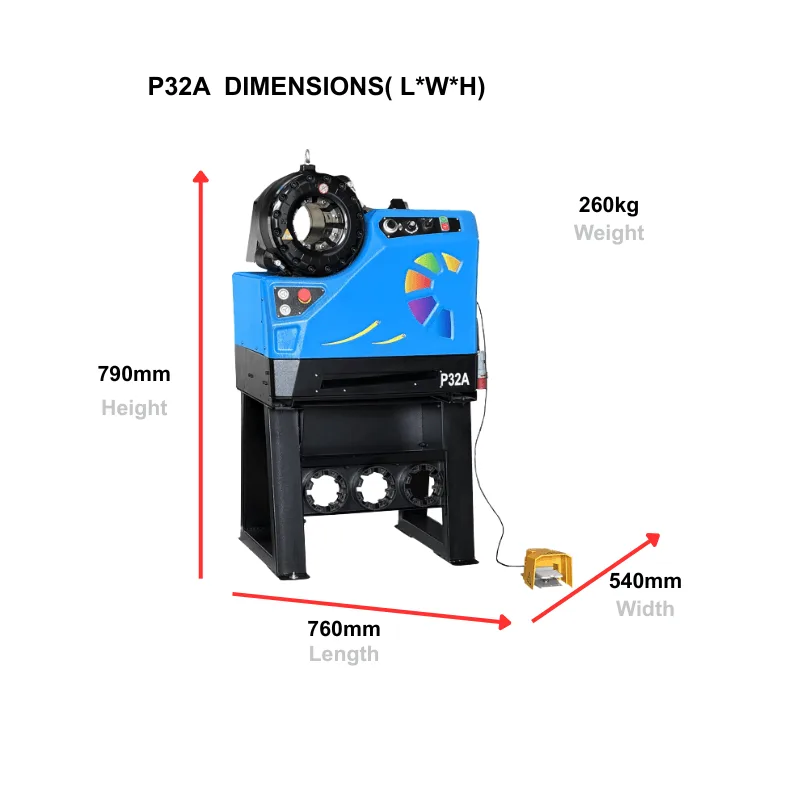
1. Speed. A trained operator on an electric crimper like the P32A finishes a crimp in 5-8 seconds. Threading a reusable fitting takes 5 minutes per end. Over 50 assemblies a day, that’s 4 hours saved.
2. Pressure rating. Most industrial hydraulic systems run at 3,000-5,000 PSI. Reusable fittings can’t handle that safely. A blown hose at 3,000 PSI causes serious injury. Permanent crimped assemblies, when done to spec, hold well beyond burst pressure.
3. Cost per assembly. Reusable fittings cost $8-15 each. Permanent fittings cost $2-5. Even accounting for the crimper investment ($800-3,000), shops doing 10+ assemblies per week save money within months. The SAE J517 standard defines performance requirements that permanent crimped assemblies consistently meet.
5-Step Crimped Hose Assembly Process
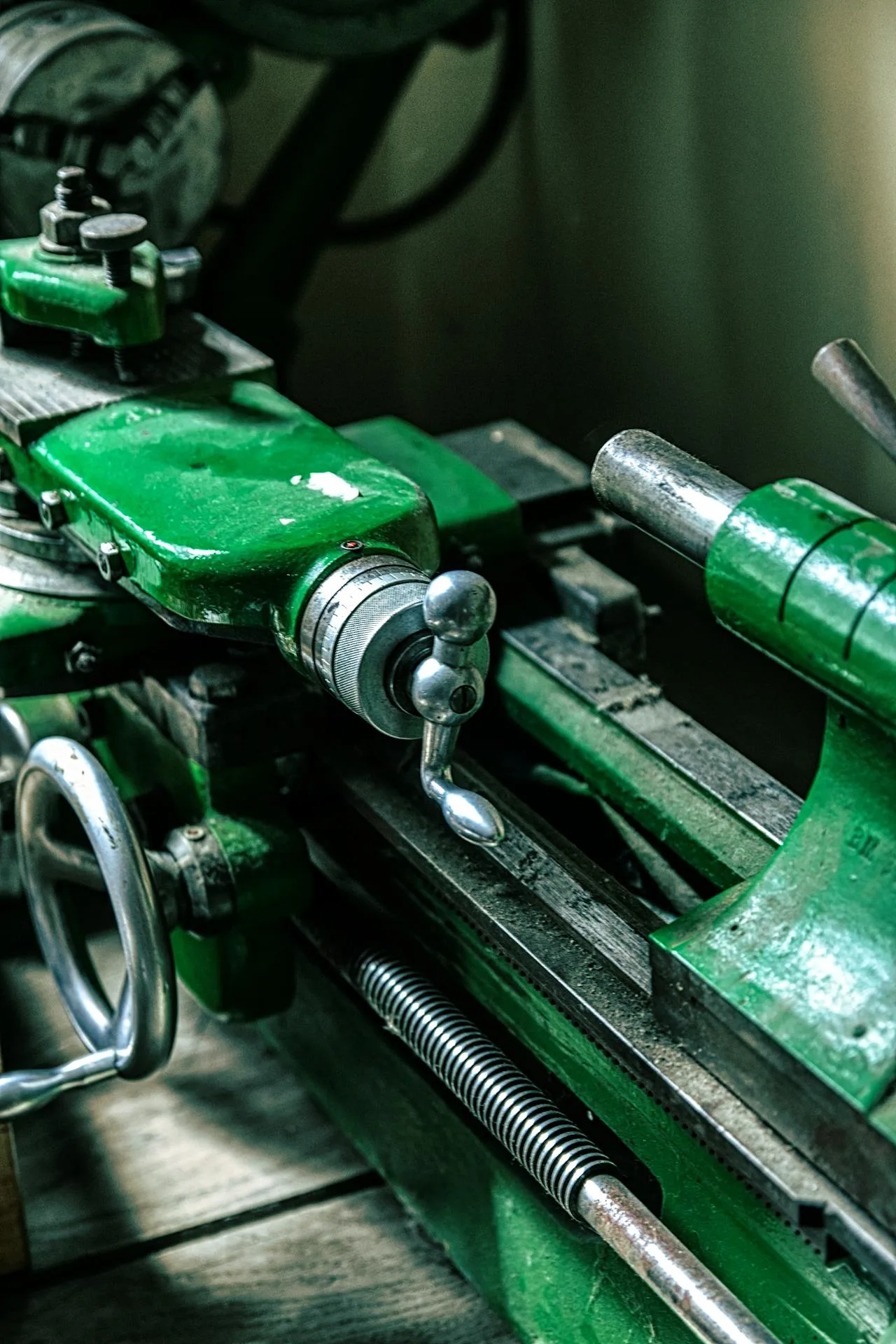
Every crimped hose follows the same five steps, whether you’re using a manual crimper or a CNC electric model:
Step 1: Cut. Use a hydraulic hose cutting machine to make a clean, square cut. A bad cut means the ferrule won’t sit flush, and the crimp will leak. Cut quality standards: square face, flush wire ends, round inner tube, no loose wires.
Step 2: Skive (if required). Spiral hose types like 4SP, 4SH, R12, R13, and R15 require skiving — removing the outer rubber cover so the ferrule contacts the wire layer directly. Braided 2SN hose with one-piece fittings usually skips this step.
Step 3: Insert fitting. Push the fitting stem fully into the hose. The barbs must engage the inner tube. For two-piece fittings, slide the ferrule onto the hose first, then insert the stem.
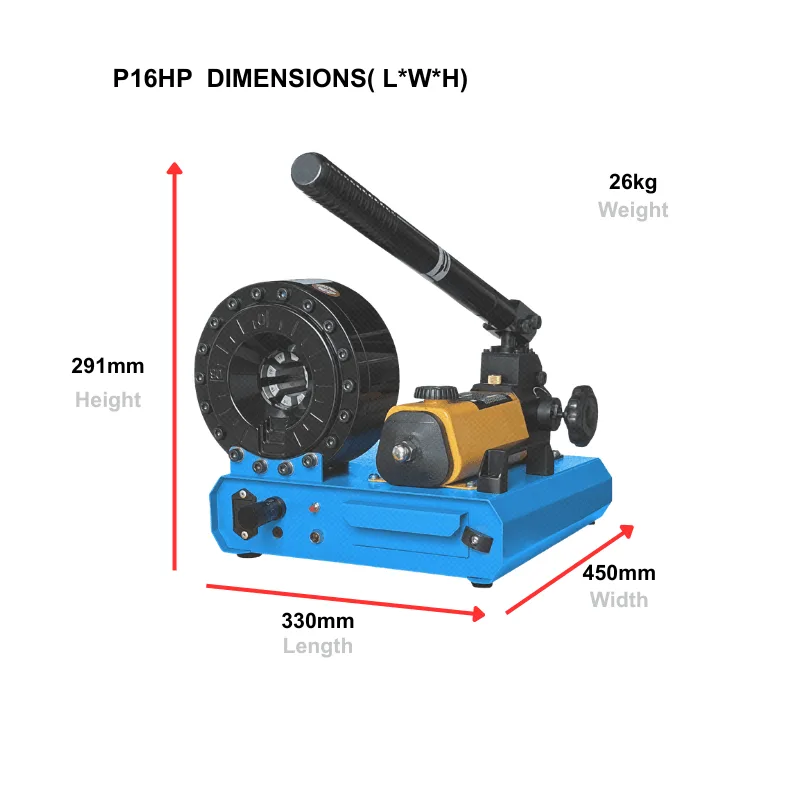
Step 4: Crimp. Place the assembly into the correct die set. The crimper compresses the ferrule radially using hydraulic force — Pascal’s Law in action. A 95-ton machine like the P16HP generates enough force to deform Cr12MoV die steel and the ferrule simultaneously.
Step 5: Measure. Use a vernier caliper to check crimp diameter at the flat surfaces between die marks. Compare against the manufacturer’s specification chart. Tolerance is ±0.05 mm. If it’s out of spec, don’t use it.
Cost Comparison
| Item | Permanent Crimp Setup | Reusable Fitting Setup |
|---|---|---|
| Fitting cost (per end) | $2-5 | $8-15 |
| Crimper investment | $800-3,000 | $0 |
| Break-even point | ~100-300 assemblies | N/A |
| Cost per assembly (50 ends, after break-even) | ~$4 | ~$12 |
| Annual savings (1,000 assemblies) | $8,000+ | — |
The math is simple. If you do more than 50 crimped hose assemblies per year, a dedicated crimper pays for itself. The P10HP handles 1/4″ to 1″ hose for under $1,000. For high-volume shops, the P32A with CNC control costs more upfront but delivers ±0.03 mm repeatability across thousands of crimps.
Crimp Quality Checks
Every crimped hose assembly must pass these checks before going into service:
- Crimp diameter: Measure with a vernier caliper. Must match spec within ±0.05 mm per QC Hydraulics crimp specs.
- Visual inspection: No cracks in the ferrule, no exposed wire beyond the ferrule edge, fitting stem fully inserted.
- Pressure test: 1.5× working pressure hold test for 30 seconds minimum. No leaks, no bulging.
- Die mark check: Even die marks around the full circumference. Uneven marks mean misaligned hose.
For shops doing critical assemblies (mining, marine, aerospace), add an impulse test per ISO 17165. This cycles the assembly at pressure thousands of times to simulate years of service.
Frequently Asked Questions
Can I crimp my own hydraulic hoses?
Yes. You need a hydraulic crimper with the correct die set, a hose cutter, a vernier caliper, and the manufacturer’s crimp specification chart. A manual crimper like the P16HP (95 ton, 34 kg) handles hoses from 1/4″ to 1″ without electricity. Cut, skive if required, insert the fitting, crimp, and measure with a caliper before putting the assembly into service.
What is the difference between crimped and reusable hose fittings?
Crimped fittings are permanently compressed onto the hose with a hydraulic machine, creating a cold-weld bond rated for full system pressure. Reusable fittings screw on by hand and are limited to lower pressures (typically under 500 PSI). Crimped assemblies are faster to produce, cheaper per unit, and far more reliable at high pressure.
What pressure can a crimped hose assembly hold?
A properly crimped assembly with the correct die and ferrule holds the full rated working pressure of the hose — up to 6,000 PSI for 4SH spiral hose. The burst pressure is typically 4× working pressure. Reusable fittings cannot match these ratings.
Do I need to skive the hose before crimping?
It depends on the hose type. 4SP, 4SH, R12, R13, and R15 spiral hose always require skiving. 1SN and 2SN braided hose with one-piece fittings usually do not. Check the fitting manufacturer’s instructions — skiving when not required weakens the assembly, and skipping it when required causes leaks.
How tight should a hydraulic hose crimp be?
Measure crimp diameter with a vernier caliper at the flat surfaces between die marks. Compare to the manufacturer’s published spec. Standard tolerance is ±0.05 mm (0.002 inches). Too loose means the fitting can blow off under pressure. Too tight means you’ve crushed the inner tube and restricted flow.
How long does it take to make a crimped hose assembly?
With a powered crimper and pre-cut hose, about 2-4 minutes per end. A manual crimper takes longer per crimp (15-30 seconds per cycle) but the total assembly time is similar. Reusable fittings take 5-10 minutes per end because of the threading process.
Can I reuse a crimped hose fitting?
No. The ferrule deforms permanently during crimping. Once compressed, it cannot be removed and reused. If you need removable connections, use reusable fittings — but accept the lower pressure rating and higher cost.
What happens if a crimped hose assembly fails?
Failure modes include fitting blow-off (under-crimped), inner tube collapse (over-crimped), and leaks at the ferrule edge (misaligned crimp). Always pressure test at 1.5× working pressure before putting a new assembly into service. Document crimp measurements for traceability.
Need a Crimper for Your Shop?
TRC offers manual, electric, and CNC hydraulic hose crimpers for every budget and production volume.