Hydraulic hose crimper dies are the single most important factor in whether your crimp holds or fails. The machine provides the force — but the die shapes that force into a precise, consistent crimp. Pick the wrong die, and you get a loose fitting that blows off under pressure. Pick the right one, and the assembly lasts for years.
TRC manufactures nine die series with 150+ individual sizes. Here’s how to navigate them.
What Dies Actually Do
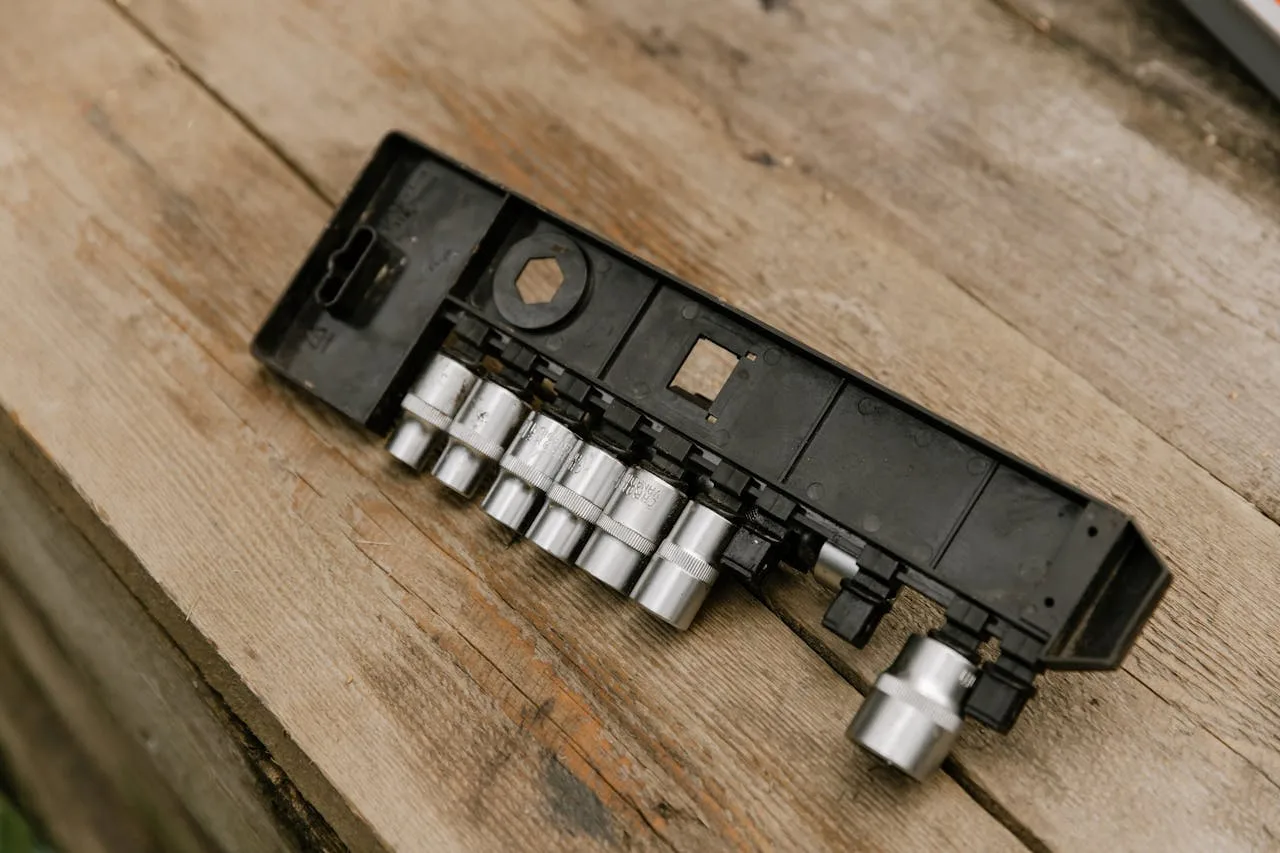
A die set (also called a crimp die or jaw set) is the segmented ring that compresses the fitting around the hose. When the crimp machine applies force, the die segments close inward, squeezing the fitting uniformly.
The die’s inner diameter, number of segments, and profile shape determine:
- Final crimp diameter — must match the hose-fitting specification exactly
- Compression uniformity — all segments must close evenly
- Surface finish — rough dies mark the fitting; precision-ground dies leave a clean finish
There’s no “universal” die. Every hose type, size, and fitting brand has a specific die requirement. This is why TRC offers nine series.
9 Die Series Overview
| Series | Segment Count | Diameter Range | Compatible Crimper | Hose Types |
|---|---|---|---|---|
| TRC-D1 | 4 | 6–18 mm | P16HP, P18CS, P20CS | Small braided (1SC, 1SN, 2SC, 2SN) |
| TRC-D2 | 6 | 10–36 mm | P20CS, P20CSZ, P20LHP | Medium braided |
| TRC-D3 | 8 | 16–54 mm | P32CS, P120, P120C | Large braided, small spiral |
| TRC-D4 | 8 | 25–87 mm | P32CS, TRC-120L | Spiral (4SP, 4SH) |
| TRC-D5 | 10 | 38–118 mm | TRC-120L, P140 | Large spiral, industrial |
| TRC-D6 | 12 | 50–140 mm | P140, P165 | Extra large spiral |
| TRC-D7 | 14 | 80–202 mm | P165 | 6″ spiral, mining/marine |
| TRC-D8 | 16 | 120–300 mm | P175 | Custom, extra-large industrial |
| TRC-D9 | 18 | 200–600 mm | P175 | Flagship, largest custom assemblies |
How to Select the Right Die
Step 1: Identify Your Hose
Check the hose printing or spec sheet. You need three pieces of information:
- Hose type: 1SN, 2SN, 1SC, 2SC, 4SP, 4SH, 6SP, R12, R13, etc.
- Hose size: dash size (e.g., -08, -12, -16) or nominal bore in mm
- Fitting brand/model: TRC, Parker, Gates, Brennan, etc.
Why does the fitting brand matter? Different manufacturers use slightly different fitting outer diameters. A -12 fitting from Parker and a -12 fitting from TRC may need different die sizes even on the same hose.
Step 2: Check the Die Chart
Every crimper ships with a die selection chart — a table that cross-references hose type, hose size, and fitting model to the correct die. This chart is your bible.
Don’t guess. Don’t eyeball it. Don’t use a die that “looks about right.” A 0.5 mm error in crimp diameter can reduce the assembly’s pressure rating by 30%.
Step 3: Verify with a Test Crimp
Before running production, always make a test crimp. Measure the finished diameter with calipers and compare to the spec. If it’s off, adjust the die position or check for worn segments.
Common Die Materials and Their Tradeoffs
| Material | Hardness | Life Expectancy | Cost | Best For |
|---|---|---|---|---|
| Standard steel | HRC 45–50 | 10,000–20,000 crimps | Low | Low-volume, budget operations |
| Hardened tool steel | HRC 55–60 | 30,000–50,000 crimps | Medium | General production |
| Carbide-faced | HRC 65–70 | 80,000+ crimps | High | High-volume production, consistent use |
TRC dies are hardened tool steel as standard. Carbide-faced options are available for D3 through D7 series on request.
Die Wear — When to Replace
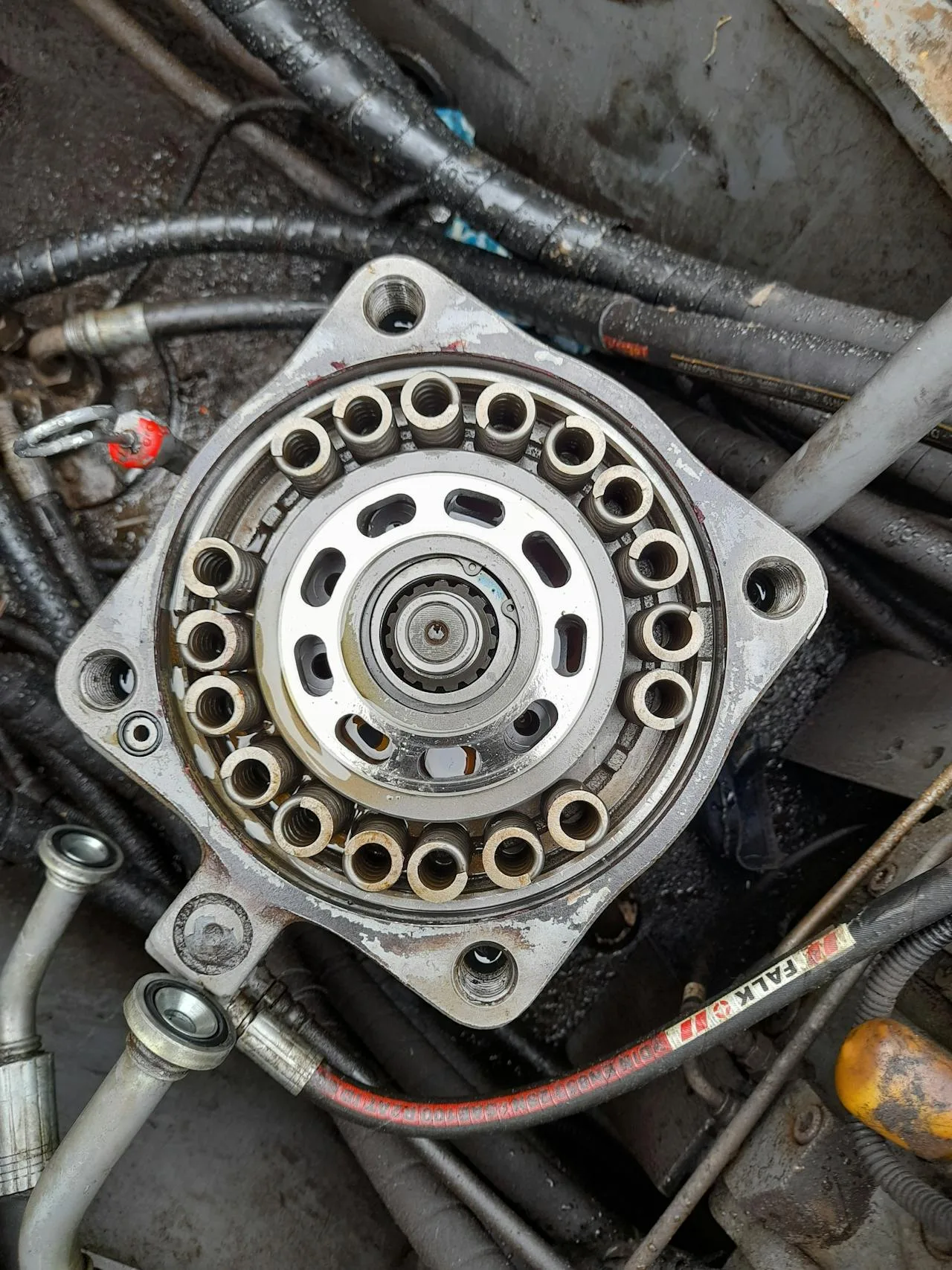
Dies don’t last forever. Here are the signs that hydraulic hose crimper dies need replacement:
- Visible scoring or pitting on the crimp surface — this transfers marks to every fitting
- Inconsistent crimp diameters — three crimps on the same hose-fitting combo give three different readings
- Loose segment fit — segments wobble in the die holder
- Rounded edges — the sharp inner profile has worn flat
Most shops replace die sets after 30,000–50,000 crimps. If you’re running a high-volume production line doing 200 crimps a day, that’s about 150–250 working days — roughly one replacement per year.
Rotate your dies. If you have multiple die sets in the same size, alternate them. This extends overall life by 20–30%.
Die Compatibility Across Crimper Models
A common question: can I use dies from one crimper model on another?
The answer depends on the die holder design. Within TRC’s product line:
- P18CS, P20CS, P20CSZ — share the same die holder; dies are interchangeable
- P32CS — uses a larger die holder; not compatible with the 18/20 series
- P120, P120C, TRC-120L — each has a unique die holder; not interchangeable
- P140, P165, P175 — unique die holders; not interchangeable
Check the dies and accessories page for the full compatibility matrix before ordering.
Die Storage and Care
A die set costs $200–$600. Proper storage protects that investment:
- Keep dies in their case when not in use — don’t leave them loose on the workbench
- Wipe clean after each use — rubber residue causes corrosion
- Apply light oil to the outer surfaces before storing
- Store flat — stacking dies on their edges can chip the crimp surfaces
- Label clearly — nothing wastes time like guessing which die is which
A well-maintained die set lasts years. A neglected one might give you 5,000 crimps before it’s junk.
Custom and Non-Standard Dies
Sometimes standard dies don’t cover your needs. This happens with:
- Non-standard fitting brands
- Custom hose assemblies (e.g., PTFE-lined, thermoplastic)
- Oversized or undersized fittings
TRC offers custom die manufacturing. You provide the fitting sample and hose specification; they produce a matched die set within 10–15 working days.
Bottom Line
Hydraulic hose crimper dies are not the place to cut costs. A $50 saving on a die set can cause thousands in warranty claims and downtime if the crimp fails. Match the die to your exact hose-fitting combination, verify with a test crimp, and replace worn dies promptly.
If you’re unsure which series fits your operation, check the full selection on the crimper product page or reach out with your hose and fitting specs.


The breakdown of die series and compatible hose types really clarifies how precise crimping needs to be. Even small differences in die size or segment count can affect crimp uniformity and fitting longevity. It’s a good reminder that selecting the right die is just as important as the crimping machine itself.
The distinction between machine force and die precision is spot on; I’ve seen too many leaks caused by mismatched segment counts rather than a lack of pressure. It is especially important to remember that every hose type and fitting brand demands a specific profile, making those nine distinct series essential for avoiding costly assembly failures.