Manual Hydraulic Hose Crimper
No electricity. No compressor. Just hand-pump hydraulic force from 95 to 137 ton — for field repair, emergency service, and off-grid hose assembly.
What Is a Manual Hydraulic Hose Crimper?
A manual hydraulic hose crimper is a hand-pump or air-pump operated device that uses Pascal’s Law to generate crimping force without electricity. The operator pumps a lever to build hydraulic pressure, which drives a die set to compress the ferrule onto the hose fitting — creating a permanent, leak-free connection.
Before hydraulic crimpers, shops used hose clamps or vise-based methods — unreliable, low pressure, and prone to leaks. The first manual hydraulic crimpers appeared in the 1970s for field service, bringing workshop-quality crimps to job sites. Today’s models reach 137 tons from a 34 kg unit.
How the Physics Works
- Pascal’s Law: Pressure applied to a confined fluid transmits equally in all directions. A 5 cm² pump piston at 100 bar = 500 N input → 100 cm² crimping piston = 10,000 N output. That’s 20× force multiplication. Wikipedia: Hydraulic Machinery →
- Cold welding: The crimp deforms the metal ferrule past its yield point, creating a gas-tight connection that resists vibration and corrosion.
- Double hydraulic circuit: Piston advance and die open/close are both driven by hydraulic pressure — no spring return, consistent force every cycle.
How a Manual Hydraulic Hose Crimper Works
Operating a manual hydraulic hose crimper takes 10–15 seconds per crimp. Here’s the process:
Select the die matching your hose size and slide it into the die holder.
Place the hose, fitting, and ferrule into the die opening, aligned with the die segments.
Work the hand lever. Hydraulic pressure advances the piston, closing die segments radially around the ferrule.
Maintain pressure until the ferrule compresses to the target diameter. Stop when the die segments are fully closed.
Open the release valve. Hydraulic pressure reverses, dies retract, and you remove the finished assembly.
Measure the crimped diameter with calipers against the manufacturer’s spec chart. ±0.1 mm tolerance for standard crimpers.
Key Parameters by Model
Hand-Pump vs Split-Body vs Pneumatic
Manual hydraulic hose crimpers come in three configurations. Each suits different working conditions.
Hand-Pump One-Piece (HP)
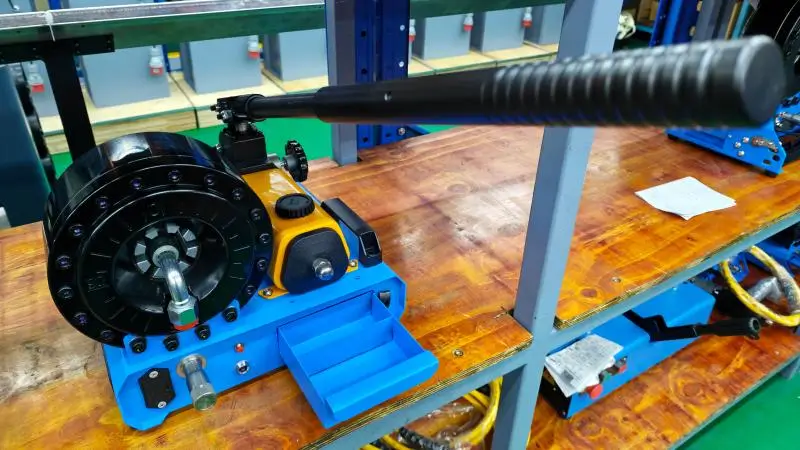
Self-contained unit — pump and crimping head integrated. Carry anywhere, no air or electric needed.
Best for: Field service, emergency repair, off-grid sites

Split-Body (HPZ)
Pump separates from crimping head via hydraulic hose. Head rotates freely — ideal for tight spaces and 90° elbows.
Best for: Tight spaces, overhead work, 90° fittings
Pneumatic (AP)
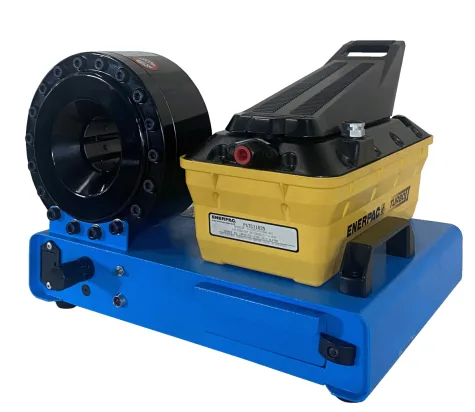
Shop air drives the pump — faster cycle, less operator fatigue. Same crimping force as hand-pump models.
Best for: Workshops with air supply, higher volume
Common Problems & Solutions
Real issues from the field — answered with data from r/Hydraulics and industry sources.
“Is a manual crimper good enough for daily use?”
For fewer than 50 crimps per week, a manual hydraulic hose crimper is fine. Over that, consider electric. The P20HP at 137 ton handles up to 1½” 4SP — that covers 80% of field service calls.
Source: Reddit r/Hydraulics
“Chinese crimping machines — are they any good?”
Quality varies widely. Check three things: (1) die seat hardness HRC 60+, die hardness HRC 50+; (2) no vibration during empty cycle; (3) crimp cone error under 0.1 mm. Always request a test crimp with caliper measurement before buying.
Source: Reddit r/Hydraulics, 20 comments
Ferrule slipping off after crimping
Under-crimping means the ferrule doesn’t compress enough to grip the hose. Check: correct die size, proper positioning, full cycle completion. Always test the first crimp with a pull test.
Source: Industry data (under-crimping failure mode)
Inner rubber cracking after crimping
Over-crimping compresses too far, cracking the inner rubber layer. This lets hydraulic oil seep into the wire braid, causing bulging and failure. Use the manufacturer’s crimp diameter chart — measure with calipers (±0.1 mm for standard, ±0.05 mm for CNC).
Source: Baidu Baike — crimping machine operation
Can’t crimp 90° elbow fittings
One-piece crimpers have limited clearance around the die opening. Split-body (HPZ) models separate the pump from the head, allowing the crimping head to rotate freely around 90° fittings. See P20HPZ →
Common field complaint — solved by split-body design
Manual vs Electric Hydraulic Crimper
Not sure which type suits your work? Here’s a side-by-side comparison.
| Factor | Manual Crimper | Electric Crimper |
|---|---|---|
| Power needed | None (hand pump / air) | 110–380 V outlet |
| Crimp speed | 10–12 sec/crimp | 8–10 sec/crimp |
| Max force | 137 ton | 200+ ton |
| Portability | Carry anywhere (34–55 kg) | Workshop only (80–500 kg) |
| Consistency | Operator-dependent | CNC: ±0.02 mm |
| Price range | $500 – $2,000 | $2,000 – $15,000 |
| Best for | Field repair, low volume | Workshop, high volume, 2″+ hose |
| Learn more | — | Electric Series → |
Rule of thumb: If you crimp fewer than 50 hoses per week and need portability, go manual. For production volume or hose sizes above 1½”, choose electric.
Where Manual Hydraulic Hose Crimpers Get Used
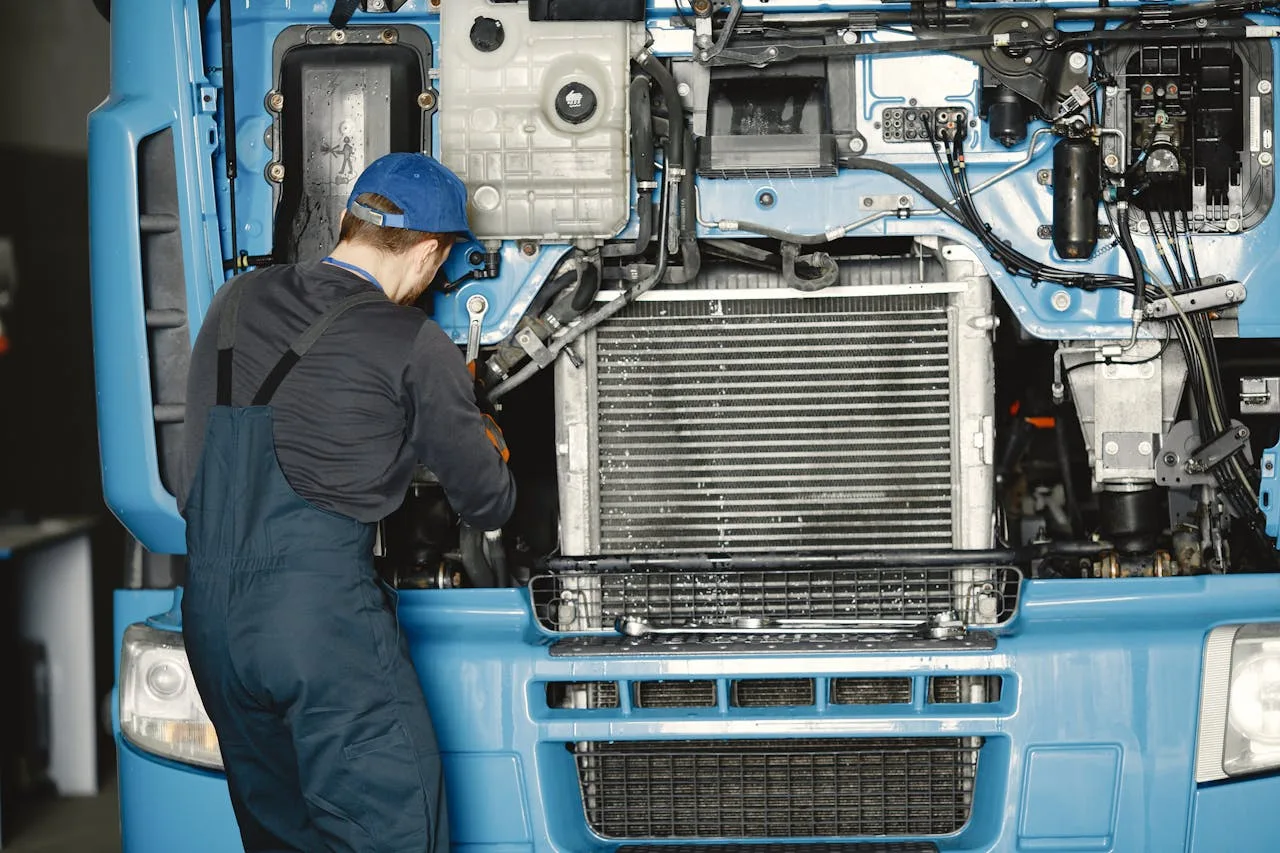
When a hose bursts on a remote job site, you can’t wait for a workshop. A manual hydraulic hose crimper in the service truck means 15-minute turnaround — not hours of downtime.
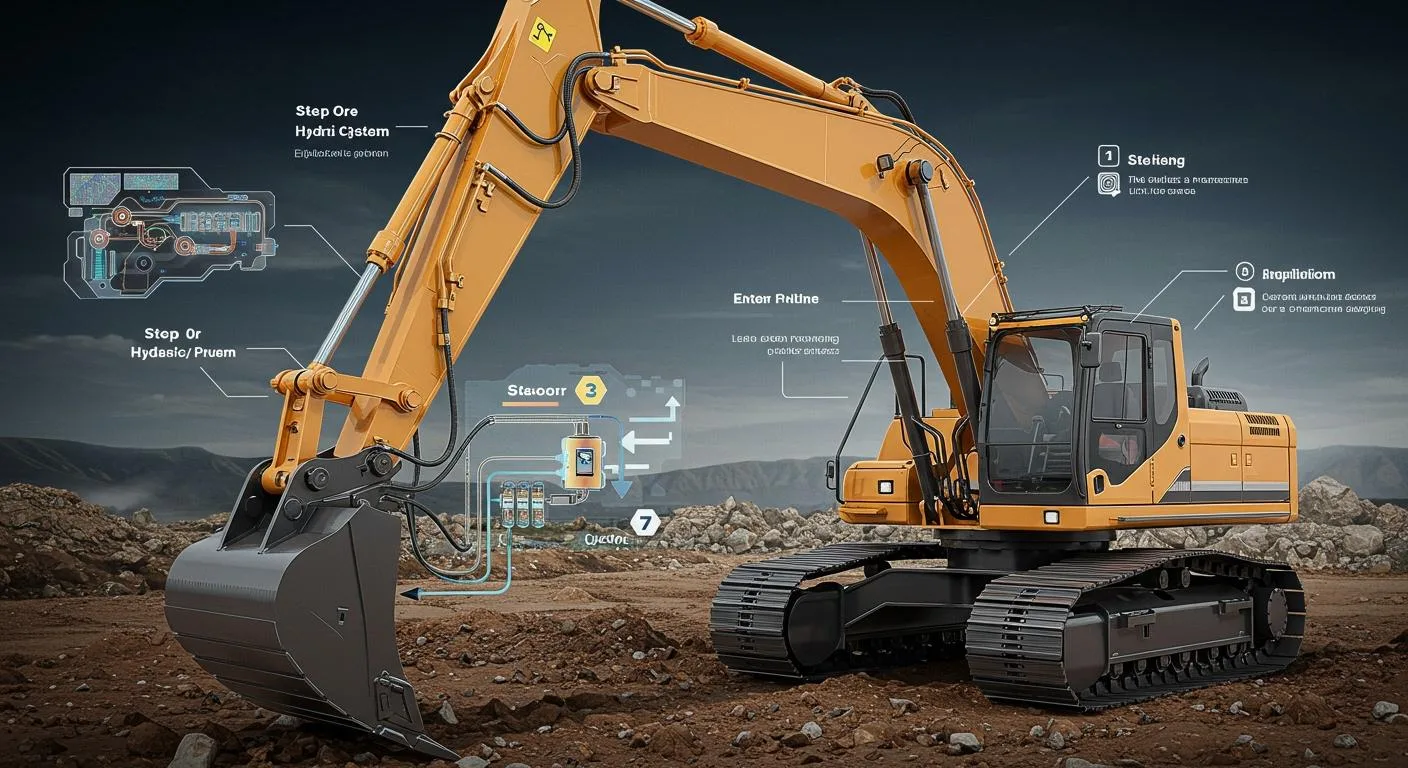
🏗️ Construction
Excavator hose burst on-site. Manual crimper in the service truck gets machines back to work fast.
Downtime cost: $200–1,000/hr
🚜 Agriculture
Harvest season breakdown — every hour idle costs money. Field repair with no electricity required.
Downtime cost: $500–2,000/hr
⛏️ Mining
Quick fix until the heavy-duty electric unit is available. Hand-pump works where no power exists.
Preliminary fix → full repair later
🚢 Marine
Port-side emergency repair. Avoid costly dock fees and get the vessel back in service.
Dock fee: $5,000–50,000/day
🔧 Mobile Service
24/7 on-call hose repair business. One machine in the truck covers most service calls.
Revenue: $150–300 per service call

🌲 Forestry
Remote logging sites — no power, no roads. Hand-pump is the only option.
Zero infrastructure needed
How to Choose Your Manual Hydraulic Hose Crimper
Five questions to find the right model:
What’s your max hose size?
≤ 1″ (2SP) → P16HP (95 ton)
≤ 1″ (4SP) → P18HP (110 ton)
≤ 1½” (4SP) → P20HP (137 ton)
Do you work in tight spaces or with 90° elbows?
Yes → Split-body (HPZ) model. The pump separates from the head, letting you rotate freely around obstructions. See P20HPZ →
Do you have shop air (6–8 bar)?
Yes → Pneumatic (AP) model saves operator fatigue and speeds up cycles. See P18AP →
Weight matters?
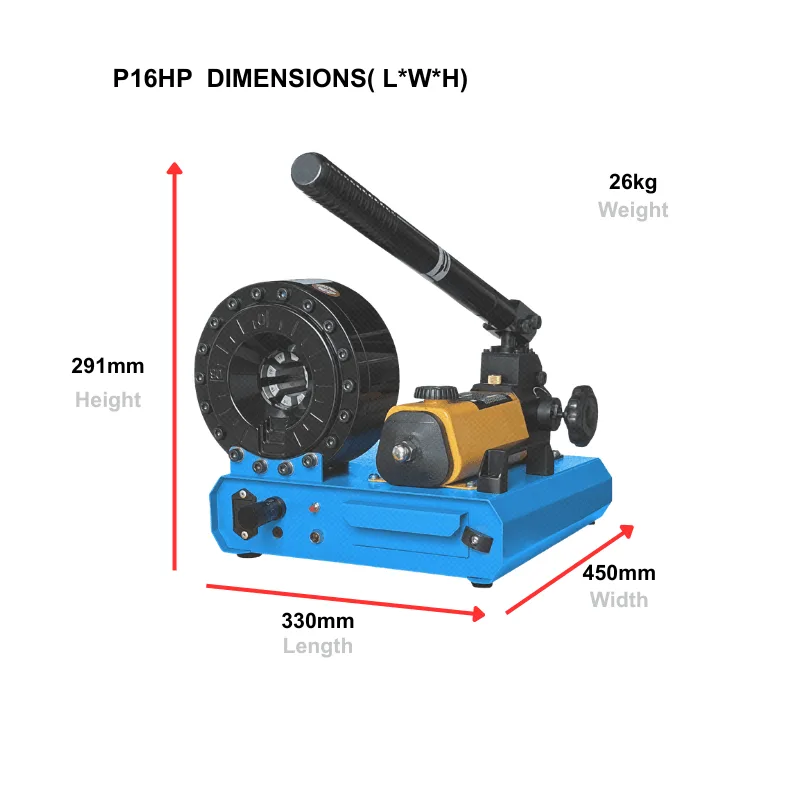
The P16HP at 34 kg is the lightest full-capability unit. For light duty only, the P10HP at ~15 kg handles air conditioning and small hoses.
Budget?
P10HP (~$300) for light duty → P16HP (~$500–800) for professional field repair → P20HP (~$2,000) for the full 1½” range.
Related Buying Guides
Hydraulic Hose Crimper: Complete Buying Guide for 2026
Full comparison of all crimper types — manual, electric, battery — with pricing and recommendations.
Read guide Deep DiveManual Hydraulic Hose Crimper Buying Guide
Everything you need to know before buying a manual crimper — die compatibility, force requirements, and cost analysis.
Read guide ComparisonManual vs Electric Hydraulic Crimper: Which Saves More Time?
Side-by-side time and cost analysis for field vs workshop crimping operations.
Read guideFrequently Asked Questions
What size hydraulic hose can a manual crimper handle?
Most manual hydraulic hose crimpers handle up to 1½” (4SP). The P20HP and P20HPZ deliver 137 tons of force for this range. For 2″+ hose, you need an electric model with 200+ ton force. See electric series →
How long does it take to crimp a hose manually?
About 10–15 seconds per crimp once the die is set up. Changing dies takes 30–60 seconds. With practice, a technician can complete a full hose assembly (cut, fit, crimp, test) in under 5 minutes.
Do I need electricity to use a manual crimper?
No. Hand-pump models (HP) need zero power — just hydraulic oil and muscle. Pneumatic models (AP) need compressed air (6–8 bar) but still no electricity.
Are manual crimpers accurate enough?
Yes, for standard applications. Quality manual crimpers achieve cone error under 0.1 mm. For ±0.02 mm precision (required by some SAE/DIN specs), use a CNC electric model.
What’s the difference between HP and HPZ?
HP is one-piece — pump and head integrated. HPZ is split-body — the pump connects to the head via a hydraulic hose, allowing you to rotate the head around 90° fittings and work in tight spaces.
How often should I lubricate my manual crimper?
Before each use, apply hydraulic oil to the front cone surface. Change the hydraulic oil every 12 months or when it turns dark. Use ISO 68 hydraulic oil for optimal performance.
Can I use different brand dies?
Dies are series-specific: P16 dies fit P16HP/P16HPZ/P16AP. Cross-brand compatibility is rare — always check die seat diameter and taper angle. Mixing incompatible dies risks cone error and uneven crimps.
What’s included when I buy a manual hydraulic hose crimper?
Machine + die set (8–14 sizes depending on model) + hydraulic oil. Some dies marked with * are separate purchase. All models include a dust cover and instruction manual.
How much does a manual hydraulic hose crimper weigh?
From 15 kg (P10HP) to 55 kg (P20HP). Split-body models are lighter to handle — the head weighs 8–15 kg separately, while the pump unit stays on the ground.
What maintenance does a manual crimper need?
Three steps: (1) Lubricate the cone before each use, (2) change hydraulic oil yearly, (3) keep the dust cover on when not in use. No other routine maintenance required.
Ready to Choose Your Manual Crimper?
TRC manufactures 12 manual hydraulic hose crimper models. Tell us your hose size and working conditions — we’ll recommend the right unit.
Get a Quote →