Hydraulic Hose Crimper for Construction Equipment
Burst hose on an excavator shuts down the entire site. A portable hydraulic hose crimper gets your crew back to work in under 30 minutes — no workshop, no waiting.
Why Construction Crews Need a Hydraulic Hose Crimper
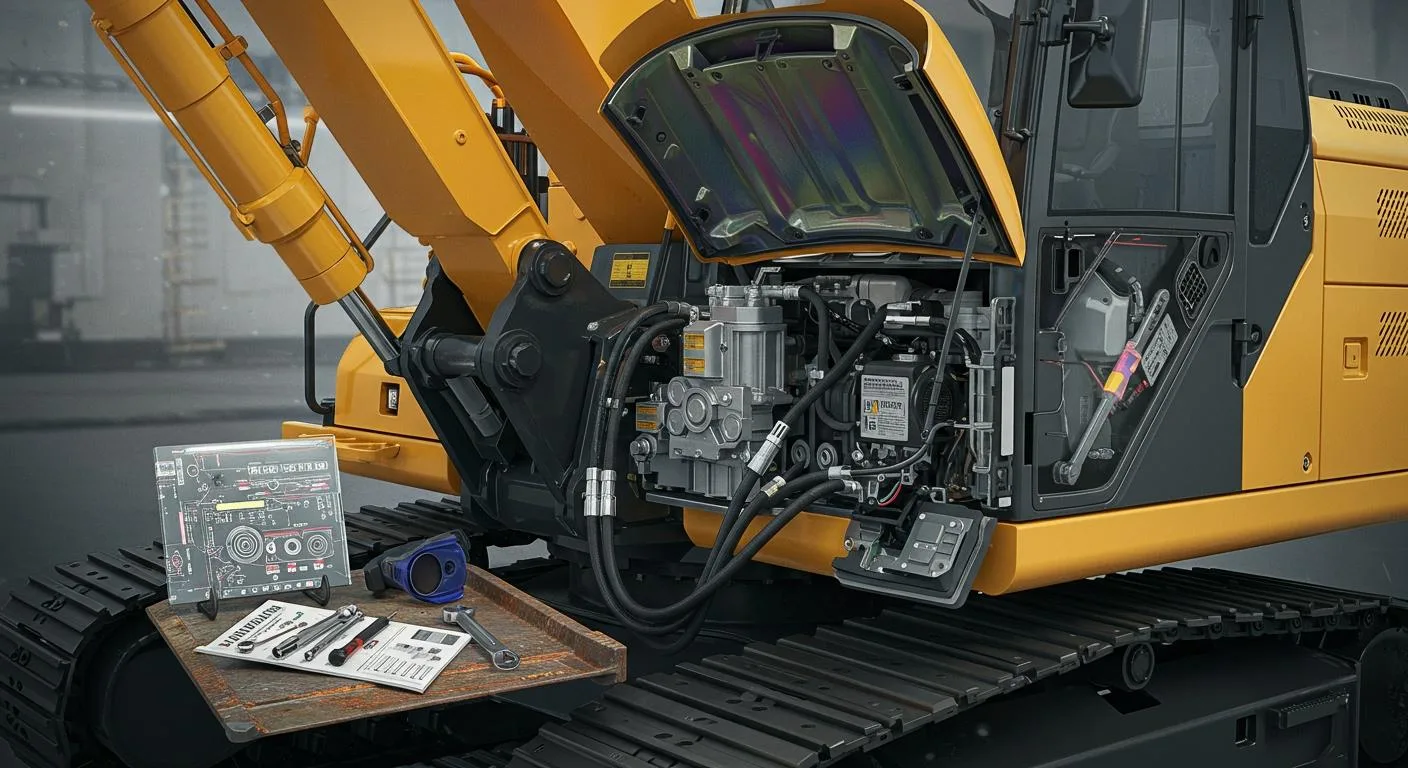
A hydraulic hose crimper for construction sites is not optional — it is the difference between a 30-minute fix and a half-day shutdown. Excavators, loaders, cranes, concrete pumps, and bulldozers all run on hydraulic systems operating between 3,000 and 5,000 PSI. When a hose bursts — and on a busy site, each machine averages 2–3 hydraulic hose failures per year — the clock starts ticking at $2,500 per hour of downtime.
The problem compounds on remote job sites. The nearest hydraulic hose shop might be an hour away. A service call can take 4–6 hours round trip. Meanwhile, an excavator sits idle, a concrete pour window closes, and a crew of 8 stands around getting paid to wait.
Most construction sites lack reliable power. That is why manual and battery-powered crimpers dominate. A hand-pump crimper needs zero electricity. A battery crimper runs 40–60 crimps per charge. Both fit in the back of a service truck.
Construction equipment runs 1″ 2SP and 1½″ 4SP hoses most often. These require 95–137 tons of crimping force. Any crimper in that range handles the majority of field repairs on excavators, loaders, and backhoes.
3 Hose Failures That Shut Down Construction Sites
These three failures account for over 80% of construction hydraulic downtime.
Excavator Boom Hose Burst
A 1″ 2SP high-pressure hose on the boom cylinder splits under a pressure spike. Hydraulic fluid sprays across the work area. The boom drops and the excavator goes dead.
Why: Repeated high-pressure cycles (up to 5,000 PSI) fatigue the wire braid. UV exposure, temperature swings from -10°C to 45°C, and contact with steel structures accelerate degradation.
Loader Steering Hose Leak
A ¾″ 1SP hose on the steering system develops a slow leak at the fitting. The loader becomes hard to steer. If ignored, the hose blows out and the loader loses all steering.
Why: Constant flexing at the steering joint wears the outer cover, then the wire braid. Tight bend radius and abrasion from nearby components accelerate wear.
Crane Winch Fitting Blow-Off
The fitting on a crane winch hose separates from the hose under load. This is the most dangerous failure because the crane may be under load at the time.
Why: Improper crimping during the last repair. Wrong die set or crimp diameter off by more than 0.1mm. Vibration causes the poorly crimped fitting to work loose.
Choosing the Right Hydraulic Hose Crimper for Construction
Two crimpers and one cutter cover 95% of construction field repairs.
P20LHP — Manual Crimper
Best for: Remote sites with no power. Hand-pump — no battery, no generator. One person carries it to the excavator. 185T handles 1½″ 4SP, covering 90% of construction repairs.
View P20LHP →P20CS — Battery Crimper
Best for: High-frequency repairs. One button press, 8–10 second crimp. No hand pumping. Pays for itself in reduced fatigue on multi-repair days.
View P20CS →C250CS — Portable Cutter
Best for: Clean cuts every time. Cuts wire-braid hose in under 10 seconds. Pairs with either crimper for a complete field repair kit.
View C250CS →🔧 CAT 320 Excavator — Fixed in 25 Minutes
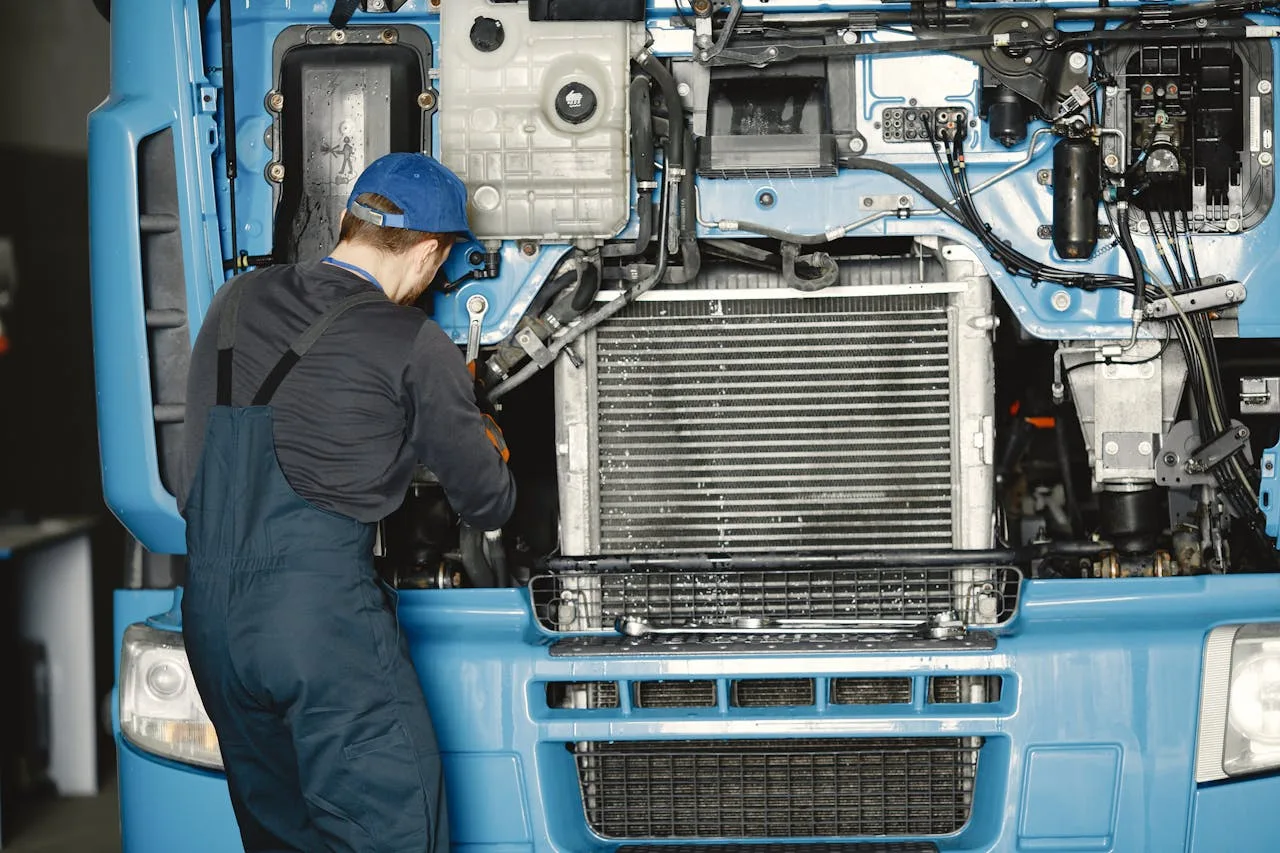
Tuesday, 10:05 AM. A CAT 320 excavator is digging a foundation trench when the boom cylinder hose bursts. Hydraulic fluid sprays the cab window. The boom drops. Work stops.
The supervisor calls their repair tech. 15 minutes later, the tech arrives with a P20LHP manual crimper, C250CS cutter, and a box of fittings.
10:20 AM — Cut the damaged section. C250CS, 30 seconds.
10:22 AM — Skive the outer cover back 1″. Manual tool, 2 minutes.
10:24 AM — Insert fitting, slide on ferrule, position in P20LHP die set.
10:27 AM — Crimp. 90 seconds of hand pumping. Diameter checks out.
10:28 AM — Pressure test to 1.5× working pressure. No leaks.
10:30 AM — Excavator back to digging. Total downtime: 25 minutes.
4 Reasons Construction Teams Choose TRC
Built for Field Conditions
Designed for mud, dust, vibration, and temperature extremes. Sealed hydraulic systems keep contaminants out. Powder-coated steel resists corrosion.
Die Sets That Match Your Fleet
Standard dies cover SAE 100R1/R2/R4/R5, R12/R13/R15, 4SP/6SH. For CAT, Komatsu, Volvo, or John Deere — 90% coverage out of the box.
±0.05mm Crimp Accuracy
Every crimp meets ISO 8434 standards and all major equipment manufacturer specs.
One-Person Operation
Open-head design loads from the side. Die holder keeps dies in position. No second pair of hands needed — critical when your crew is already short.
Related Equipment
Portable Crimpers
Battery and manual options under 30 kg. Field repair in a single trip.
View Series →
Construction Hydraulic Hose Crimper FAQ
Can I crimp hydraulic hoses on a construction site without electricity?
Yes. Manual crimpers like the P20LHP use a hand-pump system — zero electrical power required. You pump the handle to build hydraulic pressure, which drives the die set closed around the fitting. A typical 1″ hose crimp takes 60–90 seconds of pumping. Battery models like the P20CS run 40–60 crimps per charge if you have a way to charge batteries.
What is the most common hose size on excavators?
1″ 2SP (SAE 100R2) and 1½″ 4SP are the two most common sizes. Boom and stick cylinders typically run 1″–1½″ hoses at 4,000–5,000 PSI. A crimper with at least 95 tons handles 1″ 2SP; 137+ tons for 1½″ 4SP.
How long does a field hydraulic hose repair take?
A trained technician can complete a full field repair in 25–35 minutes: cutting (2 min), skiving (3 min), inserting fitting (2 min), crimping (2 min), pressure testing (5 min). First-timers should allow 45–60 minutes.
Do I need a separate cutting machine?
Strongly recommended. Cutting wire-braid hose with a hacksaw is slow and leaves a ragged edge that compromises the crimp. The C250CS portable cutter gives you a clean, square cut in under 10 seconds. It runs on 12V vehicle power or 110V.
How do I know which die set to use?
Every TRC crimper ships with a die chart that maps hose size + fitting type to the correct die number. Match your hose (e.g., 1″ 2SP) and fitting brand to the chart, select the die, and crimp. CNC models store these settings digitally — select on the touchscreen and the machine applies the correct parameters.
Get a Construction Hose Crimper Quote
Every hour of excavator downtime costs $2,500. A TRC portable hydraulic hose crimper pays for itself on the first repair.