Hydraulic Hose Crimper — 73 Models, ¼″ to 6″, 25 to 1,750 Ton
Find the right hydraulic hose crimper for any application. 73 models across 9 series — manual, electric, battery, and CNC — for hose from ¼″ to 6″. Cut, skive, crimp, and test with one supplier.
Why 300+ Distributors Trust TRC
ISO-certified hydraulic crimper manufacturer since 2021
5+
Years Manufacturing
Since 2021, hydraulic specialists
300+
Global Customers
Distributors & OEM partners
73
Product Models
9 series, full coverage
0.03mm
Inspection Precision
3-stage QC process
4 Types of Hydraulic Hose Crimpers
Each type solves a different problem. Match the crimper to your daily volume and power availability.
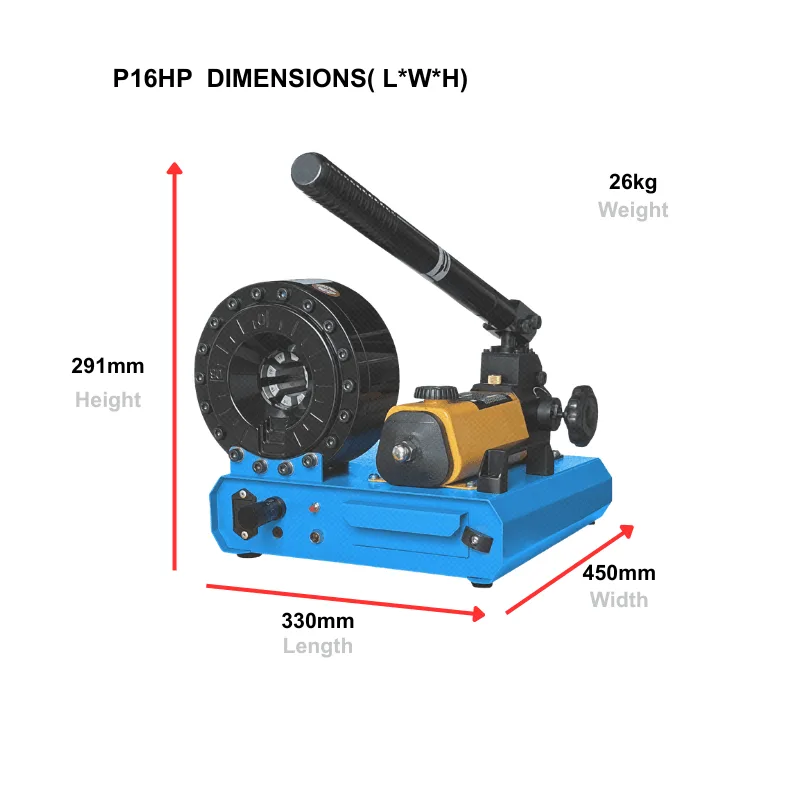
Manual / Pneumatic
12 models, 95–137 T. Hand-pump or air-powered. No electricity needed.
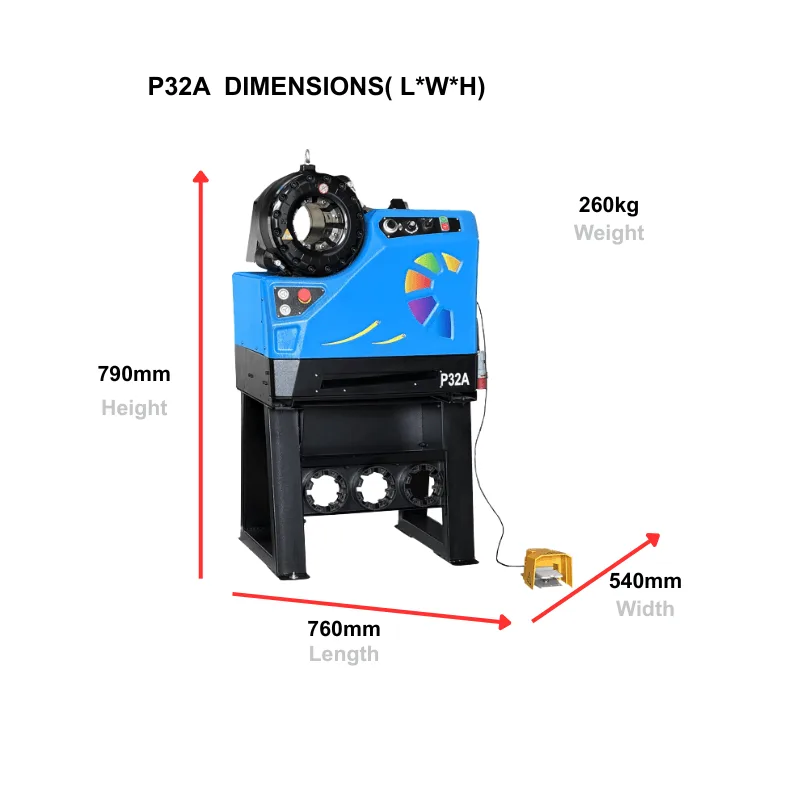
Electric / Workshop
17 models, 120–1750 T. Standard, auto-return, and CNC control.
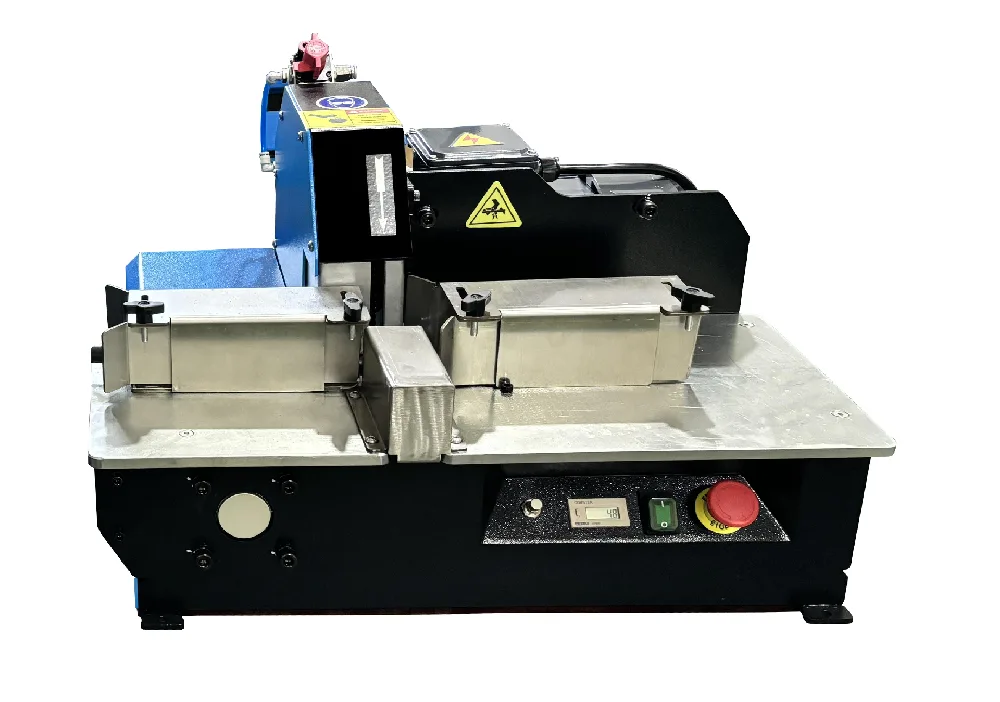
Mobile / Battery
9 models, 95–200 T. Battery or hand-pump. Service truck ready.
Vertical / Inline
2 models, 180–200 T. 90° fitting crimps. Engine room access.
Side-by-Side Comparison
Key specs across all four hydraulic hose crimper types at a glance.
| Type | Force | Hose Range | Power | Cycle Time | Weight | Best For |
|---|---|---|---|---|---|---|
| Manual | 95–137 T | ¼″–1½″ | Hand pump | 15–30 sec | 18–45 kg | Field repair |
| Electric | 80–200 T | ¼″–2″ | 220V / 380V | 6–10 sec | 120–200 kg | Workshop production |
| Portable | 80–200 T | 3⁄16″–2″ | Battery / Hand | 8–30 sec | 18–37 kg | Mobile service |
| Heavy-Duty | 245–1750 T | 2″–6″ | 380V CNC | 15–30 sec | 520–800 kg | Mining, marine, oil & gas |
CE, SGS, UL & ISO Certified
Every TRC hydraulic hose crimper is built in an ISO 9001:2015 certified facility and inspected before shipping.
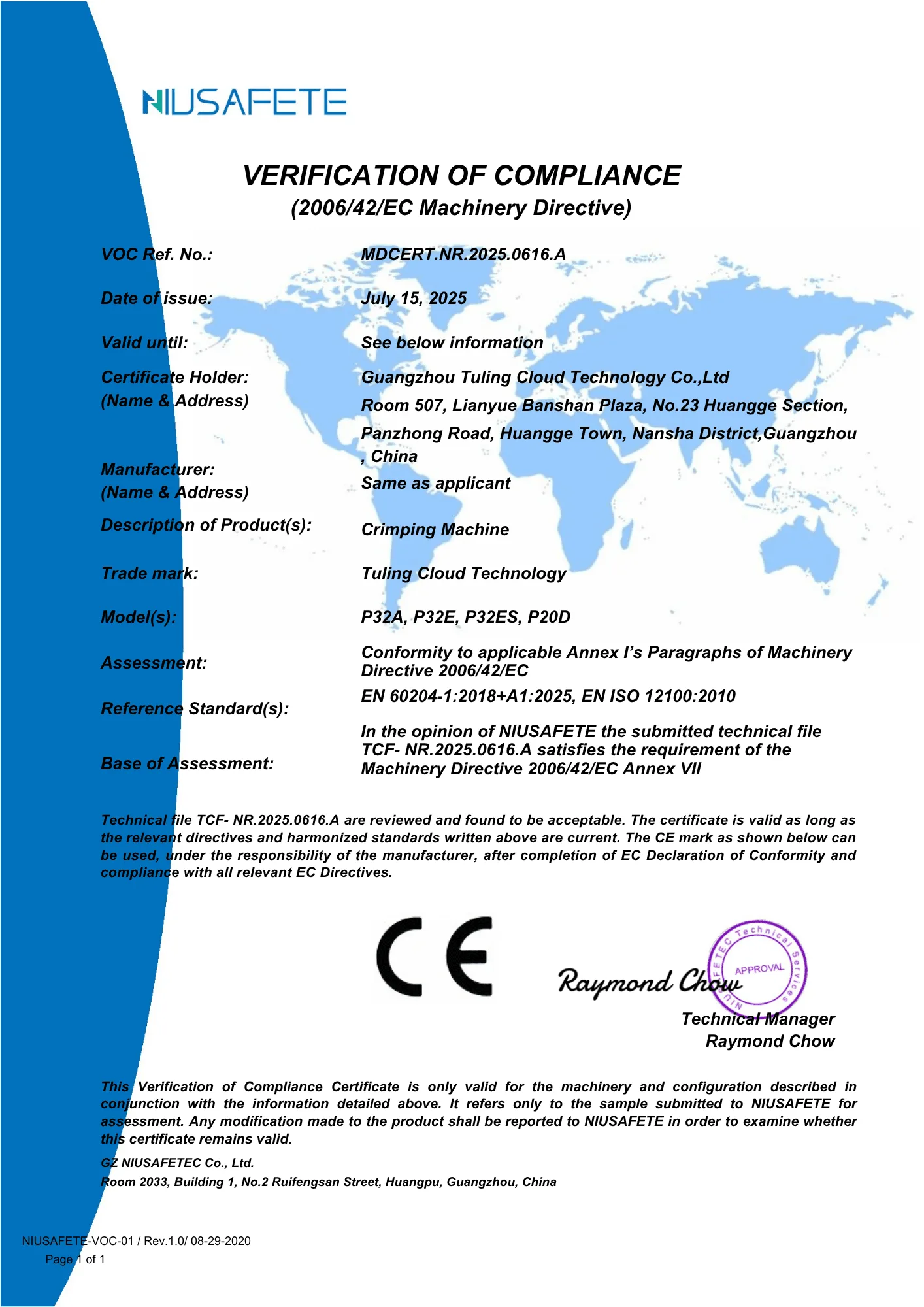
CE Certified
All electric models meet EU safety, health, and environmental requirements.
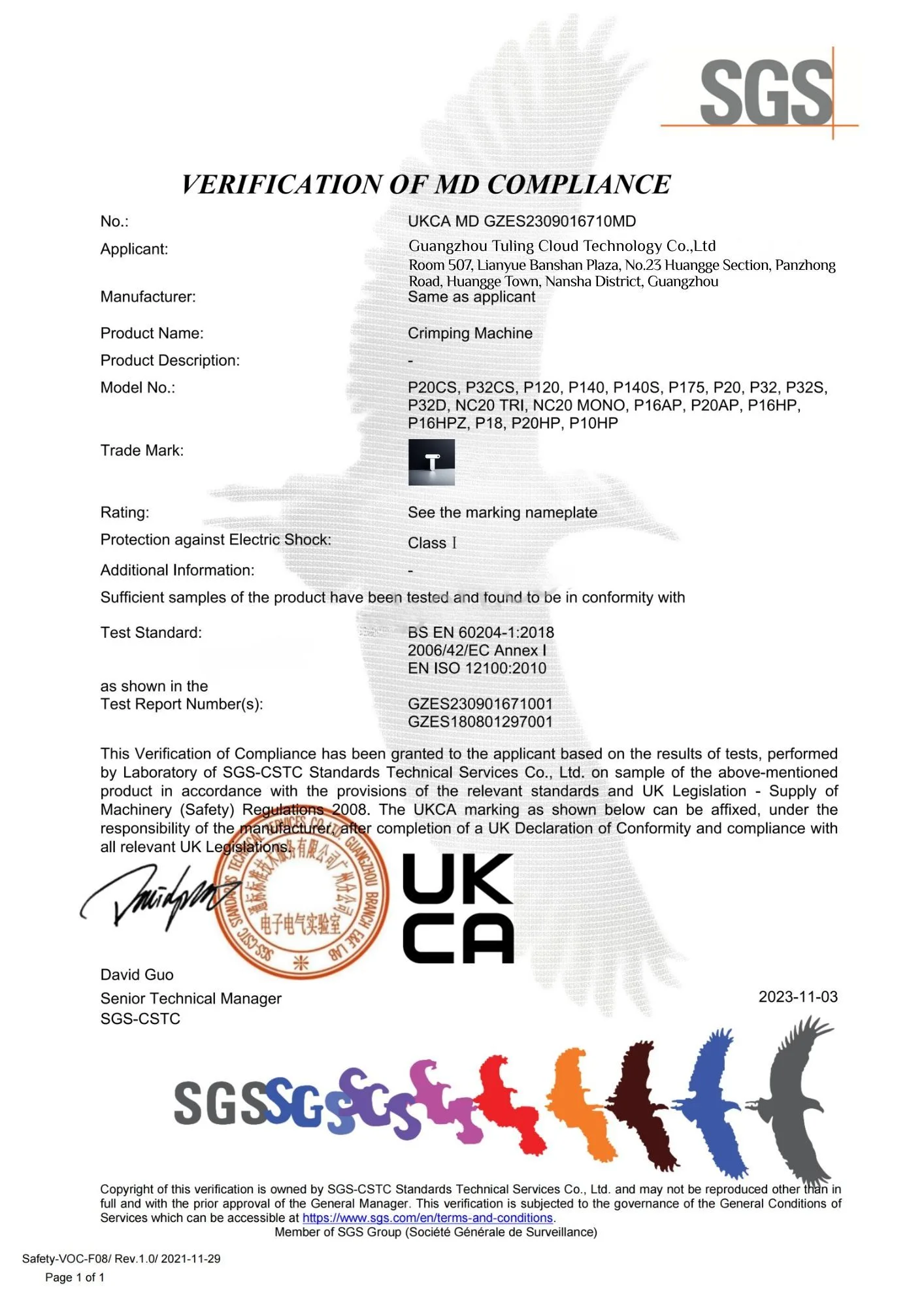
SGS Tested
Product performance and safety independently verified by SGS, the world’s leading inspection company.
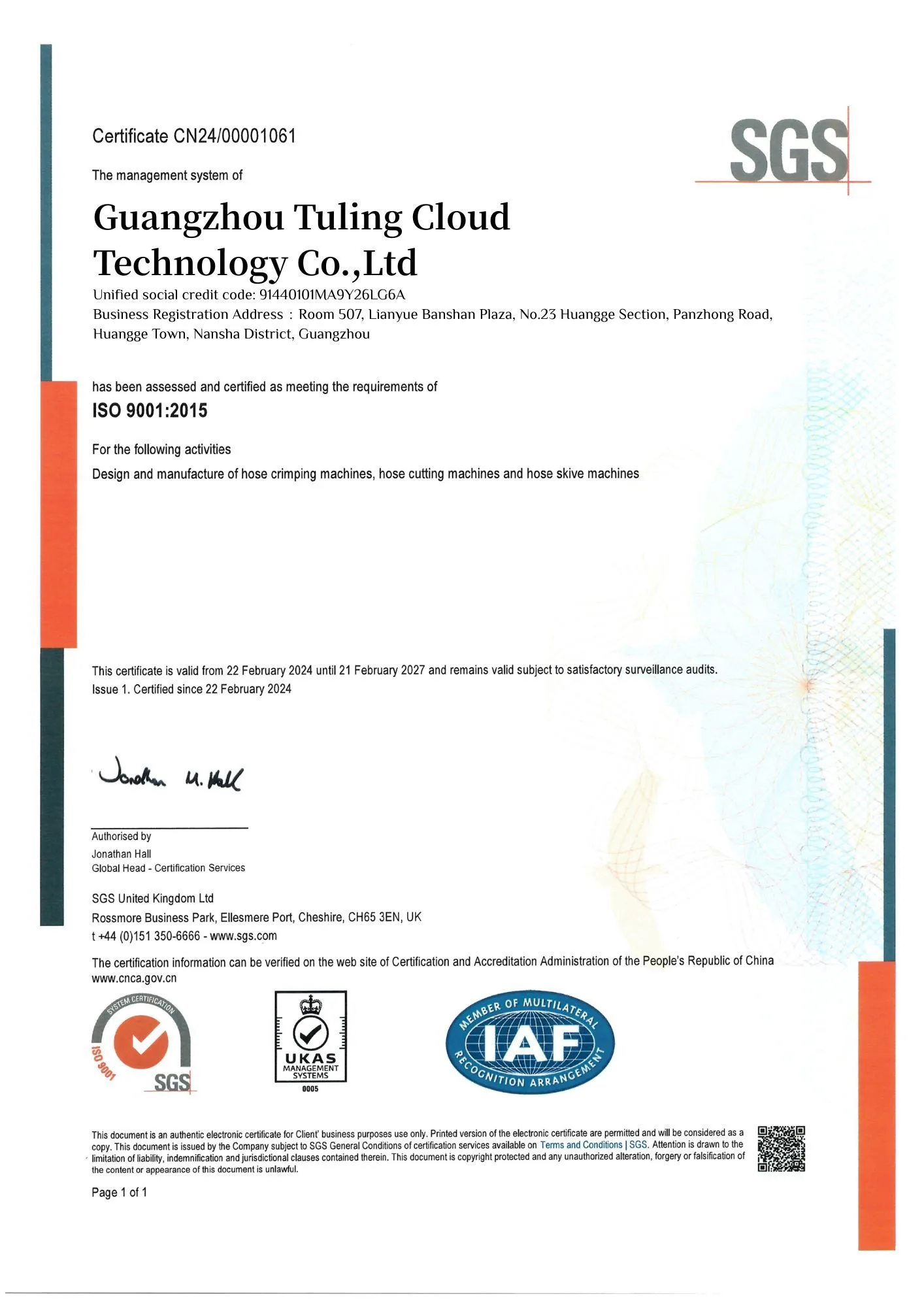
UL & ISO 9001:2015
UL listed components and ISO 9001 quality management system from raw material inspection to final crimp test.
What Is a Hydraulic Hose Crimper?
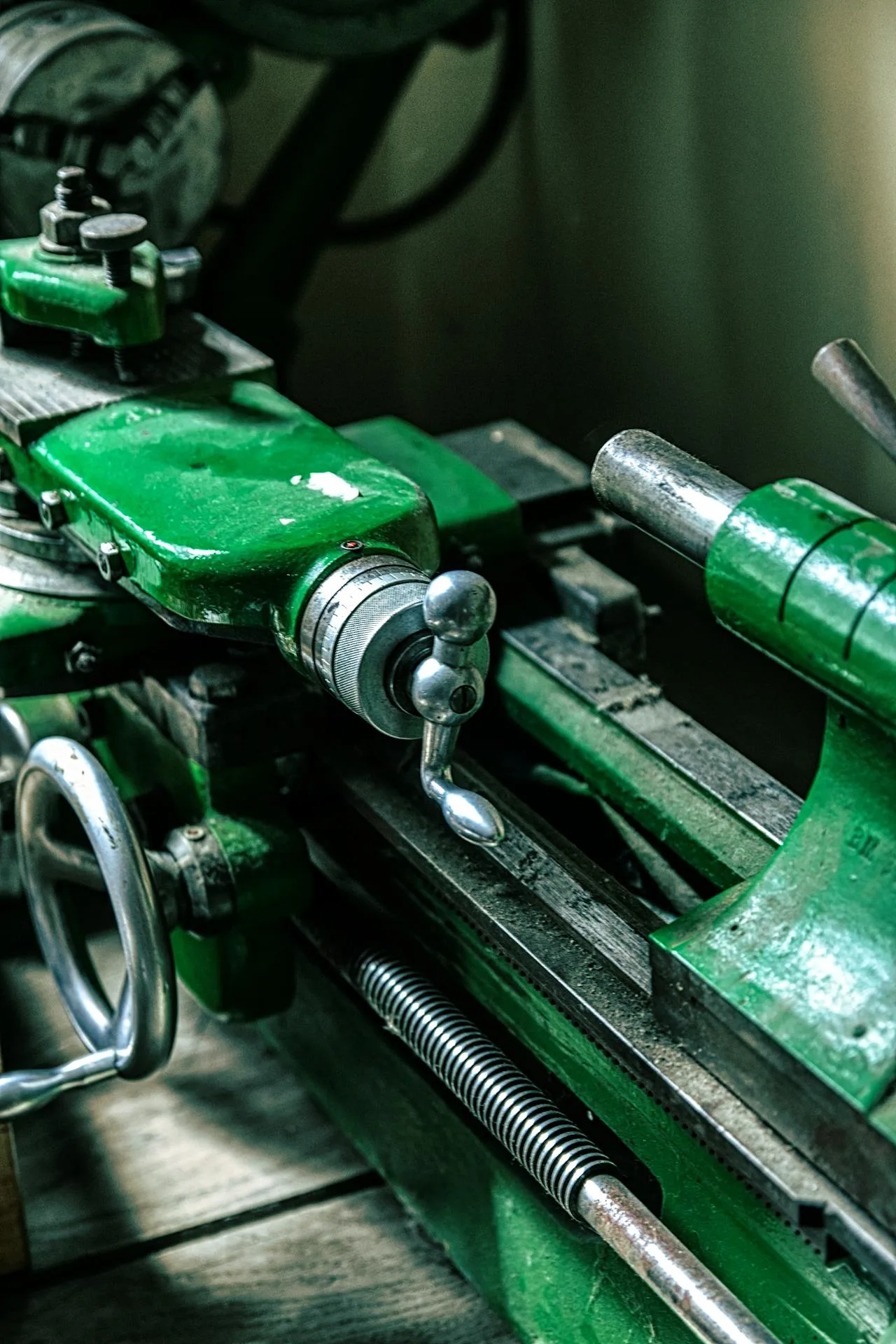
A hydraulic hose crimper is a machine that uses pressurized hydraulic fluid to permanently attach metal fittings to hydraulic hoses. It compresses a ferrule (metal sleeve) around the hose and fitting, creating a seal rated for working pressures up to 6,000 PSI.
Here is how it works: a hand pump or electric motor generates hydraulic pressure (100–700 bar). That pressure drives a piston inside a cylinder. The piston pushes segmented dies inward, squeezing the ferrule until it bonds to the hose reinforcement. The result is a permanent, leak-proof connection — the same method used in excavators, tractors, and mining trucks worldwide.
Over 95% of industrial hydraulic systems use crimped fittings because they deliver three to five times better sealing than reusable fittings, and they handle higher working pressures with zero maintenance.
4 Reasons Contractors Choose TRC
73 Models — One Supplier
Cutting, skiving, crimping, testing. One purchase order, one technical contact, one warranty process.
0.03 mm Inspection Precision
Every hydraulic crimper maintains crimp diameter within 0.03 mm — passes SAE J517 and ISO 12151 inspections every time.
CE + ISO 9001
All electric models CE marked. Production ISO 9001 certified. Dies hardened to HRC 50+ for 10,000+ cycles.
50+ Countries, 24h Support
Full documentation, die charts, and video training included. Technical support responds within 24 hours worldwide.
Why Crimped Connections Beat Everything Else
Stronger Than Reusable Fittings
A permanent crimp creates a cold weld between ferrule and fitting — 3 to 5× the holding force of a field-attachable fitting. At 6,000 PSI working pressure, that margin is not optional.
Zero Vibration Leaks
Reusable fittings loosen under vibration. Crimped assemblies do not. In mining, construction, and marine applications, vibration leak prevention is the difference between uptime and shutdown.
Rated for Full Working Pressure
Every crimped assembly is proof-tested to 2× working pressure. A 4,000 PSI hose assembly is tested to 8,000 PSI before it leaves the bench.
Faster Than Field-Attachable
A hydraulic hose crimper completes a crimp in under 2 minutes. Field-attachable fittings require torque wrenches, seal checks, and re-torquing — and still leak more often.
How to Choose the Right Hydraulic Hose Crimper in 3 Steps
Answer three questions and you will know exactly which machine fits your operation.
What Hose Sizes Do You Crimp?
Hose diameter determines the minimum tonnage. A 1″ 2SP hose needs about 95 ton. A 2″ 4SP hose needs 200 ton. A 4″ 6SP hose needs 1,200+ ton. Check the three sizes you crimp most often.
Where Do You Crimp?
If you have a workshop bench and 380V power, go electric — faster cycles, less fatigue. If you need to crimp on excavators in the field, choose manual or battery. No power grid at all? Manual hand-pump is your only option.
How Many Per Day?
Under 10 crimps a day → manual works fine. 10–50 per day → electric semi-auto. 50+ per day or ISO traceability required → CNC electric with data logging. High-volume shops report ROI on CNC within 3–6 months.
9 Professional Series — 73 Models
Beyond the four main types, TRC builds vertical crimpers, hose cutting machines, skiving machines, nut crimpers, and 150+ die sets.
| Series | Models | Force | Hose Range | Best For |
|---|---|---|---|---|
| Manual | 12 | 95–137 T | ¼″–1½″ | Field repair, off-grid |
| Electric | 18 | 80–200 T | ¼″–2″ | Workshop production |
| Portable | 9 | 80–137 T | 3⁄16″–1¼″ | Service trucks, battery |
| Heavy-Duty | 6 | 245–1750 T | 2″–6″ | Mining, marine, oil & gas |
| Vertical | 2 | 62 T | up to 1¼″ 6SP | 90° elbows, bent tubes |
| Cutting | 7 | — | up to 2″ 4SP | Guillotine & CNC cutting |
| Skiving | 2 | — | ¼″–2″ | Rubber removal |
| Nut Crimping | 3 | 50–145 T | 0.39″–3.66″ | Fitting nut press |
| Dies | 150+ | — | ¼″–6″ | HRC50+ tooling |
Built for the Industries That Cannot Afford Downtime
Every industry has a hose failure cost. Mining: $15,000/hr. Construction: $8,000/hr. Oil & gas: $50,000/hr.
Automotive & Brake Lines
AC hose, fuel line, and brake line crimping. Small-bore precision from ¼″ to ¾″.
Construction Equipment
Excavators, loaders, cranes. ½″ to 2″ hose assemblies crimped on-site.
Mining & Earthmoving
R12/R13 spiral hose, 2″ to 6″. 24/7 production crimping at 800+ ton.
Marine & Offshore
Saltwater-rated assemblies. Engine room vertical crimps. Corrosion-resistant fittings.
Agriculture & Farm
Tractors, harvesters, irrigation. Field repair with manual and battery crimpers.
Oil & Gas
High-pressure hydraulic assemblies. API-rated. Explosion-proof workshop equipment.
From Raw Material to Your Doorstep
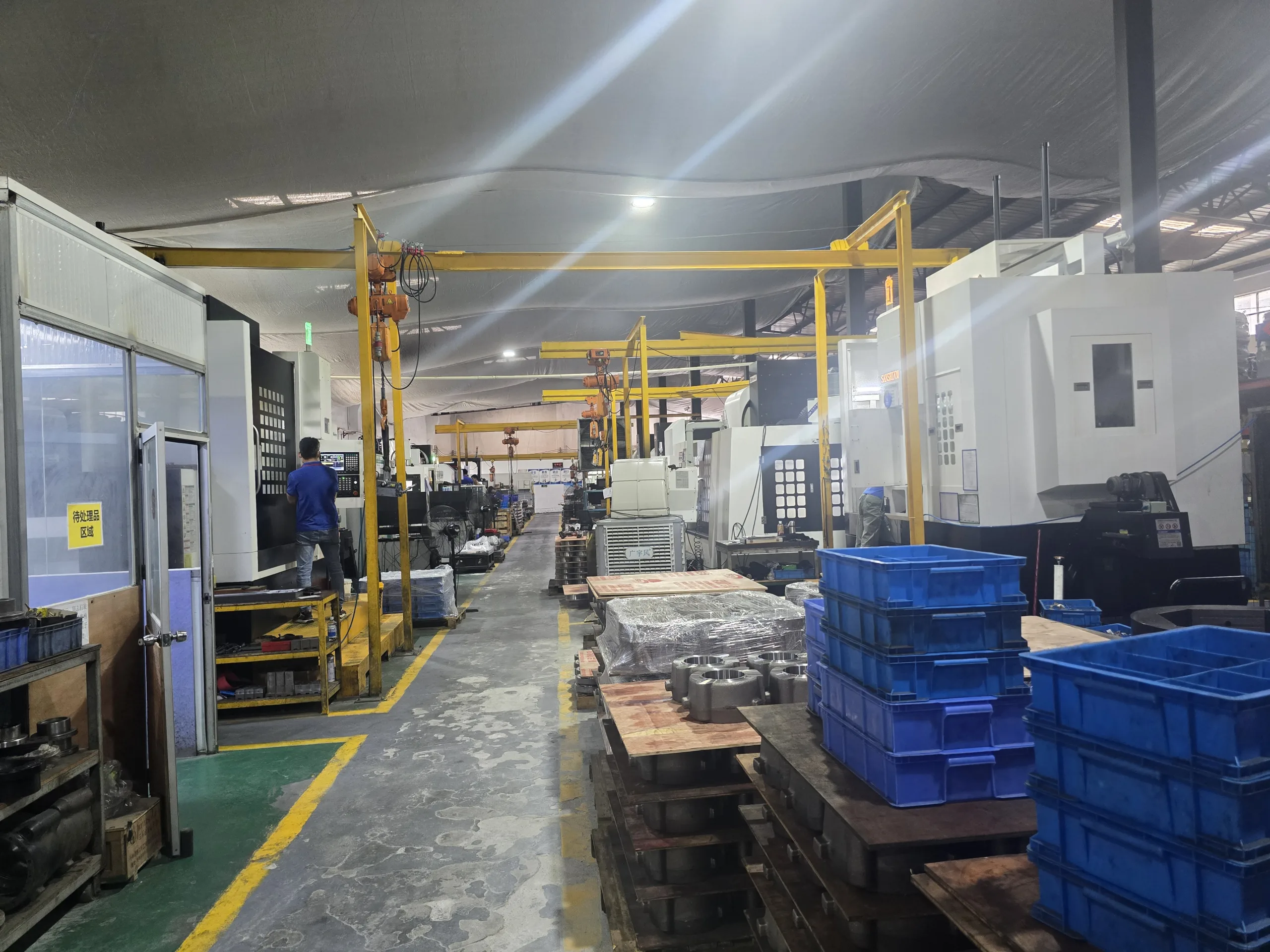
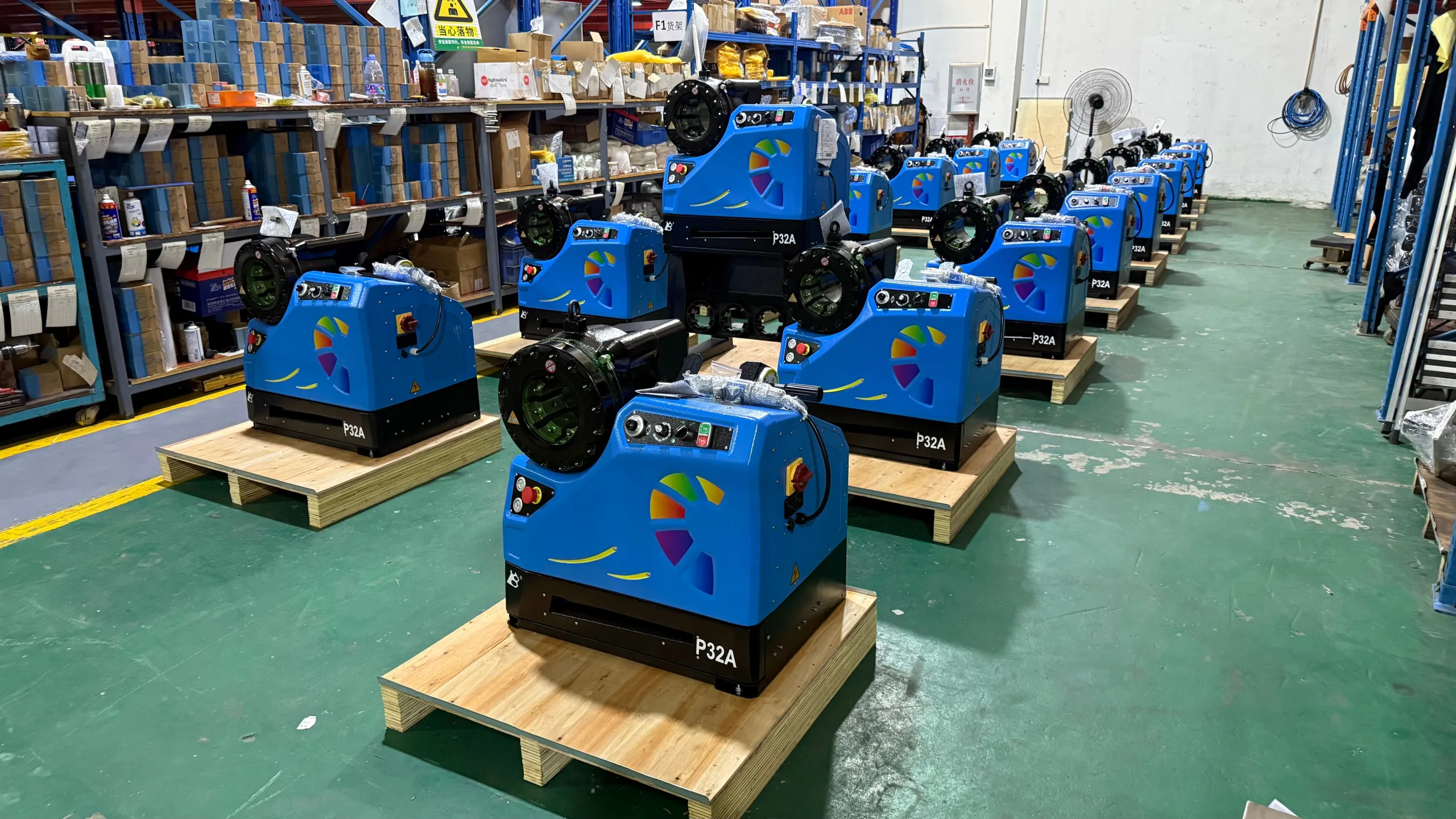
Full in-house production — every step controlled, every hydraulic hose crimper inspected

Start from Raw Material
We machine every crimper body, die set, and hydraulic component from raw steel in-house. No outsourcing, no assembly from parts — full control from billet to finished product.
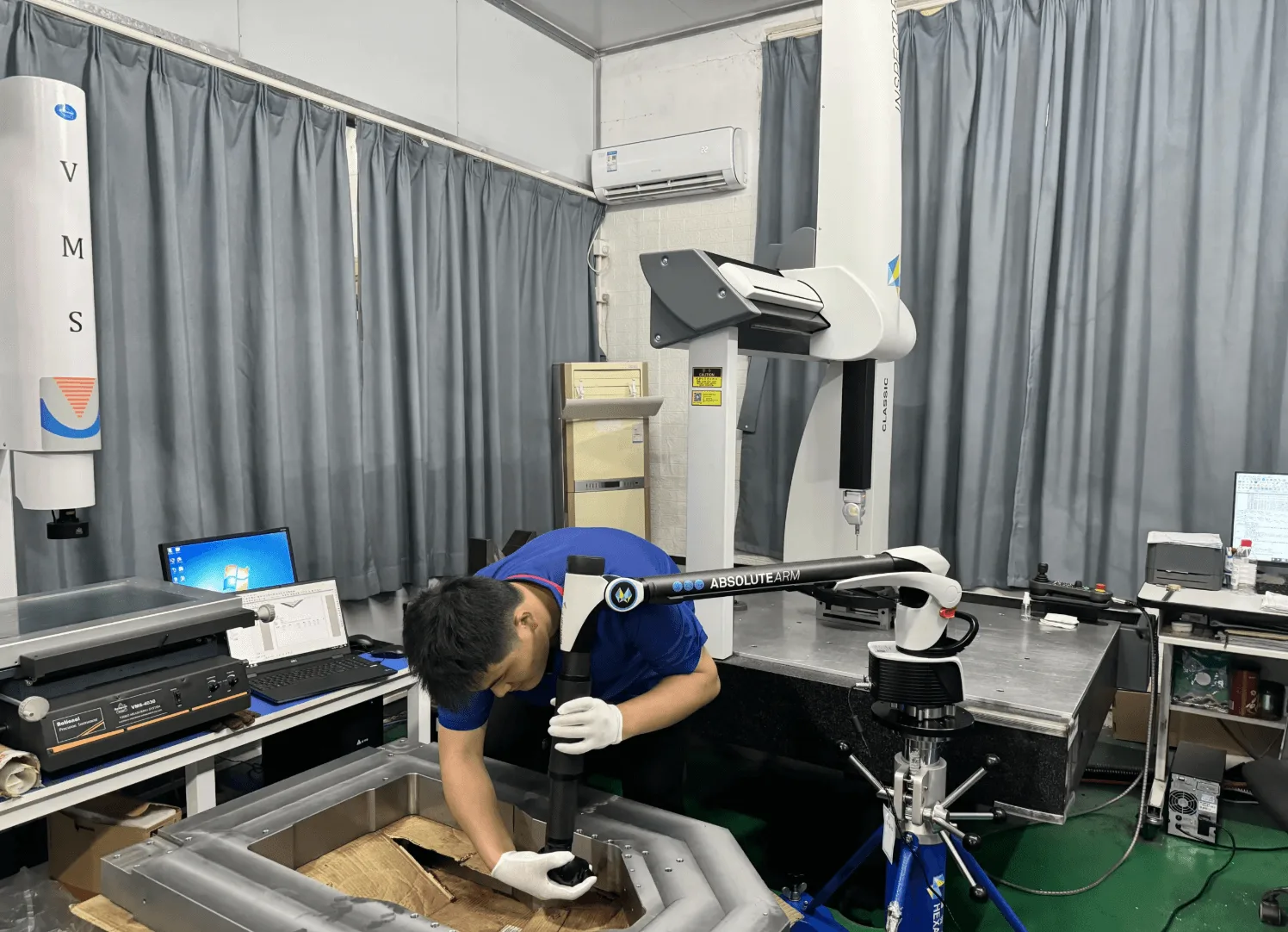
Rigorous Quality Inspection
Every unit undergoes pressure testing, dimensional checks with 0.03mm precision calipers, and a full crimp cycle test. No unit ships without passing our 3-stage QC process.
Reliable Global Service
Technical support within 4 hours, video installation guides, and spare parts shipped within 48 hours. 300+ customers across 40+ countries trust our after-sales support.
Shipping, Warranty & Support
Every machine ships with full documentation and lifetime technical support
Fast Global Shipping
Standard orders ship within 7–15 business days via sea freight. Express air shipping available in 5–7 days. Full tracking and customs documentation provided. Free crating on all machines over 100 kg.
2-Year Warranty
Every machine comes with a 24-month warranty covering manufacturing defects, hydraulic system failures, and motor issues. Die sets warranted for 5,000+ crimp cycles. Remote diagnostics available by video call.
Lifetime Technical Support
Engineers respond within 4 hours during business hours. Spare parts ship within 48 hours. Video installation guides, die charts, and troubleshooting manuals included free. Remote CNC calibration available.
✅ 100% Quality Guaranteed — Every unit is tested before shipping
What Hydraulic Professionals Say
“My work was scrapping their old hydraulic hose crimper for a new one. I took the old one home. That thing is bulletproof — still works perfectly after 15 years.”
“We need a hose crimper. What should we get? For gas and hydraulic. Looking at manual vs electric — the consensus was electric for daily use, manual for occasional field work.”
“Crimping your own hoses saves 60-70% compared to buying pre-made assemblies. A good hydraulic hose crimper pays for itself in under 3 months if you do any volume.”
Related Guides
Deep-dive articles on each crimper type and application
Frequently Asked Questions
What is a hydraulic hose crimper?
How does a hydraulic hose crimper work?
How much does a hydraulic hose crimper cost?
What size hydraulic hose crimper do I need?
Can one hydraulic hose crimper handle different hose types?
What is the difference between crimp and swage?
How often should I replace crimping dies?
Do I need a CNC hydraulic hose crimper?
Need Help Choosing the Right Hydraulic Hose Crimper?
Tell us your hose sizes and daily volume. Our engineers will recommend the best model within 24 hours.