A crimping machine seems straightforward — it squeezes a fitting onto a hose. But pick the wrong type and you’ll waste time, money, or both. The market offers five distinct categories, each built for a different job. Here’s how they compare and which one you actually need.
The 5 Types of Crimping Machines
Not all crimping machines are created equal. The force mechanism, power source, and frame design change everything about what the machine can (and can’t) do.
| Type | Force Range | Hose Size | Power | Use Case |
|---|---|---|---|---|
| Manual / Hand Pump | 95–185 TON | Up to 2″ | Human (hand pump) | Field repair, remote sites |
| Battery / Cordless | 80–200 TON | Up to 3.5″ | Battery | Mobile service, field work |
| Electric Bench | 137–320 TON | Up to 4″ | Electric motor | Workshop production |
| Heavy Industrial | 500–830 TON | Up to 24″ | 3-phase electric | Mining, marine, large bore |
| CNC Production | 245–830 TON | Up to 24″ | 3-phase + CNC | High-volume, certified shops |
Type 1: Manual / Hand Pump Crimpers
Manual crimpers use a hand-operated hydraulic pump to generate force. No electricity, no batteries, no air supply. You pump the handle, pressure builds, and the die closes.
The TRC-P16HP delivers 95 tons of force — enough for hoses up to 45 mm (about 1-3/4″). The P20LHP pushes 185 tons up to 54 mm (about 2″).
Where they win: Remote locations with no power. Underground mines where battery tools face restrictions. Offshore platforms with spark-free requirements. Emergency repair kits.
Where they lose: Speed. A hand-pump crimp takes 30–60 seconds of pumping. If you’re doing 50+ crimps a day, your arm will notice. They also require more operator skill — consistent pump speed matters for crimp quality.
Type 2: Battery / Cordless Crimpers
Battery-powered crimping machines are the fastest-growing category. They combine portability with electric convenience — no hand pumping, no power cords.
TRC’s battery lineup runs from the P18CS (80 tons) to the P32CS (200 tons). Battery life handles 40–60 crimps per charge on standard hoses.
Where they win: Mobile service trucks. Construction sites. Any job that requires moving between locations. They’re faster than manual models (15 seconds per crimp) and don’t need an external power source.
Where they lose: Battery management. If you forget to charge, you’re done. They’re also limited in maximum force — the heaviest battery model (P32CS at 200 tons) can’t match a bench machine’s 500+ tons. Cold weather also reduces battery performance.
Type 3: Electric Bench Crimpers
Electric bench crimpers are the backbone of hose assembly shops. They use an electric motor to drive the hydraulic pump — consistent force, every cycle, all day long.
The TRC-P120 delivers 137 tons. The P140 pushes 320 tons and adds CNC control for programmable crimp profiles.
Where they win: Workshop production. Consistent quality. Operators produce identical crimps all day without fatigue. CNC models (like the P140) store crimp programs and generate quality data.
Where they lose: They don’t move. Once bolted to a bench, they stay there. If a hose fails in the field, the hose has to come to the shop. They also need a power supply — 220V single-phase for smaller models, 380V three-phase for larger ones.
Type 4: Heavy Industrial Crimpers
When the hoses get big — really big — you need a heavy industrial crimping machine. The TRC-P165 (500 tons, up to 202 mm) and P175 (830 tons, up to 600 mm) handle the jobs nothing else can.
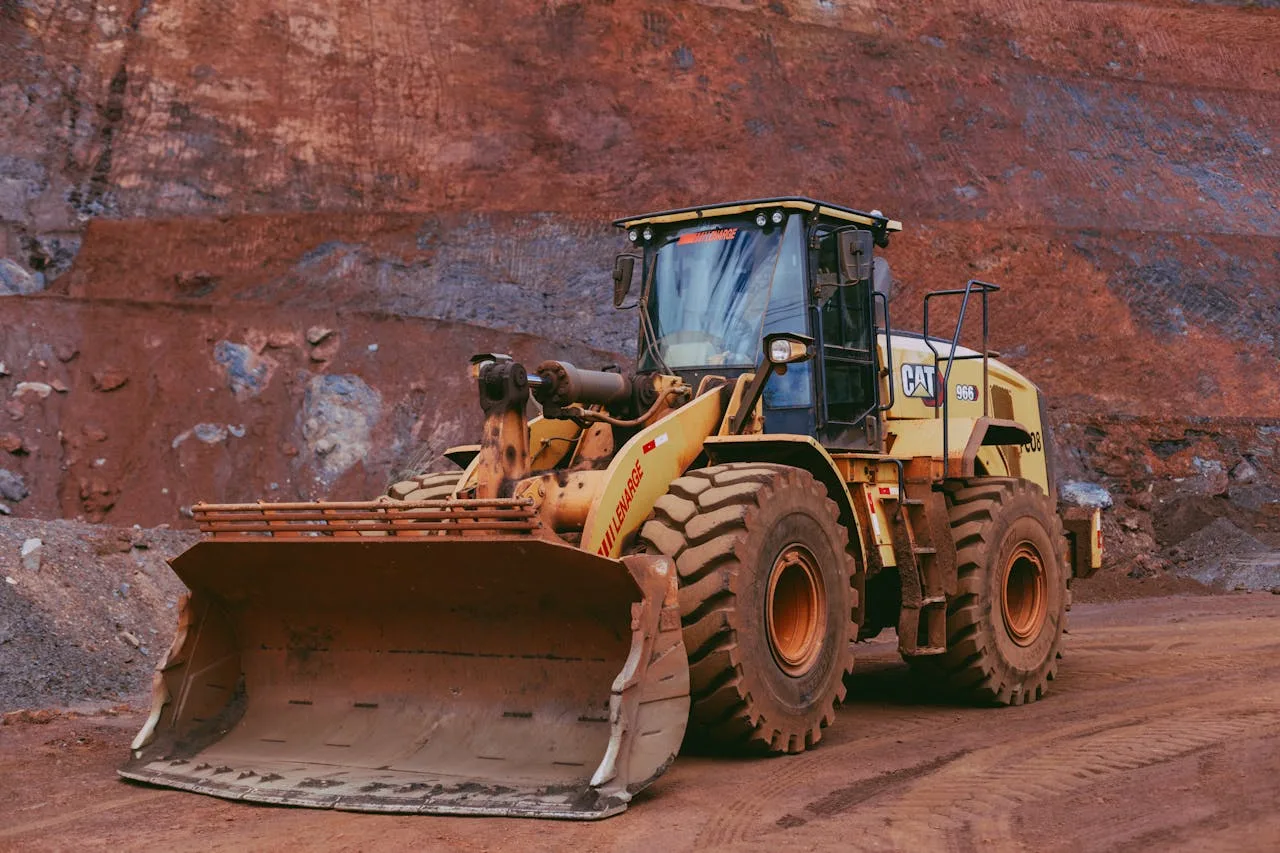
Where they win: Large-bore spiral hoses. Mining shovel hydraulic systems. Marine propulsion lines. Shipbuilding. Tunnel boring machines. If it’s bigger than 4″, this is your category.
Where they lose: Cost, space, and power requirements. The P175 weighs over 3,000 kg and needs a reinforced foundation plus 3-phase power. This is a capital investment, not a casual purchase.
Type 5: CNC Production Crimpers
CNC crimpers are electric bench machines on steroids. They add programmable control, automatic die positioning, data logging, and sometimes robotic hose feeding.
The TRC-P140 is the entry point — CNC-controlled with programmable crimp profiles. The P165 and P175 both offer CNC versions.
Where they win: High-volume shops that need traceability. Every crimp is logged: force curve, completion time, die position. This data is gold for ISO-certified operations or any shop that needs to prove crimp quality to customers.
Where they lose: Complexity and price. A CNC machine costs 2–3× more than a semi-auto bench model with the same tonnage. You also need trained operators who understand the control system.
How to Choose — Decision Framework
Answer these four questions:
- Where do you work? Field → manual or battery. Workshop → electric bench or CNC.
- What’s the largest hose? Up to 2″ → most machines handle it. 2″–4″ → electric bench or CNC. Over 4″ → heavy industrial.
- How many crimps per day? Under 20 → manual or battery. 20–100 → electric bench. Over 100 → CNC.
- Do you need quality data? Yes → CNC. No → any type works.
| Your Situation | Recommended Type | TRC Model |
|---|---|---|
| Field repair, no power | Manual | P16HP or P20LHP |
| Mobile service truck | Battery | P20CS or P32CS |
| Small workshop | Electric bench | P120 |
| Production workshop | CNC | P140 |
| Mining/marine, large bore | Heavy industrial | P165 or P175 |
Common Buying Mistakes
We see the same errors over and over:
- Under-sizing the machine. Buying a 2″ crimper when you’ll eventually need 3″. The upgrade costs more than buying right the first time.
- Ignoring die availability. A great machine is useless if dies for your specific hose-fitting combination aren’t available. Check die compatibility before purchasing.
- Skipping the training. A crimping machine is only as good as its operator. One day of training prevents months of bad crimps.
- Forgetting power requirements. Electric bench and CNC machines need specific voltage and amperage. Confirm your shop can supply it before the delivery truck arrives.
Price Range Overview
| Type | Price Range (USD) | Key Cost Drivers |
|---|---|---|
| Manual | $800–$2,500 | Tonnage, die sets included |
| Battery | $2,000–$6,000 | Tonnage, battery count, die sets |
| Electric bench | $3,000–$12,000 | Tonnage, CNC vs. semi-auto |
| Heavy industrial | $15,000–$50,000+ | Tonnage, CNC features, custom dies |
| CNC production | $10,000–$50,000+ | Tonnage, data logging, automation |
Prices vary widely based on configuration and included accessories. Factor in die sets ($200–$600 each) and any custom tooling your specific hose assemblies require.
Bottom Line
Most buyers fall into one of three camps: field operators need manual or battery models, small shops need an electric bench crimper, and production facilities need CNC. Don’t overthink it — match the machine to your daily reality, not your aspirational setup. The best crimping machine is the one that fits your hoses, your volume, and your work environment.


The comparison of force ranges and hose sizes really helps clarify which crimper is suitable for different projects. I also like that you highlighted the trade-offs between mobility and production capacity. It makes choosing the right machine much easier depending on the work environment.
The comparison table effectively highlights how power source constraints directly dictate which machine fits a specific use case, especially for field repairs in remote locations. It’s a crucial reminder that choosing the wrong type based solely on tonnage can lead to missed deadlines or safety issues in restricted environments like offshore platforms. This breakdown really clarifies why a hybrid or manual unit is often the strategic choice for mobile service teams.