Hose Skiving Machine
Why skiving matters: 15–30% higher pull-out resistance for high-pressure hose. Expose the wire, crimp with confidence.
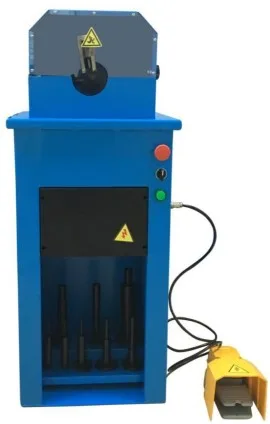
What Is Hose Skiving?
Hose skiving removes the outer rubber cover (and sometimes the inner rubber) from a hydraulic hose end before crimping. This exposes the wire reinforcement for direct contact with the ferrule, creating a stronger crimped connection.
Skiving was standard practice before modern crimping technology. As crimp-to-the-cover ferrules became common, many shops stopped skiving. However, for high-pressure applications (4SP, 6SP, R12, R13), skiving remains recommended or required by major hose manufacturers.
Three Key Concepts
- External skiving: Remove outer rubber to expose wire braid. The ferrule bites directly into the wire, increasing pull-out resistance by 15–30%.
- Internal skiving: Remove inner rubber to reduce bulk inside the fitting. Used for fitting designs where the inner diameter is tight.
- When to skive: Always follow the hose + fitting manufacturer’s recommendation. SAE and DIN standards specify skiving requirements for each hose/fitting combination.
Source: Crimping — Wikipedia
How Skiving Works
Set blade depth for hose diameter → Insert hose end → Rotate hose while blade peels outer rubber → Remove skived hose → Clean wire surface → Insert fitting.
SH50 vs S50 Specifications
| Parameter | SH50 | S50 |
|---|---|---|
| Skiving Range | ¼”–2″ OD | ¼”–2″ OD |
| Type | External only | External + Internal |
| Power | Electric | Electric |
| Weight | 35 kg | 45 kg |
| Best For | Budget, entry-level | Professional, higher volume |
SH50 vs S50
SH50 — External Only
Removes outer rubber cover. Simpler, cheaper. Best for shops that mainly crimp standard hose with skive-type ferrules.
External35 kgS50 — External + Internal
Removes both outer and inner rubber. Best for shops working with 4SP/6SP high-pressure assemblies where internal skiving is required.
External + Internal45 kgSkiving Problems — Solved
“Do I need to skive before crimping?”
It depends on the ferrule type. “Skive-type” ferrules require skiving — the ferrule is designed to bite into exposed wire. “No-skive” ferrules crimp over the rubber. Check the fitting manufacturer’s specification. For 4SP/6SP high-pressure, skiving is almost always recommended.
Source: Common Reddit question
“Skiving takes too much time”
A powered skiving machine (SH50/S50) peels the rubber in 10–15 seconds. Manual skiving with a knife takes 2–5 minutes and risks cutting the wire. The machine pays for itself in time savings alone.
Source: Workshop feedback
“Wire gets damaged during skiving”
Set the blade depth correctly for the specific hose size. Too deep = cuts wire. Too shallow = doesn’t fully expose wire. SH50 has adjustable depth stops for common hose sizes.
Source: Operator training
“Can I skip skiving if I use no-skive fittings?”
Yes, that’s what no-skive fittings are designed for. But: skived connections typically have 15–30% higher pull-out resistance. For critical high-pressure applications, skiving is the safer choice.
Source: r/Hydraulics
Skived vs No-Skive Hose Assembly
| Factor | Skived Assembly | No-Skive Assembly |
|---|---|---|
| Ferrule Type | Skive-type (bites wire) | No-skive (crimps over rubber) |
| Pull-out Resistance | Higher (15–30%) | Standard |
| Prep Time | +15 sec for skiving | None |
| Equipment Needed | Skiving machine + crimper | Crimper only |
| Recommended For | 4SP, 6SP, R12, R13, high-pressure | 1–2SP, standard pressure |
| Cost | Machine $500–1,500 | None (use no-skive fittings) |
Rule of thumb: If the hose is 4SP or above, or working pressure exceeds 250 bar, skive. Pair the skiving machine with your hose cutter and electric crimper for a complete assembly workflow.
Where a Hose Skiving Machine Is Required
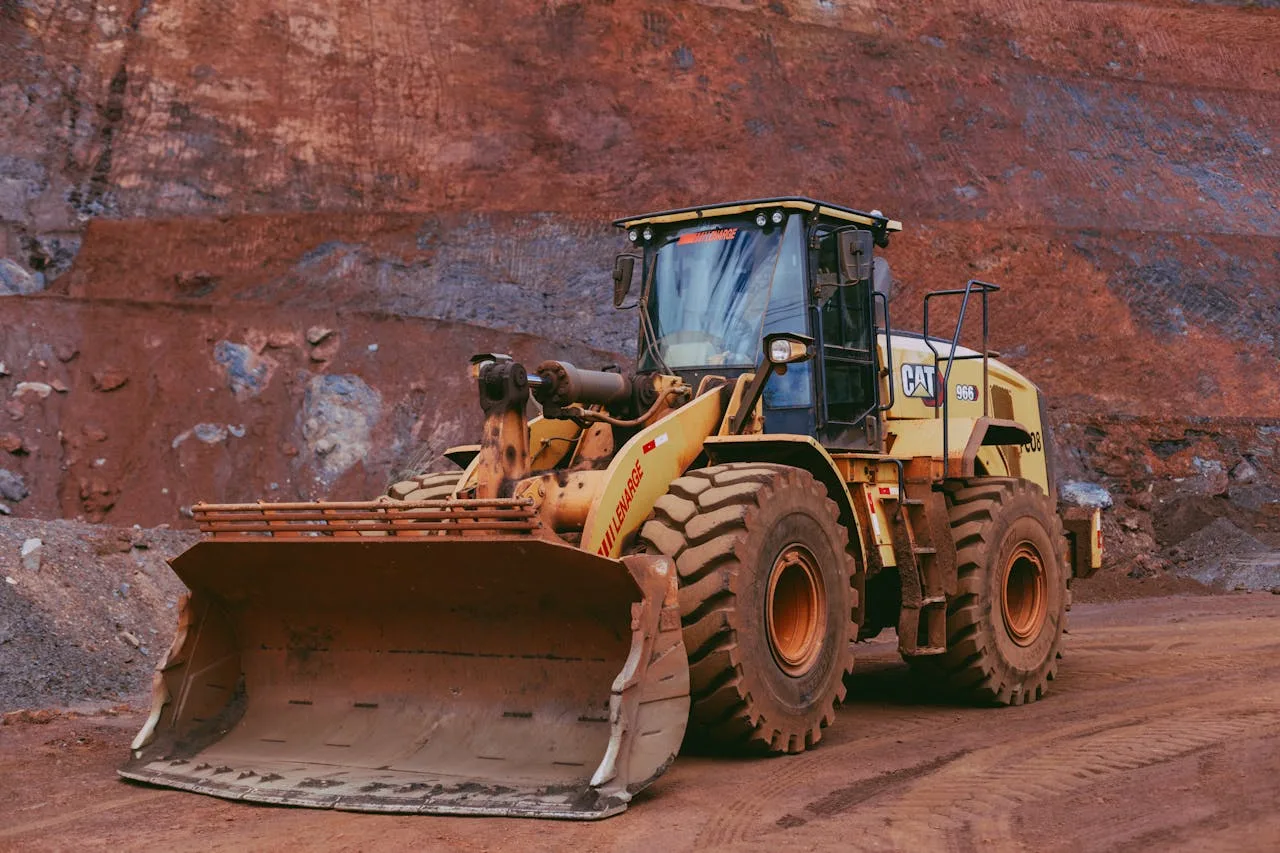
⛏️ Mining
R12/R13 high-pressure hose. A hose skiving machine is required by manufacturer specifications for these safety-critical assemblies.
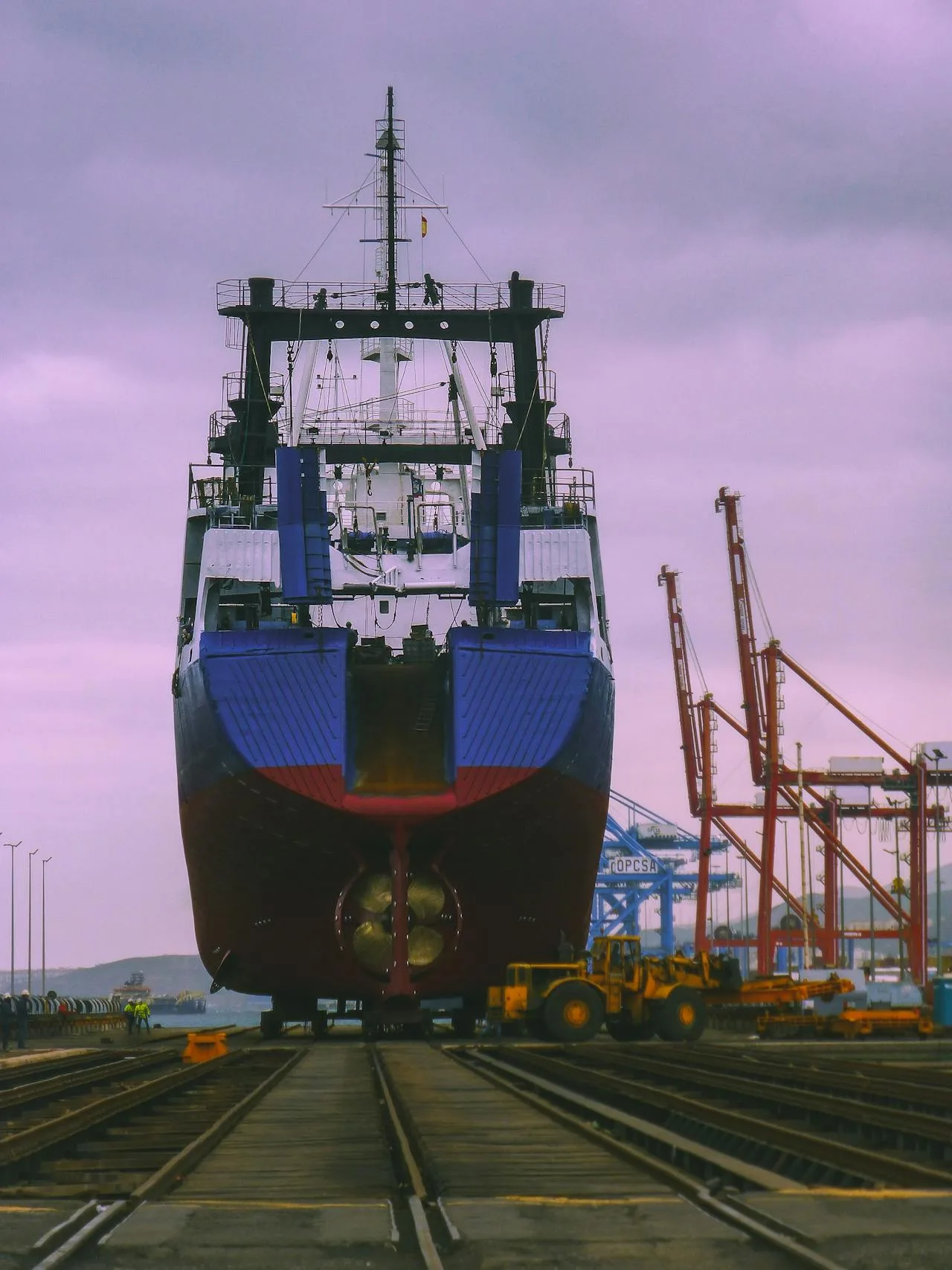
🚢 Marine
High-pressure hydraulic, safety-critical assemblies. Skiving ensures maximum pull-out resistance at sea.
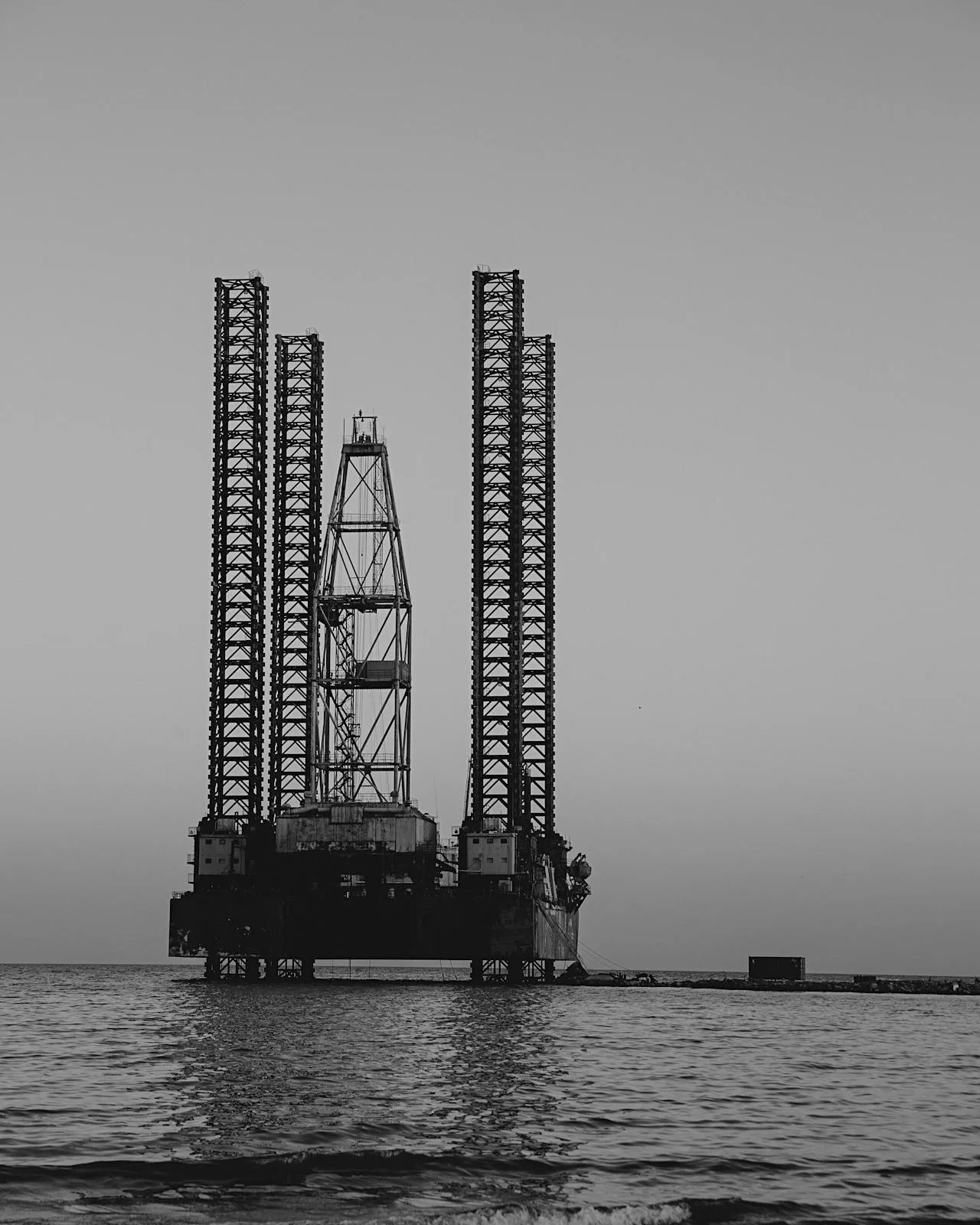
🛢️ Oil & Gas
4SP/6SP hose assemblies per API spec. Skiving is mandatory for compliance.
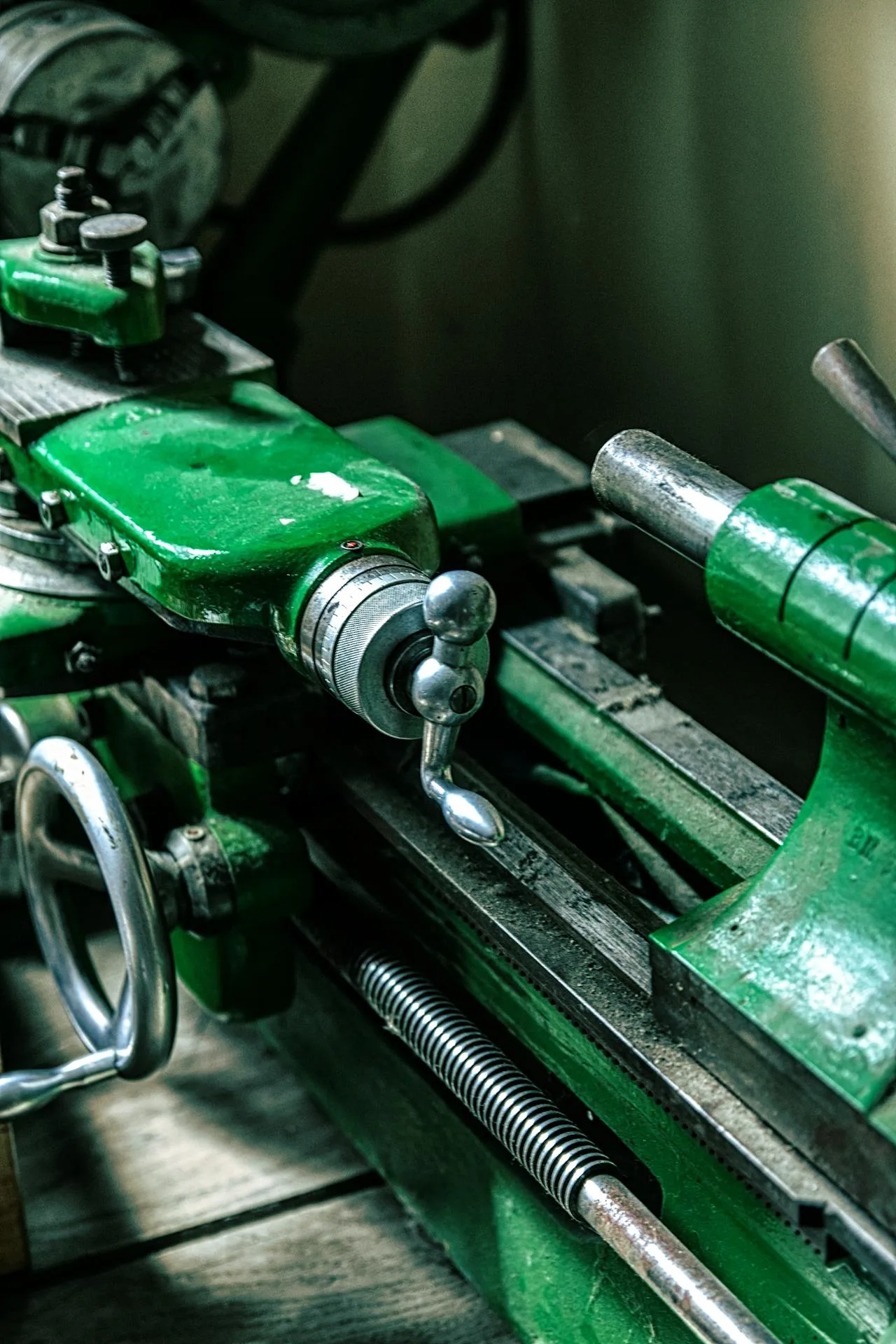
🏭 Production Assembly
OEM and aftermarket assembly lines. A hose skiving machine is the second station after cutting in the cut-skive-clean-crimp workflow.
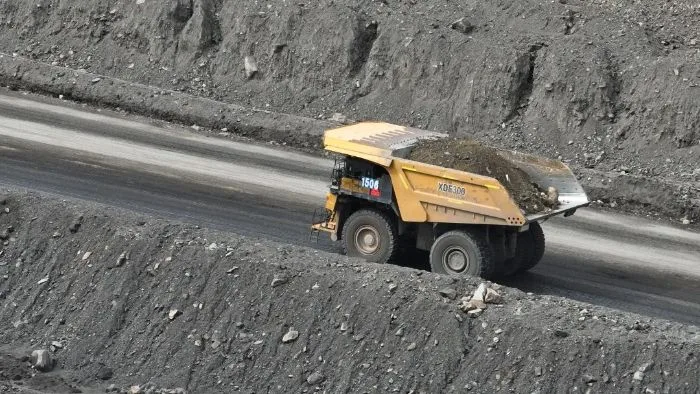
🚜 Agricultural Equipment
Tractors and harvesters with 4SP hose. Skiving ensures reliable crimps under high-cycle vibration.
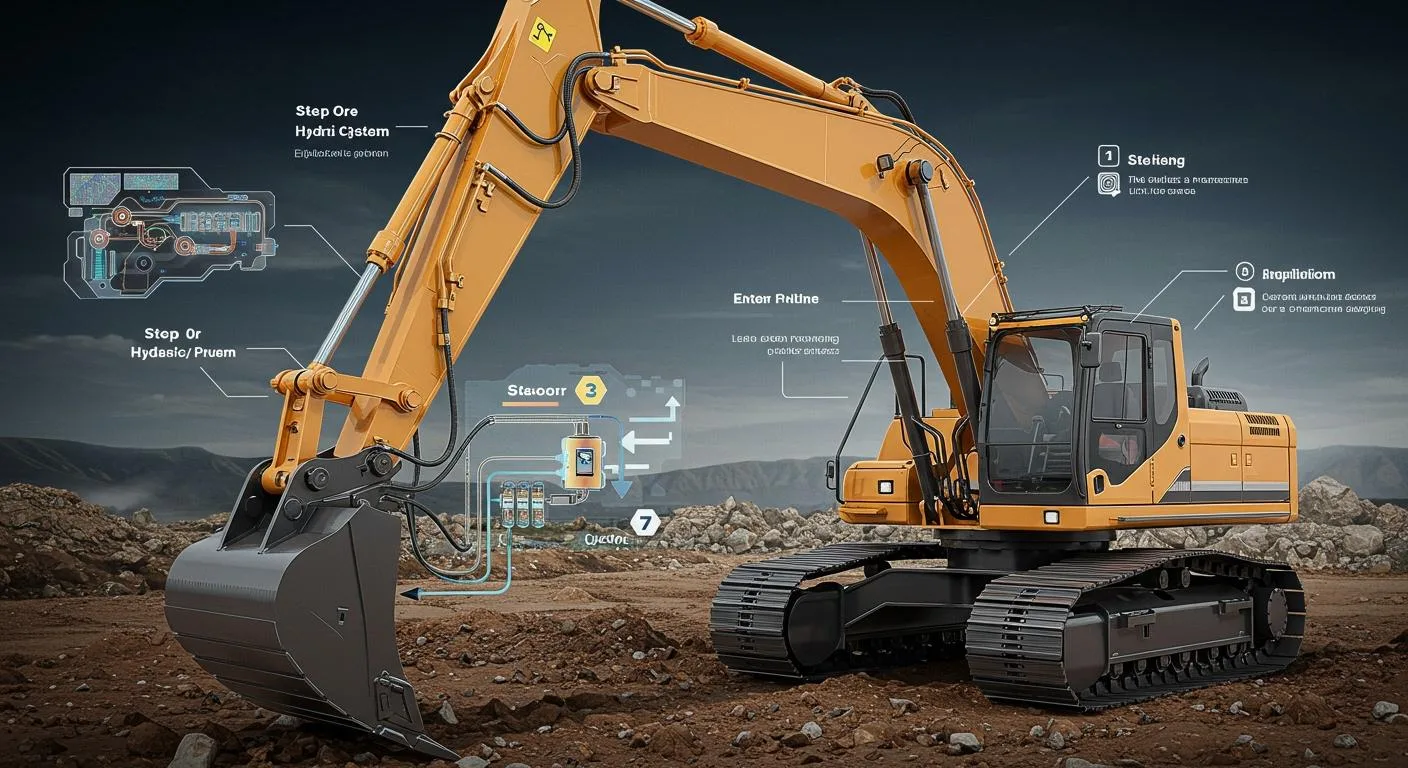
🏗️ Heavy Construction
Excavators and cranes with spiral hose. Skiving is required for 6SP fittings to achieve full crimp contact.
How to Choose a Hose Skiving Machine
Do you work with 4SP/6SP/R12/R13? Yes = you need a skiving machine.
Internal skiving required? → S50 (both internal + external)
Only external? → SH50 (simpler, cheaper)
Volume? <10/day → SH50 | 10+/day → S50
Related Guides
Hydraulic Hose Assembly Step by Step
Cut → deburr → skive (if needed) → insert fitting → crimp → test. The complete workflow.
Read GuideSkive vs No-Skive: What You Need to Know
When skiving is required, when you can skip it, and how it affects crimp quality and safety.
Read GuideAlso see: Hose Cutting Machine Hub | Electric Hydraulic Crimper Hub
Frequently Asked Questions
Is skiving always necessary?
No. It’s required for skive-type ferrules and recommended for high-pressure (4SP+) assemblies. No-skive fittings skip this step.
What’s the difference between SH50 and S50?
SH50 = external skiving only. S50 = external + internal skiving capability.
How long does skiving take?
10–15 seconds per hose end with a powered machine. Manual knife skiving takes 2–5 minutes.
Can I skive by hand?
You can, but it’s slow, inconsistent, and risks cutting the wire reinforcement. A powered machine is strongly recommended for any volume.
Does skiving weaken the hose?
No — it only removes the outer rubber layer, not the wire. The wire reinforcement carries the pressure load. Exposed wire actually grips the ferrule better.
High-Pressure Hose Assemblies Need Skiving
TRC SH50 and S50 skiving machines. 10-second skiving, 15–30% stronger crimps. The professional’s choice.
Contact Us for Pricing →