
About TRC | Manufacturer audit
TRC Hydraulic Hose Equipment Manufacturer and Factory Team
TRC is a hydraulic hose equipment manufacturer serving distributors, hose workshops, mobile service teams and industrial users. This page shows how an overseas project moves from application review through factory production, inspection coordination and international delivery, and which records a buyer can request.
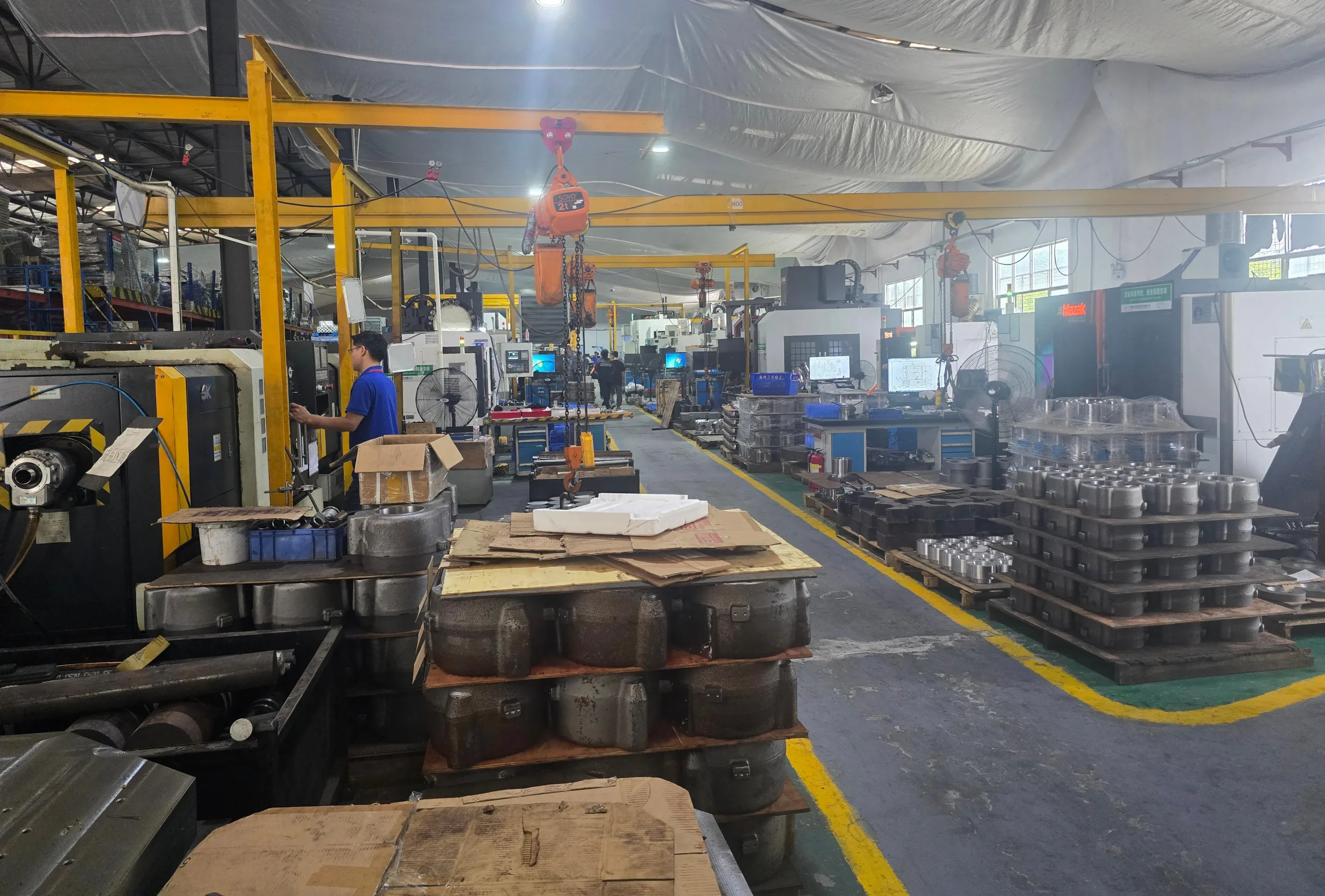
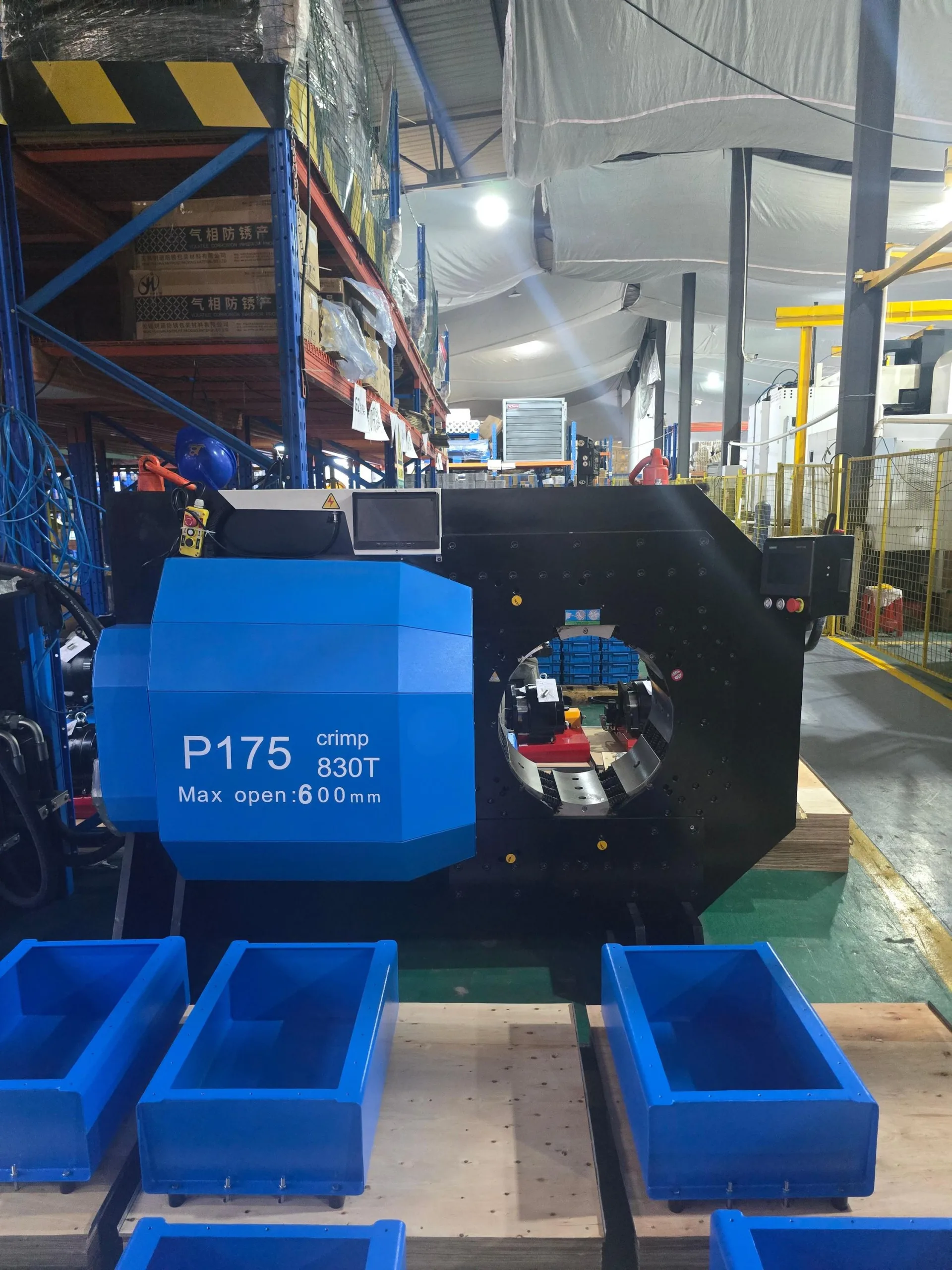
Factory production | Overseas project team
One Manufacturing and Export Responsibility Chain
TRC manufactures hydraulic hose equipment in a 5,000 m2 production facility and manages overseas customer communication, application and configuration confirmation, production follow-up, inspection coordination, export documentation and international delivery.
When comparing hydraulic hose equipment manufacturers, verify who confirms the application, how production and inspection are controlled, and which evidence can be tied to the quoted machine. TRC gives overseas buyers one accountable project interface from technical review through factory production and support handoff.
Manufacturing responsibility
Component processing, machine assembly, adjustment, applicable production checks and packing preparation.
International project responsibility
Requirements, configuration, production follow-up, inspection records, export documents, delivery and after-sales routing.
Inside the production route
From Requirement Review to Handover
A useful factory audit follows the order record through the process. It does not stop at a workshop photograph.
Review
Record hose, fitting, workload, power, destination and special requirements.
Configure
Confirm machine, die family, voltage, controls, options and documentation.
Build
Process components, assemble the confirmed configuration and adjust the machine.
Inspect
Apply the checks that belong to the selected model and order scope.
Handover
Check accessories, records, packing and the agreed international delivery route.
Manufacturing scope
Equipment for the Complete Hose-Assembly Workflow
TRC organizes its equipment range around the work before, during and after crimping. Crimping, preparation and process-control equipment can be coordinated with configuration records, export documents and lifecycle support for an overseas project. Each model still needs to be checked against the real workpiece and site conditions.
Manual & Pneumatic
Lower-frequency work and locations where standard mains power is not the preferred route.
Electric Workshop
Fixed-location assembly where regular use, controls and die handling matter.
Mobile & Battery
Field-service paths selected around vehicle power, footprint and actual workload.
Vertical & Heavy-Duty
Specific loading access or larger ferrules, subject to verified tooling and capacity.
Cutting & Skiving
Hose preparation based on construction, fitting system, blade route and process need.
Clean, Test & Accessories
Supporting operations and fitting-production equipment configured to the project procedure.
QC and lifecycle handoff
Turn “Quality Control” Into a Reviewable Record
The documented three-stage process covers pressure testing, dimensional inspection and crimp-cycle testing. A buyer should ask which checks apply to the quoted machine, what record will be supplied and how exceptions are handled.
Pressure Test
Check the machine hydraulic system and the functions applicable to the configuration.
Dimensional Inspection
Check applicable manufacturing and assembly dimensions against the production record.
Crimp-Cycle Test
Check repeated machine movement before the equipment enters its handover route.
Lifecycle support is routed by model and order record: installation conditions, training material, maintenance points, included spares and fault evidence are confirmed for the project.
OEM / ODM collaboration
Customization Starts With a Controlled Requirement
Cosmetic changes are only one part of customization. Tooling, controls, voltage, safety and performance changes need a clear engineering and validation route.
Define
Workpiece, range, output, environment and acceptance method.
Confirm
Base model, tooling, voltage, controls, language and options.
Validate
Identify samples, tests, records and changes that need approval.
Produce
Follow the agreed configuration and project checkpoints.
Deliver
Close documents, accessories, packing and support handoff.
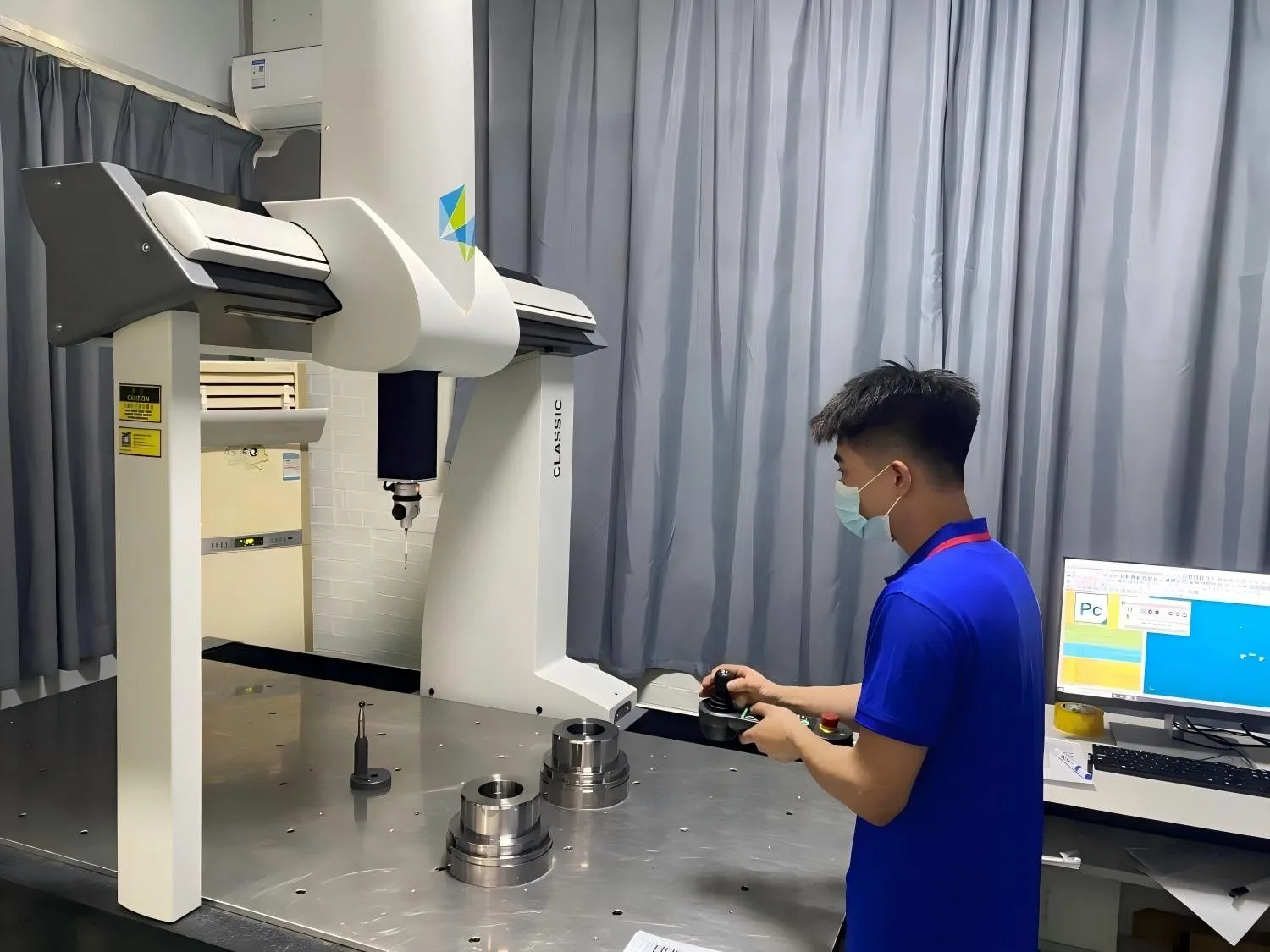
Original evidence
Production and Inspection Evidence With Clear Context
Each image is tied to what can actually be seen. A factory image never replaces the inspection record for a named order.
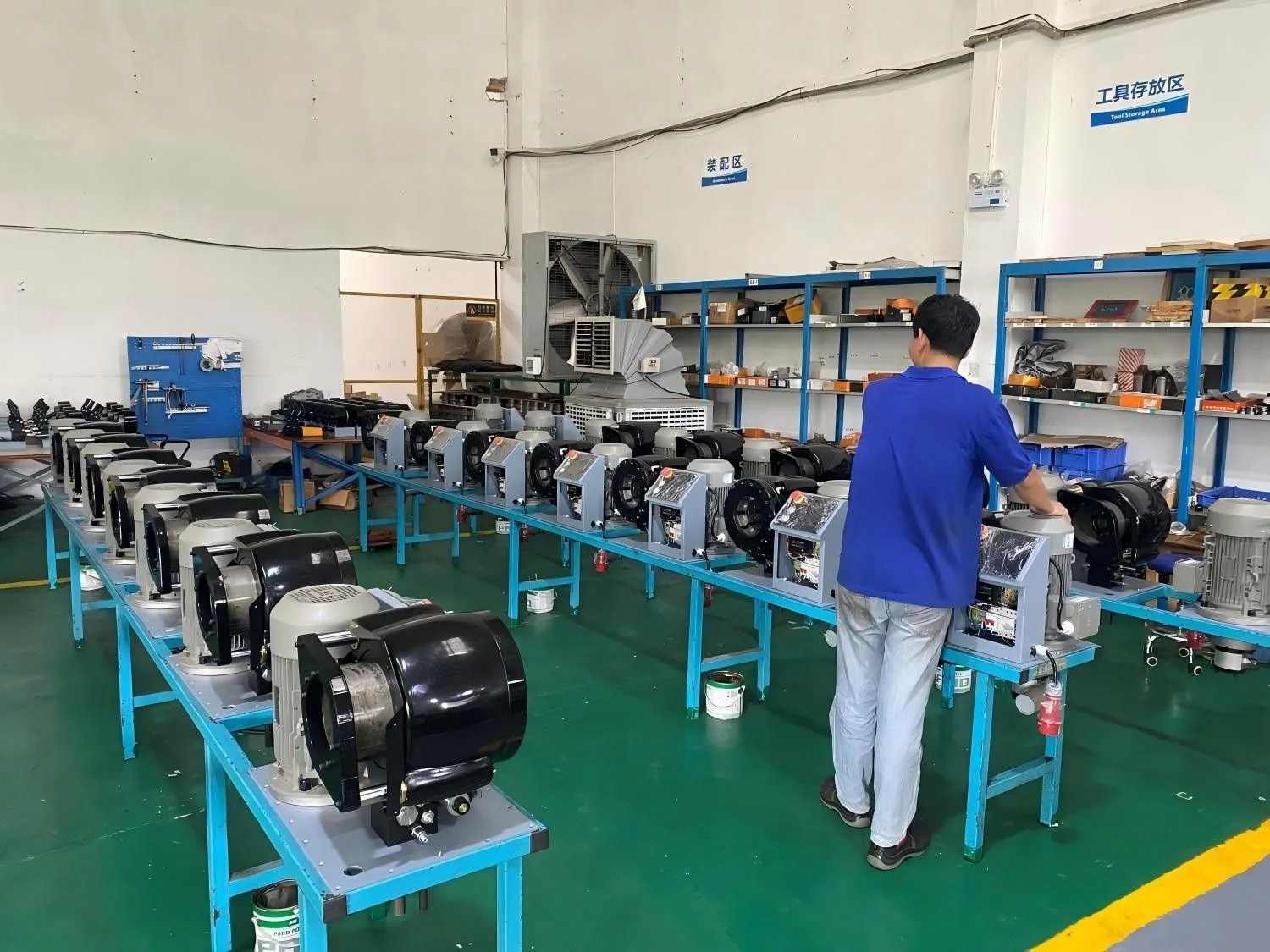
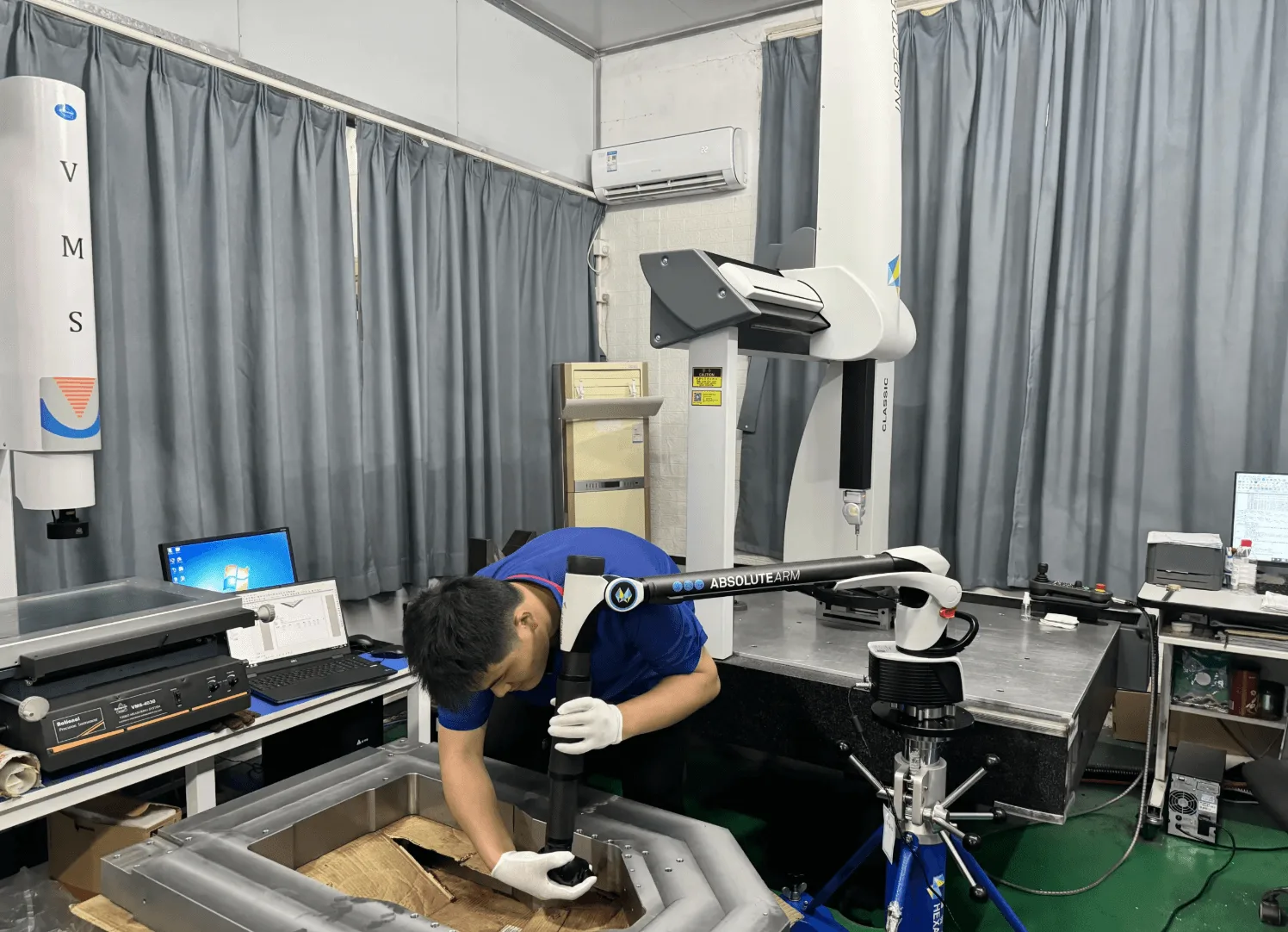
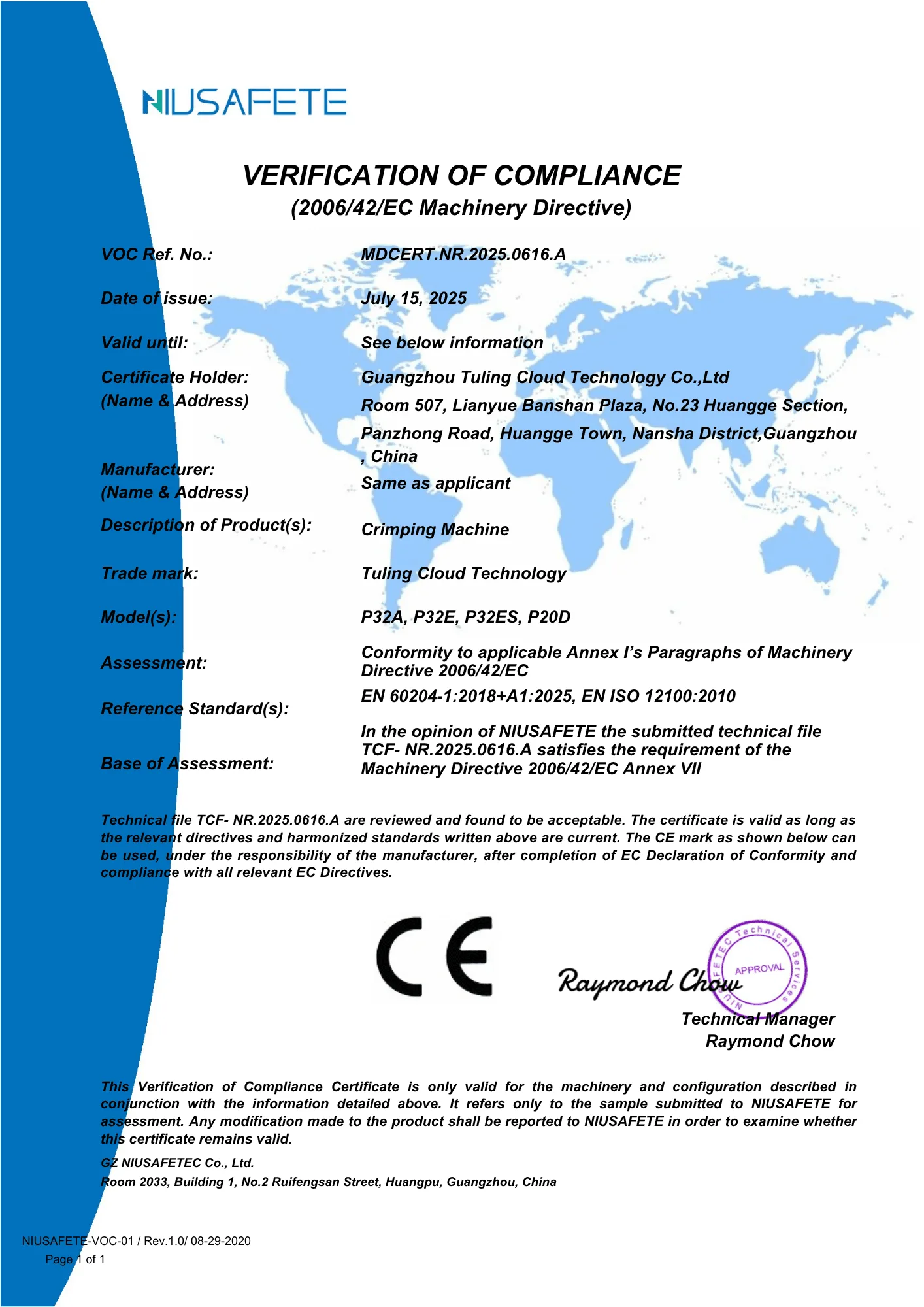
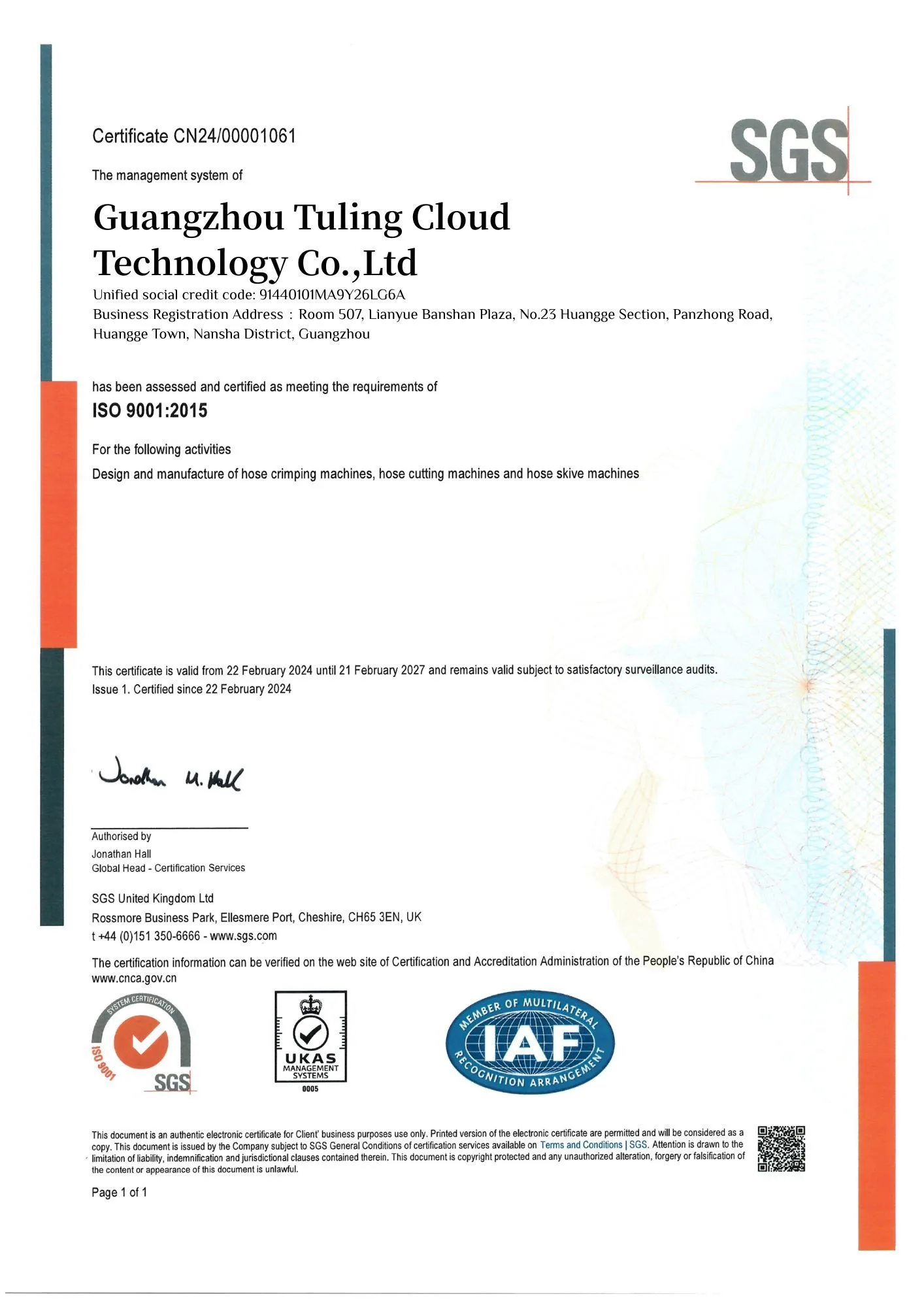
Certificate and audit records
Check the Document, Model and Scope
Certificate relevance depends on the exact machine and destination requirement. Ask for the applicable current record instead of relying on a logo.

Who handles what
Four Interfaces Across the Project
Each stage has a defined owner, from the first commercial discussion through technical review, production and after-sales support.
Commercial Coordination
Collects application and commercial requirements and keeps the quotation scope clear.
Application Review
Checks machine range, tooling, power and configuration against submitted data.
Production & QC
Builds and checks the confirmed configuration through TRC’s manufacturing process.
After-Sales Routing
Uses the model, serial/order record and fault evidence to route support.
International delivery support
Prepare the Machine for Its Actual Destination
Before shipment, confirm voltage, frequency and phase, plug or wiring requirements, language, manuals, die and accessory lists, packing, shipping terms and installation responsibility. More than 50-country coverage is useful context, but every project still needs its own destination check.
Configuration record
Model, voltage, controls, die series, included tooling, workpiece range and special options.
Handover record
Applicable checks, documents, accessories, packing, installation route and support contacts.
Resources for supplier review
Check the Application and Quotation Before Approving a Supplier
Factory evidence answers who builds and checks the equipment. These technical routes help verify whether the proposed machine, tooling and commercial scope fit the work you actually need to do.
How to Choose a Hydraulic Hose Crimper
Define the assembly, work location, output, power and loading-space requirements before comparing suppliers.
Use the selection guide →Quotation auditHydraulic Hose Crimper for Sale
Check the model, dies, voltage, options, evidence, exclusions and delivery basis in a configured quotation.
Review quotation scope →Technical evidenceHydraulic Hose Crimping Resources
Continue to buying, configuration, comparison, used-machine inspection and system-validation guidance.
Browse all resources →Manufacturer audit FAQ
Questions Buyers Ask Before Approving a Supplier
Are Chinese crimpers such as the P32 worth considering against Parker, Gates or Eaton?
Compare the real assembly range, component system, die and crimp-data access, support, inspection evidence and landed configuration – not the country label. Run representative assemblies before treating any brand as suitable for a mine, farm or workshop.
What should be confirmed before a crimping machine enters production?
Confirm hose and fitting data, machine model, die series, electrical or pneumatic supply, controls, language, accessories, acceptance checks, packing and destination requirements in the order record.
Does TRC support OEM or ODM equipment?
Yes. Scope depends on the base model, engineering change, quantity and validation requirement. Changes affecting safety, tooling or performance require technical confirmation.
Which certifications does TRC have?
The company record lists CE, SGS and a combined UL and ISO record. Request the applicable document and check its product, model and destination-market scope before using it for a compliance decision.
Can I use my existing dies on a TRC machine?
Do not assume compatibility from the die number or appearance. Send the machine model, mounting geometry, segment count, die dimensions and intended hose and fitting system so the tooling route can be checked.
What information helps after-sales support diagnose a machine problem?
Send the model and serial or order record, power supply, control settings, die set, hose and fitting combination, target and measured result, photos or video, and the sequence that produced the fault.
Factory audit or project review
Send the Assembly Data and the Records You Need to Verify
Include the workpiece range, fittings, output, utilities, destination and required certificates or inspection evidence. TRC will route the request through technical review, factory production and the applicable inspection process.