Brake Line Crimping Tool & Automotive Hydraulic Hose Solutions
Brake lines. Power steering hoses. Hydraulic lift cylinders. Every one must hold pressure without leaking. A brake line crimping tool is not optional in an auto shop — it is a safety tool.
Why Auto Shops Need a Precision Brake Line Crimping Tool
A brake line crimping tool is the most safety-critical tool in an automotive hydraulic repair shop. Brake lines, power steering hoses, clutch hydraulic lines, and hydraulic lift cylinders all require precise crimping.
Automotive hydraulic systems operate at 500 PSI (power steering) to 3,000+ PSI (brake lines and hydraulic lifts). Sizes are typically ¼″ to ¾″ but precision requirements are higher than industrial applications.
Modern vehicles have more hydraulic systems than ever: power steering, brake assist, active suspension, clutch hydraulic release, and convertible top actuators. Commercial vehicles add hydraulic brakes, dump truck cylinders, and hydraulic tail lifts.
An electric crimper with the right die set delivers consistent, safe crimps in 8–10 seconds — versus 3–5 minutes of manual hand pumping.
3 Automotive Hydraulic Failures That Risk Safety
Brake Line Crimp Failure
A crimped brake line fitting separates under heavy braking. Brake fluid loss. Vehicle loses braking on one circuit. Life-safety failure.
Why: Brake lines see pressure spikes to 2,000 PSI during panic stops. A loose fitting works loose under repeated cycling. A too-tight crimp crushes the inner tube.
Power Steering Hose Leak
A power steering hose develops a slow leak at the crimp fitting. Fluid drips onto the exhaust manifold. Customer brings the vehicle back.
Why: Continuous 500–1,500 PSI operation with engine vibration. A crimp slightly out of tolerance will weep within months. Comeback repairs cost time and reputation.
Hydraulic Lift Cylinder Hose Burst
A hydraulic lift cylinder hose on a dump truck bursts. The bed drops unexpectedly. Load spills. Potential for injury or property damage.
Why: 2,000–3,000 PSI with ¾″ to 1″ R2 hoses. Road vibration fatigues the crimp connection. Must be crimped with proper tooling.
Choosing the Right Brake Line Crimping Tool
P32A — Electric Workshop Crimper
Best for: Compact electric for auto shops. 80T handles every automotive hose. Semi-automatic 8–10 second cycle. Fits on a workbench.
View Model →P16HP — Manual Crimper
Best for: For mobile auto repair or backup. Hand-pump, no electricity. 95T covers every automotive hose. Fits in a service van.
View Model →VT-62 — Vertical Crimper
Best for: For angled fittings. Vertical head loads from the side — handles 90° brake line and power steering fittings.
View Model →🔧 Brake Line Repair — 3 Steps, 10 Minutes
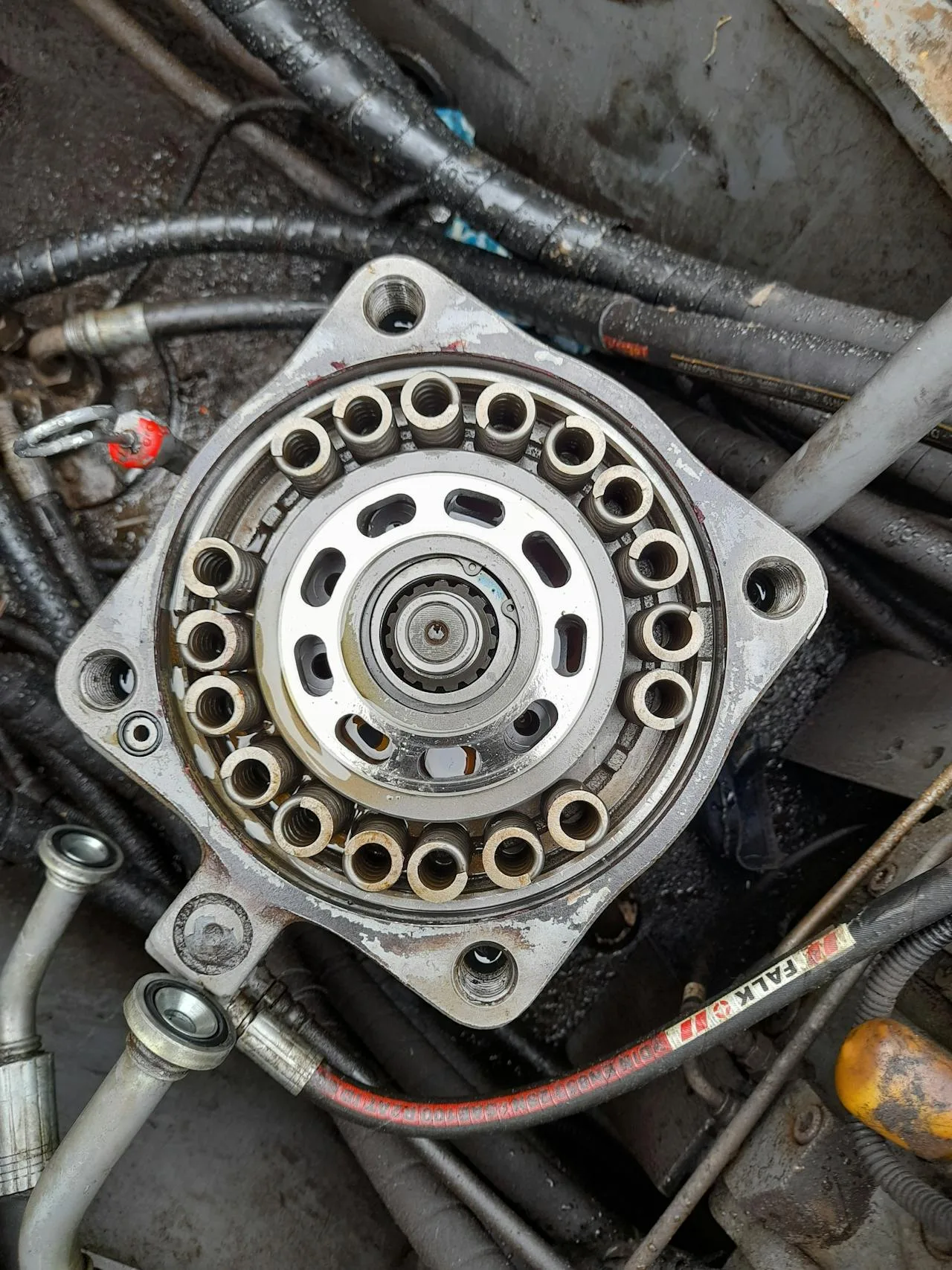
A 2019 Ford F-250 with a leaking rear brake line. The steel line has corroded at the rear axle junction. Shop needs to fabricate a replacement hose assembly with crimped fittings on both ends.
Remove corroded steel line. Measure: 850mm. Select ¼″ hose and two straight JIC fittings.
Cut hose to length. Skive both ends. Insert fittings and position ferrules.
Load into P32A. Select ¼″ profile. Crimp fitting #1: 8 seconds.
Crimp fitting #2: 8 seconds.
Pressure test to 3,000 PSI. No leaks.
9:12 — New brake line installed. Total shop time: 12 minutes.
4 Reasons Auto Shops Choose TRC
Precision for Safety-Critical Brake Lines
Brake lines cannot leak. TRC electric crimpers deliver ±0.03mm accuracy — the tightest tolerance in the industry.
Compact — Fits on a Workbench
P32A weighs 58 kg. Fits on a standard workbench. No dedicated floor stand needed.
Fast — 8 Second Crimps
Manual crimping takes 3–5 minutes of hand pumping. P32A does it in 8 seconds. 10+ brake lines/day saves 30 minutes of labor.
Covers Every Automotive Hose
From ¼″ brake lines to 1″ dump truck lift cylinders. One crimper, one set of dies.
Brake Line Crimping Tool FAQ
Can I crimp brake lines with a hydraulic hose crimper?
Yes, with the correct die set. Brake lines use ¼″ hose with JIC or bubble flare fittings. TRC has dies specifically for ¼″ brake line assemblies.
What accuracy do I need for brake line crimping?
±0.03mm. Must seal at 2,000+ PSI without crushing the inner tube. TRC electric crimpers deliver this consistently.
What hose sizes for auto repair?
Most repairs use ¼″ to ¾″. Brake lines: ¼″. Power steering: ½″. Commercial lifts: ¾″–1″. A ¼″–1″ range covers everything.
Is a vertical crimper necessary?
Helpful but not required. Many brake line and power steering fittings are 90° elbows. VT-62 makes these much easier.
Get an Automotive Hose Crimper Quote
Brake lines cannot leak. TRC precision crimpers deliver safe, repeatable automotive hydraulic assemblies in 8 seconds.