Portable Hydraulic Hose Crimper
Clip to any 12V/24V vehicle battery and crimp on-site. 80 to 200 ton of force in a 18–28 kg package — the field service professional’s essential tool.
Why 300+ Distributors Trust TRC
ISO-certified hydraulic crimping machine manufacturer since 2021
5+
Years Manufacturing
Since 2021, hydraulic specialists
300+
Global Customers
Distributors & OEM partners
72
Product Models
9 series, full coverage
100%
Quality Inspected
Every unit tested before shipping
How a Portable Hydraulic Crimper Works
Every portable hydraulic hose crimper operates on the same fundamental principle: Pascal’s Law. When you apply force to a confined fluid, that pressure transmits equally in all directions. In a portable crimper, a small electric motor drives a hydraulic pump, which pressurizes hydraulic oil inside a sealed cylinder. That pressure pushes a piston forward with enormous multiplying force — a 2.2 kW motor can generate 200 tons of crimping force through hydraulic amplification.
The pressure multiplication ratio is key. A typical portable pump has a bore area ratio of roughly 400:1 between the pump piston and the crimping cylinder. This means 500 PSI of pump pressure becomes 200,000 PSI at the die surface — enough to permanently deform steel ferrules around hydraulic hoses in seconds. The process creates a cold-weld bond between the ferrule and the hose’s inner reinforcement layers (wire braid or spiral), forming a permanent, leak-proof connection rated to the hose’s full working pressure.
Clip the power leads to the vehicle’s 12V or 24V battery terminals. Ensure solid metal-to-metal contact — corroded terminals reduce voltage and slow the crimp cycle. Some operators install a dedicated auxiliary battery post for consistent connections.
Choose the die set matching your hose size and fitting type (SAE, DIN, JIC, or ORFS). Insert dies into the crimper head and verify they seat fully. Using the wrong die is the #1 cause of crimp failures — always cross-reference the manufacturer’s die chart before crimping.
Place the hose assembly into the die cavity with the ferrule centered. The ferrule should be flush against the die faces. Check that the hose is pushed fully onto the fitting stem — a partially inserted hose will crimp crooked and fail under pressure.
The DC motor engages and drives the hydraulic pump from battery power. Hydraulic fluid pressurizes the cylinder. The piston begins advancing the die ring inward at a controlled rate — typically taking 8–12 seconds to reach full compression.
The dies compress the ferrule radially inward to the target diameter. Under 80–200 tons of force, the steel ferrule deforms plastically and squeezes into the hose’s wire braid or spiral layers. This creates a mechanical lock (cold-weld) that holds to the hose’s rated burst pressure. The auto-stop sensor halts compression at the preset pressure.
The piston retracts automatically. Remove the finished assembly and measure the crimped diameter with a caliper to verify it falls within the specification tolerance (typically ±0.1 mm for standard, ±0.02 mm for CNC models). Move to the next hose.
Key Parameters — 3 Representative Models
| Parameter | P18CS | P20CS | P32CS |
|---|---|---|---|
| Max Force | 80 ton | 137 ton | 200 ton |
| Hose Range | up to ¾” 4SP | up to 1½” 4SP | up to 2″ 4SP |
| Hose Types | 1SN, 2SN, 1SC, R6 | 1SN–4SH, R1–R15 | 1SN–4SH, R1–R17 |
| Battery | 12V/24V | 12V/24V | 12V/24V |
| Weight | 18 kg | 22 kg | 28 kg |
| Motor | 2.2 kW | 2.2 kW | 2.2 kW |
| Cycle Time | 8–10 sec | 8–12 sec | 10–15 sec |
| Crimps/Charge | 60–100 | 50–80 | 30–50 |
| Production Rate | 4–6/hr | 3–5/hr | 2–4/hr |
| Config | One-piece | One-piece / Split | One-piece / Split |
Battery-Powered Crimping: Lithium Technology Meets Field Repair
The shift from corded electric to lithium-ion battery-powered crimpers changed the mobile hose repair game. A modern 18V or 20V lithium pack delivers enough hydraulic pressure for a full 10-ton crimp cycle in under 8 seconds — and you can get 50–80 crimps per charge on a 4.0Ah battery. That’s a full day of field work without hunting for an outlet.
Mobile service trucks typically carry a portable crimper, a hose reel, and a die set covering sizes 6 through 31. The setup fits in a single truck drawer. When a piece of heavy equipment goes down on a construction site — a skid-steer loader with a blown steering hose, or a tractor with a ripped loader line — the field tech drives out, cuts a new hose from the reel, crimps both ends, and has the machine back online in under 15 minutes.
The key advantage of battery-powered portables over pneumatic or manual alternatives is consistency. A manual crimper depends entirely on the operator’s arm strength and technique — the last crimp of the day will not match the first. A battery-powered unit delivers identical force on every cycle, whether it’s the first or the fiftieth. This consistency is what makes portable battery crimpers suitable for safety-critical applications where crimp quality must meet SAE J517 or ISO 1436 standards.
Cost analysis for mobile hose service businesses: a P20CS portable crimper costs approximately $2,000–3,000. With an average service call fee of $200 and 5 calls per day, the machine pays for itself in 2–3 business days. Even factoring in consumables (hose, fittings, hydraulic oil), the profit margin on mobile hose repair exceeds 60% — making the portable crimper one of the highest-ROI investments a service business can make.
“What’s your favorite battery-operated hydraulic crimper?” — r/Hydraulics
The answers in the field are consistent: reliability beats features. Techs want a crimper that fires every time, doesn’t drain the battery halfway through the day, and has dies that are easy to swap one-handed while holding a hose. Weight matters too — you’re often working overhead or in awkward positions on mining equipment. The 6–8 kg range is the sweet spot. Anything over 10 kg and you’re fighting the tool, not the hose.
Mining field repair presents unique challenges: dust, vibration, and the constant risk of hydraulic fluid contamination. Portable crimpers used in mining environments need sealed die compartments and easy-to-clean exteriors. The battery contacts must be corrosion-resistant — a small detail that makes the difference between a tool that lasts two years and one that lasts six months underground.
Three Portable Types — Which Fits Your Service Truck?
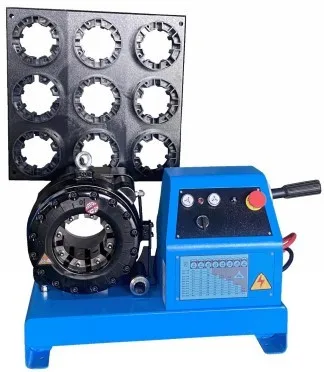
One-Piece — P18CS
Motor + battery + head in one unit. Grab and go. 18 kg. Best for quick service calls on smaller hoses.
The P18CS is the workhorse for light-duty mobile service. It handles roughly 60% of all field service calls — anything up to ¾” 4SP, covering 1SN, 2SN, and R6 hose types commonly found on tractors, small excavators, and utility equipment. At 18 kg, one person can carry it from the truck to the machine without strain. Limitation: Cannot handle 1″+ 4SH or 6-wire spiral hoses — for those you need the P20 series or larger.
80 ton up to ¾” 18 kg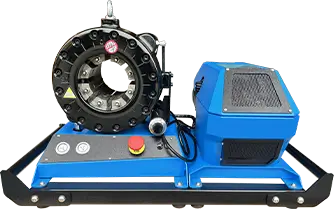
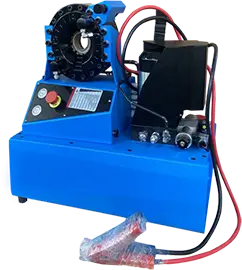
Split-Body — P20CSZ
Pump clips to battery, head is lightweight and reaches tight spaces. Best for overhead work, truck-mounted service.
The split-body design is the field tech’s secret weapon. The hydraulic pump unit clips to the vehicle battery and stays on the ground, while only the lightweight crimper head (8–12 kg) goes where you need it — overhead on a boom lift, underneath an excavator chassis, or inside a confined engine bay. The 137 ton capacity handles 1½” 4SP and everything below, covering 90% of construction and mining equipment. Limitation: The 2-meter hydraulic hose between pump and head can snag on sharp edges — always route it carefully.
137 ton up to 1½” 22 kg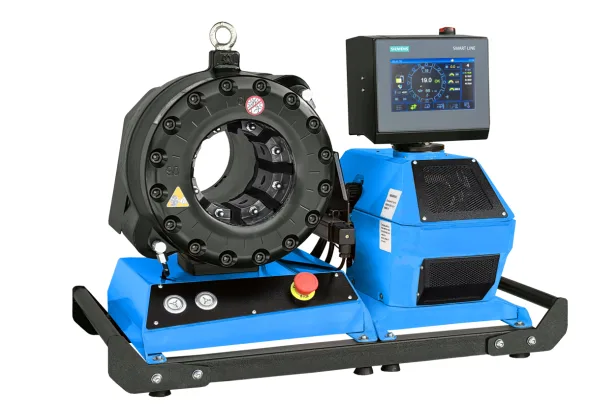
CNC Portable — P32CSD
CNC precision in a portable package. ±0.02 mm accuracy. For field service requiring SAE-certified crimps.
The P32CSD is for operators who need CNC-level precision in the field. It stores crimp programs for different hose/fitting combinations and automatically adjusts compression to hit the exact target diameter every time. This eliminates the operator skill variable — critical for aerospace, military, and high-pressure mining applications where a failed crimp can mean a $50,000 hydraulic system failure. Limitation: At 28 kg, it’s the heaviest portable model. CNC electronics require protection from extreme dust and moisture.
200 ton up to 2″ ±0.02 mmAll 9 models: P18CS, P18XL, P20CS, P20CSZ, P20CSD, P32CS, P32CSZ, P32CSD, C250CS
Field Service Problems — Solved
“I need a crimper I can carry to the equipment”
Portable battery models (P18CS at 18 kg or P20CS at 22 kg) fit in a service truck. Connect to the truck’s battery and crimp on-site.
Source: r/Hydraulics, common field service request
“Battery clips keep slipping off the terminal”
Clean battery terminals. Use spring-loaded clips. Some operators install a dedicated 12V outlet in their service truck for reliable connection.
Source: Field service feedback
“Can I crimp 2″ hose in the field?”
P32CS delivers 200 ton on 12V battery — yes, it handles 2″ 4SP field repairs. For 2″ 6SP, you need a workshop model.
Source: r/Hydraulics
Running out of battery during a service call
A standard truck battery can power 50–100 crimps per charge. For high-volume days, carry a portable jump starter as backup. P18XL can also plug into 110–240V wall power.
Source: Field service experience
Portable vs manual for field service?
Portable battery wins for two reasons: (1) consistent crimp force regardless of operator fatigue, (2) 8–10 sec cycle vs 15 sec manual pumping. Worth the $1,000 premium if you do more than 5 crimps per day in the field.
Source: Mobile hose service operators
“Dies are wearing out and crimps aren’t consistent”
Dies are consumable. After 5,000–10,000 crimps, die surfaces develop wear marks that cause inconsistent compression. Inspect die faces monthly under magnification. Replace dies when you can feel ridges with a fingernail. CNC models (CSD) warn you when die wear exceeds tolerance — another reason to invest in CNC for high-volume operations.
Source: Die manufacturer specifications
“My crimps pass visual inspection but fail pressure testing”
Visual inspection catches only obvious failures (skipped wires, ferrule cracks). A crimp that looks good but fails at pressure usually means the ferrule was under-crimped by 0.1–0.3 mm — invisible to the naked eye. Solution: use a digital caliper to measure every crimp against the specification chart. CNC models automate this check.
Source: SAE J517 hydraulic hose testing standards
Portable vs Workshop Crimper
| Factor | Portable (Battery) | Workshop (Electric) |
|---|---|---|
| Power | Vehicle battery (12V/24V) | 110–380V outlet |
| Weight | 18–28 kg | 85–680 kg |
| Max Force | 200 ton | 830 ton |
| Max Hose | 2″ 4SP | 6″ |
| Hose Types | 1SN, 2SN, 1SC, 4SP, 4SH | All types incl. 6SP, R12–R15 |
| Precision | ±0.1 mm (±0.02 mm CNC) | ±0.02 mm (CNC) |
| Production Rate | 2–6 crimps/hr | 20–60 crimps/hr |
| Portability | Carry to equipment | Fixed workstation |
| Cost | $1,500–5,000 | $2,000–20,000 |
| Best For | Field service, mobile repair | Workshop, production |
Best setup: A workshop electric crimper for daily volume + a portable unit for field calls. Most service businesses need both.
Where Portable Crimpers Earn Their Keep
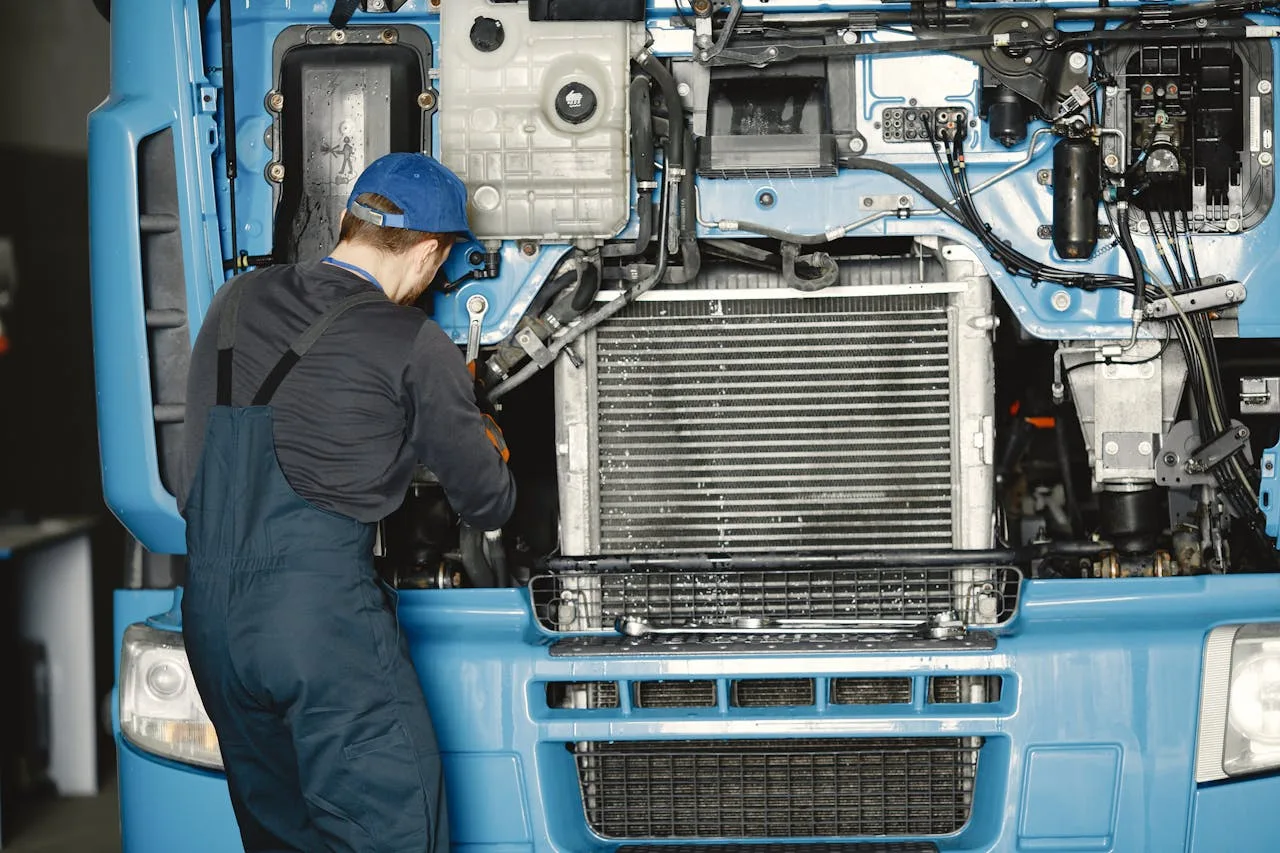
🚛 Mobile Hose Service
Drive to broken equipment, crimp on-site. Typical service call: $150–300. The P20CS pays for itself in the first week.
A typical mobile hose service truck carries a portable crimper (P20CS or P20CSZ), 50 meters of bulk hose in popular sizes (½”, ¾”, 1″), and a die set covering sizes 6 through 24. When the call comes in — a blown hydraulic line on a backhoe at a construction site — the operator arrives, measures the failed hose, cuts a replacement from bulk stock, crimps both ends, installs it, and tests the system. Total time on-site: 20–40 minutes. With an average of 5–8 calls per day at $150–300 per service, a single operator generates $750–2,400 in daily revenue.
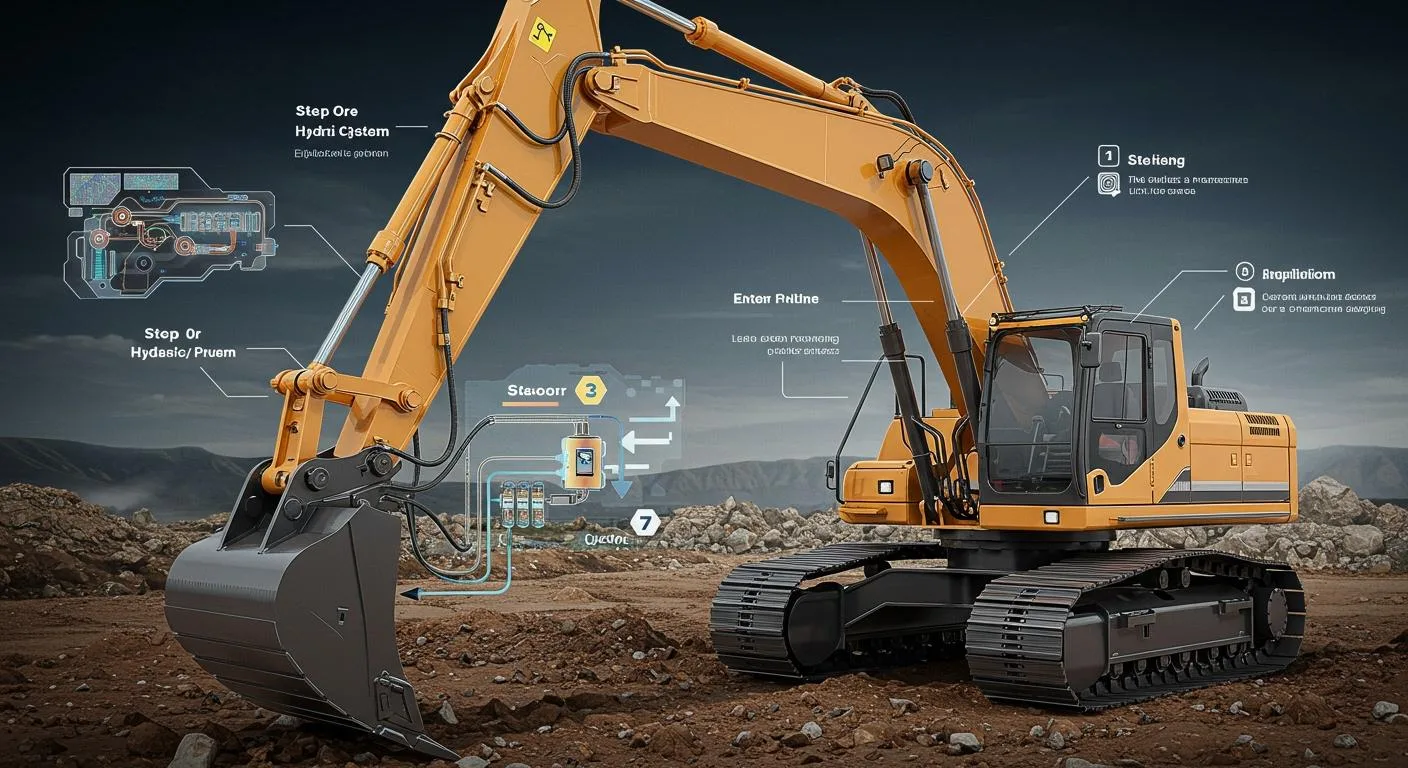
🏗️ Construction Site
Excavator down → service truck arrives → crimp new hose → back online in 30 minutes. Downtime costs $500–2,000/hour.
On a large construction site, a single excavator or crane breakdown can idle an entire crew of 10–20 workers plus support vehicles. At labor rates of $50–80/hour per worker, downtime costs escalate to $1,000–2,000/hour. A portable crimper on a dedicated service truck can respond within 30 minutes and have the machine back online before the crew loses a full shift. Many large contractors now keep a portable crimper permanently on-site rather than waiting for external service — the ROI is measured in weeks, not months.
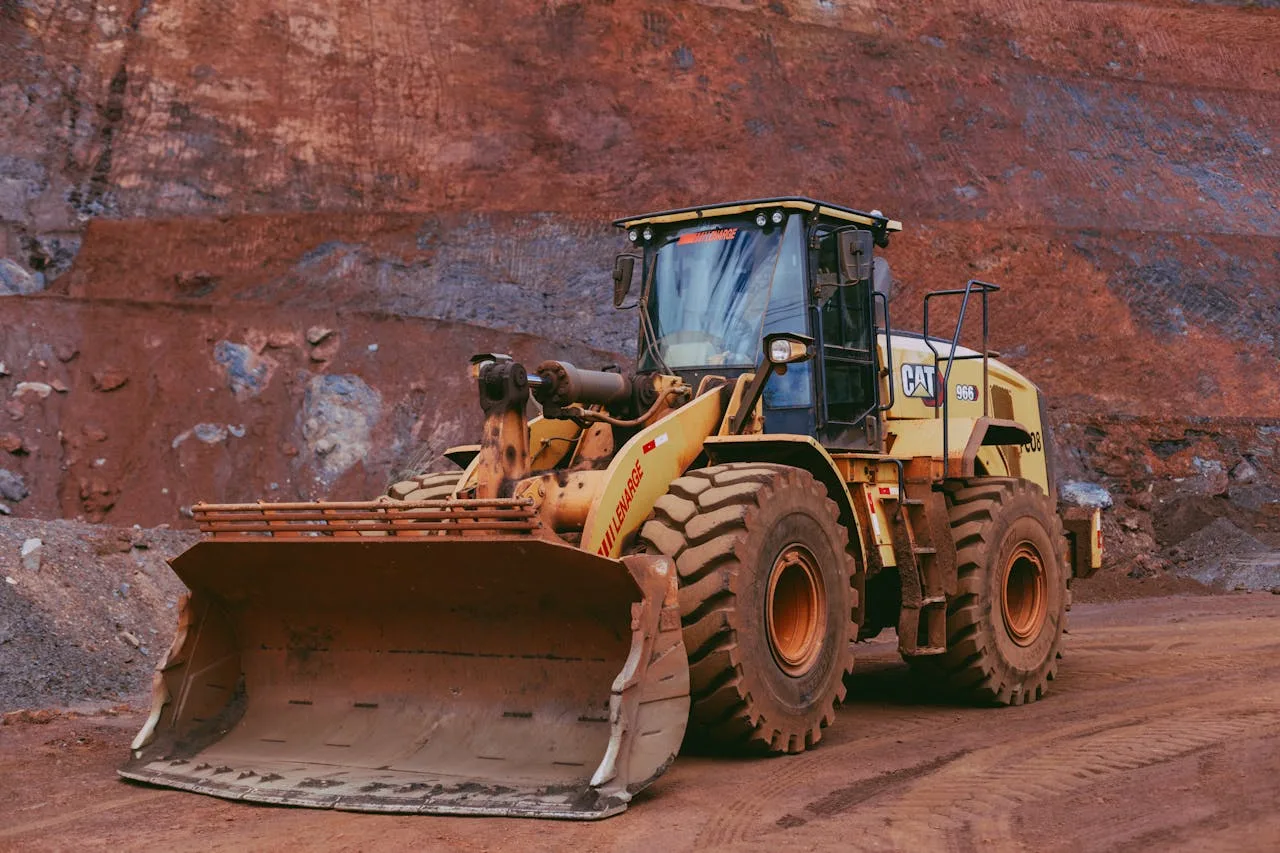
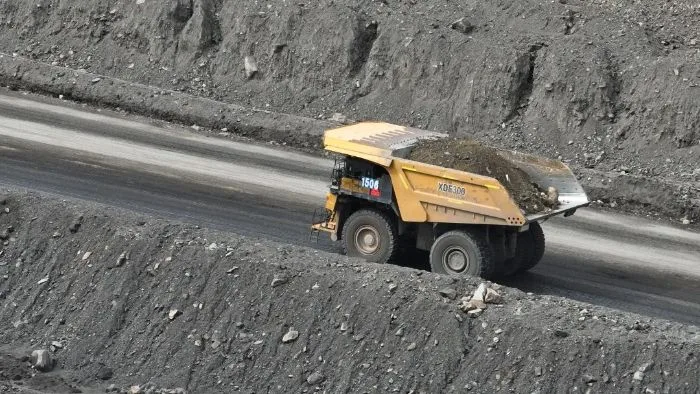
🏔️ Remote Mining
No wall power available. Equipment battery powers the crimper. 200 ton force handles mine-site hydraulics.
Mining operations run 24/7 in locations where the nearest power outlet might be kilometers away. Underground mining poses additional challenges: confined spaces, dust, vibration, and strict safety requirements. The split-body P20CSZ is the preferred choice underground — the pump stays on the utility vehicle while the head is carried to the face. For surface mining with larger equipment (haul trucks, hydraulic shovels with 2″+ hydraulic lines), the P32CSD provides the necessary 200-ton capacity with CNC precision to ensure every crimp meets SAE safety standards.
🚜 Farm Equipment
Harvester breakdown during harvest → field repair saves the crop. Every hour of downtime costs $1,000+ in lost yield.
During harvest season, a combine harvester or tractor breakdown is a race against weather and crop quality. Every hour of downtime can mean thousands of dollars in lost yield. Most farm hydraulic systems use ½” to 1″ hoses (2SN and 1SC types) — well within the range of the P18CS or P20CS. Many large farming operations now keep a portable crimper in the shop alongside bulk hose and common fittings, enabling same-hour repairs without waiting for a dealer service call that might take 1–3 days during peak season.
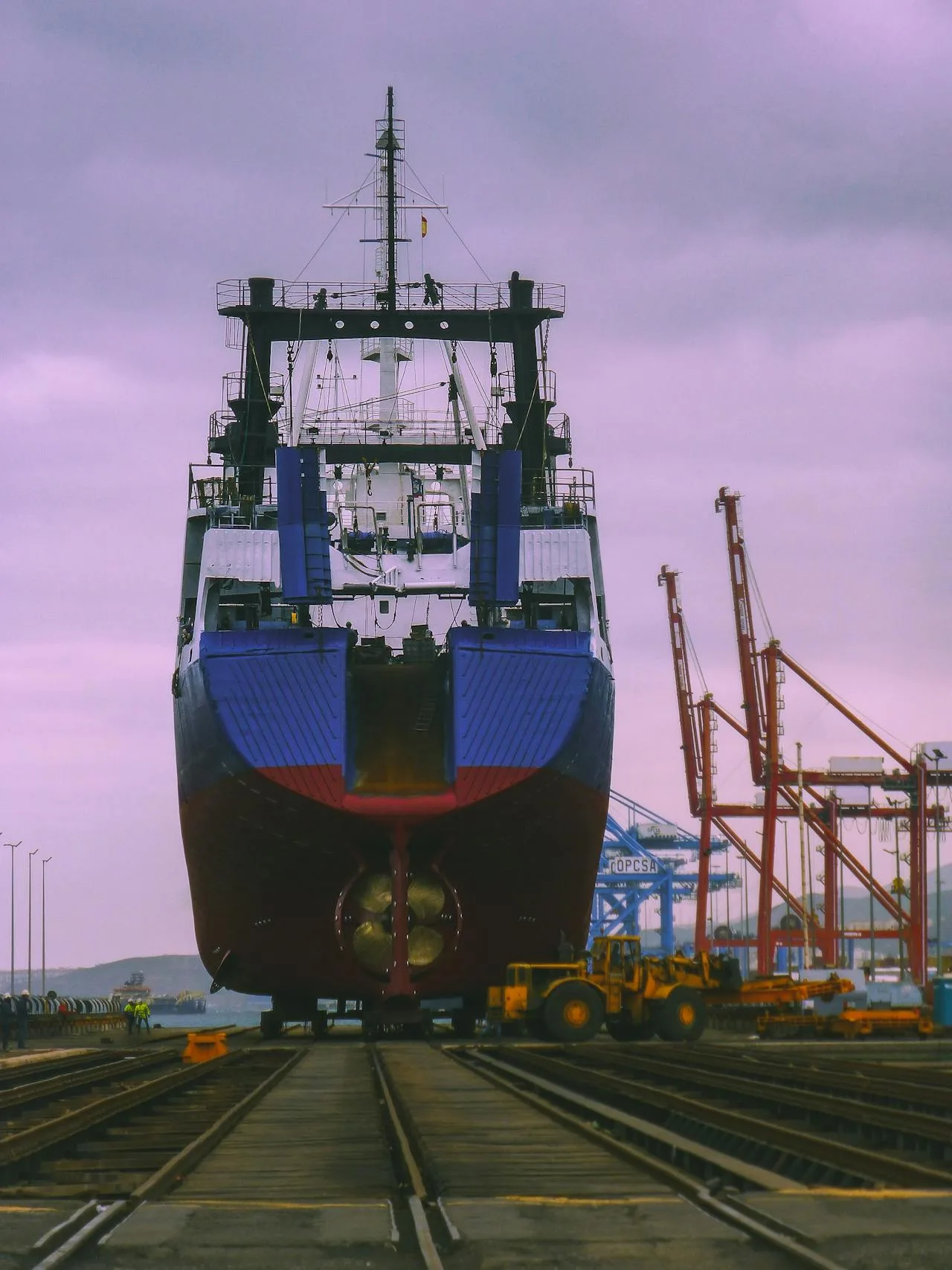
🚢 Ship & Marine
Dockside or at-sea emergency hydraulic repair. Battery power works anywhere on the vessel.
Marine hydraulic systems control steering, winches, cargo handling, and deck equipment. A hydraulic failure at sea is a safety emergency. Portable crimpers with battery power can operate anywhere on a vessel — engine room, deck, or cargo hold — without depending on ship’s power. The saltwater environment demands corrosion-resistant construction and regular cleaning of die surfaces. Many marine operators standardize on CNC models (P32CSD) for the added precision assurance on critical steering systems.
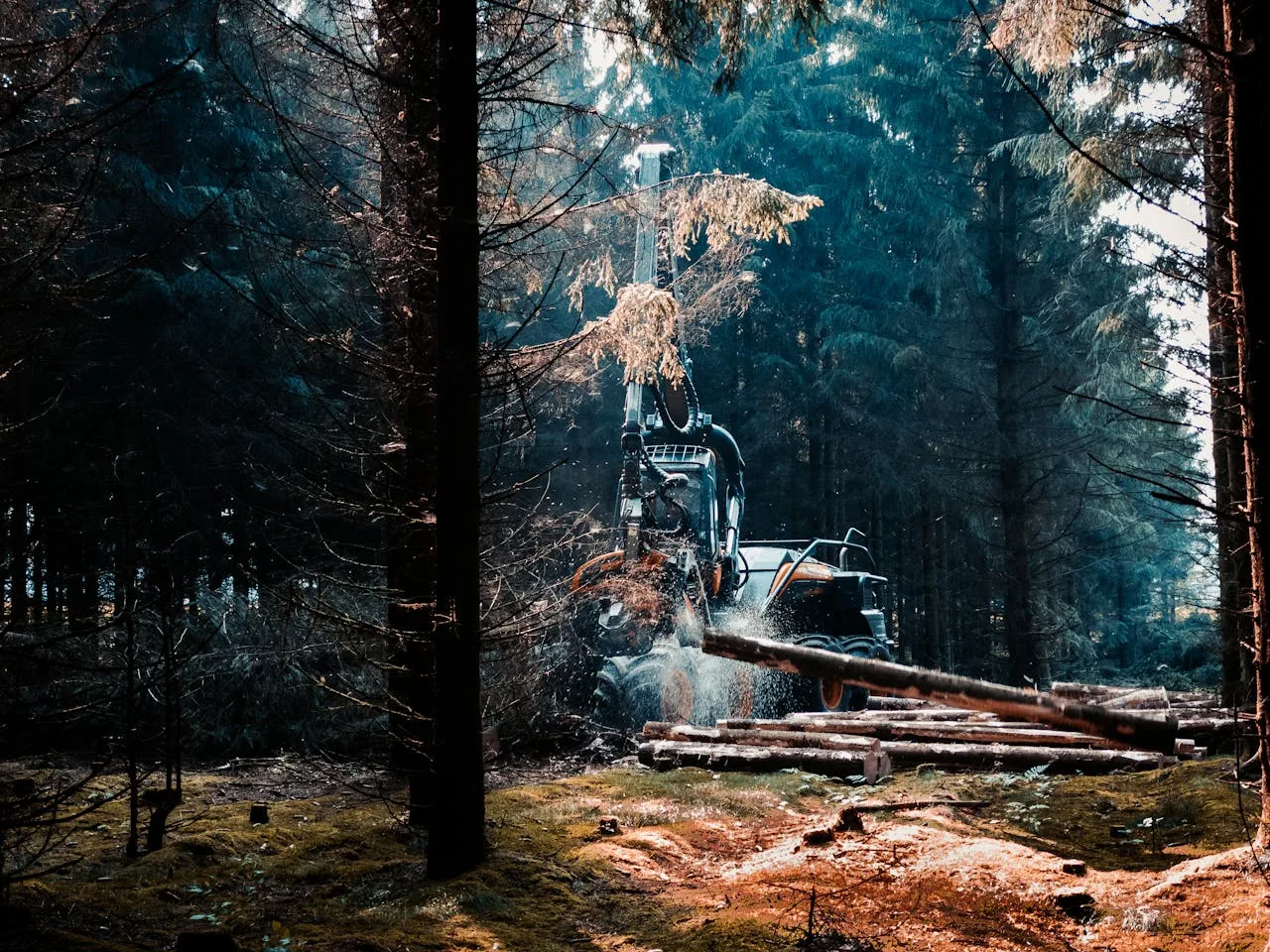
🌲 Forestry
Logging equipment in remote areas. Split-body head reaches into tight feller-buncher hydraulic bays.
Forestry equipment — feller-bunchers, harvesters, forwarders, and skidders — operates deep in forests far from any workshop. These machines run complex hydraulic systems with 15–30 hose assemblies each. When a high-pressure line fails, the machine is dead until repaired. The split-body P20CSZ is ideal for forestry because its lightweight head can reach into the densely packed hydraulic compartments of a feller-buncher where a one-piece unit simply won’t fit. A prepared logging crew carries a crimper, bulk hose, and fittings — turning a 4-hour shutdown into a 20-minute repair.
How to Choose Your Portable Crimper
| Your Situation | Recommended Model | Why |
|---|---|---|
| Starting a mobile hose service | P18CS | Lowest entry cost, covers 60% of service calls (≤¾”) |
| Construction & mining field repair | P20CSZ | Split-body for tight spaces, 137 ton handles most equipment |
| High-pressure / safety-critical | P32CSD | CNC ±0.02 mm, 200 ton, stores crimp programs |
| Overhead / confined space work | Any CSZ model | Lightweight head (8–12 kg) separates from pump |
| Also need hose cutting | C250CS | Cut + crimp from same battery system |
| Budget under $2,000 | P18CS | Entry-level portable, proven reliability |
Work in tight spaces? → Split-body (CSZ) — head separates from pump for overhead and confined access
Need CNC precision? → P32CSD delivers ±0.02 mm in the field
Also need cutting? → C250CS combo unit — cut and crimp from the same battery
Budget? P18CS ($1,500 entry) → P32CSD ($5,000 CNC portable). Most operators start with P20CS.
From Raw Material to Your Doorstep
Full in-house production — every step controlled, every unit inspected

Start from Raw Material
We machine every crimper body, die set, and hydraulic component from raw steel in-house. No outsourcing, no assembly from parts — full control from billet to finished product.
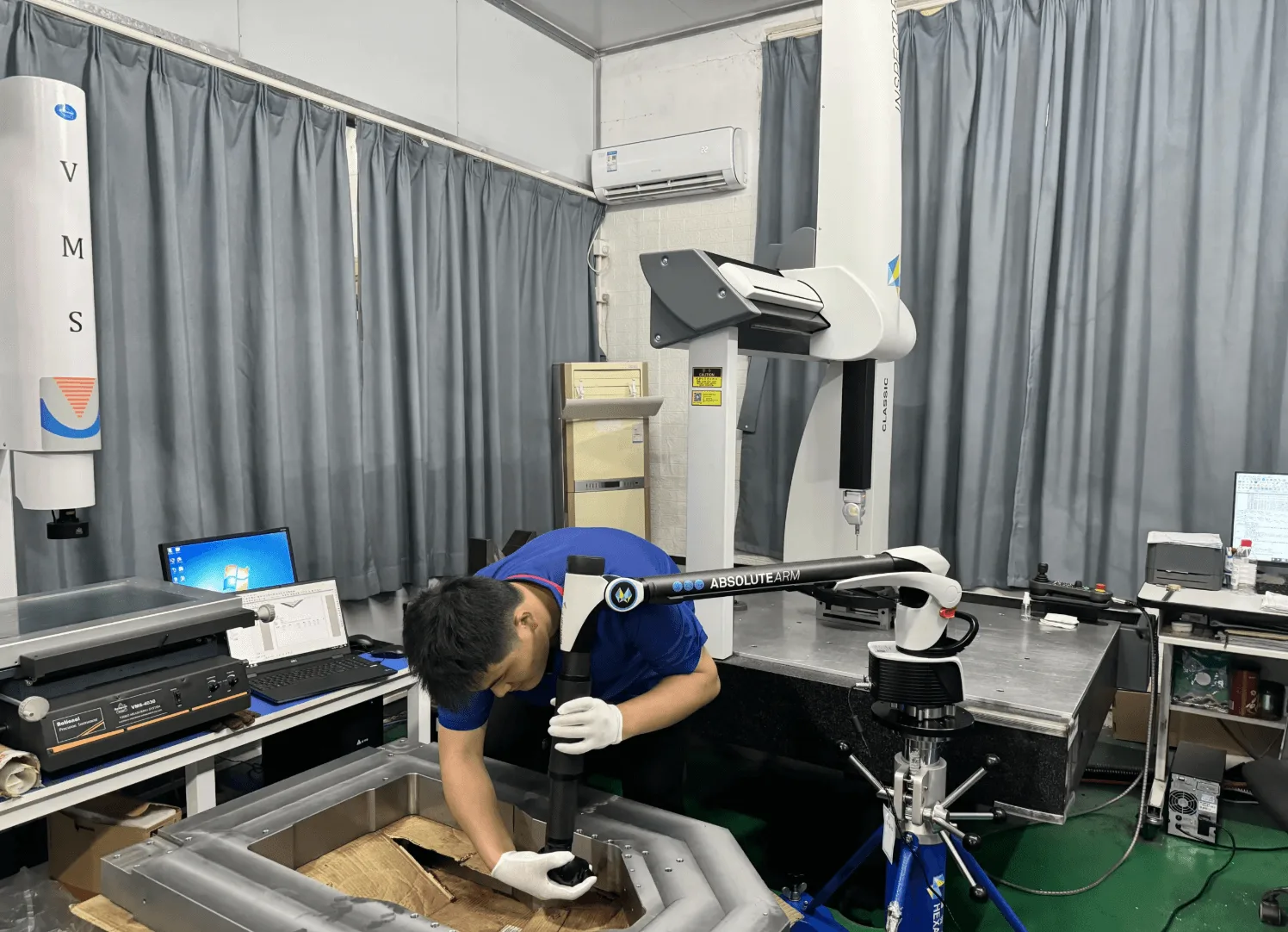
Rigorous Quality Inspection
Every unit undergoes pressure testing, dimensional checks with 0.04mm precision calipers, and a full crimp cycle test. No unit ships without passing our 3-stage QC process.
Reliable Global Service
Technical support within 4 hours, video installation guides, and spare parts shipped within 48 hours. 300+ customers across 40+ countries trust our after-sales support.
Related Guides
Hydraulic Hose Crimper Buying Guide
Complete guide to choosing the right crimper for your operation — manual, electric, portable, or CNC.
Read GuideHow to Start a Mobile Hose Repair Business
Equipment, pricing, target markets, and revenue projections for starting your own mobile hydraulic hose service.
Read GuidePortable vs Workshop Hydraulic Crimper
When to invest in a portable unit, when a workshop model makes more sense, and why most businesses need both.
Read GuideAlso see: Manual Hydraulic Hose Crimper Hub | Electric Hydraulic Crimper Hub
Related Resources
- Heavy Equipment — Wikipedia
- Skid-Steer Loader — Wikipedia
- Tractor — Wikipedia
- Hydraulic Machinery Basics
- Hydraulic Press Principles
- Pascal’s Law Explained
- Hydraulic Hose Crimper Guide
- How to Crimp Hydraulic Hose Fittings
- Crimping Tool Dies Guide
- Manual Crimping Tool Guide
- Hydraulic Crimp Tool Overview
- Hydraulic Cylinder Design
Frequently Asked Questions
How many crimps per battery charge?
50–100 crimps on a standard truck battery, depending on hose size and battery condition. A healthy battery on a service truck handles a full day of field calls.
Can I use a portable crimper on 2″ hose?
P32CS handles 2″ 4SP on battery power. For 2″ 6SP or R13, you need a workshop 200+ ton model.
What’s the weight of a portable crimper?
18–28 kg complete. Split-body heads (CSZ) weigh 8–12 kg separately — light enough for one person to handle overhead.
Do I need a generator?
No. Connect directly to the vehicle battery (12V or 24V). No generator, no wall outlet, no extension cords needed.
What’s the difference between CS and CSZ?
CS = one-piece (motor + battery + head together). CSZ = split-body (pump clips to battery, head is separate and lighter). CSZ is better for overhead work and tight spaces.
Can portable crimpers match workshop quality?
CNC portable models (CSD) deliver ±0.02 mm — same as workshop CNC. Standard portable achieves ±0.1 mm, sufficient for field service and repair.
Is P18CS good for starting a hose repair business?
Yes — it’s the most popular entry-level portable. 80 ton covers ¾” and below, which handles approximately 60% of field service calls. Start with P18CS, upgrade to P20CS or P32CS as your business grows.
How do I maintain a portable hydraulic crimper?
Regular maintenance is minimal: (1) Check hydraulic oil level monthly — top up with ISO 46 hydraulic oil if below the sight glass. (2) Clean die surfaces after each use — debris in the die cavity causes uneven crimps. (3) Inspect battery clips for corrosion — clean with a wire brush. (4) Store upright in a dry location. With basic care, a portable crimper lasts 5–10 years in field service.
Can I crimp different fitting types (SAE, DIN, JIC) on the same machine?
Yes — you just need the correct die set for each fitting standard. SAE, DIN, JIC, ORFS, and BSP fittings all crimp on the same portable machine with their respective dies. TRC provides die selection charts for each model. One die set typically covers 3–5 hose sizes within a standard.
What safety precautions should I take when crimping in the field?
Key safety practices: (1) Never exceed rated pressure — the auto-stop is there for a reason. (2) Keep hands clear of the die area during the crimp cycle. (3) Wear safety glasses — a failed crimp can send metal fragments flying. (4) Ensure stable footing — 200 tons of force means the crimper must be positioned solidly. (5) Verify crimp diameter with a caliper after every crimp — don’t guess.
Start Your Mobile Hose Service
9 portable models. Battery-powered. Field-ready. From 80 to 200 ton — workshop quality wherever the job takes you.
Get a Quote →