Manual Hydraulic Hose Crimper: 6 Proven Reasons It Belongs in Your Shop
Manual hydraulic hose crimper tools don’t grab headlines at trade shows. Electric CNC machines with digital displays do. But here’s the reality: thousands of repair shops, mobile service trucks, and small fleets still reach for a hand-pump crimper every single day. And for good reason.
A manual hydraulic hose crimper uses hand-pumped hydraulic pressure to drive dies into a ferrule, creating a permanent crimp on a hydraulic hose assembly. No motor. No power cord. No outlet required. Just muscle and hydraulic force — the same principle behind all hydraulic machinery, scaled down to a portable package.
If you’re deciding between a manual unit and an electric one, this guide breaks down the real pros, the real cons, and the specific situations where a manual hydraulic hose crimper is the smarter buy.
Table of Contents
What Is a Manual Hydraulic Hose Crimper?
A manual hydraulic hose crimper is a compact crimping machine powered by a hand-operated hydraulic pump. You close the valve, pump the handle, and hydraulic fluid drives the die set inward, compressing the ferrule around the hose and fitting. The crimp itself is identical in quality to what an electric machine produces — same pressure, same permanent deformation, same seal integrity.
The difference is the power source. Electric crimpers use a motor-driven hydraulic pump. Manual crimpers use your arm. That single distinction drives everything else: cost, weight, portability, speed, and where you can use the tool.
Manual units come in two main configurations. Integrated models (like the TRC P16HP) have the pump, reservoir, and crimping head built into one frame — pick it up, set it on a bench or tailgate, and go. Split-type models (like the P16HPZ) separate the pump from the head with a hydraulic hose, which gives you more positioning options in tight spaces.
Some models also offer pneumatic pump options — the P16AP, for example, uses compressed air instead of hand pumping. But those require an air supply, which defeats the “no infrastructure” advantage. For this article, we’re focusing on true hand-pump manual units.
Pros: Low Cost, No Power, Portable
1. Significantly Lower Purchase Price
A manual hydraulic hose crimper typically costs 40–60% less than a comparable electric model. Where an electric workshop crimper runs $2,000–$4,000, a solid manual unit sits in the $800–$1,500 range. For a small shop doing 5–10 crimps a day, that price gap matters. The ROI is fast — a single field repair call brings in $150–$300, so the machine can pay for itself in under a week.
2. Zero Power Requirements
No electricity. No extension cords. No generators. No dead batteries. A manual hydraulic hose crimper works on a remote construction site, in a mine shaft, on a ship at sea, or in a farmer’s barn during a power outage. That’s not a niche benefit — it’s the number-one reason mobile service technicians choose manual. When the equipment is down and the customer is losing $500–$2,000 an hour, you can’t wait to find an outlet.
3. Real Portability
The TRC P16HP weighs 34 kg (75 lbs). One person can lift it, carry it to a truck bed, and set it up in under two minutes. Compare that to a 200-ton electric workshop unit at 200+ kg — that’s staying in the shop permanently. For mobile service vans, the weight difference means you can carry a manual crimper and other tools without maxing out your payload.
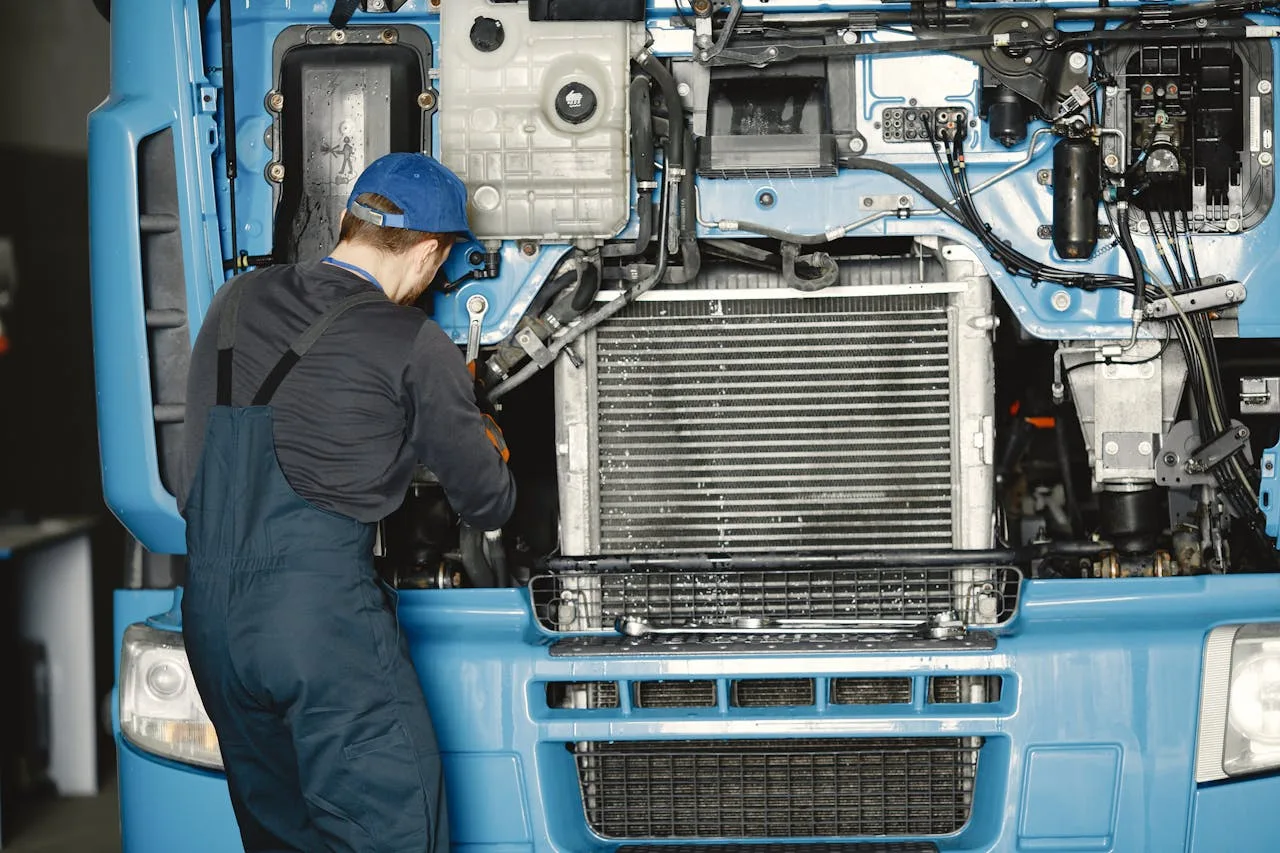
Mobile service trucks often carry manual crimpers for on-site hydraulic hose repair.
Cons: Slow, Limited Hose Size, Operator Fatigue
Manual crimpers aren’t perfect. Let’s be honest about the trade-offs.
Slower Cycle Time
An electric crimper completes a full crimp cycle in 8–12 seconds. A manual unit takes 30–60 seconds depending on hose size and operator strength. If you’re crimping 50 hoses a day, that adds up. For high-volume production shops, manual is the wrong tool.
Limited Hose Size Range
Most manual hydraulic hose crimpers top out at 1″ to 1-1/2″ hose ID. The P16HP handles up to 1″ 2-spiral. The P20HP reaches 1-1/2″. If your work involves 2″ or larger industrial hoses, you need an electric machine — period. Manual crimpers simply don’t generate enough tonnage for big-diameter, multi-spiral hose assemblies.
Physical Effort
Pumping a manual crimper 30–50 times per crimp is real work. After 20 assemblies in a row, your arms feel it. Telescopic rod designs (like the P16HP’s) cut the effort roughly in half, but it’s still physical labor. If one person is doing all the crimping for a full shift, fatigue becomes a quality risk — tired operators make mistakes.
Best Use Cases for Manual Hydraulic Hose Crimpers
Here’s where a manual hydraulic hose crimper makes the most sense:
| Use Case | Why Manual Works |
|---|---|
| Low-volume shops (under 15 crimps/day) | Speed doesn’t matter. Cost does. |
| Mobile field repair | No power on site. Portability is non-negotiable. |
| Agricultural equipment repair | Farms rarely have shop air or 220V near the equipment. |
| Emergency backup | Even shops with electric crimpers keep a manual unit for power outages. |
| Startup hose businesses | Low entry cost lets you start earning before investing in electric. |
| Marine/offshore | Ships, rigs, and platforms — power is never guaranteed. |
The common thread: when the work is sporadic, the location is unpredictable, or the budget is tight, a manual hydraulic hose crimper is the right tool. It handles the 80% of repair calls that involve 1″ or smaller hose. For the other 20%, you refer the job or upgrade.
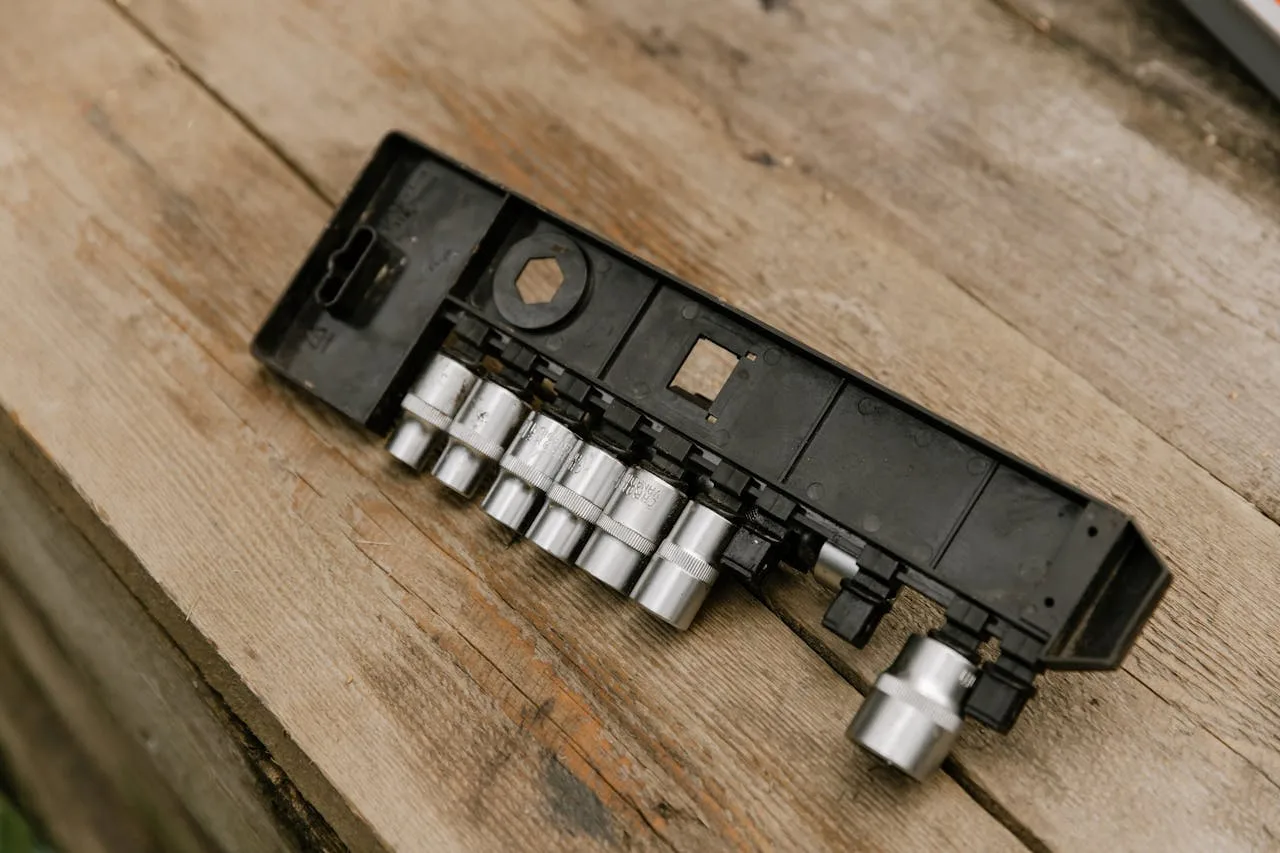
Die sets for manual crimpers cover the most common hose sizes from 1/4″ to 1-1/2″.
TRC P20CS and P16HP Manual Options
TRC offers two manual-capable models that serve different ends of the market. Both are built for field use, but they target different hose sizes and work volumes.
TRC P16HP — Lightweight Field Crimper
The P16HP is the go-to manual hydraulic hose crimper for mobile technicians and small repair operations.
- Crimping range: Up to 1″ 2-spiral (10–45mm diameter)
- Max force: 95 ton
- Weight: 34 kg (75 lbs)
- Cycle time: ~10 seconds (hydraulic), 30–45 seconds (hand pump)
- Die set: 8 standard dies included (P16/07 through P16/31)
The telescopic pump rod is the standout feature. It saves about 50% of the pumping effort compared to a standard rod. That matters when you’re doing your fifth crimp of the morning on a frozen construction site. The P16HP also handles 90° elbow fittings conveniently — the open-head design lets you position bent tubes without fighting the frame.
At 34 kg, one person can move it. It fits in a service van, on a tailgate, or on a small workbench. For shops that primarily repair agricultural equipment, construction machinery, and light industrial hydraulics, the P16HP covers 90% of daily work.
TRC P20CS — Larger Capacity Mobile Crimper
The P20CS bridges the gap between manual and electric. It’s a mobile service crimper powered by a car battery, which means it doesn’t need wall power — but it also doesn’t require hand pumping.
- Crimping range: Up to 1-1/2″ 4-spiral / 1-1/4″ 6-spiral
- Max force: 137 ton
- Power source: 12V car battery
- Die set: 8 standard dies included (P20/19 through P20/47)
The P20CS is for the technician who needs more crimping range than the P16HP offers, but still works from a truck. It crimps larger hoses (up to 1-1/2″) and generates 137 tons of force — enough for 4-spiral and 6-spiral assemblies. The car-battery power source means you drive to the job, clip the leads, and start crimping.
For mobile service businesses that handle both light and heavy equipment, the P20CS is the more versatile choice. It’s also available in a split-type version (P20CSZ) and a CNC version (P20CSD) if you need digital precision in the field.
| Spec | P16HP | P20CS |
|---|---|---|
| Max crimping force | 95 ton | 137 ton |
| Max hose size | 1″ 2SP | 1-1/2″ 4SP |
| Power source | Hand pump | 12V car battery |
| Weight | 34 kg | ~55 kg |
| Best for | Light field repair, small shops | Full-range mobile service |
| Price range | Lower | Mid-range |
Need help choosing? Visit the manual hydraulic hose crimper page for the full lineup and detailed specs.
When to Upgrade from Manual to Electric
A manual hydraulic hose crimper is the right starting point — but it’s not always the right long-term tool. Here are the signs it’s time to move up:
1. You’re crimping more than 20 assemblies per day. The time savings of an electric machine (8-second cycles vs. 45-second hand-pump cycles) adds up to over an hour per day at this volume. That’s billable time you’re losing.
2. You regularly work with 2″ or larger hose. No manual unit can handle 2″ 4-spiral or larger. If mining, heavy construction, or industrial pipe work is in your future, you need a 200-ton electric crimper like the P32 series.
3. Crimp consistency is causing comebacks. Manual crimpers rely on the operator to hit the right pressure. Electric and CNC machines set the pressure digitally and repeat it exactly. If you’re getting leaks or pull-outs on manual crimps, operator inconsistency is likely the cause.
4. One person is doing all the crimping. Fatigue is real, and tired operators produce bad crimps. An electric machine removes the physical strain and lets the same person do more work with less effort.
5. You’ve added a permanent workshop. Once you have a fixed location with power, a bench-mounted electric crimper makes more sense for daily production. Keep the manual unit as a backup — power outages happen, and a $1,500 backup crimper is cheaper than a lost customer.
Bottom line: Start with manual if you’re mobile, low-volume, or budget-constrained. Upgrade to electric when volume, hose size, or consistency demands it. Many successful shops run both — manual for the truck, electric for the bench.
Quick Decision Guide
| Your Situation | Recommendation |
|---|---|
| Starting a mobile hose repair business | P16HP (manual) — low cost, proven field performance |
| Established mobile service, need 1-1/2″ capacity | P20CS (car battery) — more range, still no wall power |
| Small shop, under 15 crimps/day | P16HP or P20HP (manual) — save on equipment cost |
| Production shop, 20+ crimps/day | P20S or P32 (electric) — speed and consistency |
| Mining/heavy industry, 2″+ hose | P32 or TRC120L (electric, 200+ ton) — only option at this size |
The manual hydraulic hose crimper isn’t going away. It fills a specific niche — low-cost, no-infrastructure, portable field repair — that electric machines can’t touch. As long as equipment breaks in places without power, there will be a hand-pump crimper in the back of a service truck, ready to work.
If you’re building a hose repair capability from scratch, start here. The P16HP or P20CS will handle most of what comes through the door. When the work outgrows the tool, you’ll know — and you’ll already have the experience to choose the right electric upgrade.


