Table of Contents
How to crimp hydraulic hoses — it is one of the most common questions on r/Hydraulics. The process is straightforward, but skipping steps causes leaks. Whether you use a hydraulic hose crimper or a manual unit, the same 7 steps apply. Here is the quick reference.
Step 1: Cut the Hose Clean
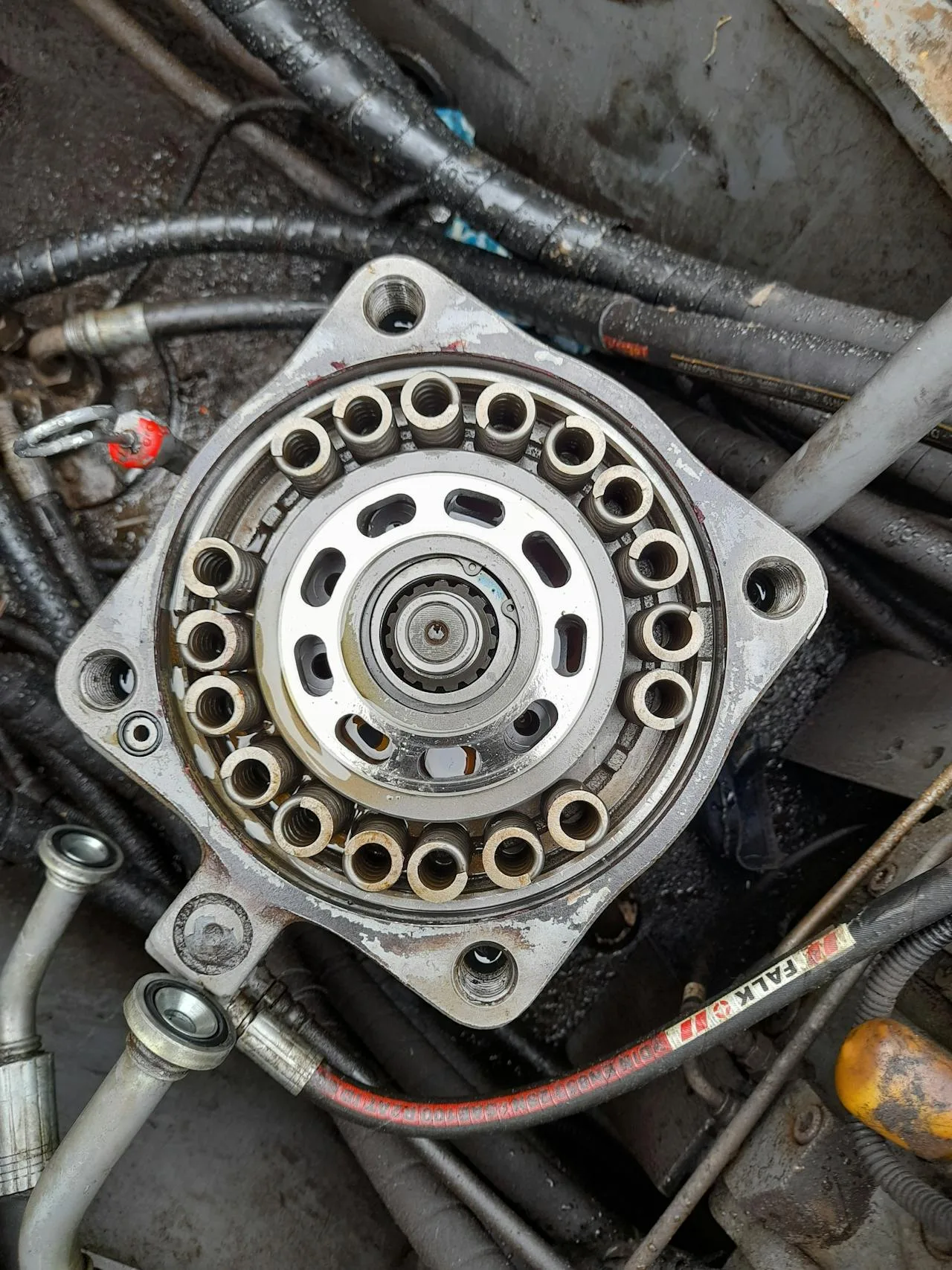
Cut the hose square using a hydraulic hose cutting machine or a chop wheel with a fine-tooth blade. A square cut means the fitting seats straight. For proper hose construction types, refer to the hydraulic hose reference.
Safety: Wire braid and spiral hose fray on contact. Wear cut-resistant gloves.
Step 2: Select the Correct Die
Match the die to the hose size and fitting type. Each crimper die has a size stamp (e.g., P16/14 for 14 mm ID). Using the wrong die is the #1 cause of crimp failures — one Reddit user found their Amazon crimper’s dies didn’t match copper flare connectors and had to improvise with a smaller die, a gamble on pressure rating.
| Hose ID | Typical Die Size | Crimp Diameter Range |
|---|---|---|
| 1/4″ (6mm) | P10/06 or P16/06 | 6.0–8.0 mm |
| 1/2″ (12mm) | P16/12 or P18/12 | 12.0–14.0 mm |
| 1″ (25mm) | P18/23 or P20/23 | 23.0–27.0 mm |
| 2″ (50mm) | P32/51 | 51.0–57.0 mm |
Always cross-reference the die chart from the manufacturer. Die sizes are not universal across brands.
Step 3: Skive If Required
For interlock and some one-piece fittings, strip the rubber cover to expose the wire braid using a hose skiving machine. Skip this on skiveless fittings — but confirm which type you have before starting.
Step 4: Insert Fitting and Ferrule
Lubricate the fitting stem with assembly lube. Push the fitting into the hose until it bottoms out. Slide the ferrule over the hose end. The ferrule should sit flush — any gap means the fitting isn’t seated. For fitting thread standards (BSP, metric, SAE), check the ISO 8434 reference.
Safety: Do not lubricate with oil or grease if the hose carries hydraulic fluid. Contaminants degrade hydraulic fluid and seal compounds.
Step 5: Set Crimp Diameter
Look up the crimp diameter in the manufacturer’s spec chart. Set the die position on your hydraulic crimper to this diameter. On CNC machines, enter the value. On manual units, adjust the die holder.
Step 6: Run the Crimp Cycle
Place the hose into the die set with the fitting stem facing up. Close the die cage and run the cycle. A manual hydraulic hose crimping tool takes about 10 seconds; electric machines complete in 6–8 seconds. The crimp creates a cold-weld bond between ferrule and fitting.
Safety: Keep hands clear of the die area during crimping. The radial force can exceed 100 tons on larger machines.
Step 7: Measure and Pressure Test
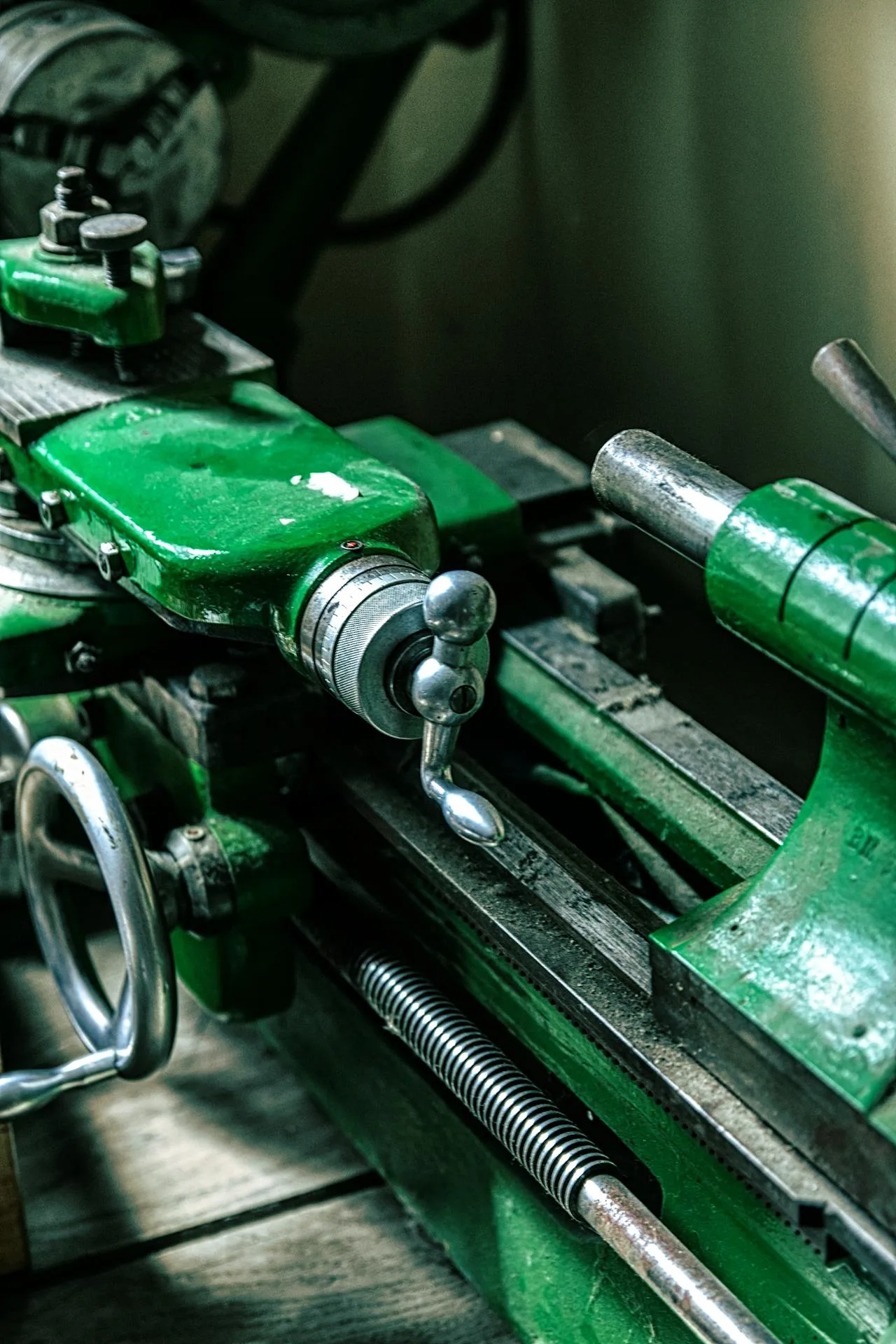
Measure the crimped diameter at three points with a vernier caliper. Compare to spec — TRCrimp machines hold ±0.03 mm tolerance, well under the industry average of ±0.125 mm. If off, adjust the die and start over with a new fitting. Do not re-crimp the same hose.
Pressure test at 2× working pressure following SAE J517 proof test requirements. A proper crimp holds without weeping, swelling, or fitting movement.
Common Mistakes to Avoid
| Mistake | Result | Fix |
|---|---|---|
| Wrong die size | Undercrimp — fitting blows off under pressure | Always check die chart before crimping |
| Dirty hose end | Contamination in hydraulic system | Clean with lint-free cloth and compressed air |
| No caliper check | Inconsistent crimps, random failures | Measure every assembly — no exceptions |
| Re-crimping | Ferrule cracks or wire damaged | Cut and start over with new fitting |
Need a Hydraulic Hose Crimper?
From manual field units to CNC workshop machines — TRCrimp has you covered.


 English
  Español
  Русский