The right hydraulic hose cutting machine makes the difference between a clean, square cut and a frayed mess that ruins your fitting. We tested seven TRC cutters — from a compact bench model to a full CNC saw — to see which one fits which job.
Cut quality matters more than most people think. A ragged hose end won’t seat properly in the fitting. That means uneven crimp pressure, a weak seal, and a hose that fails early. The right cutter eliminates this problem before it starts.
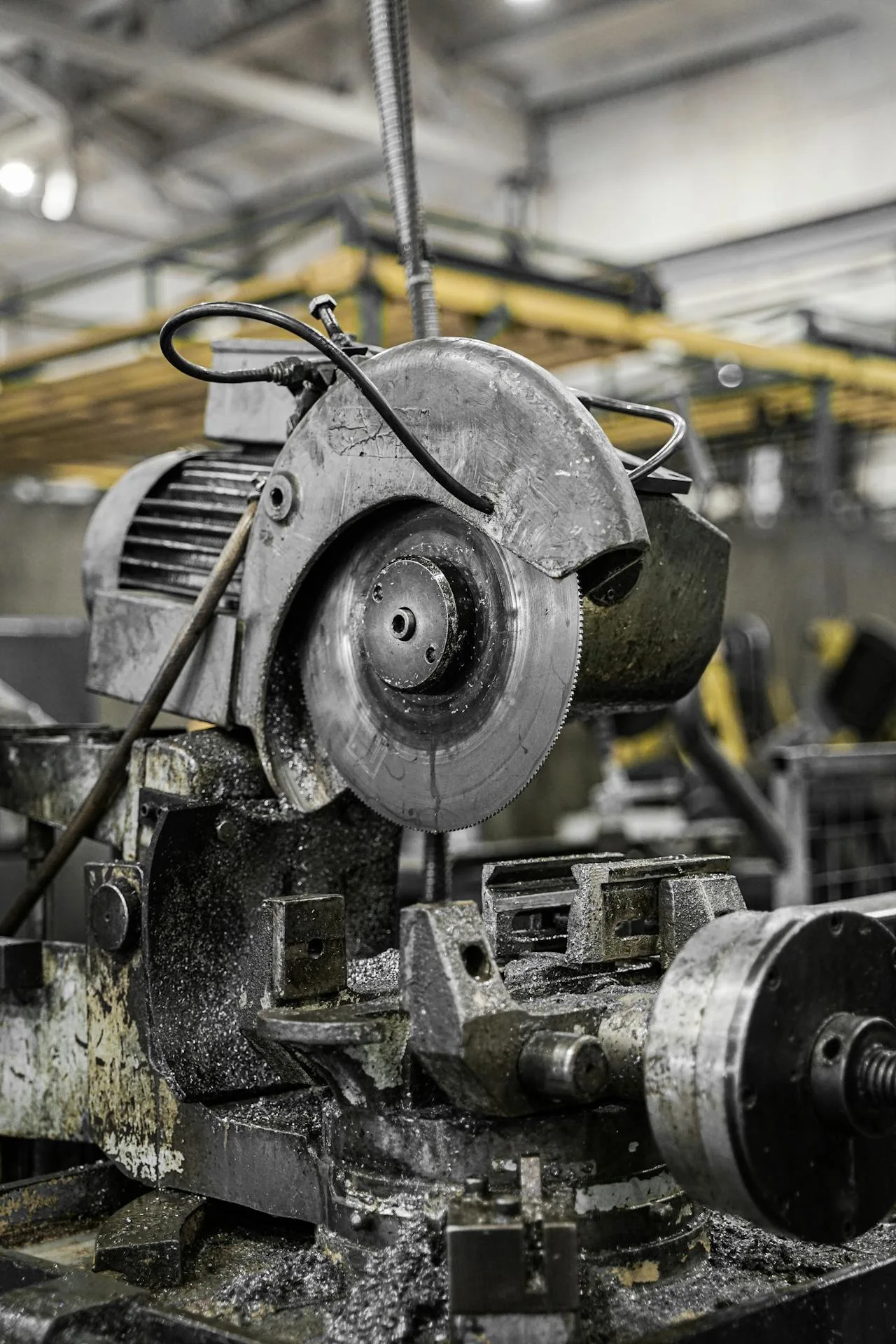
7 Models — From Compact to CNC
TRC’s cutting lineup covers three categories: compact bench cutters, production workshop saws, and CNC automatic machines. Here’s how they compare.
| Model | Cut Capacity | Cut Type | Power | Best For |
|---|---|---|---|---|
| C250AC | Up to 1″ 4SP | Rotary blade | Electric | Small shops, low volume |
| C250CS | Up to 1″ 4SP | Rotary blade | 12V battery | Field cutting, mobile service |
| C300 | Up to 2″ 4SP | Guillotine | Electric | General workshop production |
| C300A | Up to 2″ 4SP | Guillotine | Electric | Workshop, improved precision |
| C300D | Up to 2″ 4SP | CNC automatic | Electric + PLC | High volume production lines |
| C400A | Up to 2″ 4SP | Guillotine | Pneumatic | Industrial, foot pedal operation |
| C520A | Up to 2″ 4SP | Band saw | Electric | Heavy duty, spiral hose specialist |
C250AC — Budget-Friendly Entry Point
The C250AC is the smallest machine in the lineup. It handles hoses up to 1″ 4SP — that covers most 1-wire and 2-wire braided hoses used in agriculture, light construction, and general equipment.
The rotary blade spins at high speed, cutting through rubber and wire reinforcement cleanly. Cut time is about 5 seconds for a 3/4″ hose.
If you’re a small shop doing 10–20 hoses a day, the C250AC gets the job done without taking up much bench space. Price is the lowest in the lineup.
The limitation is obvious: 1″ max. If you ever cut 1-1/4″ or larger, you’ll need to step up.
C250CS — Take It to the Field
Same cutting capacity as the C250AC, but running on a 12V car battery. The C250CS is built for mobile service trucks and field repairs.
Hook it up to any vehicle battery, clamp the hose, and cut. No workshop, no power outlet needed. It’s slower than the bench models — about 8–10 seconds per cut — but the portability tradeoff is worth it for field operations.
Combine the C250CS with a portable cutting machine and a cordless crimper, and you’ve got a complete field hose assembly setup that fits in a truck bed.
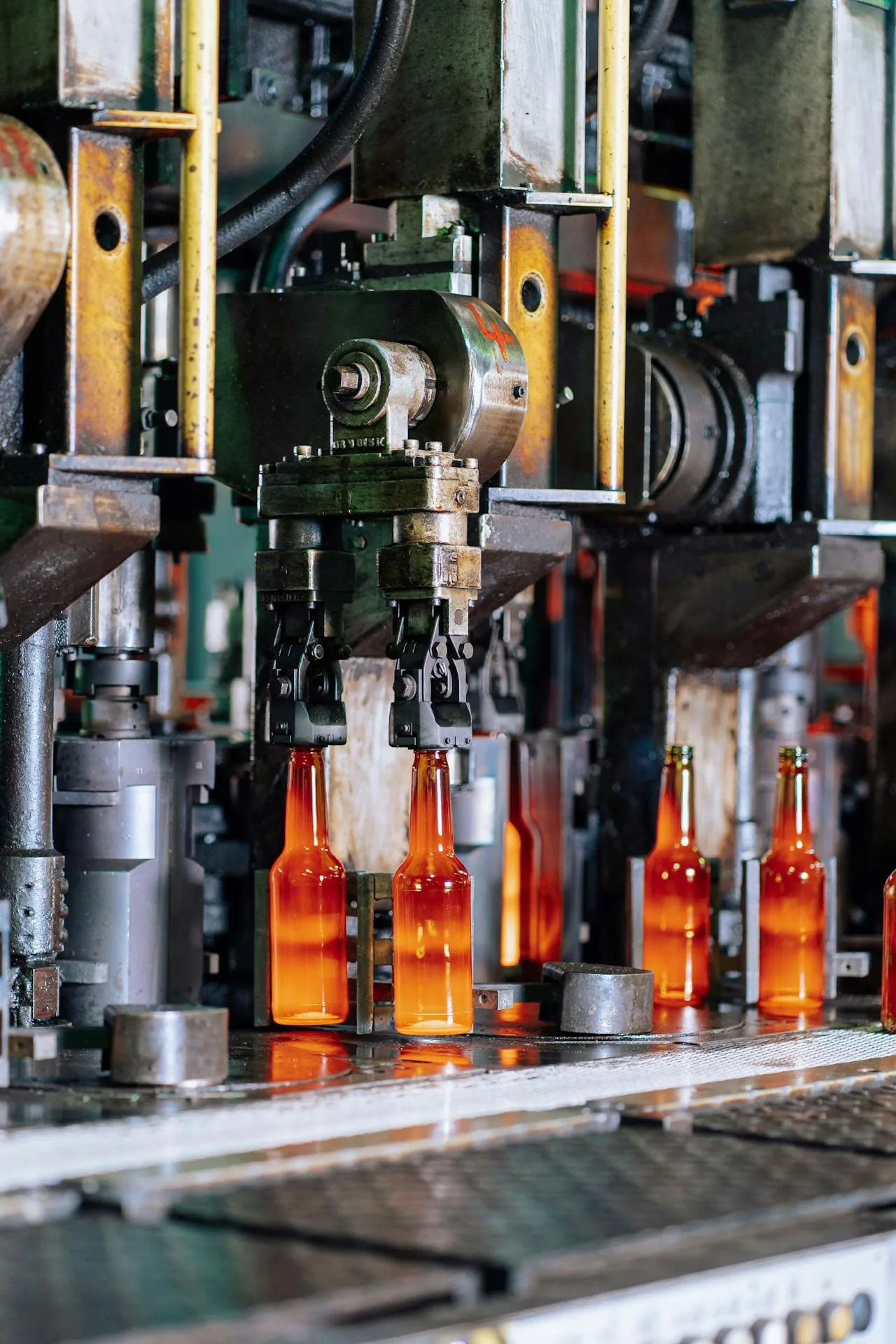
C300 — The Best-Selling Guillotine
The C300 is TRC’s most popular cutting machine, and it’s not hard to see why. Guillotine-style blade, 2″ 4SP capacity, and a price that undercuts most competitors.
The guillotine design pushes a blade straight through the hose. The result is a flat, square cut with minimal deformation — exactly what you need before skiving and crimping.
It handles braided and spiral hoses. The blade is replaceable and lasts about 3,000–5,000 cuts before needing sharpening, depending on hose type.
For most workshop operations doing 30–80 cuts per day, the C300 is the standard choice.
C300A — Precision Guillotine
The C300A upgrades the C300 platform with better blade guidance and a finer adjustment system. The cut quality is measurably better on spiral hoses — less wire splay, smoother edges.
If you’re producing hose assemblies that need to pass strict quality inspection (mining, aerospace, or military applications), the C300A’s precision is worth the extra cost.
C300D — Automatic CNC Production
Here’s where things get serious. The C300D is a CNC-controlled cutting machine with programmable length stops and automatic feed.
You program the hose length, load a coil of hose, and the machine feeds, measures, and cuts automatically. An operator can run it while handling other tasks.
For high-volume hose assembly shops producing 200+ hoses per day, the C300D cuts labor time by 60–70%. One operator does the work of three with manual cutters.
Cut tolerance is ±1 mm — tight enough for automated crimping setups downstream.
C400A — Industrial Pneumatic Power
The C400A uses pneumatic (air-powered) actuation with a foot pedal trigger. Hands-free operation means the operator holds the hose with both hands while the blade does the work.
This matters for safety and speed. On a manual guillotine, one hand holds the hose while the other pulls the lever. The C400A frees both hands for positioning, which leads to straighter cuts and fewer mistakes.
You’ll need a compressed air supply (80–100 PSI). Most industrial workshops already have this.
C520A — The Spiral Hose Specialist
The C520A uses a band saw instead of a guillotine blade. Why? Because cutting 4SP and 6SP spiral hose with a guillotine can deform the wire layers. A band saw cuts through without compressing the hose structure.
It’s slower — about 15–20 seconds per cut vs. 5 seconds on the C300 — but the cut quality on thick spiral hoses is noticeably better.
If your operation primarily handles spiral hose (4SH, 4SP, 6SP), the C520A is the right cutting machine. Pair it with a hydraulic crimper for a complete spiral hose production line.
Choosing the Right Hydraulic Hose Cutting Machine
Match the machine to your actual workflow:
- Small shop, under 20 cuts/day, hoses up to 1″: C250AC
- Mobile/field service, up to 1″: C250CS
- Workshop, general purpose, up to 2″: C300
- Precision work, quality-critical assemblies: C300A
- High volume, 200+ cuts/day: C300D
- Industrial workshop with air supply: C400A
- Spiral hose specialist: C520A
One common mistake: buying a cutter rated for exactly your current hose size. Always buy one size bigger. If you cut 1-1/2″ hoses now, get a 2″ machine. You’ll thank yourself later.
Cut Quality — What to Look For
A good hydraulic hose cutting machine produces cuts with these characteristics:
- Square end: The cut face is perpendicular to the hose axis (within 1–2°)
- Clean edges: No loose wire strands sticking out
- No inner tube deformation: The inner diameter stays round, not oval
- No rubber melt: Excessive friction heat melts the rubber; a sharp blade and right speed prevent this
If you’re seeing frayed wires or melted rubber, the blade is dull or the machine is underpowered for the hose you’re cutting. Time for an upgrade.
Blade Maintenance
The blade is the only consumable on most of these machines. Here’s how to get the most out of it:
- Sharpen or replace every 3,000–5,000 cuts (sooner for spiral hose)
- Keep the blade clean — rubber buildup causes uneven cuts
- Don’t force oversized hose — it damages the blade and produces bad cuts
- Use the correct cutting speed — too fast melts rubber, too slow creates burrs
Replacement blades run $30–$80 depending on the model. Budget for one spare blade at all times.
Bottom Line
The C300 covers 80% of workshop needs at a fair price. Step up to the C300D for production volume, the C520A for spiral hose, or the C250CS for field work. Don’t overthink it — the best hydraulic hose cutting machine is the one that matches your hose size and daily volume.




The point about cut quality affecting crimp pressure and seal reliability is something a lot of shops overlook until they start seeing premature hose failures. I also liked the breakdown between rotary, guillotine, and CNC options because the right choice really depends on whether you’re doing occasional service work or running high-volume production every day.
This breakdown of the 7 models really highlights how crucial the cut quality is for preventing premature seal failures. It is fascinating to see how a simple frayed edge can lead to uneven crimp pressure, but the comparison between manual guillotine types and advanced CNC options makes the upgrade path very clear. That distinction between field service needs and high-volume production lines is especially helpful for shop owners deciding where to invest first.