Table of Contents
Hydraulic crimper dies are the single most important wear part on your crimping machine. They determine crimp diameter, repeatability, and fitting quality.
A worn or mismatched die set produces undercrimped fittings that blow off under pressure — and a Reddit user in r/Hydraulics found this out the hard way when their Amazon-sourced crimper had dies “off for these copper 2/0 flare connectors.” Getting the right crimper dies — and maintaining them — is not optional. It is the difference between a safe hydraulic assembly and a blowout at 5,000 PSI.
What Are Hydraulic Crimper Dies?
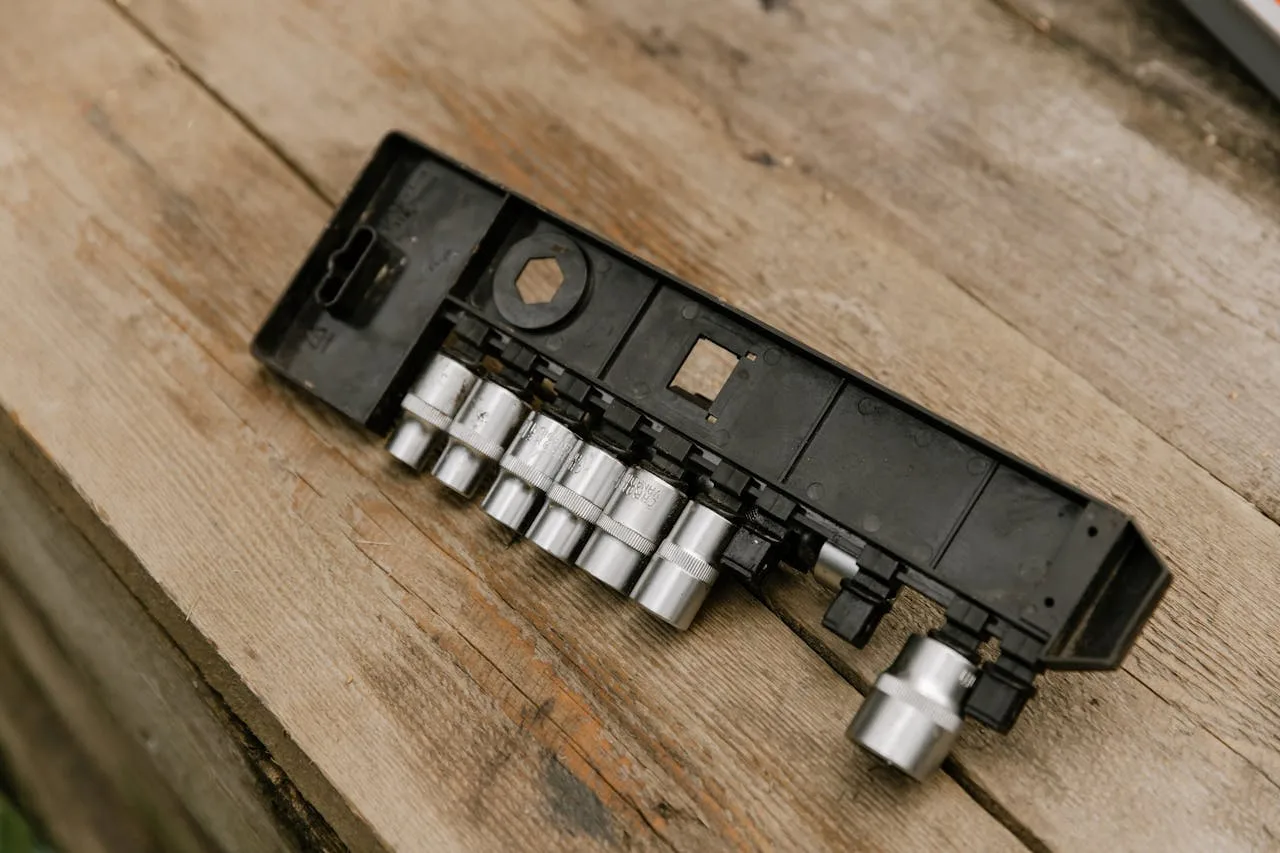
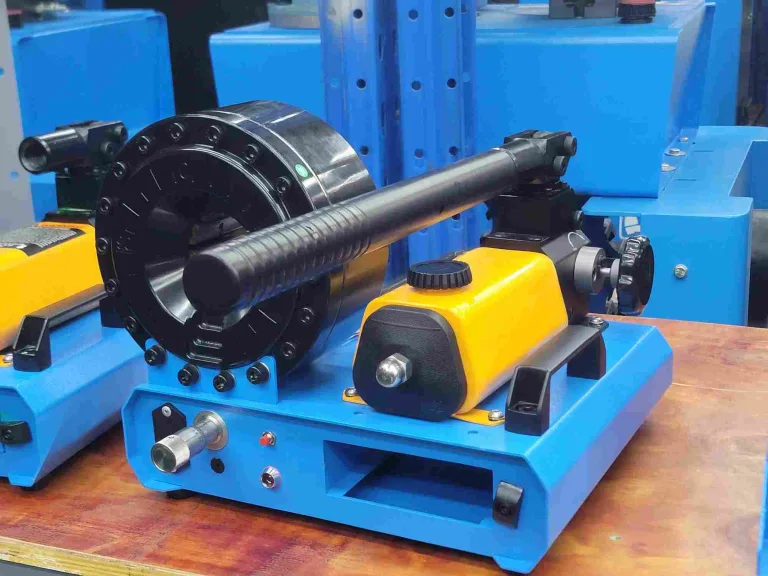
Dies are the segmented metal jaws that compress the ferrule onto the hose fitting. They transfer the cylinder’s hydraulic force into radial pressure, creating a cold-weld bond between ferrule and hose reinforcement.
According to Wikipedia’s crimping definition, a proper crimp deforms the metal past its yield point so the compressed wire causes tension in the surrounding connector — producing a gas-tight connection that blocks oxygen and moisture from causing corrosion. The process follows Pascal’s Law — fluid pressure multiplies through the cylinder area and concentrates at the die contact surface.
Each die set has a specific bore diameter (labeled “D” in manufacturer specs) and segment length (“L”). The D value must match your ferrule’s target crimp diameter within ±0.03 mm. That tolerance is what separates a professional hydraulic crimper from a budget unit.
The cold-weld crimping process requires precise radial force distribution — too little force and the bond is weak, too much and the ferrule work-hardens and cracks under vibration.
The 9 Die Series Explained
TRC uses 9 die series across its product line. Each series covers a hose size range and fits specific crimper models:
| Die Series | Hose ID Range | Fits Crimper Models | Segments |
|---|---|---|---|
| P10 | 1/4″ (6–16mm) | P10HP | 4 front-load |
| P16 | 3/8″–1″ 2SP (6–38mm) | P16HP, P16HPZ, P16AP | 8 front-load |
| P18 | 3/8″–1¼” 4SP (6–51mm) | P18HP, P18HPZ, P18AP | 8 front-load |
| P20 | 3/8″–1½” 4SP (6–64mm) | P20HP, P20, P20S, P20D | 8 front-load |
| P32 | 3/8″–2″ 4SP (6–77mm) | P32A, P32D, P32S, P32E, P33 | 8 front-load |
| P120 | 1″–4″ (25–102mm) | TRC-120L/H | 8 heavy-duty |
| P140 | 1″–5″ (25–127mm) | P140 | 8 heavy-duty |
| P160 | 1″–6″ (25–152mm) | P160, P165 | 8 heavy-duty |
| P175 | 1″–6″ (25–152mm) | P175 | 8 heavy-duty |
The die number tells you the crimper’s tonnage class — P16 dies fit 95-ton machines, P32 dies fit 200-ton machines. You cannot mix die series between different tonnage classes. The physical die diameter and segment count differ.
How to Identify Your Die Set
Every die segment has markings stamped into the steel. Read them in this order:
- Series prefix — P16, P18, P20, P32 (tells you which crimper family)
- Size suffix — /06, /08, /10, /14, /16, /19, /23, /27, /31 (tells you hose ID in mm)
- Asterisk (*) — non-standard die, purchased separately (not included with crimper)
Example: P16/14 = P16 series, covers 14–16mm hose ID, standard die included with P16HP crimper.
If your dies have no markings or the numbers are worn off, measure the master die bore with a caliper. Compare the D value against the spec sheet for your manual hydraulic hose crimper model.
5 Signs Your Dies Need Replacement
Dies wear gradually. By the time you notice crimp quality dropping, the dies may already be out of spec. Check for these signs during monthly inspection:
| # | Symptom | What It Means | Action |
|---|---|---|---|
| 1 | Visible scoring on die face | Ferrule material transfer — dies are galling | Polish with 400-grit; replace if deep |
| 2 | Crimp diameter drifts ±0.10mm | Die bore has expanded from wear | Replace die set immediately |
| 3 | Inconsistent ferrule marks | Die segments not seating evenly | Check die holder; clean debris |
| 4 | Ferrule slipping under proof pressure | Undercrimp from worn dies | Stop production; replace dies |
| 5 | Rust or pitting on die bore | Corrosion from poor storage | Replace; review storage conditions |
On Reddit’s r/Hydraulics, a user reported that their Amazon crimper’s dies required using a different size number than specified — a classic sign of out-of-tolerance manufacturing. If you see this, stop using the dies immediately. The QC Hydraulics crimp spec reference lists standard die-to-fitting tolerances.
Die Maintenance: Make Them Last 50,000 Crimps
Cr12MoV tool steel hardened to HRC 58–62 should last 10,000–50,000 crimps with proper care. That range depends entirely on how you treat the dies:
- Clean after each use — wipe die bore with a clean rag. Metal dust buildup changes crimp diameter.
- Light oil coating for storage — prevents rust on the polished bore surface.
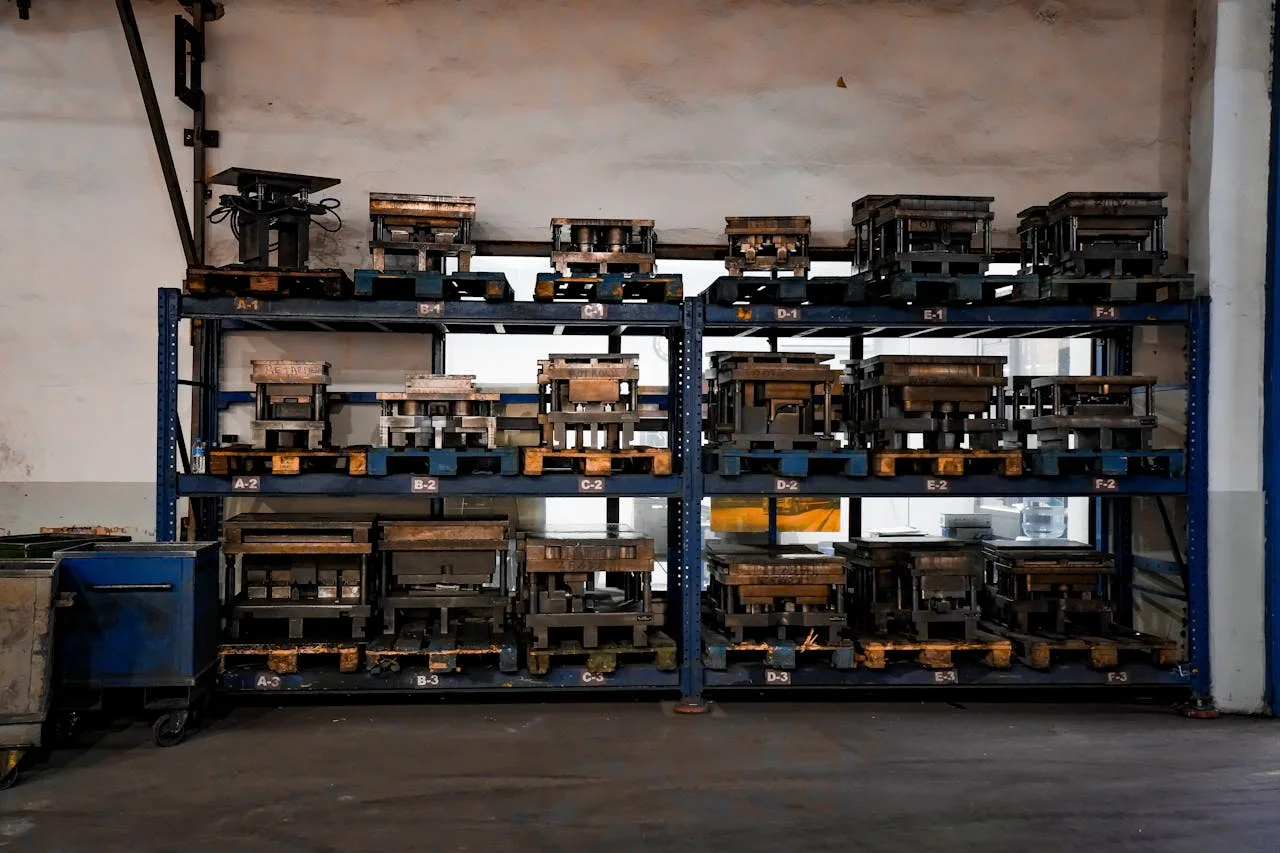
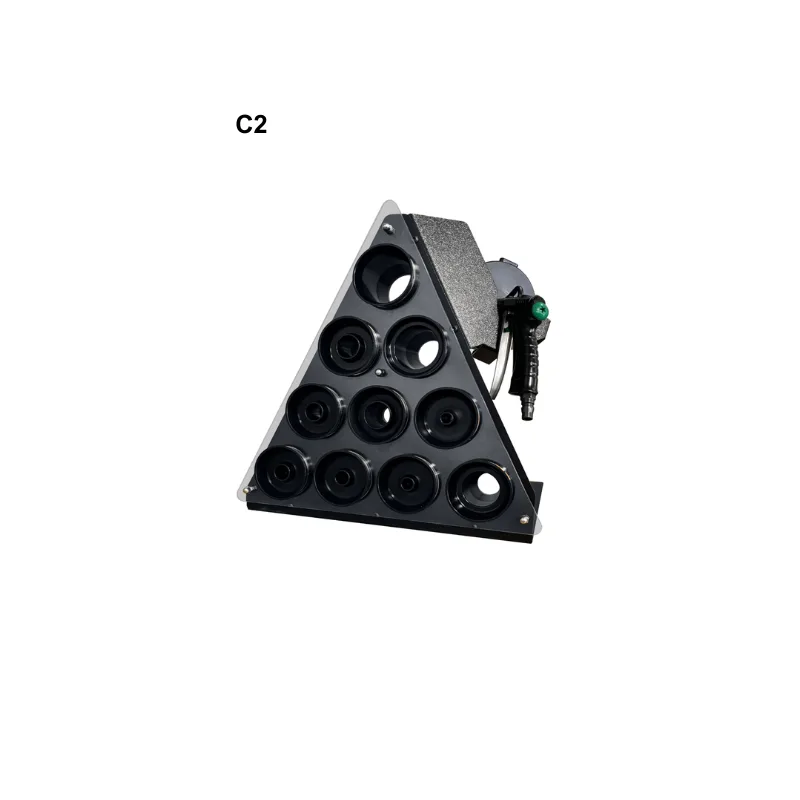
- Store in the die rack — not loose in a toolbox where segments chip each other.
- Monthly hardness check — if you have a Rockwell tester, spot-check die hardness. A drop below HRC 55 means the heat treatment is failing.
- Never use dies on wrong ferrule materials — stainless steel ferrules wear dies 3× faster than carbon steel. Use dedicated dies for stainless. Follow ISO 8434-1 fitting specifications for material compatibility.
- Inspect die holder — a worn holder causes uneven segment seating. Check the nut crimping machine holder separately from the cutting machine fixtures.
What to Check When Buying Replacement Dies
When ordering replacement dies for your electric hydraulic hose crimping machine or manual unit, verify these specs. Also check compatibility with your hose skiving machine output — skived hoses need precise die alignment:
- Steel grade — Cr12MoV or SKD11 (avoid unmarked steel)
- Hardness certificate — HRC 58–62 with test report
- Series match — P16 dies only fit P16-series crimpers
- Size coverage — check the DieSetNo covers your hose sizes
- Segment count — 8-segment dies produce better concentricity than 6-segment
At TRC, every die ships with a hardness test report and size inspection sheet. If your supplier cannot provide documentation, the dies may not meet SAE J517 crimp specifications.
This is critical for heavy duty hydraulic crimper applications where operating pressures exceed 5,000 PSI. For portable units used in field service, die quality matters even more — there is no bench backup when a fitting blows. Check out our crimp quality checks guide for a full inspection checklist.
Need Replacement Dies for Your Crimper?
TRC stocks all 9 die series with Cr12MoV steel, HRC 58–62 hardness certification. Ships within 48 hours.
FAQ
How long do die sets last on a hydraulic crimper?
Cr12MoV dies hardened to HRC 58–62 last 10,000–50,000 crimps. Lifespan depends on hose size, ferrule material, and maintenance frequency. Stainless steel ferrules wear dies 3× faster than carbon steel.
What steel should quality crimper dies be made of?
Quality dies use Cr12MoV (Chinese GB standard) or SKD11 (Japanese JIS standard) tool steel, heat-treated to HRC 58–62. This hardness range resists deformation while maintaining enough toughness to avoid chipping.
Can I use P16 dies on a P32 crimper?
No. Each die series matches a specific crimper tonnage and die holder geometry.
P16 dies fit 95-ton crimpers (P16HP, P16HPZ, P16AP). P32 dies fit 200-ton crimpers (P32A, P32D, P33). The bore diameters and segment counts are different.
How do I know which die size to use?
Check your crimper’s crimp specification chart. Match the hose ID and fitting series to the DieSetNo. For example, P16/14 covers 14–16mm hose ID.
The die number must match the ferrule’s target crimp diameter within ±0.03 mm.
Why are my crimper dies leaving marks on the ferrule?
Die marks on the ferrule usually mean the die bore has scoring or galling (material transfer from the ferrule). Clean the die bore, polish with 400-grit paper, and if marks persist, replace the die set.
Do dies come with the crimper or cost extra?
Standard die sizes are included with the crimper. Non-standard sizes (marked with * in the spec sheet) must be purchased separately. For example, P16/14 ships with the P16HP, but P16/08 is an optional purchase.
What happens if I use worn-out dies?
Worn dies produce undercrimped fittings. The ferrule will not achieve a proper cold-weld bond with the hose reinforcement.
Under pressure, the fitting can blow off — causing fluid injection injuries, equipment damage, and downtime. The Wikipedia hydraulic fluid safety note warns that hydraulic systems operate at hundreds to thousands of PSI, and component failures can cause severe injuries.
Can worn die segments be sharpened or reconditioned?
No. Unlike drill bits, crimper dies cannot be sharpened. The bore diameter, surface finish, and hardness are all set during original manufacturing.
Once worn, the die set must be replaced.


 English
  Español
  Русский