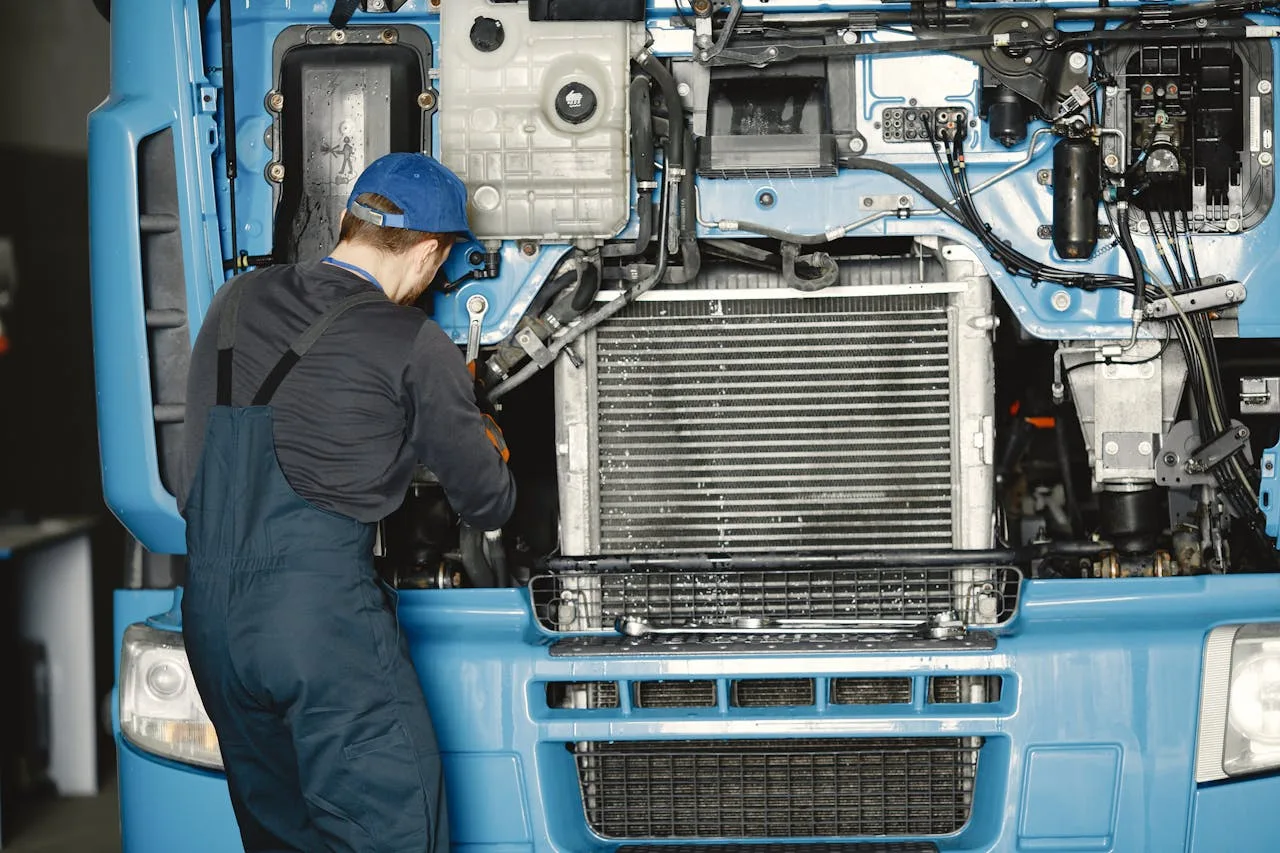
Portable hydraulic hose crimping machine buyers have a real problem: most equipment sits in a workshop, but hose failures happen in the field. When a hydraulic line bursts on a mining truck 40 miles from the nearest shop, you need a crimper that travels to the job — not the other way around.
We tested five TRC portable crimpers head-to-head. Here’s what we found.
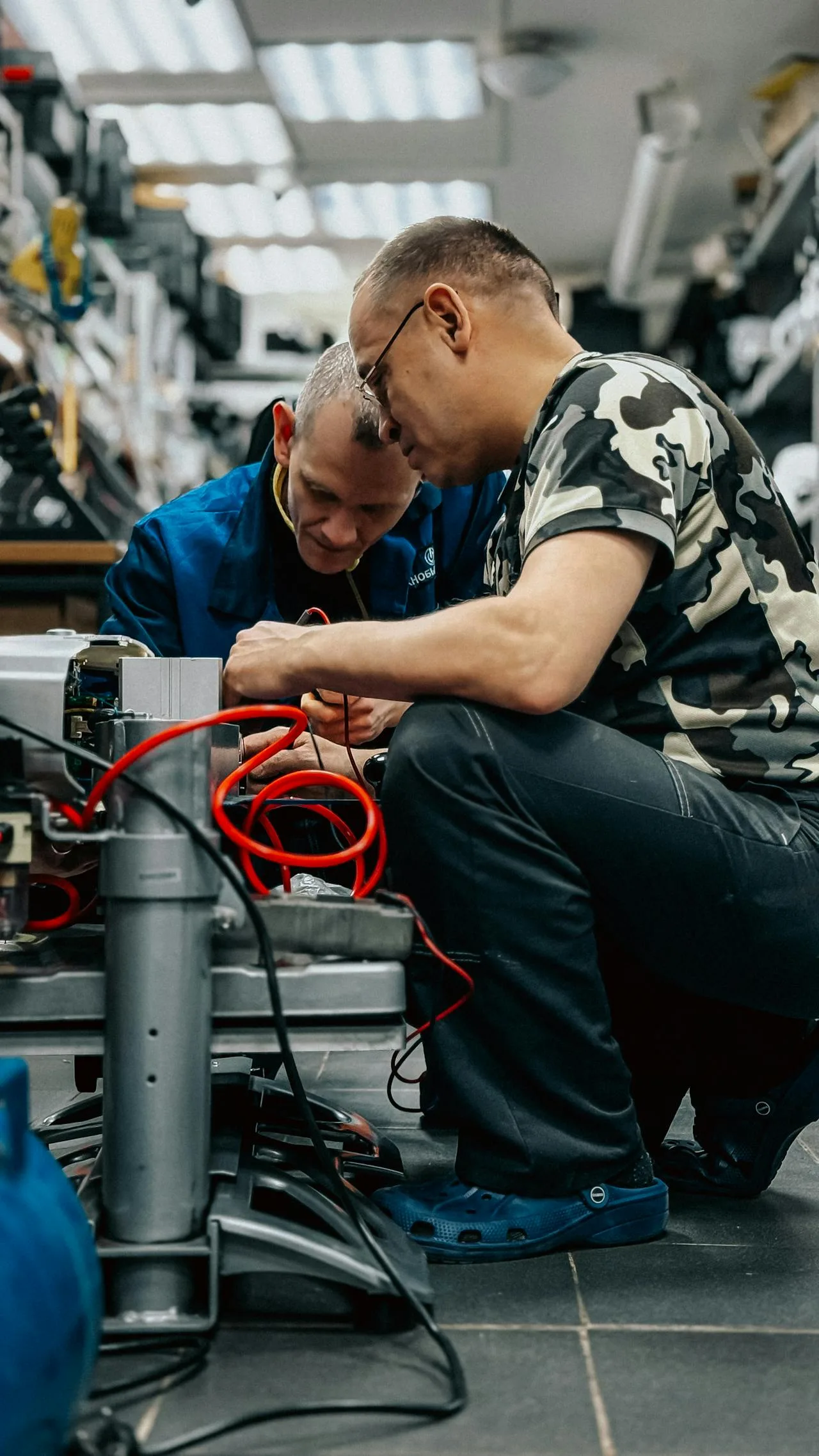
Why Field Crimping Matters
A blown hydraulic hose costs more than the hose itself. Machine downtime runs $500–$2,000 per hour on heavy equipment. Waiting for a replacement hose to arrive from a supplier? That’s 4 to 48 hours of lost productivity.
This is exactly why a portable hydraulic hose crimping machine pays for itself after the first few field repairs. You measure, cut, attach fittings, and crimp — right where the machine sits.
The trick is picking a model that balances three things: crimping force, hose size range, and actual portability. A 200-ton bench crimper is useless if it weighs 300 kg and needs three-phase power.
5 Portable Models Compared
TRC’s battery-powered lineup covers field work from light equipment to heavy mining. All five run on cordless batteries — no generators, no power cords.
| Model | Force | Hose Range | Power | Best For |
|---|---|---|---|---|
| P18CS | 80 TON | 10–54 mm | Battery | Light equipment, quick field fixes |
| P20CS | 80 TON | 10–54 mm | Battery | General field service |
| P20CSZ | 80 TON | 10–54 mm | Battery (split) | Tight spaces, vertical work |
| P32CS | 200 TON | 10–87 mm | Battery | Heavy duty, mining & construction |
| P20LHP | 185 TON | 6–54 mm | Hand pump | Remote sites, no battery needed |
P18CS — The Quick-Response Crimper
The P18CS is the lightest in the lineup. At 80 tons of crimping force, it handles hoses up to 54 mm — that covers most agricultural and construction equipment.
Where it shines is speed. Pop in the battery, set the die, press the button. A typical 1-inch hose fitting takes about 15 seconds. If you’re running a mobile service truck and doing 20–30 hoses a day, this is your everyday tool.
One tradeoff: the 80-ton force won’t handle the thickest 4SP or 6SP spiral hoses. For those, step up to the P32CS.
P20CS & P20CSZ — Two Takes on the Same Platform
The P20CS and P20CSZ share the same 80-ton, 10–54 mm specs. The difference is the body design.
The P20CS is a standard pistol-grip design — familiar to anyone who’s used a cordless drill. The P20CSZ splits the battery pack from the crimping head, which makes it easier to maneuver in confined engine compartments or overhead work.
Which one to pick? If most of your work is in open areas (mining pits, farm fields), go P20CS. If you regularly work inside machine frames or underneath equipment, the P20CSZ’s flexible head is worth the extra cost.
P32CS — The Heavy Field Hitter
200 tons in a portable package. The P32CS crimps up to 87 mm — that’s 3.5-inch hoses, covering almost everything in mining, oil & gas, and heavy construction.
It’s heavier than the P18CS (obviously), but still fits in a service truck. A mining operation running Cat 793 trucks or Komatsu excavators will find this covers 95% of their field needs.
Battery life is solid for a day’s work. Expect 40–60 crimps per charge on standard hoses, less on the largest diameters.
P20LHP — Manual Power, Zero Battery Worries
The P20LHP takes a different approach: 185 tons of force driven by a hand pump. No batteries, no charging, no electrical anything.
Sound old-school? It is. But there’s a reason it’s popular in underground mining and offshore platforms where battery tools face restrictions. The hand pump gives you full control over crimping speed and pressure.
Crimping range is 6–54 mm. It’s slower than the battery models — figure 30–45 seconds per crimp vs. 15 seconds — but it works anywhere, period.
Choosing the Right Portable Hydraulic Hose Crimping Machine
Here’s a simple decision framework:
- Hoses up to 1″ (25 mm), general field work: P18CS or P20CS
- Tight spaces, overhead work: P20CSZ
- Hoses up to 3.5″ (87 mm), mining/heavy construction: P32CS
- No-battery environments (underground, offshore): P20LHP
One more thing: die compatibility. All five models use standard die sets, so if you already own dies from a bench crimper, they’ll likely transfer over. Check the die diameter range before ordering.
Real-World Cost Savings
Let’s put numbers on it. A typical mining operation with 50 hydraulic machines experiences about 200 hose failures per year. Each failure averages 6 hours of downtime at $800/hour in lost production.
Without a portable hydraulic hose crimping machine: 200 failures × 6 hours × $800 = $960,000/year in downtime.
With on-site crimping: average repair time drops to 1 hour. 200 × 1 × $800 = $160,000/year. That’s an $800,000 difference — against a tool investment of maybe $5,000–$15,000.
The math is hard to argue with.
What About Die Selection?
Every portable hydraulic hose crimping machine ships with a die selection chart — and that chart is non-negotiable. Each hose type (1SN, 2SN, 4SP, etc.) paired with a specific fitting size requires a particular die.
Using the wrong die by even 0.5 mm can reduce the crimp’s pressure rating by 20–30%. That’s the difference between a hose that lasts five years and one that blows off in five months.
Here’s the process: (1) identify your hose type and dash size, (2) identify the fitting model and brand, (3) look up the die number on the chart, (4) do a test crimp and measure with calipers. Takes two minutes. Saves hours of rework.
The battery models (P18CS, P20CS, P20CSZ) share the same die holder design, so die sets transfer between them. The P32CS uses a larger holder for its bigger capacity. The P20LHP uses its own manual-specific holder.
Maintenance Tips
Battery-powered portable crimpers are low-maintenance, but a few habits extend their life:
- Charge batteries at 20–80%. Don’t run them to zero. Lithium-ion cells last 2–3× longer with partial cycles.
- Clean dies after every use. Hose rubber residue builds up and affects crimp quality. A wire brush and 30 seconds is all it takes.
- Check hydraulic oil every 6 months. Low oil = uneven pressure = bad crimps. Top up if the sight glass shows below the line.
- Store in a dry case. Moisture corrodes die surfaces and electrical contacts.
The P20LHP (hand pump model) needs even less — just keep the pump oiled and the dies clean.
Field vs. Workshop — When to Go Portable
Not every crimp needs to happen in the field. If 90% of your hose assembly work happens in a workshop, buy a bench model and keep a portable unit as backup for emergencies.
But if your operation runs heavy equipment across multiple sites — construction fleets, mining operations, agricultural contractors — a portable hydraulic hose crimping machine isn’t a backup. It’s your primary tool.
The break-even point is roughly 10 field hose repairs per year. Below that, you can probably justify driving hoses to a shop. Above that, you’re losing money every day you don’t have field crimping capability.
Bottom Line
For most field service operations, the P20CS is the sweet spot — enough power for common hose sizes, light enough to carry all day, and battery-powered for convenience. Step up to the P32CS if you’re working with 2″+ hoses regularly. Choose the P20LHP when batteries aren’t an option.
Every model here costs less than two hours of downtime on a medium excavator. The ROI question answers itself.