
Hydraulic crimper is a broad term for any machine that uses hydraulic pressure to deform a metal fitting onto a hose, wire, or tube. In the hydraulic hose industry, it specifically refers to machines that attach fittings to rubber or thermoplastic hoses used in heavy equipment — excavators, tractors, mining trucks, and factory hydraulic systems. Here are 7 things worth knowing before you buy or operate one.
1. How a Hydraulic crimper Works: Pascal’s Law in Practice
Every hydraulic crimper operates on Pascal’s principle: pressure applied to a confined fluid is transmitted equally in all directions. A small pump generates hydraulic pressure (typically 100-700 bar), and that pressure acts on a much larger cylinder inside the crimping head. The result? A hand pump producing 100 bar of input pressure can generate 95 tons of crimping force at the die set. Electric and CNC models simply replace the hand pump with an electric motor — the physics stays the same.
This force multiplication is why a 34 kg portable machine can produce crimps that would require several tons of mechanical leverage by hand. For more on the physics, see Pascal’s law on Wikipedia.
2. Types of Hydraulic crimpers
The three main categories cover almost every use case:
- Manual (hand pump) — Operator pumps a handle to build hydraulic pressure. No power needed. Typical force: 80-137 tons. Hose range: 1/4″ to 1-1/2″. Weight: 25-45 kg.
- Electric (motor-driven pump) — Electric motor drives the hydraulic pump. Consistent pressure, faster cycles, no operator fatigue. Typical force: 137-200 tons. Hose range: 1/4″ to 2″. Weight: 150-200 kg for benchtop models.
- Battery (cordless electric) — Rechargeable battery powers a compact motor. Same hydraulic principles, portable form factor. Typical force: 137-200 tons. 40-60 crimps per charge.
There are also vertical crimpers (like the TRC US18/US20) where the die set faces upward — useful for crimping hoses with pre-bent fittings that won’t fit in a horizontal head. And heavy-duty models (120-175 tons) designed for 2″ to 4″ industrial hoses used in mining, oil & gas, and shipbuilding.
3. Die Sets: The Part That Actually Does the Crimping
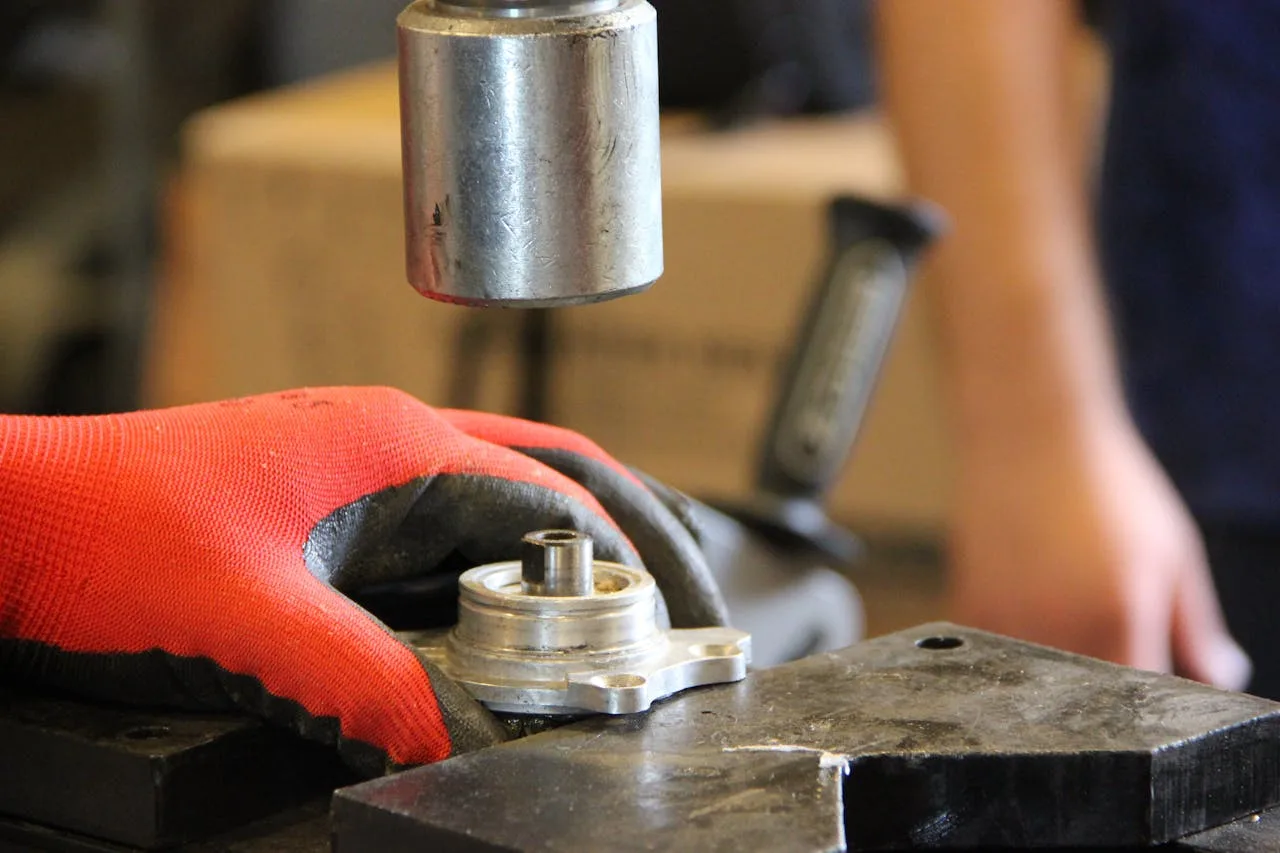
The hydraulic crimper head provides force. The die set determines the shape of the crimp. Dies are precision-machined metal segments that compress the ferrule to a specific diameter. Get the die size wrong, and you get a loose fitting (leaks under pressure) or an over-crimped hose (restricted flow, premature failure).
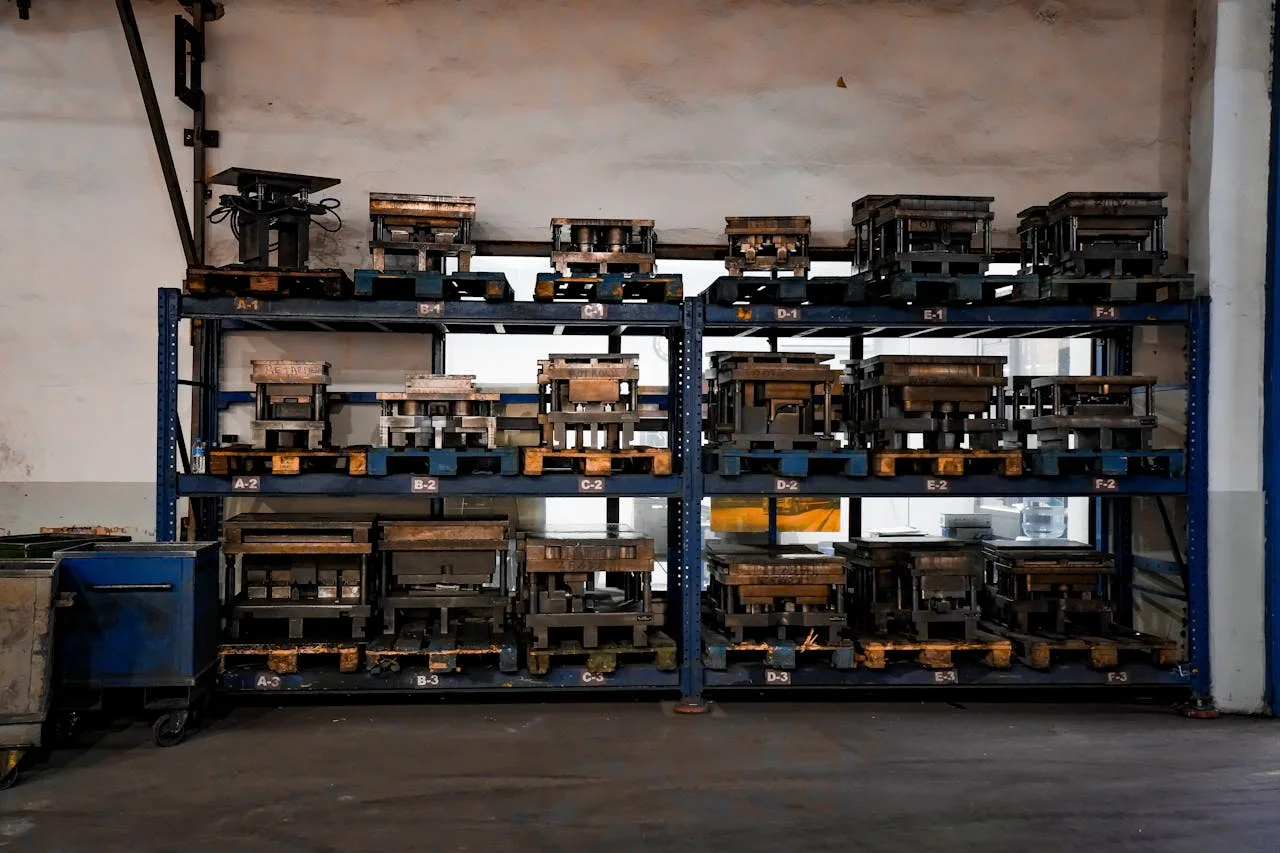
Die sets follow standard series. TRC uses P16, P20, and P32 series, which cover most SAE (100R1, 100R2, 100R5, etc.) and EN/DIN specifications. Each die set corresponds to a specific hose size and fitting type. A typical workshop hydraulic crimper ships with 10-14 die sets. Additional sets for non-standard sizes are sold separately.
4. Tonnage vs Hose Size: The Key Relationship
More tonnage doesn’t always mean “better.” It means “bigger hose.” Here’s the general mapping:
| Tonnage | Max Hose Size | Typical Applications |
|---|---|---|
| 80-95 ton | 1″ 2SP / 3/4″ 4SP | Automotive, light equipment, AC lines |
| 120-137 ton | 1-1/2″ 4SP | Agriculture, construction, mobile service |
| 200 ton | 2″ 4SP | General workshop, industrial, mining |
| 1200+ ton | 4″ 6SP | Oil & gas, shipbuilding, steel mills |
Buying a 200-ton machine when you only crimp 1/2″ hose is wasted money and wasted bench space. Match the tonnage to your actual workload.
5. Crimp Quality: How to Know It’s Right
A properly crimped fitting has three characteristics:
- Correct crimp diameter — Measured with a caliper at the ferrule’s widest point. Each hose/fitting combination has a specified crimp diameter (usually ±0.05mm tolerance). Your hydraulic crimper manufacturer provides this data in a crimp chart.
- Visible die marks — Even, symmetrical impressions from each die segment around the full circumference. Uneven marks indicate a die alignment problem or worn dies.
- No visible gaps — Between the ferrule and the hose cover, or between the fitting stem and the hose inner tube. Gaps mean under-crimping.
Professional shops proof-test every assembly at 2x the working pressure before shipping. A hydraulic crimper with CNC control logs each crimp’s parameters, making traceability straightforward for ISO-certified operations.
6. When to Replace Dies on Your Hydraulic crimper
Dies are consumable parts. They wear from repeated contact with steel ferrules under high pressure. Signs that dies need replacing:
- Visible scoring or pitting on the die face
- Rounded edges on what should be sharp die contours
- Out-of-spec crimp diameters that you can’t correct with adjustment
- Inconsistent die marks — one side deeper than the other
Most dies last 5,000 to 10,000 cycles with proper maintenance (cleaning after each use, occasional light oiling). Wire-braid hoses wear dies faster than textile-braid because the steel wires are harder on the die surface. Keep spare die sets for your most-used sizes to avoid downtime.
7. Safety: What Can Go Wrong with a Hydraulic crimper
Hydraulic crimpers generate serious force. Safety basics:
- Never put fingers in the die area during operation. 200 tons will crush bone instantly. Use the foot pedal or two-hand start to keep hands clear.
- Check for hydraulic leaks before each shift. A pinhole leak under 300 bar pressure can inject fluid through skin — this requires immediate medical attention.
- Inspect hoses and fittings before crimping. Damaged hose or the wrong fitting can blow apart during pressure testing, even if the crimp looks fine.
- Wear eye protection during pressure testing. A failed assembly can eject fitting parts at high velocity.
For more technical background on hydraulic systems and fittings, see Wikipedia’s article on hydraulic machinery and hose coupling types.