Portable Hydraulic Hose Crimper: 5 Models That Work Anywhere in 2026
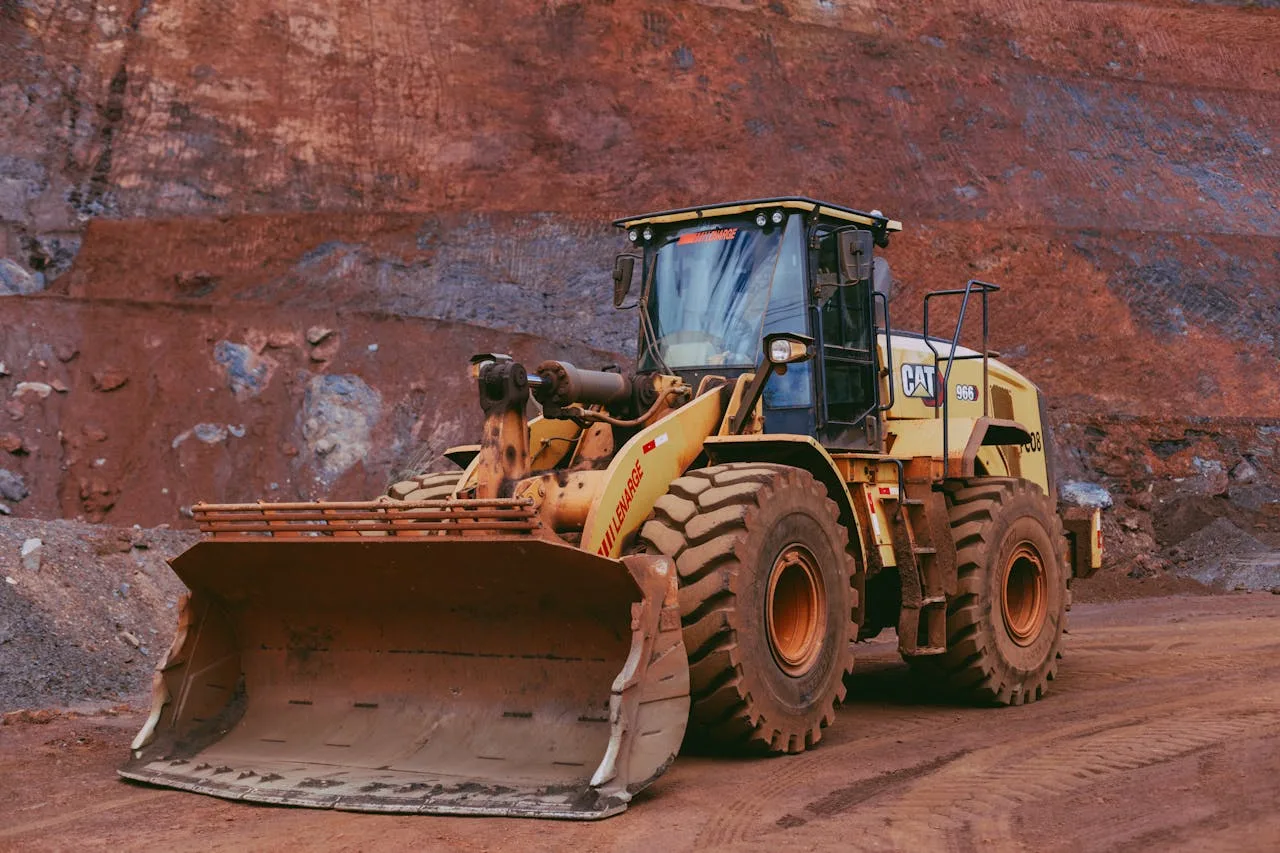
Portable hydraulic hose crimper solves one problem: you need to crimp a hose, and the workshop isn’t an option. A bulldozer bursts a line at a quarry. An excavator leaks at a construction site. A combine harvester needs a new hose during harvest — you can’t drive it to the shop. That’s when a portable unit pays for itself in a single job.
This guide compares five portable models from TRC’s lineup — battery-powered and manual — with real specs on weight, tonnage, hose range, and battery life. No marketing talk. Just what you need to decide which one fits your service truck.
Why Go Portable?
A bench-mounted hydraulic crimper gives you more tonnage, wider range, and faster cycles. Everyone knows that. But it stays in the shop. When a machine goes down in the field, you have two choices:
- Remove the hose, drive it to the shop, crimp a replacement, drive back, install it. That’s 2–4 hours of downtime.
- Crimp it on the spot with a portable unit. That’s 20 minutes.
For mining operations, construction companies, and agricultural dealers, the math is simple. A machine sitting idle costs $200–$500 per hour. A portable portable hydraulic hose crimper that handles the most common sizes on-site pays for itself within weeks.
According to Wikipedia’s article on crimping, a properly executed crimp creates a connection stronger than a soldered joint because no filler alloy is used. That principle applies whether you’re crimping at a workbench or in a muddy pit — the joint quality depends on the die, the force, and the operator, not the location.
5 Portable Hydraulic Hose Crimpers Compared
1. TRC P16HP — Compact Manual Crimper
- Tonnage: 95T
- Range: 10–45mm (up to 1″ 2-wire)
- Weight: 34 kg
- Power: Hand pump (no electricity or battery needed)
- Cycle time: 2–4 minutes
The P16HP is the lightest full-force crimper in TRC’s line. No cords, no batteries — just a hand pump and a die set. It covers hose sizes from ¼” to 1″ 2-wire, which is enough for most agricultural and light construction equipment.
Best for: Occasional field repairs where you don’t want to depend on battery charge or vehicle power. Also works as a backup when the shop electric unit is busy.
Drawback: Manual pumping gets slow if you’re doing more than 5–10 hoses in a session.
2. TRC P20CS — Battery-Powered Field Crimper
- Tonnage: 137T
- Range: 10–68mm (up to 1½” 4SP)
- Weight: 45 kg
- Power: 12V vehicle battery
- Cycle time: 10–12 seconds
The P20CS runs off any 12V car or truck battery. Clamp the leads, press the button, 10 seconds later the crimp is done. The 137-ton capacity handles hoses up to 1½” 4-spiral — enough for mid-size excavators, backhoes, and agricultural tractors.
Best for: Mobile hose repair services, construction site crews, farm equipment dealers.
Drawback: You need a vehicle nearby with a charged battery. Can’t run it from a wall outlet without an adapter.
3. TRC P20CSZ — Split-Body Battery Crimper
- Tonnage: 137T
- Range: Same as P20CS
- Weight: 42 kg (split)
- Power: 12V vehicle battery
Same specs as the P20CS, but the crimping head separates from the hydraulic power unit. Why does that matter? You can position just the head in tight spaces — inside an engine compartment, under a machine, between hydraulic cylinders — while the pump sits outside. The two parts connect with a quick-disconnect hose.
Best for: Heavy equipment repair where access is tight. Mining trucks, ship engine rooms, underground equipment bays.
Drawback: The quick-disconnect hose is one more thing to maintain. And the split design means a few extra seconds setting up each crimp.

4. TRC P20CSD — CNC Battery Crimper
- Tonnage: 137T
- Range: Same as P20CS
- Weight: 48 kg
- Power: 12V vehicle battery
- Control: Digital CNC with programmable profiles
This is the P20CS with a CNC brain. Same 137-ton force, same battery operation, but with digital readout and stored crimp profiles. Select the hose/fitting combination on the screen, and the machine calculates the exact die closure. No more counting pump strokes or checking die charts in the field.
Best for: Service operations that need documented crimp quality — mining safety compliance, aerospace ground support, military equipment maintenance.
Drawback: Heavier than the standard P20CS. And the digital display is one more thing that can fail in wet, dusty conditions. Always carry a backup manual.
5. TRC US18/US20 — Open-Head Portable Crimper
- Tonnage: 62T
- Range: 6–32mm (up to ¾” 2-wire)
- Weight: 28 kg
- Power: Manual hand pump
The lightest option. The open-head design means you can crimp hoses with pre-installed 90° elbows — something no closed-head portable can do. 62 tons covers up to ¾” 2-wire hose, which is enough for many automotive, agricultural, and light industrial applications.
Best for: Auto repair shops, small equipment dealers, anyone who regularly works with angled fittings.
Drawback: Limited to ¾” hose. Not enough force for 4-spiral applications.
Battery Life: The Real Numbers
Battery-powered models sound great until you’re 40 crimps into a day and the voltage drops. Here’s what to expect:
- 12V vehicle battery (engine running): Effectively unlimited as long as the alternator works. The crimper draws high current for 10 seconds per cycle — not enough to drain a healthy battery between alternator charges.
- 12V vehicle battery (engine off): 40–60 crimps on a standard car battery before voltage drops below the crimper’s minimum. Don’t push it — a deeply discharged battery won’t start the truck.
- 18V rechargeable pack (P18CS model): 60–80 crimps per charge. Carry a spare battery if you’ll do more than 50 crimps in a day.
Pro tip: always start the vehicle before crimping. It takes 5 seconds and saves you from a dead battery in the middle of a job site.
7 Tips for Field Crimping
Crimping in a workshop is easy — clean bench, good lighting, all your tools within reach. Field crimping is different. Here’s what experienced mobile technicians do:
- Clean the hose end before crimping. Dirt, mud, and hydraulic oil on the ferrule prevent a proper crimp. Wipe it with a rag. If you can, carry a small bottle of isopropyl alcohol.
- Check die size twice. In the shop, you have a wall chart. In the field, you’re working from memory or a laminated card in the truck. Wrong die = failed crimp. Verify the die number matches the hose/fitting spec before you compress.
- Stabilize the crimper. A portable unit sitting on uneven ground shifts during the crimp. Set it on a flat surface — the truck bed, a plywood sheet, or even the machine’s frame rail.
- Keep dies clean. A brass brush takes 20 seconds. Metal shavings from the last crimp left in the die cavity cause the next crimp to be out of round. Clean between every use.
- Pressure-test before returning to service. If you have a portable test bench, use it. If not, at least run the system at low pressure and check for leaks before you leave the site.
- Carry spare dies for your top 3 sizes. You will lose a die on a job site eventually. Having a spare for the sizes you use most means you finish the job instead of driving back to the shop.
- Protect the machine from weather. Rain, dust, and extreme cold all affect hydraulic seals. Cover the crimper when not in use. In sub-zero conditions, let the hydraulic oil warm up before the first crimp — cold oil produces sluggish, inconsistent pressure.

Portable vs Bench Model: When You Need Both
Most established hydraulic shops end up with two machines: a bench model for production work and a portable unit for field calls. Here’s why:
A bench-mounted hydraulic crimping machine like the P32A (200T, 12-second cycle) runs circles around any portable unit for volume work. If you’re making 30+ hoses a day in the shop, the bench model is the right tool. But it can’t leave the building.
A portable hydraulic hose crimper handles the field calls that keep your customers’ machines running. It’s not meant to replace the bench model — it’s meant to cover the 20–30% of jobs that happen off-site.
Budget tip: if you’re just starting a hydraulic hose business, buy a portable unit first. You can do shop work with it (slowly), and you can do field work with it (immediately). Add a bench model once the shop volume justifies it. On Reddit’s “Start a hydraulic hose repair business” thread (24 comments), several shop owners confirm: start portable, grow into bench equipment.
FAQ
Can a portable hydraulic hose crimper handle 2-inch 4-spiral hose?
No. Current portable models top out at 1½” 4-spiral (137 tons). For 2″ 4-spiral, you need a 200+ ton bench model. If your field work regularly involves 2″ hose, consider a truck-mounted bench unit with a power inverter.
How much does a portable hydraulic hose crimper weigh?
28 kg (US18, lightest) to 48 kg (P20CSD, heaviest). One person can move any of them short distances. For loading into a truck, two people or a ramp is safer.
Do I need a special battery?
For 12V models, any vehicle battery with a healthy charge works. Connect the alligator clips to the battery terminals, start the engine, and crimp. For 18V models, use the manufacturer’s battery pack — power tool batteries from other brands won’t fit without modification.
Is field crimping as reliable as workshop crimping?
Yes, if you follow the same process. Clean the hose end, use the correct die, and pressure-test the result. The machine doesn’t care where it sits — a 137-ton crimp is a 137-ton crimp. The variable is the operator, not the location.
Bottom Line
A portable hydraulic hose crimper is not a compromise — it’s a specialized tool for a specific situation: when the machine can’t come to the shop. For mobile repair services, construction crews, and agricultural dealers, a battery-powered model like the P16HP or P32A portable configuration turns a 3-hour downtime into a 20-minute fix.
Start with the hose sizes you actually see in the field. Match the tonnage to those sizes. And always — always — carry a spare die for your most common hose. The one time you don’t will be the one time you need it.