Tabla de Contenidos
- Por qué la selección de férulas es el 90% de un buen prensado
- Tipos de férulas: acero al carbono, acero inoxidable y aluminio
- Tabla de dimensiones de férulas por tamaño de manguera
- Proceso de selección de férulas en 5 pasos
- 3 errores de férulas que causan fallos en los conjuntos
- Preguntas frecuentes
Por qué la selección de férulas es el 90% de un buen prensado
A hose ferrule crimping tool is only as good as the ferrule it compresses. The ferrule — a cylindrical metal sleeve that slides over the hose before crimping — is the component that actually forms the seal. Get the ferrule wrong, and no crimper, no matter how precise, can produce a reliable assembly.
This is not an exaggeration. On Reddit, r/CarAV users consistently report ferrule-related issues: “The 1/0 ferrule does not fit diameter-wise for the ground or power distribution blocks. How can I evenly crimp the ferrule?” The problem in these cases is always ferrule selection — the wrong bore size, wrong wall thickness, or wrong material for the application.
A proper hose ferrule crimper — whether a hydraulic hose ferrule crimper for industrial work or a manual tool for smaller jobs — paired with the correct ferrule produces assemblies rated for working pressures up to 700 bar. The hydraulic hose crimp ferrule must match three things: the hose outer diameter, the fitting stem profile, and the pressure rating. Miss any one, and the assembly fails.

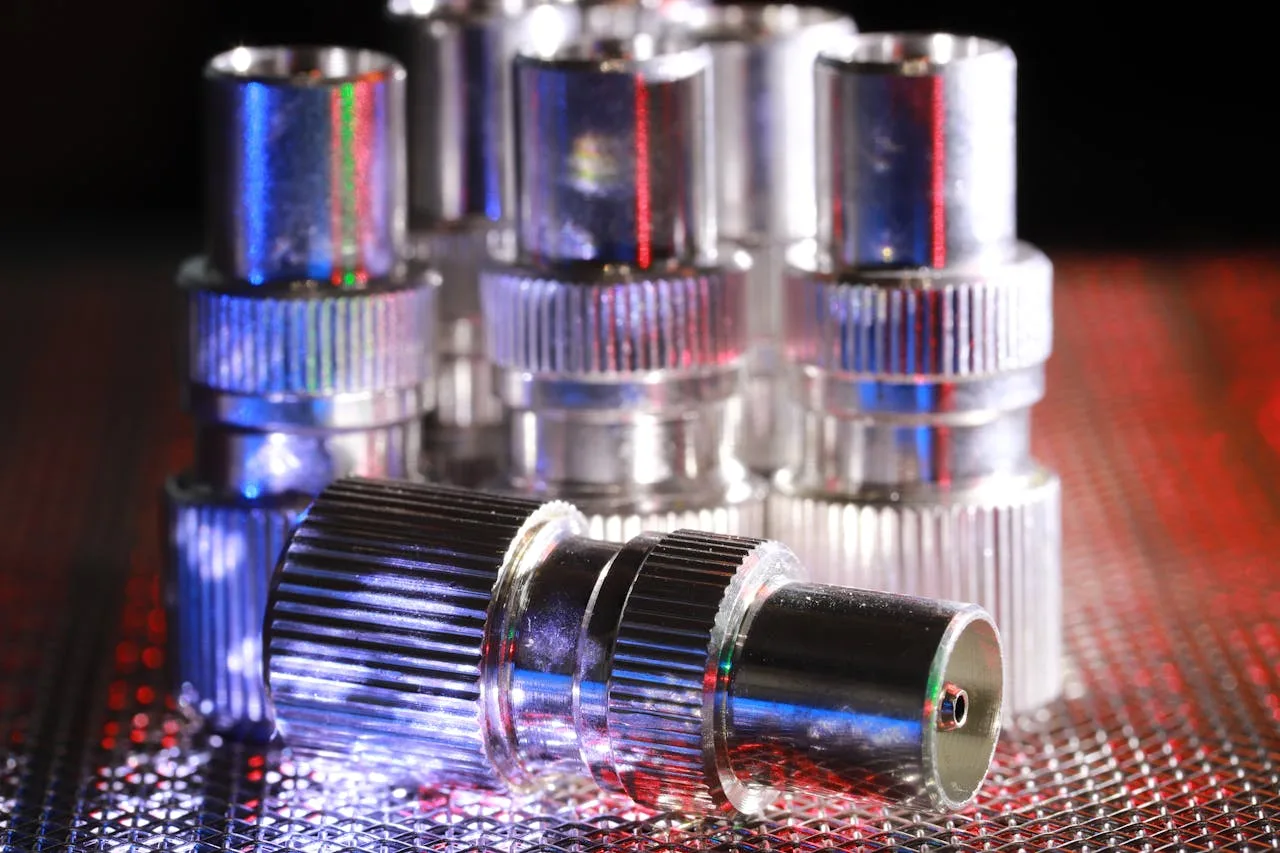
Ferrule Types for Your Hose Ferrule Crimping Tool
| Material | Dureza | presión Rating | Ideal para | Die requisito |
|---|---|---|---|---|
| Carbon steel | HRC 20–30 | Up to 700 bar | norma hydraulic assemblies | norma G7/G8 dies |
| acero inoxidable | HRC 25–35 | Up to 420 bar | Marine, food-grade, corrosive environments | Oversized die cavity |
| Aluminum | HB 60–80 | Up to 100 bar | AC refrigerant, low-presión fuel | AC-specific dies |
Carbon steel ferrules account for about 80% of all hydraulic assemblies. They deform predictably under prensa hidráulica pressure, forming a cold-weld bond with the hose reinforcement. The crimping process compresses the ferrule to a specific diameter, measured with a vernier caliper.
Stainless ferrules resist corrosion but are harder to crimp consistently. They require dies with a slightly wider cavity (0.1–0.2mm larger than carbon steel for the same nominal size) to prevent over-crimp. Always check the crimper dies specification sheet for stainless-rated die profiles. For more on material properties, see Wikipedia: Stainless Steel.
Tabla de dimensiones de férulas por tamaño de manguera
Ferrule dimensions are not universal. Two ferrules labeled “3/8″” from different manufacturers may have different bore diameters, wall thicknesses, and overall lengths. Here is the standard sizing reference for one-piece hydraulic fittings:
| tamaño de manguera (Dash) | ID de Manguera | Ferrule Bore (Typical) | Ferrule OD Before Crimp | Target diámetro de prensado |
|---|---|---|---|---|
| -4 | ¼″ (6.3mm) | 11.5–12.0mm | 15.0–15.5mm | 13.2–13.6mm |
| -6 | ⅜″ (9.5mm) | 14.5–15.0mm | 18.5–19.0mm | 16.5–17.0mm |
| -8 | ½″ (12.7mm) | 18.0–18.5mm | 22.5–23.0mm | 20.2–20.6mm |
| -10 | ⅝″ (15.9mm) | 21.5–22.0mm | 27.0–27.5mm | 24.5–25.0mm |
| -12 | ¾″ (19.0mm) | 25.0–25.5mm | 31.0–31.5mm | 28.2–28.6mm |
| -16 | 1″ (25.4mm) | 32.5–33.0mm | 39.0–39.5mm | 35.8–36.2mm |
These are reference ranges. The exact target crimp diameter comes from the fitting manufacturer’s specification sheet, which accounts for the specific ferrule wall thickness and hose construction. The SAE J517 standard defines hose construction, but ferrule dimensions vary by manufacturer. For cutting hoses to the correct length before ferrule installation, use a hydraulic hose cutting machine.
Proceso de selección de férulas en 5 pasos
- Identify the hose type. Wire-braid (DIN EN 853 / ISO 8434) or wire-spiral (DIN EN 856). The hose construction determines the ferrule wall thickness requirement. For wire-braid hoses requiring external skiving, use a hose skiving machine to strip the cover before fitting insertion.
- Match the hose dash size to the ferrule. A -6 (⅜″) hose uses a -6 ferrule. Never mix dash sizes — the ferrule bore must match the hose OD within 0.5mm. For a manual crimper that handles -4 through -16, see the P16HP manual crimper.
- Check the fitting manufacturer. Parker ferrules have different dimensions than Gates ferrules for the same dash size. Use the manufacturer’s specification sheet.
- Select the die series. G7 for DIN one-piece, G8 for interlock, UN24 for Parker, UN25 for Gates. See the prensa hidráulica die compatibility table. For the full die selection guide, visit our hydraulic hose fitting crimping tool page.
- Verify with a test crimp. Crimp one assembly, measure the crimp diameter with a vernier caliper, and compare against the spec. Adjust if needed before running production. For high-volume work, an electric hydraulic hose crimper with automatic die recognition ensures consistency across batches.

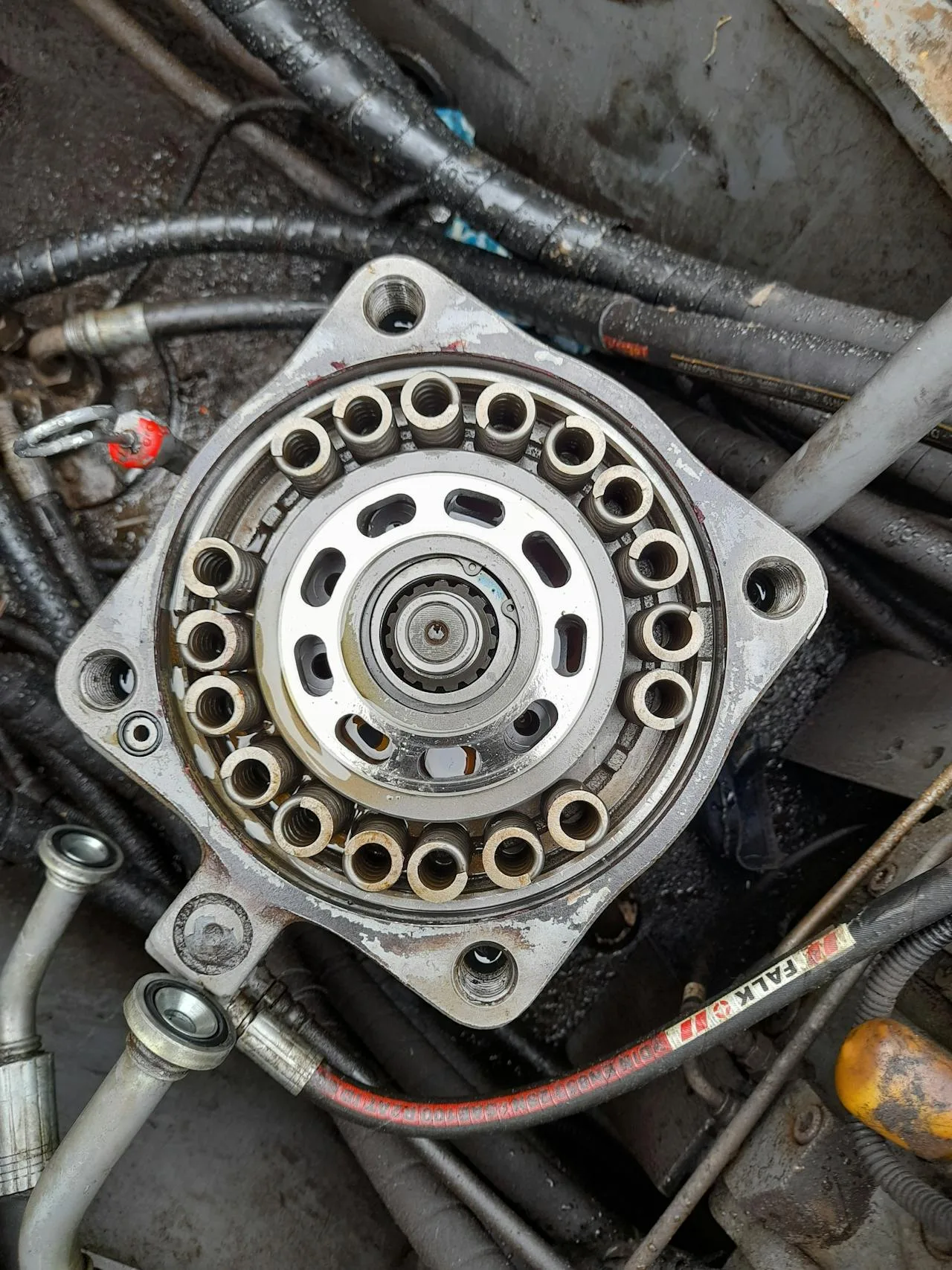
3 Hose Ferrule Crimping Tool Mistakes That Cause Failures
1. Mezclar marcas de férulas
Una férula Parker -8 en una conexión Gates -8 no producirá el prensado correcto. El grosor de pared difiere en 0,15-0,25 mm — suficiente para causar fugas por encima de 250 bar.
A user on Reddit reported: “I bought some Vevor hose off Amazon and some JIC crimps. The dies are off.” The crimper was fine — the ferrule was the wrong brand for the die. Always buy crimper dies matched to your fitting brand.
2. Longitud de férula incorrecta
The ferrule must be long enough to grip the hose reinforcement and the fitting stem. If too short, it only grips the outer rubber cover — no mechanical lock on the wire braid.
The assembly looks correct but has no strength. Always verify ferrule length against the fitting datasheet. See our crimping tool for hydraulic hoses guide.
3. Reutilizar férulas
Ferrules are single-use components. Once crimped, the metal has undergone plastic deformation and cannot return to its original shape.
Removing and re-crimping a used ferrule produces an unreliable seal. On r/Tools, a user with 30+ years of experience stated: “Improperly crimped hoses are dangerous.” See our hydraulic crimp tool guide.
Prensado excesivo vs insuficiente: cómo distinguirlos
Under-crimped: the hose can pull out of the fitting under pressure. The crimp diameter is larger than the spec range. The ferrule does not show full compression marks around the circumference.
Over-crimped: the inner rubber tube is cracked or crushed. Hydraulic oil enters the wire reinforcement layer, travels along the wire to the ferrule tail, and either leaks externally or accumulates until the hose bulges and bursts. The crimp diameter is smaller than the spec range. See the hose crimp failures guide for detailed troubleshooting photos.
Both conditions are dangerous. The DIN ferrule connection standard covers working pressures from 250–800 Bar with carbon or stainless steel ferrules in sizes 4–42mm. Within this range, the correct crimp diameter varies by only ±0.05mm — which is why measuring with a vernier caliper after every crimp is not optional, it is mandatory. For more crimping tips, see our crimp hydraulic hose tips guide.
¿Necesita ayuda para seleccionar la férula adecuada?
Send us your hose type and fitting part numbers. We will recommend the correct ferrule and die combination for your manual hydraulic hose crimper or electric model.
Preguntas Frecuentes
¿Cómo sé si mi férula es del tamaño correcto?
Slide the ferrule onto the hose before inserting the fitting. It should fit snugly with less than 0.5mm clearance.
If it slides on loosely, the bore is too large. If it requires force, the bore is too small and may not compress evenly. Match the ferrule to your hydraulic hose crimper die set.
¿Puedo usar una férula de acero inoxidable con matrices estándar?
No. El acero inoxidable es más duro que el acero al carbono y se deforma menos bajo la misma presión. Usar una matriz estándar en una férula de acero inoxidable produce un conjunto con prensado insuficiente. Necesita matrices con una cavidad ligeramente más ancha (0,1-0,2 mm más grande) clasificadas para acero inoxidable.
¿Cuál es la diferencia entre una férula y un manguito?
In hydraulic terminology, they are the same component. “Ferrule” is more common in DIN/ISO standards. “Sleeve” is more common in SAE standards. Both refer to the metal ring that gets compressed around the hose during crimping.
¿Necesito lubricar la férula antes del prensado?
No. La férula debe estar limpia y seca. El lubricante entre la férula y la cubierta exterior de la manguera reduce la fricción durante el prensado, lo que puede causar que la manguera se salga de la férula. Esto resulta en un prensado irregular.
¿Cuántas veces puedo usar una férula?
Una vez. Las férulas sufren deformación plástica permanente durante el prensado. No se pueden volver a prensar de forma fiable. Siempre use una férula nueva para cada conjunto.
¿Qué pasa si el diámetro interior de la férula es demasiado grande?
La matriz comprime la férula, pero la férula no hace contacto completo con el refuerzo de la manguera. El resultado es un conjunto flojo que tiene fugas a la presión de trabajo. El diámetro de prensado puede parecer correcto, pero la unión mecánica es débil.
¿Puedo prensar una férula sin una herramienta dedicada?
For low-pressure applications (fuel lines, coolant hoses), pliers or a vice can compress soft aluminum ferrules. For hydraulic applications, a proper electric hydraulic hose crimper or manual model is mandatory. The Pascal’s law principle in hydraulic crimpers ensures even radial compression that manual methods cannot achieve.
¿Cuál es la vida útil de las férulas sin prensar?
Carbon steel ferrules can oxidize if stored in humid conditions. In a dry indoor environment, they have no practical shelf life. Stainless and aluminum ferrules do not corrode and can be stored indefinitely. Store ferrules away from hydraulic hose crimper machines to prevent oil contamination.



 English
  Español
  Русский