Crimping Tool for Hydraulic Hose: Die Compatibility Chart
A crimping tool for hydraulic hose assemblies is only as good as the die set inside it. The right crimping tool hose setup prevents two failures: a leak under pressure or a pull-apart under load. This guide breaks down die compatibility by hose type, fitting style, and tonnage so you get it right the first time.
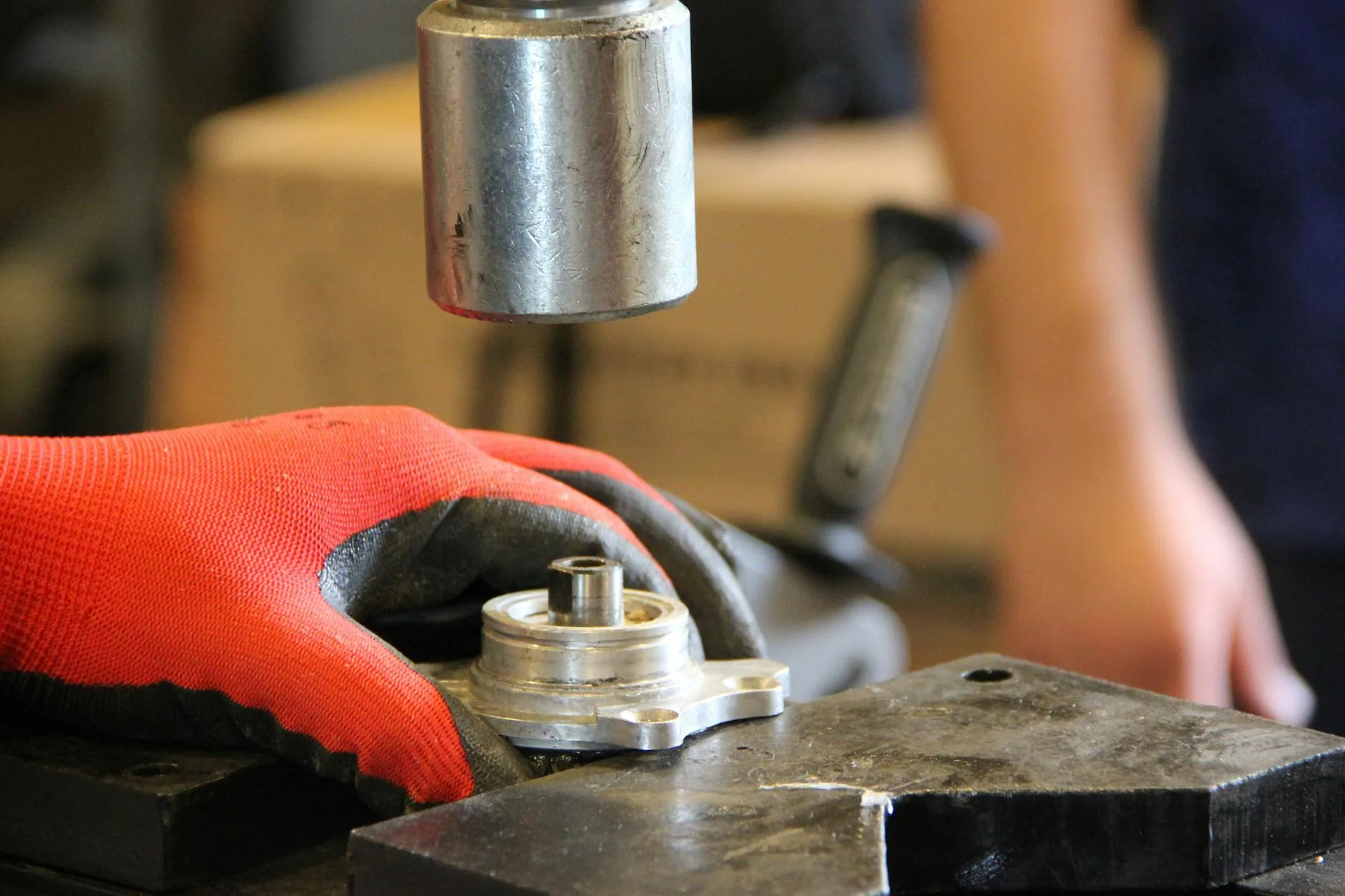
Tabla de Contenidos
Quick Specs: What You’re Matching
| Parámetro | Por qué importa | Typical Range |
|---|---|---|
| Tonelaje | Debe exceder el mínimo para su tamaño de manguera | 50–830 T |
| Hose range | Determina qué juegos de matrices necesita | ¼″–6″ |
| Die series | Debe coincidir con su modelo de máquina | P16 / P32 / US18 / YB120L |
| Fitting type | Una pieza vs interlock usan matrices diferentes | See tabla below |
| Tolerancia de prensado | profesional: ±0.05 mm, presupuesto: ±0.2 mm | ±0.03–0.2 mm |
| Cycle time | Afecta el volumen de producción diario | 6–45 seconds |
¿Qué es una herramienta de prensado de mangueras hidráulicas?
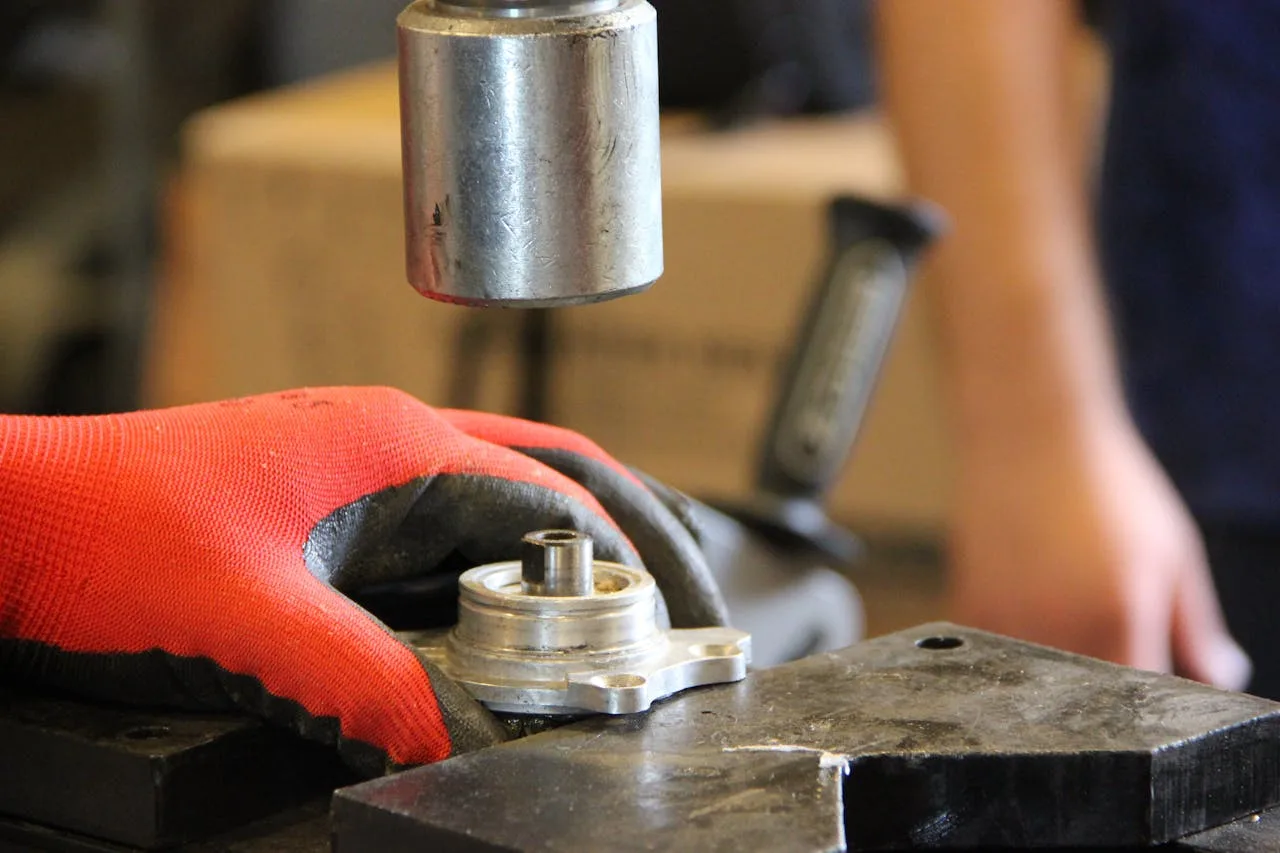
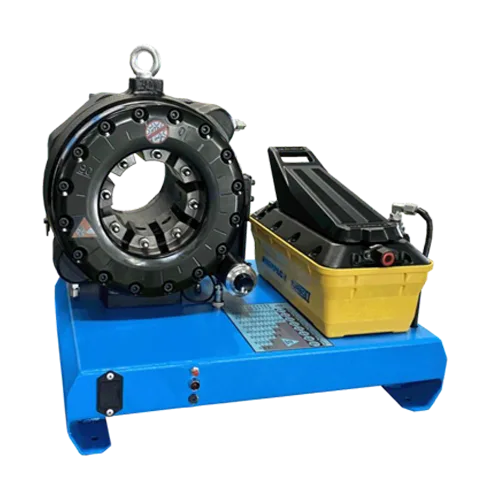
A hydraulic hose crimper (also the most common crimping tool hydraulic configuration) uses pressurized hydraulic fluid to compress segmented dies inward around a metal ferrule. The ferrule deforms permanently, creating a mechanical lock between the fitting stem and the hose reinforcement. Typical working pressures range from 3,000 to 6,000 PSI depending on hose size and wire construction, with burst ratings 4x higher. A crimping tool hydraulic hose system operates at up to 31.5 MPa — standard for industrial crimping machines.
The process relies on Pascal’s Law — the same principle Joseph Bramah used to invent the hydraulic press in 1795. A small force on a small piston creates high pressure in the hydraulic fluid, which then acts on a larger piston to generate massive radial force at the die face. A 10 kg push on a hand-pump lever becomes 100+ tons at the ferrule.
Tabla de compatibilidad de matrices para su herramienta de prensado
Esta es la referencia principal. Cada combinación de tamaño de manguera + tipo de conexión usa un número de matriz específico. Usar la matriz incorrecta es la causa #1 de fallo de prensado.
Understanding Hose construcción
A hydraulic hose has three layers: an inner rubber tube that carries the fluid, a reinforcement layer (1-wire braid, 2-wire braid, 4-spiral, or 6-spiral steel wire), and an outer rubber cover that protects against abrasion and weather. The crimping tool hydraulic force deforms the ferrule into the reinforcement layer — not the inner tube. This is why correct tonnage matters: too much force crushes the inner tube, too little leaves the ferrule loose on the wire.
Die Number = tamaño de manguera + Fitting Type
| Hose Size | SAE Type | One-Piece Die | Interlock Die | Min Tonnage |
|---|---|---|---|---|
| ¼″ (DN6) | R1 / R2 | Standard #6 | Interlock #6 | 60 T |
| ⅜″ (DN10) | R1 / R2 | Standard #8 | Interlock #8 | 60 T |
| ½″ (DN13) | R1 / R2 | Standard #10 | Interlock #10 | 60 T |
| ¾″ (DN19) | R2 / R12 | Standard #12 | Interlock #12 | 120 T |
| 1″ (DN25) | R2 / R12 | Standard #16 | Interlock #16 | 120 T |
| 1¼″ (DN32) | R12 | Standard #20 | Interlock #20 | 200 T |
| 1½″ (DN38) | R12 / R13 | Standard #24 | Interlock #24 | 200 T |
| 2″ (DN50) | R12 / R13 | Standard #32 | Interlock #32 | 200 T |
| 3″ (DN75) | R13 / R15 | Heavy #48 | Interlock #48 | 800 T |
| 4″ (DN100) | R13 / R15 | Heavy #64 | Interlock #64 | 1,200 T |
Rule: Any crimping tool hydraulic setup starts with matching the die number the machine’s die series. A P16 die won’t fit a P32 crimper. Check your machine manual before ordering crimper dies.
Requisitos de tonelaje por tamaño de manguera
Not enough tonnage = undercrimp. The ferrule doesn’t compress enough and the fitting pulls out under pressure. Here’s what you need:
| Hose Size | Wire Type | Min Tonnage | Máquina recomendada |
|---|---|---|---|
| ¼″–½″ | 1-wire (R1) | 50–95 T | P16HP manual hand pump (95 T) |
| ¾″–1″ | 2-wire (R2) | 110–137 T | P18HP (110 T) or P20HP (137 T) |
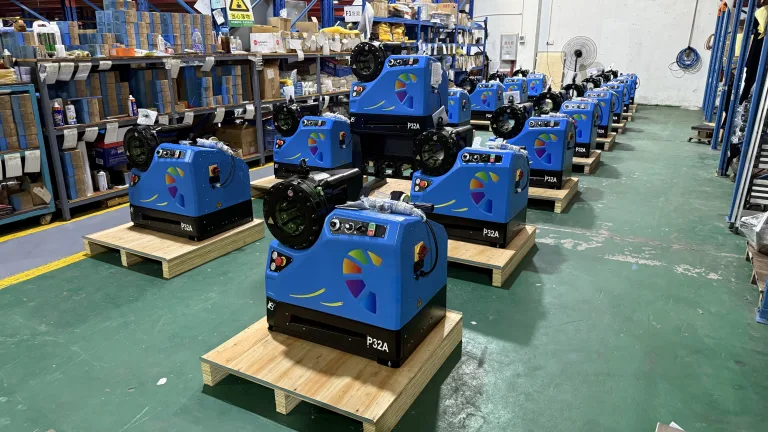
| 1¼″–2″ | 4 espirales (R12) | 200 T | P32A CNC eléctrica (200 T) |
| 2″–3″ | 6 espirales (R13) | 245–280 T | TRC120L CNC floor modelo (245 T) |
| 4″–6″ | 6-spiral (R15) | 500–830 T | P175 producción press (830 T) |
Manual vs Electric vs Battery Crimping Tools
| Factor | Manual (Hand Pump) | Electric (Bench-Top) | Battery (inalámbrica) |
|---|---|---|---|
| Tonnage range | 50–137 T | 50–830 T | 50–200 T |
| Max hose size | 1½″ | 6″ | 2″ |
| Cycle time | 30–45 seconds | 8–15 seconds | 10–20 seconds |
| Daily capacity | 30–60 crimps | 100–400+ prensados | 60–120 crimps |
| Fuente de energía | Human force | 220V / 380V | Li-ion battery |
| Precisión de prensado | ±0.1 mm | ±0.03–0.08 mm | ±0.08 mm |
| Coste | $300–1,200 | $1,500–15,000 | $2,000–5,000 |
| Best for | Reparación de campo, bajo volumen | Producción de taller | servicio móvil truck |
Cómo elegir la herramienta de prensado correcta para trabajo hidráulico en 3 pasos
Paso 1: Enumere sus 3 tamaños de manguera principales
Look at your work orders from the past month. What hose tamaños do you crimp most often?
Write them down. This determines your minimum tonnage.
Paso 2: Revise sus tipos de conexión
Hose fittings come in four categories: one-piece (simplest, no skiving needed), interlock (requires skiving the outer rubber, strongest grip), crimp-on (pre-assembled ferrule + stem), and reusable (field-installable, no crimper needed). Most workshops use one-piece for R1/R2 hose and interlock for R12/R13 spiral hose.
Interlock fittings require skiving (removing the outer rubber) and a separate die set. If you service 4-spiral or 6-spiral hose (R12/R13), you need interlock dies. SAE J517 defines R13 as a 6-spiral hose used in mining and heavy equipment.
Paso 3: Empareje la máquina con el entorno de trabajo
- Fixed workshop with power: Electric CNC crimper — fastest, most accurate
- Service truck, no power: Manual hydraulic crimper — reliable, no batteries
- Mobile, multiple sites per day: Battery-powered portable crimper — fast without dragging cables
Crimp Quality & Tolerance
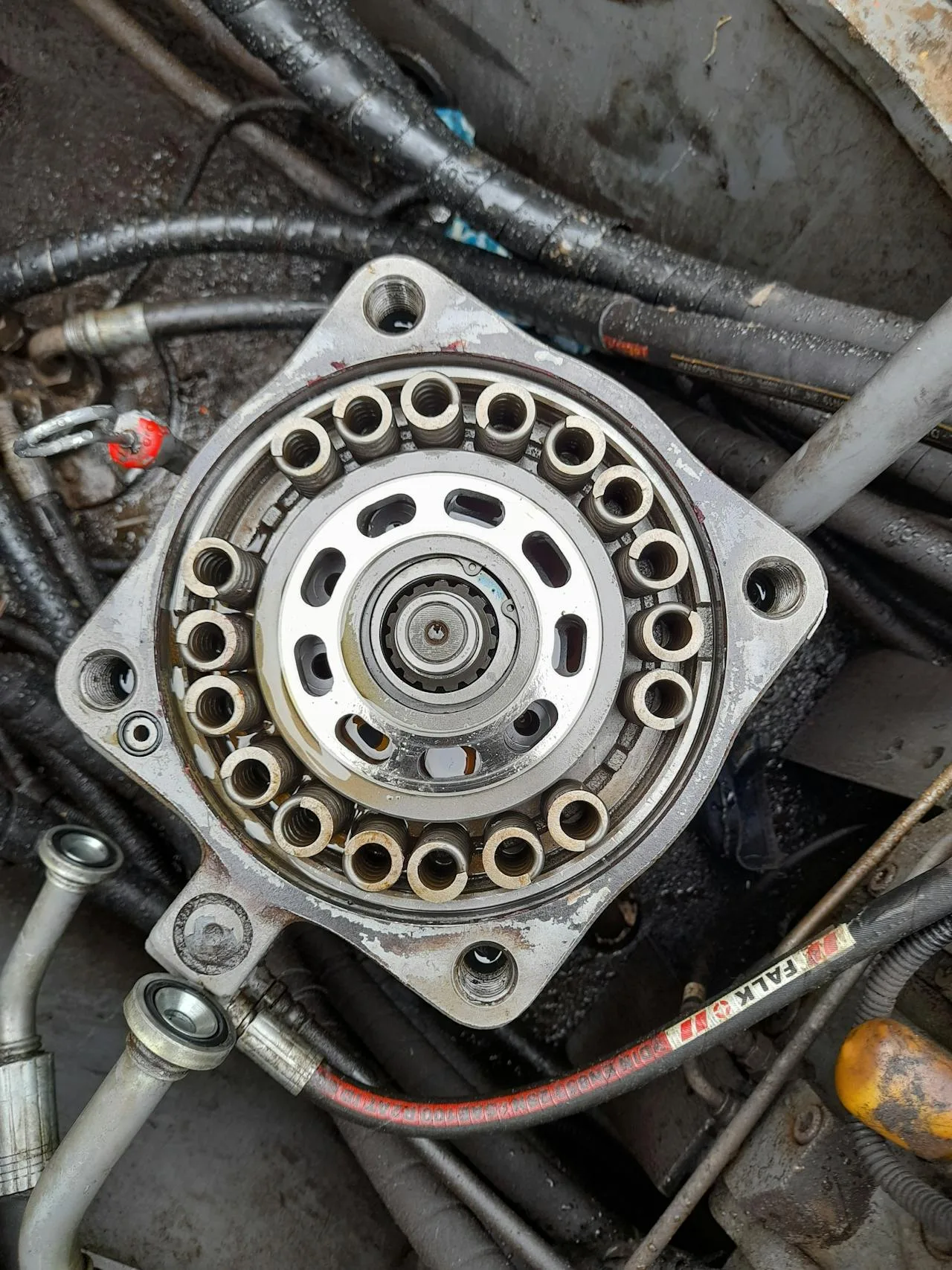
According to crimp specification standards, the crimped ferrule diameter must match the manufacturer’s specification within a tight tolerance. Here’s what different tolerance levels mean in practice:
| Tolerancia | Machine Type | Failure Rate |
|---|---|---|
| ±0.03 mm | CNC with servo control | < 0.1% |
| ±0.05 mm | CNC standard | < 0.3% |
| ±0.1 mm | eléctrica auto-return | 0.5–1% |
| ±0.2 mm | manual / presupuesto | 2–5% |
At ±0.2 mm tolerance, you’ll get 1 bad crimp for every 20-50 assemblies. At ±0.03 mm, you’ll get 1 bad crimp per 1,000. When a blown hydraulic hose on a mining truck costs $5,000+ in downtime, that difference matters.
5 errores comunes de prensado (y cómo solucionar cada uno)
1. Matriz Incorrecta para el Tipo de Conexión
Symptom: Ferrule is oval after crimp. Fix: Match die number to hose size AND fitting type (one-piece vs interlock).
2. serie de matrices Mismatch
Symptom: Die won’t seat properly in the holder. Fix: P16 dies only fit P16 machines. Check the die series before installation.
3. Skipping calibración
Symptom: First assemblies fail pressure test. Fix: Fill the machine with hydraulic fluid (68# anti-wear oil) to 2/3 sight glass.
Set the micrometer stop (each mark = 0.01 mm, full turn = 1 mm). Always do a test crimp and measure with a digital caliper at 3 points before production runs.
4. Worn Dies
Symptom: Deep ridges on ferrule surface, inconsistent diameters. Fix: Replace dies after 5,000–10,000 crimps. Professional dies show visible scoring when worn.
5. Incorrect Insertion Depth
Symptom: Ferrule pulls back during crimp. Fix: Cut hose to length with a hydraulic hose cutting machine.
Mark the insertion depth before crimping. If the mark moves, the fitting wasn’t seated.
Die Material and Lifespan
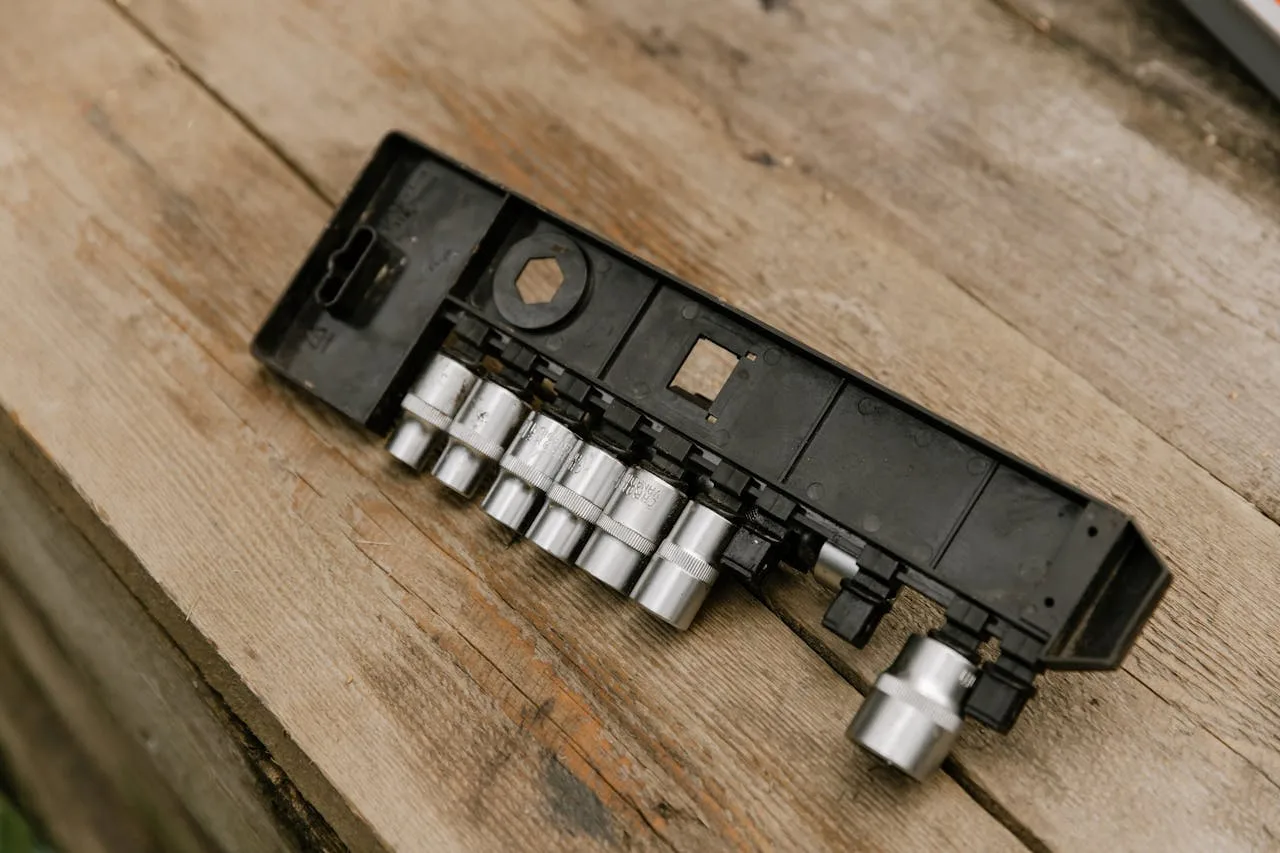
Profesional crimper dies are made from Cr12MoV or SKD11 tool steel, hardened to HRC 58-62. At this hardness, they last 5,000-10,000 crimps depending on the hose type. Budget dies made from lower-grade steel (HRC 40-45) wear out in 500-1,000 crimps. For any crimping tool for hose work, die quality is the single biggest factor in crimp consistency.
| Die Quality | Material | Dureza | Lifespan | Coste |
|---|---|---|---|---|
| Profesional | Cr12MoV / SKD11 | HRC 58-62 | 5,000–10,000 prensados | $30-80/set |
| Económica | Low-acero al carbono | HRC 40-45 | 500–1,000 prensados | $10-25/set |
“We switched from budget dies to Cr12MoV after losing $3,000 in scrap hose in one month. The professional dies paid for themselves in the first week.” — Workshop supervisor, hose assembly shop, Alberta, Canada
The tool steel composition chart on Wikipedia shows why Cr12MoV outperforms low-carbon alternatives: the 12% chromium content forms carbides that resist abrasion, while molybdenum and vanadium improve toughness at high hardness.
Preguntas Frecuentes
¿Qué tonelaje necesito para mi herramienta de prensado de mangueras hidráulicas?
Match tonnage to your largest hose: ¼″–½″ needs 50–95 T, ¾″–1″ needs 110–137 T, 1¼″–2″ needs 200 T, 2″–3″ needs 245–280 T, 4″–6″ needs 500–830 T. Always buy one size larger than your current maximum — you will eventually need it.
¿Puede una herramienta de prensado manejar todos los tamaños de manguera?
Within its tonnage range, yes — by changing juego de matricess. Each tamaño de manguera + fitting combination uses a specific die.
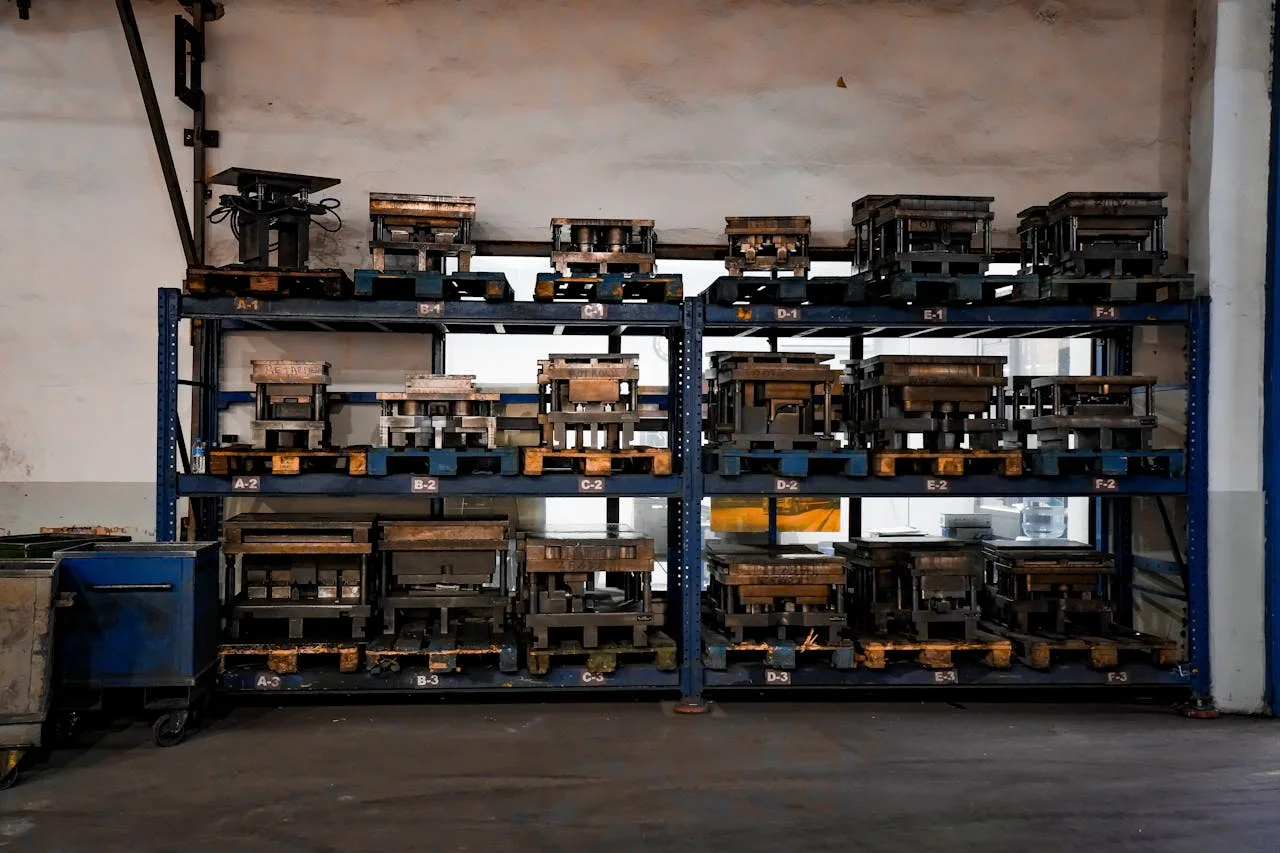
Most hydraulic crimpers include 6-14 standard die sets. Non-standard sizes are available with 7-14 day lead time.
¿Con qué frecuencia debo reemplazar las matrices de prensado?
Profesional hydraulic crimping tool dies (Cr12MoV, HRC 58-62) last 5,000–10,000 crimps. Check every 2,000 crimps for visible scoring on the die faces. Budget dies wear out in 500–1,000 crimps.
¿Necesito control CNC en mi herramienta de prensado?
Only if you do 50+ crimps per day across multiple hose sizes, or when ISO traceability requires data logging. For single-size or low-volume work, a semi-auto electric hydraulic hose crimper gives the same crimp quality at lower cost.
¿Cuál es la diferencia entre prensadoras de cabeza abierta y cerrada?
Closed head gives ±0.03 mm precisión for conexión rectas — best for de alto volumen production. Open head allows 90° elbow prensado at ±0.05 mm precisión — necessary for pre-formed ensamblajes de manguera. Most tallers need a closed head máquina; servicio de campo teams often prefer open head.
Need Help Choosing the Right herramienta de prensado?
Tell us your top 3 hose sizes and daily volume. We’ll recommend the right model and die sets within 24 hours.

 English
  Español
  Русский