
An automotive hose cutter should be selected for the material being cut. Coolant hose, air line, refrigerant hose and reinforced hydraulic hose do not place the same load on a blade.
Do not treat “automotive” as one material category.
Sort the service list by material before buying tools
An automotive workshop cuts coolant, air, fuel and A/C hose but also encounters hard brake tube. Treating all of these as one material class produces poor tool choices; the cutter list must be separated by hose construction and by rigid-tube work.
Define the hose list
Record the hose purpose, construction, OD, wall thickness and reinforcement. An automotive rubber hose cutter intended for soft coolant hose may crush or fray a reinforced line. An air line hose cutter may be designed for small flexible tube and should not be used on brake tube, cable or wire-reinforced hydraulic hose unless the manufacturer states that application.
What a useful cut looks like
The end should be square enough for the specified fitting process, with no crushed bore and no loose reinforcement that interferes with insertion. Inspect the inside as well as the outer edge.
Cut length must include the fitting insertion allowance. This is a recurring real-world user question: cutting the hose to the finished assembly length before accounting for fitting take-up produces a short assembly.
| Material group | Common shop task | Cutter concern | Keep separate from |
|---|---|---|---|
| Soft coolant or air hose | Replacement length | Crushing and angled hand cuts | Wire-reinforced hydraulic hose |
| Refrigerant barrier hose | A/C assembly | Clean square face and component control | Brake tube |
| Wire-reinforced hydraulic hose | Power steering or equipment line | Blade power, wire pull and debris | Unreinforced rubber |
| Metal brake tube | Formed line repair | Tube cutting, deburring and flare process | Hose crimping |
Warning: “Automotive hose” describes where a part is used, not how it should be cut. Confirm construction and service before selecting the tool.
Hand tool or powered cutter?
Use a hand tool for a material and frequency it can control safely. Repeated cutting, large OD or reinforced construction can justify a powered machine with better work holding.
Compare:
- largest actual hose OD;
- cut frequency;
- available power;
- blade replacement;
- safe holding and guarding;
- debris cleanup;
- workbench or vehicle space.
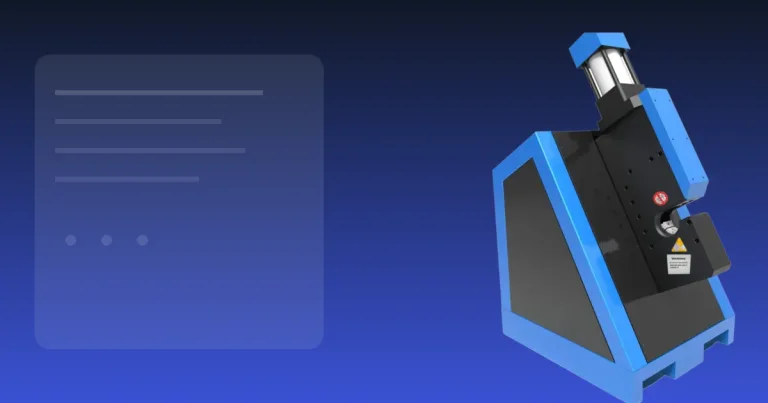
TRC records C250AC for hose up to 1 inch 4SH, with a 250 × 3.5 × 32 mm blade, 1.5 kW three-phase 380 V motor and 22 kg net weight. C250CS is the portable 12 V route listed in the current product and URL set.
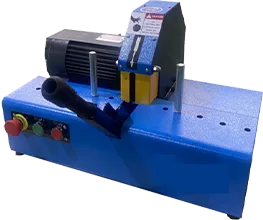
| Shop condition | C250AC direction | C250CS direction |
|---|---|---|
| Fixed bench and three-phase supply | Stronger fit | Portability adds little |
| Vehicle-based service | Requires suitable generator or shop return | 12 V route deserves review |
| Repeated long material | Add entry and exit support | Vehicle layout may limit support |
| Mixed hose construction | Trial each material | Trial each material |
Review the C250AC product record or C250CS 12 V cutter only after the service list is separated.
Keep the process separated
This article covers rubber and air-line hose selection. It does not recommend a tool for steel brake tube, electrical cable or every hydraulic hose. Those materials need their own tooling and preparation rules.
For reinforced hose work, review the hydraulic hose cutter range. Provide hose samples when the construction is uncertain. A short cut trial can reveal crushing, fraying and feed problems before a machine is purchased.
Build the tool list from materials, not vehicles
A workshop may call every flexible line an automotive hose, but fuel hose, coolant hose, air line and refrigerant hose do not share one construction. Sort the work by material and reinforcement first. Keep steel brake tube and rigid plastic line out of this cutter decision.
For each hose, note whether a hand cutter leaves the bore round and the face square. Repeated force, torn reinforcement or a crushed end signals that the method is outside its useful range. A powered cutter still needs controlled holding; power does not make an unsuitable blade safe.
Test the difficult end, not the easiest sample
For a powered cutter trial, bring the hose with the highest reinforcement, smallest bend radius in storage and most demanding downstream fitting. Cut at least three pieces after the setup is stable.
| Trial record | Why it matters |
|---|---|
| Hose marking and measured OD | Prevents the sample being confused with another material |
| Stock condition, straight or coiled | Shows the handling burden |
| Blade and machine | Makes the result reproducible |
| Squareness, bore shape and loose material | Connects the cut to assembly quality |
| Operator intervention | Exposes hidden hand work |
Use accepted pieces per hour = 60 ÷ observed minutes per accepted piece. Count cleanup and inspection. Blade time alone is a poor basis for staffing a service bay.
Organize the bench to avoid cross-contamination
Keep cut pieces and scrap from refrigerant, fuel, coolant and compressed-air work separated. A visually clean end can still carry fragments from the blade area or bench. Clean the tool and work surface when changing material groups, then cap or protect prepared ends if they will not be assembled immediately.
This is also a traceability issue. If a vehicle returns with a problem, the job record should identify the hose type, cutter or hand tool and the inspection performed. The record does not need to be long, but “black rubber hose” is not enough to reconstruct the process.
Write a refusal rule for unidentified material
A counter technician may receive a short dirty sample with no readable marking. Physical appearance is not enough to decide whether it is refrigerant, fuel, coolant or hydraulic hose.
Ask for vehicle application, fluid service, original part information and readable markings from an uncut section. If the material remains unknown, send the customer to the appropriate system specialist instead of making a replacement with guessed components.
Keep the cutter inside the complete repair route
For hydraulic hose, cutting is followed by cleaning, insertion, crimping and verification. For A/C hose, the fitting and sleeve system plus refrigerant service rules control the job. For brake tube, tube preparation and flaring form another process.
The best automotive workshop owns several controlled routes. One “universal” cutter rarely replaces the need to identify the material and downstream connection.
A practical four-job example
A vehicle workshop receives a coolant hose, a reduced-barrier A/C hose, a wire-reinforced power-steering hose and a steel brake tube on the same morning.
The coolant hose may suit a sharp hand tool after a sample confirms a round bore and square face. The A/C hose needs a clean cut plus the approved refrigerant-hose assembly process. The reinforced hydraulic hose belongs on a guarded powered cutter matched to its construction. The brake tube goes to a tube cutter and flare process, outside the hose-crimper route.
That is four material decisions, not one automotive-cutter decision.
Record fitting take-up before cutting replacement length
A recurring user mistake is to measure the old assembly end to end and cut the new hose to that same length. Fittings add length and their stems insert into the hose.
Use the component drawing or measure an approved sample to relate cut length to finished assembly length. Mark which reference points define the finished length.
If the old assembly has stretched, failed or uses different fittings, it may be a poor template. Confirm vehicle routing, bend allowance and fitting orientation before final assembly.
Keep field cutting stable
A 12 V cutter such as the C250CS route still needs secure mounting and a clear material path. Do not balance it on a service-truck edge while holding a coiled hose.
Plan battery connection, cable routing, die and tool storage, scrap collection and lighting. A portable machine is only useful when the technician can make the same controlled cut away from the main bench.
Give each material its own bin and instruction
Label stock by service and specification. Keep A/C barrier hose, coolant hose, air line and reinforced hydraulic hose separated.
The operator should not select a cutter because two hoses share the same outside color. The job card should name the material and the approved tool route.
Recheck the repaired system boundary
Cutting prepares one part. Vehicle-specific installation, routing, pressure or refrigerant service still follows the correct manual and qualified process.
Do not present a clean cut as proof that the complete automotive repair is safe. The fitting, assembly and system tests remain separate.
Use the failed cut to improve the tool list
When a hand cutter crushes a hose or a powered cutter pulls wire, record the material and defect. Assign a different method or remove that material from the shop’s service promise.
Over time, the defect log becomes a practical tool-selection map based on actual work.
Give the service adviser a stop question
Ask: “What fluid or system did this line serve, and is the marking readable?” If the answer is unknown, do not send the piece straight to the cutting bench.
This short question prevents brake, refrigerant, fuel and hydraulic work from being treated as one black-hose job.
Keep replacement length traceable
Record cut length, fitting references and finished assembly reference points. If the vehicle returns, the technician can see whether the error came from cutting, fitting take-up or routing.
Do not keep only a photograph of the old line on the floor.
Cap the finished piece when the system procedure requires it, label the job and move it to the correct assembly route. A cut automotive hose left loose on a mixed bench can lose both cleanliness and identity.
The tool decision is finished only when that handoff is controlled.
Document the next station.
OSHA 1910.212 provides general machine-guarding context for powered cutting equipment. Parker’s hose technical handbook connects cutting and preparation in hydraulic-hose assembly. Neither source applies one cutter to every automotive material.
Separate the vehicle job from the cutting job
An automotive workshop may see fuel hose, coolant hose, refrigerant hose and wire-reinforced hydraulic hose in the same week. The word “automotive” does not make them one cutting application. Their reinforcement, cover, cleanliness needs and service procedures differ, so we recommend an incoming-material check before the hose reaches any cutter.
For an illustrative fleet shop, the hand cutter remains useful for approved soft hose and small service items. Wire-reinforced steering or lifting-system hose goes to a guarded powered cutter after the hydraulic system has been isolated and the replacement stock identified. Refrigerant work follows its own component and service route.
Put three questions on the work order: What fluid and system is this for? What is the hose construction and OD? What condition must the cut end meet before the next assembly step? Those questions prevent an operator from choosing a tool solely because it happens to fit around the hose.
Warning: Never treat an installed line as raw hose stock. Stored pressure, hot fluid, moving machinery and contaminated fluid create hazards before the blade becomes relevant. Follow the vehicle or equipment isolation procedure first.
After the cut, label the piece and protect the ends. This simple step matters when several similar black hoses share a bench. It also preserves traceability when a later crimp or leak check points back to material preparation.
Frequently asked questions
What is the best tool for cutting automotive hydraulic lines?
For new wire-reinforced hose stock, use a guarded cutter matched to the reinforcement, OD and workload, then inspect and clean the cut end. Never cut an installed pressurized line before the system has been isolated and made safe.
When should a cutter blade be replaced?
Review it when cutting force rises, the end tears, the cut wanders, heat increases or the bore deforms. Confirm the replacement specification from the machine maker instead of selecting by diameter alone.
Send the hose samples that challenge the cutter
Send TRC two or three representative hose samples, including the one your technicians find hardest to support and cut. We will use the cutter range to narrow the format by sample results, not the word “automotive.”