
Hydraulic Hose Cutter
Browse hydraulic hose cutters for compact, electric, pneumatic, foot-operated, automatic and heavy-duty cutting applications.
Browse hydraulic hose cutters for compact, electric, pneumatic, foot-operated, automatic and heavy-duty cutting applications.
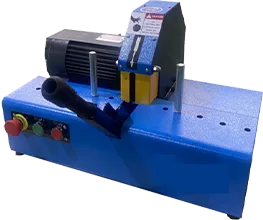
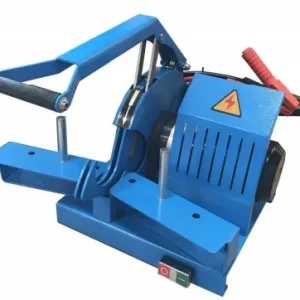
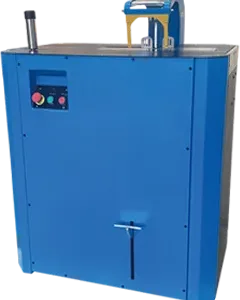
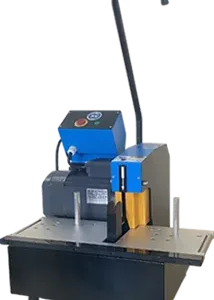
Product category | Hydraulic Hose Cutter
The best cutter is the one that produces the required cut on the actual hose without crushing it or creating an unmanageable contamination problem. Compare blade system, hose construction, OD, power and production volume.
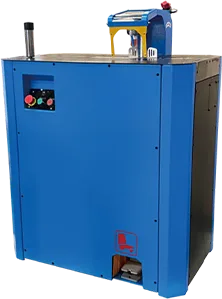
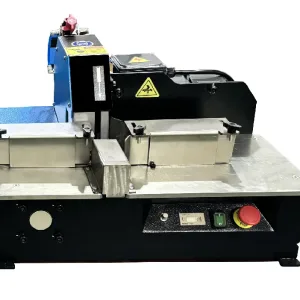
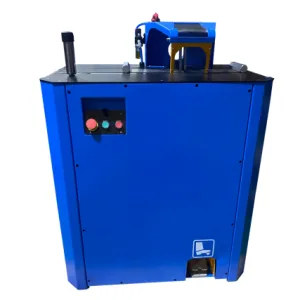
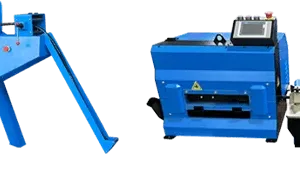
The category includes compact rubber hose cutter options and larger hydraulic hose cutting machine or hydraulic hose cutter machine routes. An automatic hose cutting machine adds feeding and repeat-length requirements that a basic hose cutting machine does not address.
For vehicle-service rubber lines, submit the actual hose construction and OD; do not assume a hydraulic-hose blade is automatically suitable for every rubber line.
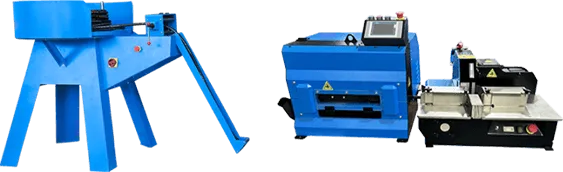
hydraulic hose cutter
hydraulic hose cutter
Hose construction and outside diameter, blade method, cut-face requirement, utilities, duty and work location determine the correct cutter route. Nominal hose ID alone cannot show whether the reinforcement, cover and ferrule-preparation workflow are within the machine’s practical range.
The quoted scope identifies the supplied machine and blade separately from optional blades, mobile power arrangements and extraction or cleaning equipment. Published model photographs establish identity; approval for an unfamiliar hose construction depends on a representative sample cut. The review checks squareness, reinforcement condition, heat damage and debris, and records the applicable blade and operating document revision. Guarding, installation, blade maintenance, spares and schedule are confirmed with the order.
Inspect squareness, crushed reinforcement, loose wire, heat damage and debris. Keep hands clear, use the specified guard and blade, and clean the hose bore as required before assembly.
ISO/TS 18409:2018 provides two methods for collecting a fluid sample to analyse solid particulate contamination in hydraulic hoses or hose assemblies. It can be used to validate a cleaning process statistically, but it does not prescribe an efficient production cleaning method or a universal cleanliness class.
Related equipment and guidance: review the C250CS , compare the C300 , or plan the cutting and preparation workflow .
hydraulic hose cutter FAQ
It depends on reinforcement, OD, volume and cleanliness requirements. A dedicated cutter is usually more controlled for regular steel-reinforced hose work than improvised abrasive methods.
Possible causes include unsuitable or dull tooling, poor support, excessive heat or an incorrect cutting method. Verify the blade and machine are intended for that hose construction.
Follow model guidance and inspect when cut force rises or the hose shows crushing, burning, excessive fray or poor squareness. Rule out setup and support before blaming the blade.
Yes. Cutting can leave rubber and wire debris in the bore. Apply the required cleaning process before the finished assembly enters service.
Next step
TRC will match the submitted hose construction, OD, cut-face requirement and workload to a cutter route and identify whether a representative sample cut is required.