
Air Conditioning Hose Crimper
Review air conditioning hose crimper equipment for automotive A/C service. Verify barrier hose, beadlock fittings, ferrules and die data.
No products were found matching your selection.
Review air conditioning hose crimper equipment for automotive A/C service. Verify barrier hose, beadlock fittings, ferrules and die data.
Product category | Air Conditioning Hose Crimper
Automotive A/C assemblies use their own hose constructions, fittings and crimp data. Confirm standard or reduced-barrier hose, beadlock/fitting series and tooling before selecting a machine.
An air conditioning hose crimper is therefore approved against the intended refrigerant-hose and fitting system rather than against hydraulic-hose size alone.
For AC hose crimping, an air conditioning hose crimping tool, automotive AC hose crimper or air conditioning hose crimp tool must match the exact barrier-hose, beadlock fitting and ferrule family; hydraulic-hose tooling data cannot be substituted.
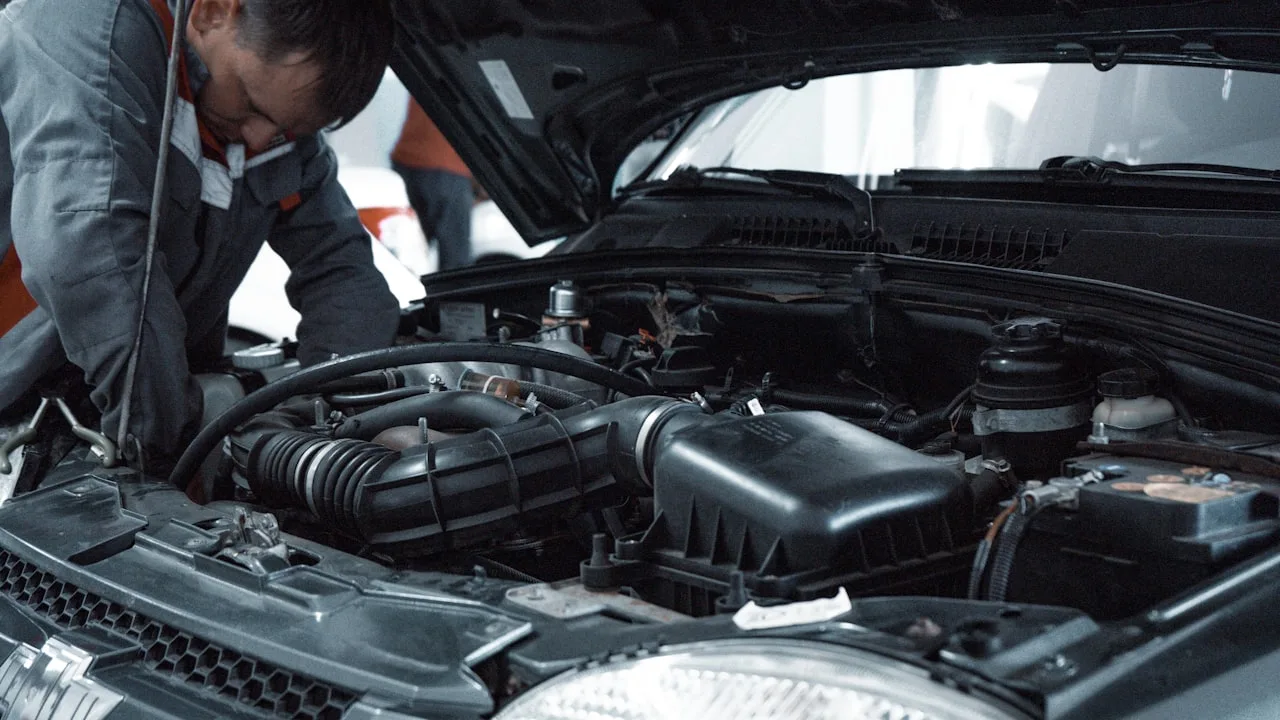
air conditioning hose crimper
TRC reviews A/C hose crimper projects against the exact barrier hose, fitting, ferrule and tooling system. Current model availability and configuration are confirmed only after that compatibility review; no machine is presented as universally suitable for automotive A/C hose.
air conditioning hose crimper
Provide refrigerant hose standard/series, standard or reduced-barrier construction, hose size, fitting/ferrule part numbers, target crimp data, workshop volume and preferred power. Do not apply a hydraulic hose die chart to A/C hose.
air conditioning hose crimper
An A/C crimper review begins with the refrigerant hose standard and construction, including standard- or reduced-barrier type, fitting and ferrule part numbers, outside diameter before crimping, target data, fitting angles, current tooling, access, expected weekly volume and workshop power. Hydraulic-hose tooling is not assumed to apply simply because it can close around the sleeve.
The quotation separates the recorded machine and included tooling from optional dies and system details that require confirmation. A model image establishes machine identity; the applicable hose/fitting data, die identification and measured sample establish compatibility. Current model and die documents are issued for the reviewed system. Refrigerant recovery, leak testing and vehicle service procedures remain separate responsibilities, and the production schedule is confirmed for the actual configuration.
If a product record does not cover the submitted system, do not show it as available merely because its die appears to close around the sleeve.
Related equipment and guidance: use the equipment selection guide, browse all products, or request an A/C compatibility review.
air conditioning hose crimper FAQ
Only if appropriate tooling, machine control and validated crimp data exist for that A/C hose and fitting system. Physical closure is not proof of a leak-tight refrigerant assembly.
They differ in construction and outside diameter, which changes compatible fittings, ferrules and tooling. Do not mix components unless the system supplier approves the combination.
Start with the hose and fitting families used in the shop, then compare die coverage, control, power, service frequency and verification method.
No. Use the fitting-system data for the exact hose size and component series.