
Portable Hydraulic Hose Crimper: The 2026 Mobile Service Guide
portable hydraulic hose crimper — if you’ve ever watched a mobile technician fix a torn hydraulic line on a bulldozer in a muddy field, you know what this machine does. It goes where the equipment is. No tow truck. No waiting. Just fix it and move on.
This guide covers what a portable hydraulic hose crimper is, how mobile techs use them, what size you need for your service truck, and which models actually survive life on the road.
Introduction
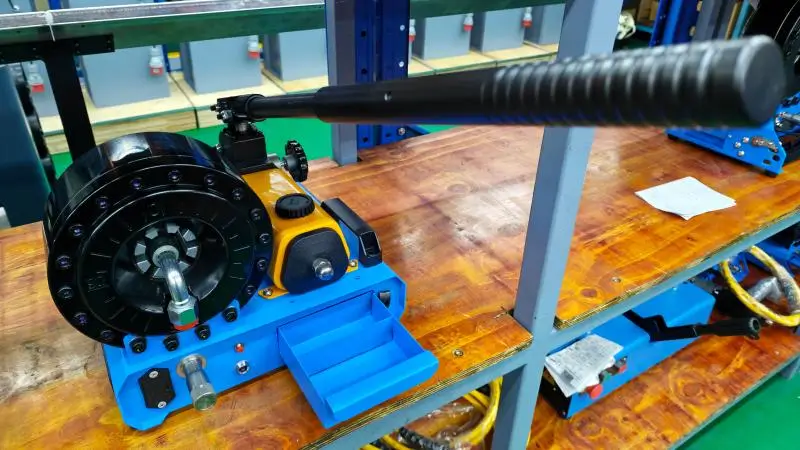
The defining feature isn’t just size — it’s independence. A portable hydraulic hose crimper doesn’t need a workshop, electrical hookup, or compressed air line. It goes in the service truck and works wherever the customer is.
How a Portable Hydraulic Hose Crimper Works
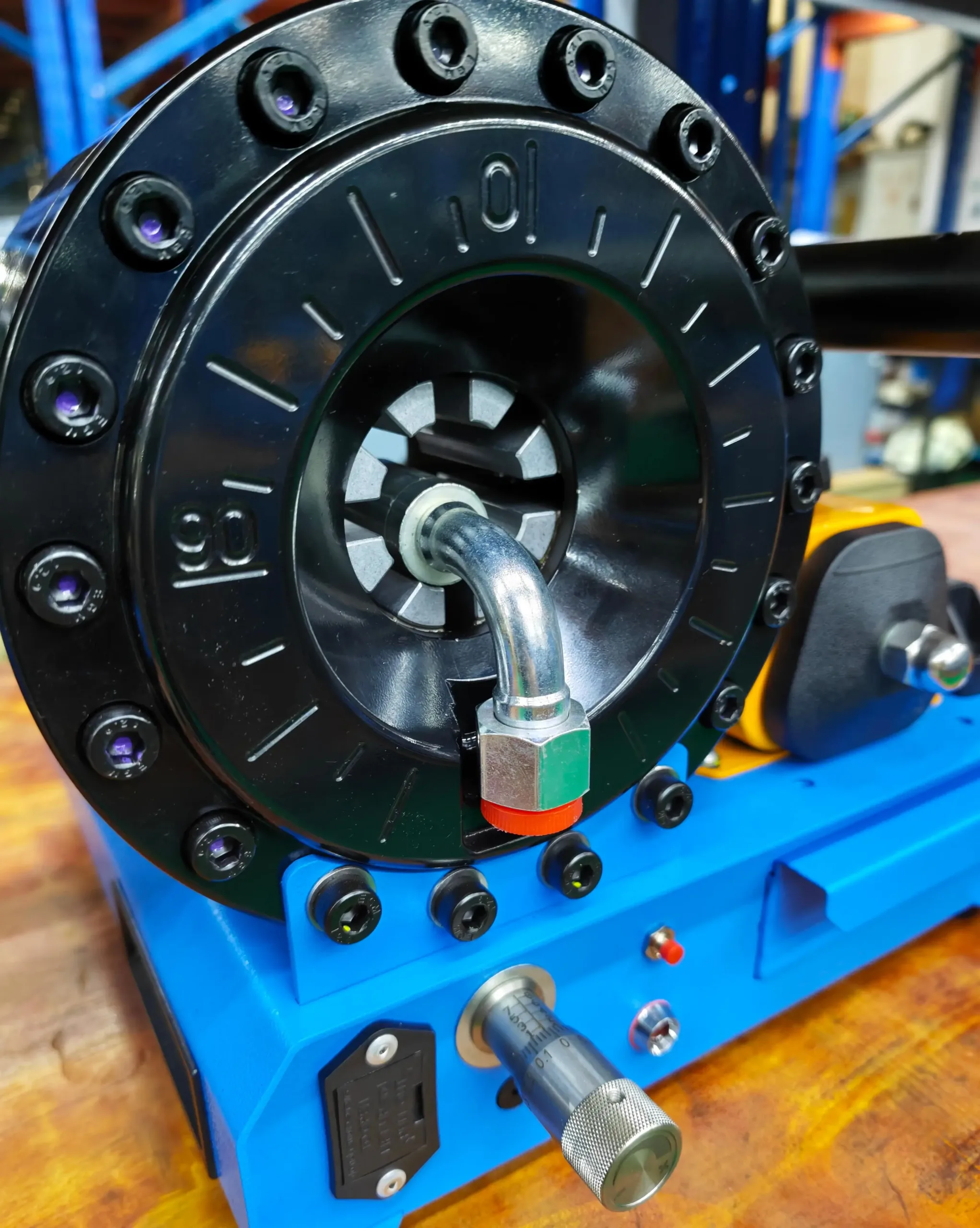
The mechanism is the same as a workshop unit — just scaled down. Hydraulic rams drive dies closed around a ferrule, permanently deforming it against the hose wall. The difference is the power source:
- Hand pump — The P16HP uses a hand-operated hydraulic pump. The technician pumps the handle to build pressure. No electricity, no battery, no air line. Just muscle and oil.
- Air pressure — The P16AP connects to a shop air line or portable compressor. Faster than hand pump for high-volume field work.
- Battery power — The P18CS and P20CS run on standard vehicle batteries. These are the most versatile units because they work anywhere you have a 12V power source.
What changes with portability is the cycle time. A hand-pump portable hydraulic hose crimper takes longer per crimp than an electric workshop unit. But when the alternative is towing a 40-ton excavator 50 miles back to the shop, the extra minute per crimp doesn’t matter.
Key Benefits of a Portable Hydraulic Hose Crimper
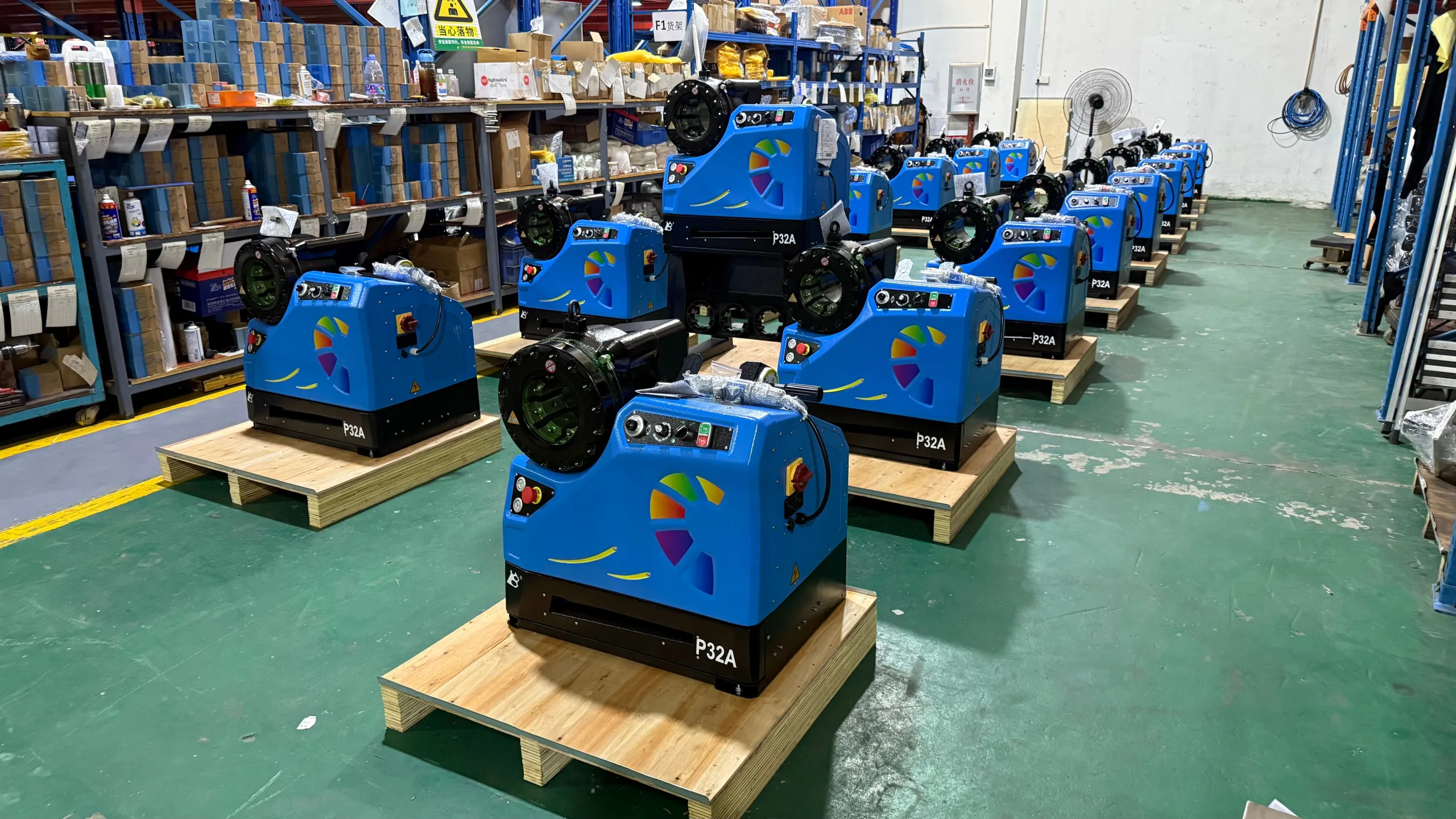
Mobile service companies invest in portable hydraulic hose crimper equipment for three concrete reasons:
- Uptime. Equipment that breaks in the field gets fixed in the field. No downtime waiting for a tow. No lost production days while the machine sits in a queue at the shop.
- Revenue. Mobile service commands premium rates because the customer pays for convenience. A technician with a portable hydraulic hose crimper bills $150–$300 per callout plus materials. The machine pays for itself in the first month of regular work.
- Competitive edge. Shops that can’t do mobile work lose customers to competitors who can. Having a portable hydraulic hose crimper on the truck means you say “yes” to jobs that other shops have to decline.
The P16HP weighs 95 kg and fits in a standard service truck bed. The P20CS at 137 tons handles larger hoses but still runs off a vehicle battery. Both are built for the abuse that comes with life on the road — vibration, dust, temperature swings, and operators who don’t have time to be gentle.
Applications of a Portable Hydraulic Hose Crimper

The portable hydraulic hose crimper serves any environment where equipment can’t come to the shop:
- Construction sites — Excavators, cranes, loaders break hoses under constant abuse. A mobile tech with a portable hydraulic hose crimper fixes them where they sit instead of shutting down the job for a day.
- Agriculture — Harvesters and tractors run long hours during season. A broken hose at 6 AM gets fixed by 7 AM instead of waiting for the shop to open.
- Remote mining — Haul trucks and loaders in remote locations can’t wait for parts delivery. A service truck with a battery-powered portable hydraulic hose crimper handles emergency repairs on-site.
- Marine and offshore — Salt air corrodes fittings fast. Mobile marine techs carry portable hydraulic hose crimper units to do dockside repairs instead of pulling vessels out of the water.
Most mobile techs start with a 95-ton hand-pump unit and add a battery model once the workload justifies it. The P16HP is the entry point. The P20CS is what experienced mobile operators spec when they need more power without sacrificing portability.
Frequently Asked Questions
What’s the best portable hydraulic hose crimper for a service truck?
How do I power a portable hydraulic hose crimper in the field?
Can a portable hydraulic hose crimper handle the same hoses as a workshop unit?
How heavy is a portable hydraulic hose crimper?
Do I need training to operate a portable hydraulic hose crimper?
Industry reference: hydraulichoses.com — Crimp fitting basics and hydraulic hose standards.


