
Hose Testing Machine
Review hose testing machines by pressure range, test method, enclosure, connections, recording and assembly QA requirements.
No products were found matching your selection.
Review hose testing machines by pressure range, test method, enclosure, connections, recording and assembly QA requirements.
Product category | Hose Testing Machine
A test machine applies and controls a specified procedure; it does not decide the correct pressure, hold time or acceptance criteria. ISO 6605:2017 defines test methods for hydraulic fluid power hoses and hose assemblies, while the applicable product, customer or project specification still determines which method and acceptance values govern the job.
A hose pressure testing machine or hydraulic hose pressure testing machine must be configured around the governing procedure, pressure range, containment and records.
A hydraulic hose testing machine is suitable only when its connections, control, enclosure and recording method support that defined procedure.
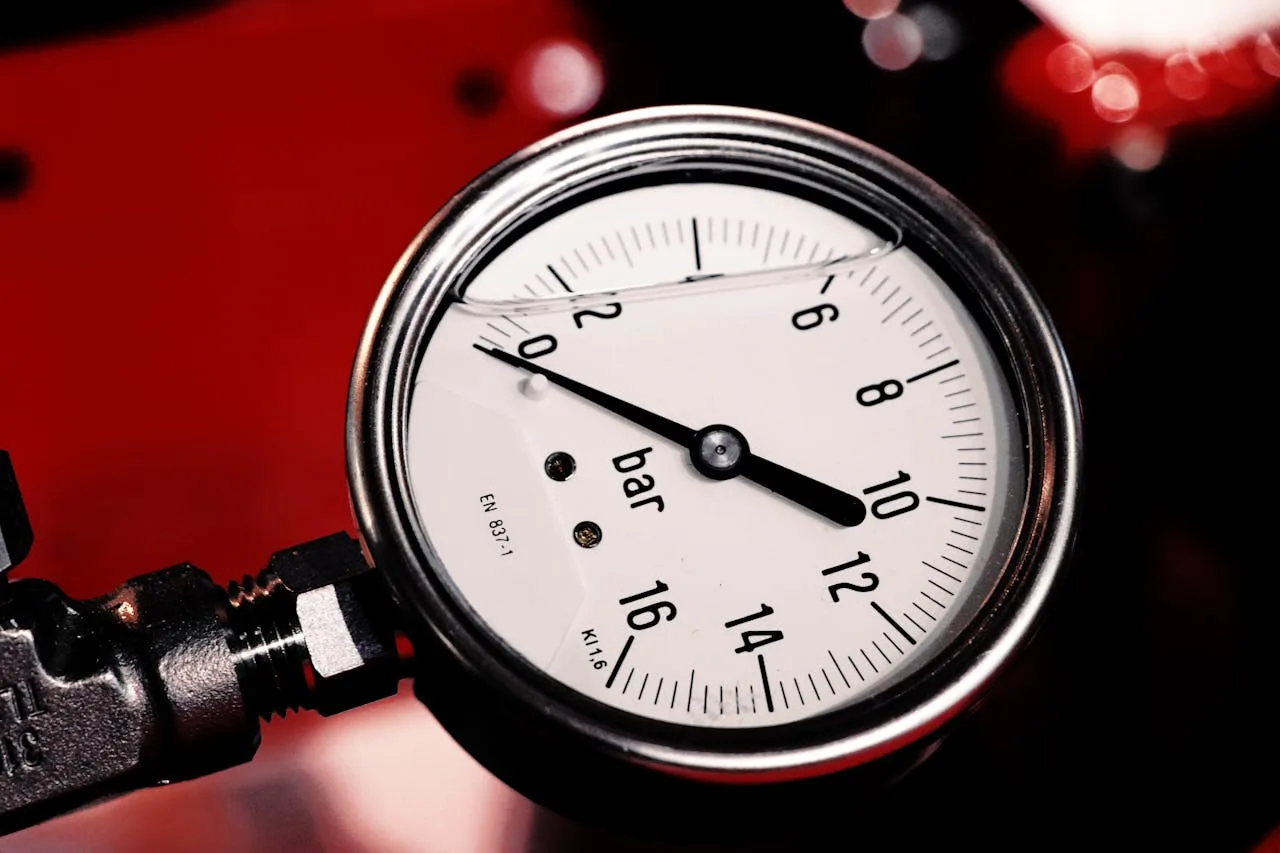
hose testing machine
Provide assembly size and length, working and specified test pressure, fluid, connection type, hold/ramp procedure, enclosure requirement, recording needs, production volume and governing document. Remove air safely before pressurization according to the procedure.
hose testing machine
Before selecting equipment, convert the governing procedure into an acceptance sheet covering test fluid, pressure range, ramp, hold, release, connections, enclosure, temperature, recording fields and pass/fail authority. Confirm calibration and safe air removal where required. The quotation separates confirmed base equipment from optional connections, recording functions and project-specific safety provisions, and states which parts of the method remain the customer’s responsibility. A pressure-gauge maximum is not evidence that the complete test method is covered.
Related equipment and guidance: review the equipment range, use the selection guide, or submit a test-procedure review.
hose testing machine FAQ
Verify component identity, insertion, tooling and the finished crimp diameter at the specified location, then complete any visual, gauge or other checks required by the valid assembly data. These pre-pressure checks reduce avoidable errors but do not replace a required proof, burst, impulse or customer-defined test.
No. It confirms only the defined test result. Routing, abrasion, temperature, fluid compatibility, impulse and service conditions still affect life.
Stored hydraulic energy and component failure can eject fluid or parts. Equipment and workplace controls must keep people outside the hazard area.
At minimum, assembly identity, procedure/version, pressure/time result, equipment, date and disposition, plus any customer-required traceability.