Hydraulic Crimping Tool: The Complete Guide [2026]
Hydraulic Crimping Tool: The Complete Guide [2026]
hydraulic crimping tool — if you’ve ever watched a mobile technician fix a torn hydraulic line on a bulldozer in under 20 minutes, you know what this machine does. It applies 95 to 830 tons of radial pressure to squeeze a metal ferrule onto a hose end. The connection holds at working pressures up to 400 bar. No clamps, no Thread sealant, no guessing. Just a permanent, leak-proof joint that performs better than the original assembly.
This guide covers what a hydraulic crimping tool is, how it works, what separates a good one from a budget import, and which models handle real workshop loads without constant breakdowns.
Introduction
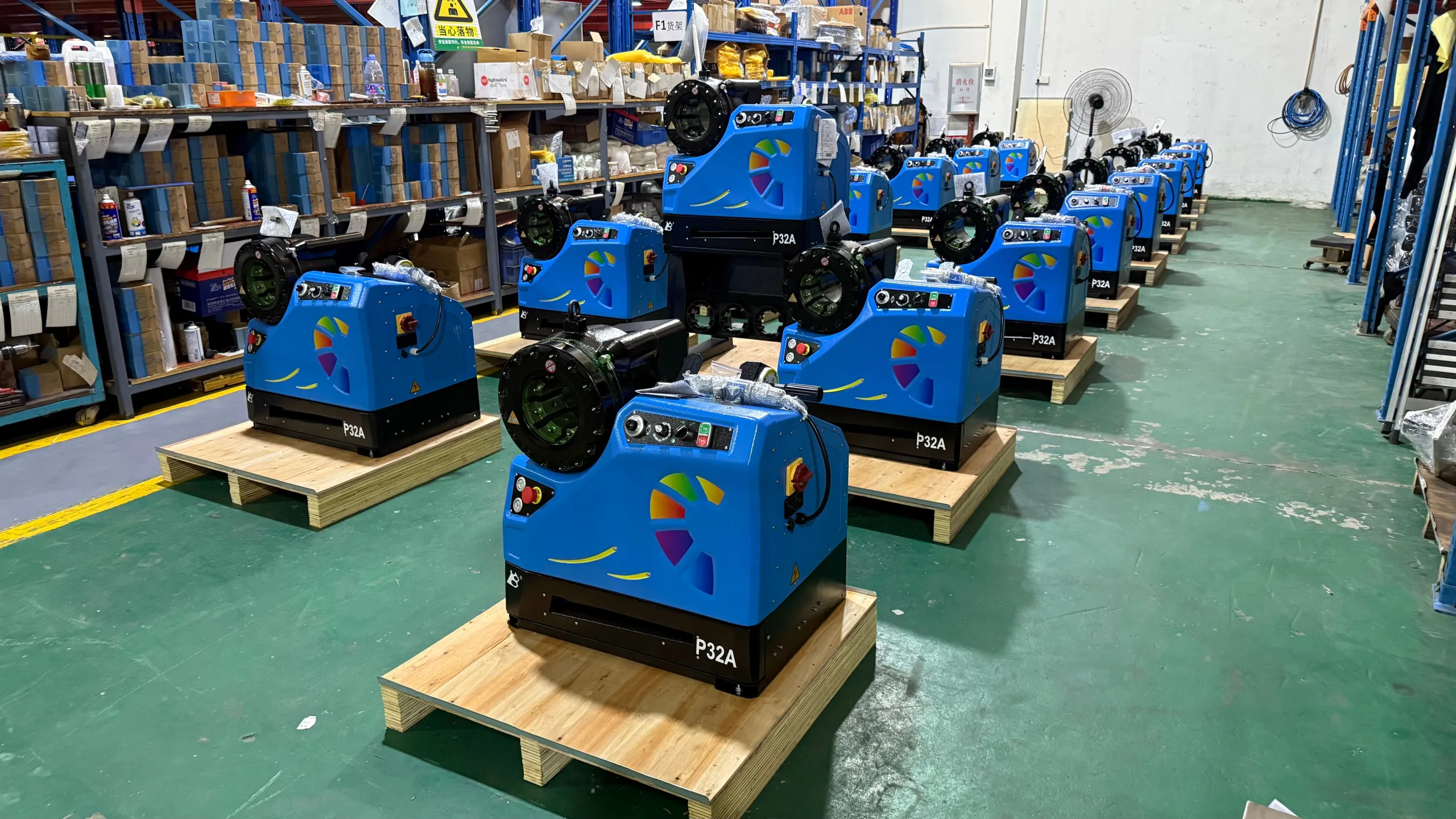
A hydraulic crimping tool is a powered machine built to permanently deform a metal ferrule around a hydraulic hose end and fitting. The result is a connection rated for high-pressure hydraulic systems — the kind of connection you find on excavators, agricultural equipment, and mining machinery where failure means downtime.
The core spec is tonnage. A 95-ton unit like the P16HP hydraulic crimping tool handles most mobile and light workshop jobs up to 1-inch diameter hose. A 200-ton unit like the P32A hydraulic hose crimper machine runs all day on 2-inch industrial hoses. At the heavy end, the P140 pushes 320 tons for marine and mining applications where other crimpers simply can’t fit.
You might see this called a hose crimping machine, hydraulic hose crimper machine, or hydraulic hose press. Same machine. Different words from different markets.
How a Hydraulic Crimping Tool Works
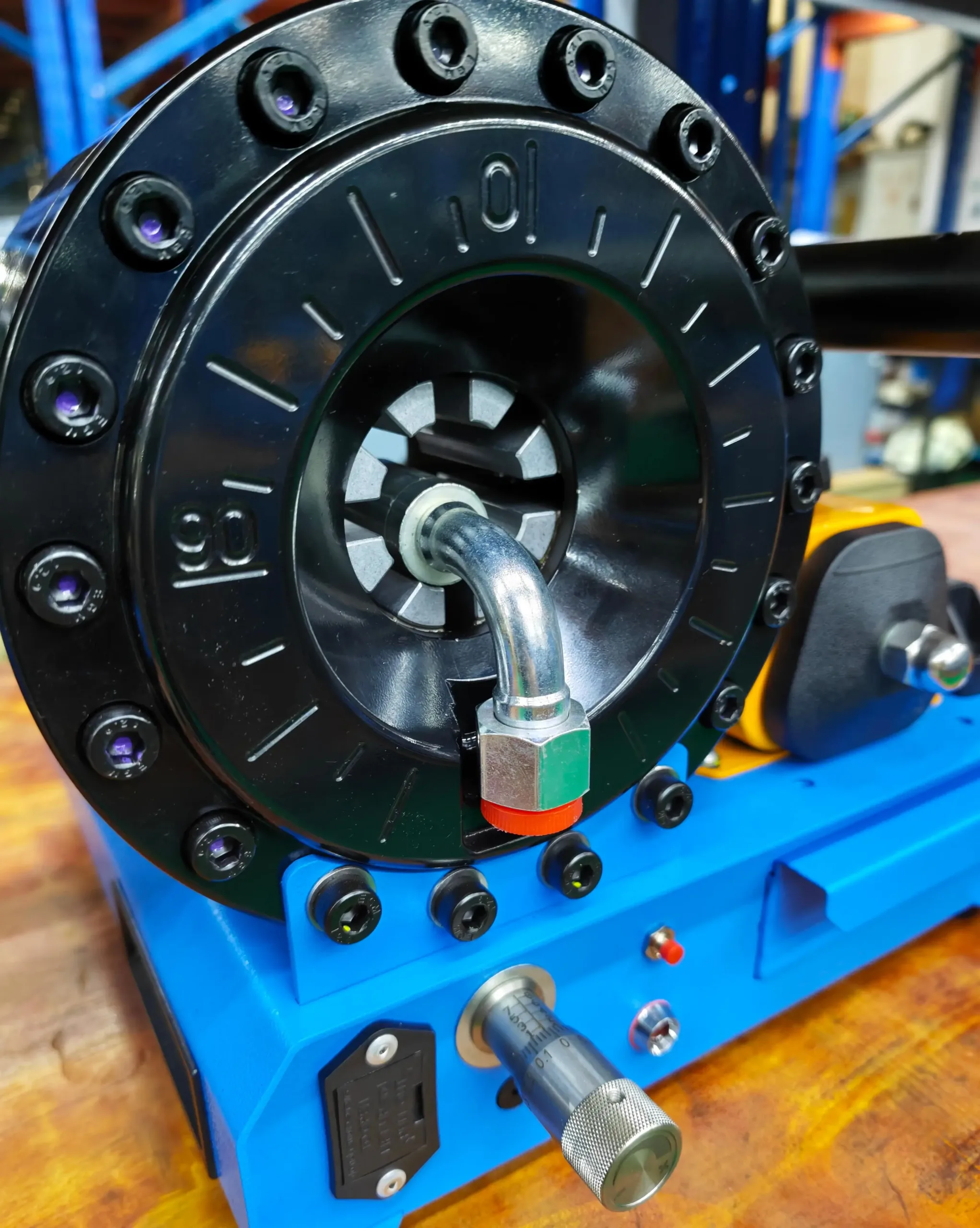
The process has four steps:
- Select the die. Match the die size to the hose OD. Wrong die = wrong crimp diameter.
- Load the hose and fitting. Slide the fitting into the hose end. Insert the ferrule. Put the assembly into the die opening.
- Activate the machine. Foot pedal or button triggers the hydraulic rams. Dies close around the ferrule.
- Done. The ferrule deforms permanently. The connection is leak-proof at working pressure.
The critical variable is pressure. Too little pressure and the ferrule sits loose — an immediate leak. Too much and you crush the hose wall, restricting flow and causing premature failure. A P32D CNC hydraulic crimping tool removes the guesswork by storing exact pressure recipes per hose type and logging every single crimp for quality traceability.
Key Benefits of a Hydraulic Crimping Tool
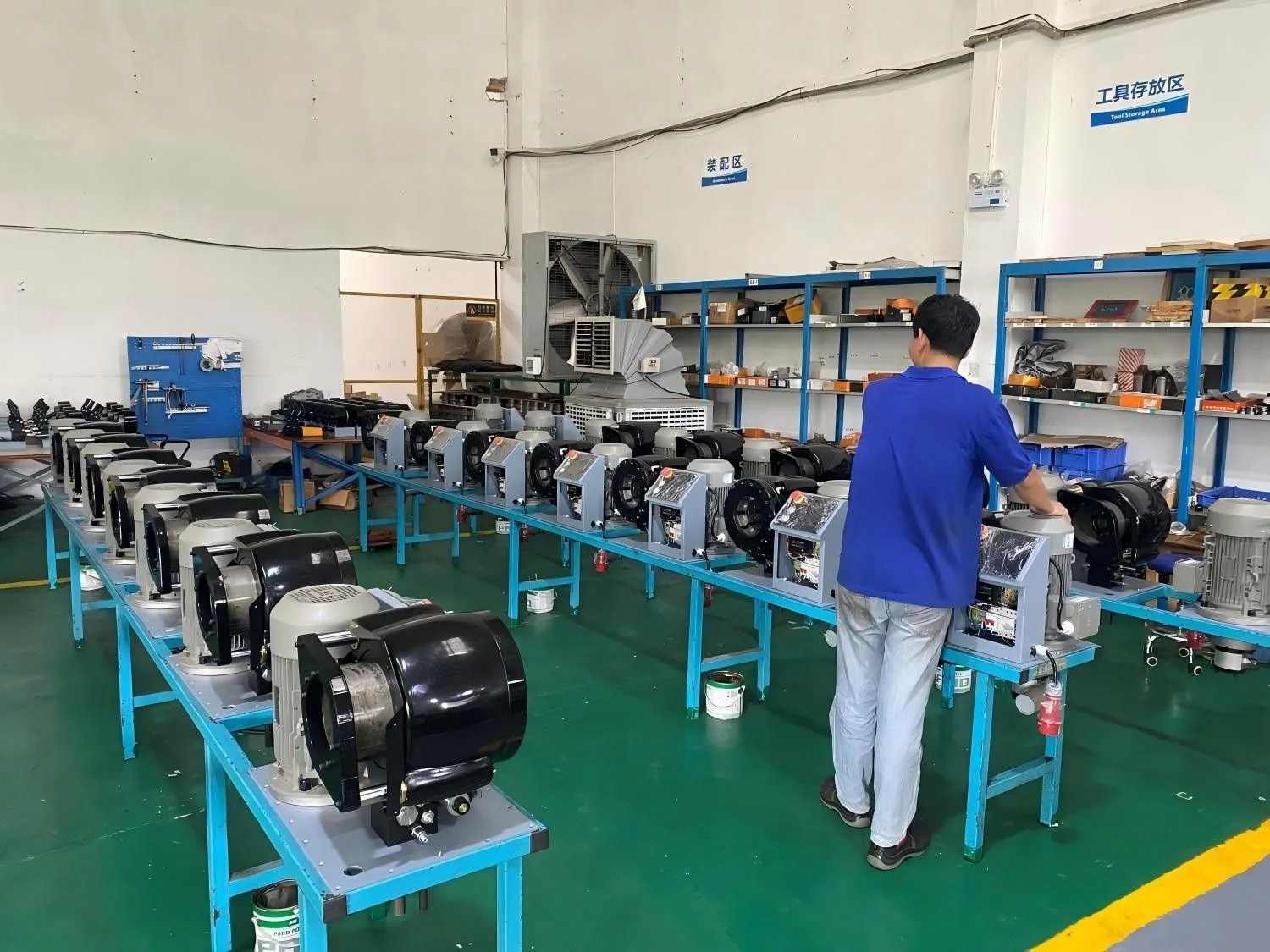
Owners invest in a hydraulic crimping tool for three concrete reasons:
- Speed. A typical hose assembly takes 10–15 minutes from cut to crimp. Field repairs that used to require a mobile service call now happen same-day without shipping delays.
- Cost. A hose repair runs $30–$80 in materials. The OEM assembly replacement costs $200–$600 plus freight. The hydraulic crimping tool pays for itself in the first month of serious use.
- Reliability. A properly crimped connection outperforms clamped or swaged fittings in high-pressure applications. The ferrule compresses the hose wall evenly against the fitting barbs. There are no loose bands to vibrate loose, no O-rings to degrade.
The real difference between a $2,000 budget hydro crimping tool and a $6,000 industrial unit shows up at year three. The budget import fails. The P32A from TRC keeps running. That’s the calculation most shop owners miss when they’re first outfitting their shop.
Applications of a Hydraulic Crimping Tool

The hydraulic crimping tool serves every industry that runs hydraulic systems:
- Construction — Excavators, cranes, loaders take constant abuse. A broken hose stops the job. Mobile technicians with a portable hydraulic crimping tool keep equipment running.
- Agriculture — Harvesters and tractors run long hours during season. Fast turnaround on hose repairs means no lost planting or harvest days.
- Mining — Long hose runs, 400+ bar pressure, abrasive conditions. The P140 320-ton unit handles large bore hoses that lighter crimpers can’t touch.
- Mobile service — Service trucks carrying a hydraulic crimping tool do on-site repairs that used to require towing equipment back to the shop.
- Industrial production — High-volume workshops run a hose crimping machine like the P32A all shift. At 850 crimps per hour, the difference between a fast unit and a slow one is hundreds of assemblies per week.
Most shops start with a 137–200 ton unit and never wish they’d bought smaller. The P20LHP is the go-to for mobile techs who need to fit in a service truck. The P32A is what serious workshop owners spec when they need reliability over a 10-year service life.
Frequently Asked Questions
What size hydraulic crimping tool do I need?
What’s the difference between a hydraulic crimping tool and a hose crimping machine?
How many crimps per hour can a hydraulic crimping tool handle?
Can a hydraulic crimping tool handle different hose types?
How often should I replace the dies?
Do I need training to operate a hydraulic crimping tool?
Industry reference: hydraulichoses.com — Crimp fitting basics and hydraulic hose standards. hydraulicinsight.com — Technical resource for hydraulic system professionals.

