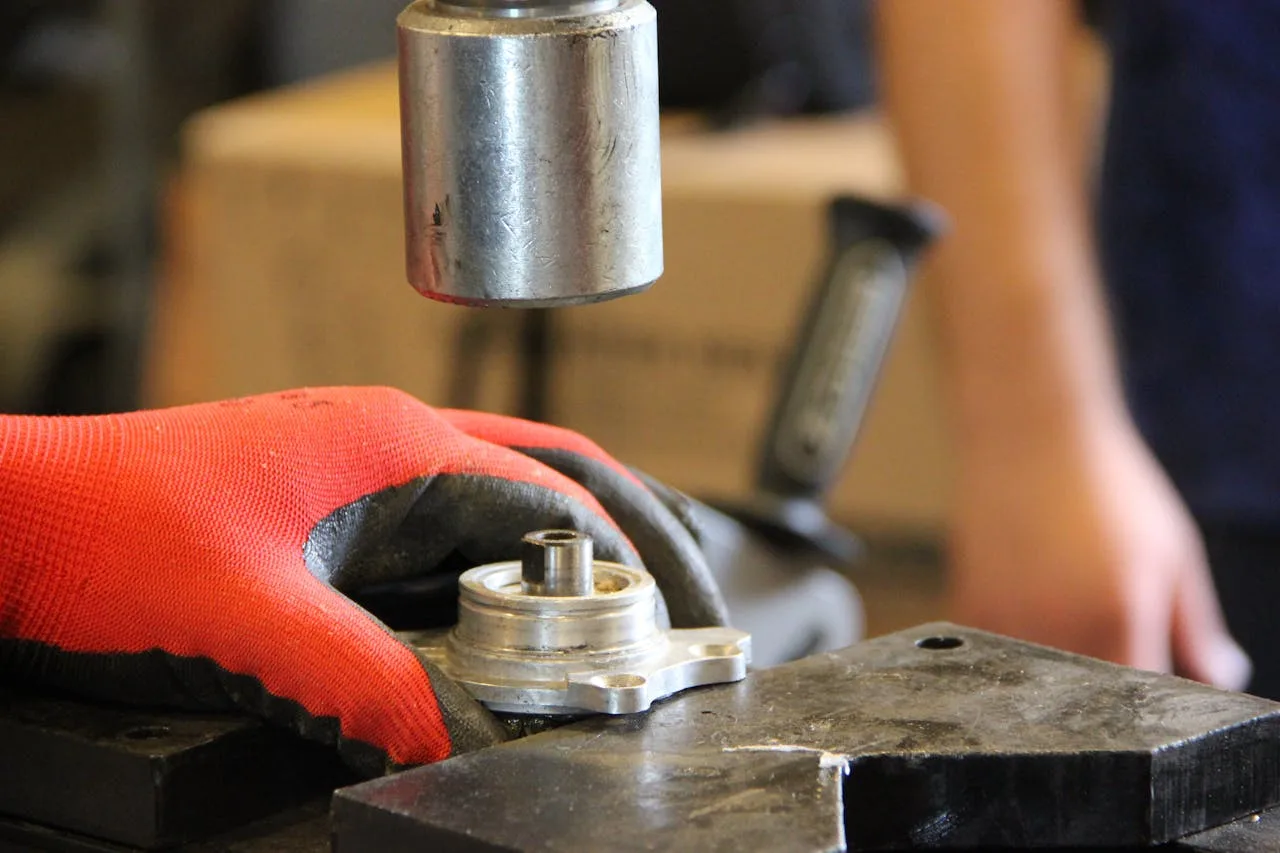
Hydraulic станок для опрессовки шлангов Setup: из Unboxing до первый опрессовать
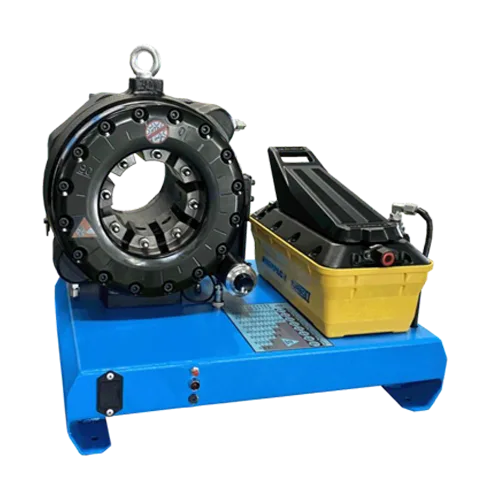
Setting up a hydraulic hose crimping machine is the single most important step between buying equipment and producing leak-free assemblies. Whether you’re running a new hose crimper machine for the first time or rebuilding a workshop, this guide walks through every step.
This hydraulic hose crimping machine setup covers unboxing, die selection, calibration, and your first 100 crimps. It also covers the five mistakes that waste material on day one.
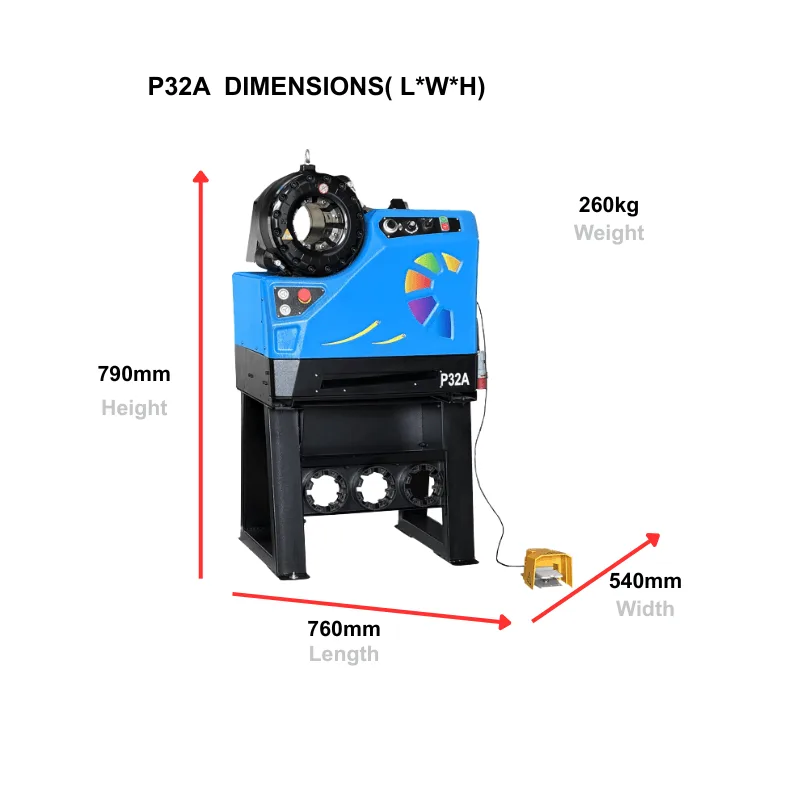
Table of Contents
Краткие характеристики: What You’re Working с
| Parameter | диапазон | Why It Matters |
|---|---|---|
| Tonnage | 60–1,750 T | Determines max шланг diameter |
| Hose range | ¼″–6″ | Must cover ваш daily работать |
| контроль тип | ручной / Auto / ЧПУ | Affects speed and повторяемость |
| точность опрессовки | ±0.1 mm (CNC: ±0.05 mm) | утечка-free vs. гарантия claim |
| Cycle time | 8–30 seconds | объём производства в день |
| Мощность | 220V / 380V / аккумулятор / Ручной насос | мастерская vs. field |
| комплект матрицs included | 6–18 sets типичный | Covers Как many фитинг types |
Что You Need Before Setup
перед crate arrives, делать sure вы имеет эти три things sorted.
1. Electrical
- 220V single-phase for machines up to 200 T (P16HP, P20 class)
- 380V three-phase for machines above 200 T (P32, P120, TRC120L class)
- Dedicated 30A breaker — don’t share the circuit with a welder or compressor
- Grounded outlet. No adapter plugs.
2. Bench Space
- Minimum 1.2 m × 0.6 m work surface for the machine
- 0.5 m clearance on all sides for die changes and hose handling
- Bolt станок down. A 200 T crimper generates real усилие — it будет walk across bench if you don’t.
3. Tools
- Digital caliper (0.01 mm resolution) — не tape измерять
- Die таблица from the производитель — laminate it and tape it to the wall
- очистить rag и denatured alcohol для cleaning dies перед каждый использовать
- Test шланговый узел kit (hose + обжимные гильзы + фитинги) for first crimp verification
Step 1: Unboxing and контроль
Don’t skip this. Shipping damage to a hydraulic crimper happens more often than you’d think. Larger hydraulic hose crimp machines that weigh 200+ kg are especially vulnerable.
- Check the crate for impact marks. If the crate is cracked or dented, photograph it before opening.
- Remove all packing material. Check for loose parts in the bottom of the crate — die sets and hoses sometimes shift during transit.
- Inspect the die holder. The crimping head should move freely with no visible scoring or rust.
- Check hydraulic oil level. Sight glass should show oil between the two marks. Top up if needed (ISO VG 46 hydraulic oil).
- Verify die set count. Match against the packing list. A missing die set on day one stops work.
шаг 2: верстак Mounting и Leveling
станок needs до be level. If it’s tilted, die closure won’t be concentric — и concentricity what makes a опрессовать seal.
- Place machine на верстак в его final расположить.
- использовать spirit уровень across die holder face. отрегулировать feet или shims until bubble centered.
- Bolt через base plate в верстак. использовать все четыре mounting points — не два.
- Torque mounting bolts to spec in ручной (typically M12 at 45 Nm).
- Re-проверить уровень после bolting. верстак можно warp.
Step 3: выбор матрицы and Installation
This is where most first-timers make mistakes. The die set must match three things: hose type, fitting type, and hose size.
Die Compatibility Quick Reference
| Hose тип | фитинг Style | серия матриц | Example |
|---|---|---|---|
| 1-металлическая оплётка (R1) | One-piece | стандарт | ¼″–1″ |
| 2-металлическая оплётка (R2) | One-piece | стандарт | ¼″–2″ |
| 4-spiral (R12) | Interlock | Heavy | ¾″–2″ |
| 6-spiral (R13) | Interlock | Extra-heavy | 1½″–6″ |
Installing the wrong die produces an undercrimp or overcrimp — both cause leaks. When in doubt, check the manufacturer’s die chart, not the die number stamped on the metal.
Installation Steps
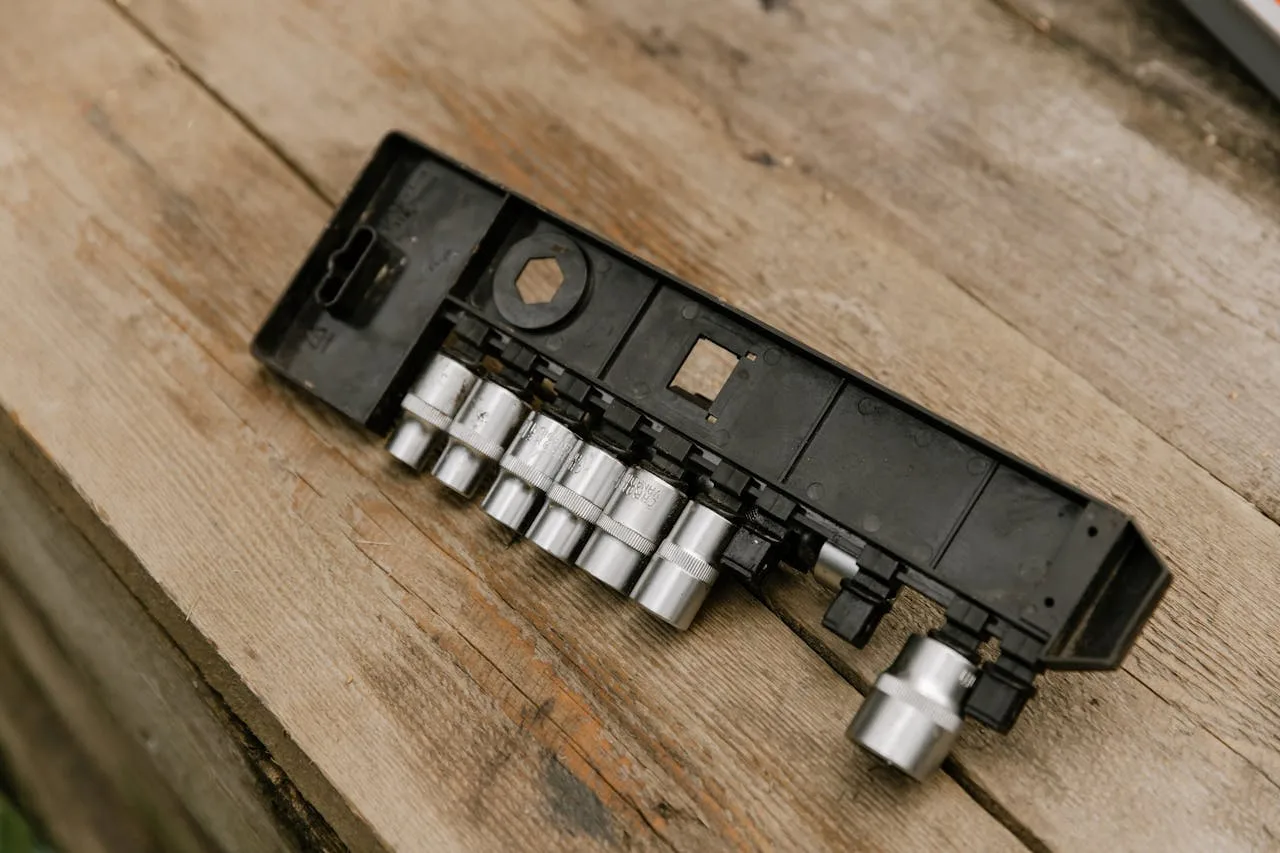
- очистить die holder и die faces с denatured alcohol.
- вставить die halves в holder. numbered faces go outward.
- проверить тот все die segments sit flush — нет gap между segments.
- работать один empty cycle (нет hose) до проверить die closure даже все around.
According to SAE J517 standards, die-to-hose compatibility is the single biggest factor in crimp quality. The crimping process requires tolerances within ±0.1 mm. Using dies from a different manufacturer — even if they physically fit — voids this tolerance. See Pascal’s Law for the physics behind hydraulic force multiplication, and the hydraulic cylinder reference for how crimp force is delivered.
Step 4: калибровка
Calibration separates a workshop that produces 99.7% good crimps from one that gets 85%. Your target: ±0.1 mm on crimp diameter.
- Select a test hose + обжимная гильза + фитинг combination you’ll использовать daily.
- Set the диаметр опрессовки from the die таблица (e.g., 27.3 mm for a ¾″ R2 assembly).
- Run the цикл опрессовки.
- измерять crimped diameter при три points (top, middle, bottom) с digital caliper.
- If the average is within ±0.1 mm of target: you’re calibrated. Record the setting.
- If it’s off by больше than 0.1 mm: отрегулировать опрессовать stop и repeat. Most ЧПУ станки store this automatically.
“We calibrate every morning перед первый run. It takes 3 minutes и saves us из 2-3 bad crimps в день. At $15 per assembly, that’s $30-45 saved перед lunch.” — мастерская foreman, шланговый узел shop, Texas
шаг 5: ваш первый опрессовать
Now the moment you bought the станок for.
- Cut the hose square using a Hose резка станок or a fine-tooth saw. Deburr the end.
- Insert the fitting into the hose. Push until the ferrule seats fully against the hose cover.
- Measure the insertion depth. Mark it with a grease pen. If the ferrule pulls back during crimping, the assembly is scrap.
- Place the assembly into the die holder. The ferrule must be centered in the die opening.
- Run the цикл опрессовки. Hold the hose steady — don’t let it twist.
- Measure the crimped diameter at three points. All within ±0.1 mm of target.
- Visual inspection: No die marks deeper than 0.1 mm on the ferrule surface. No visible gap between ferrule and fitting stem.
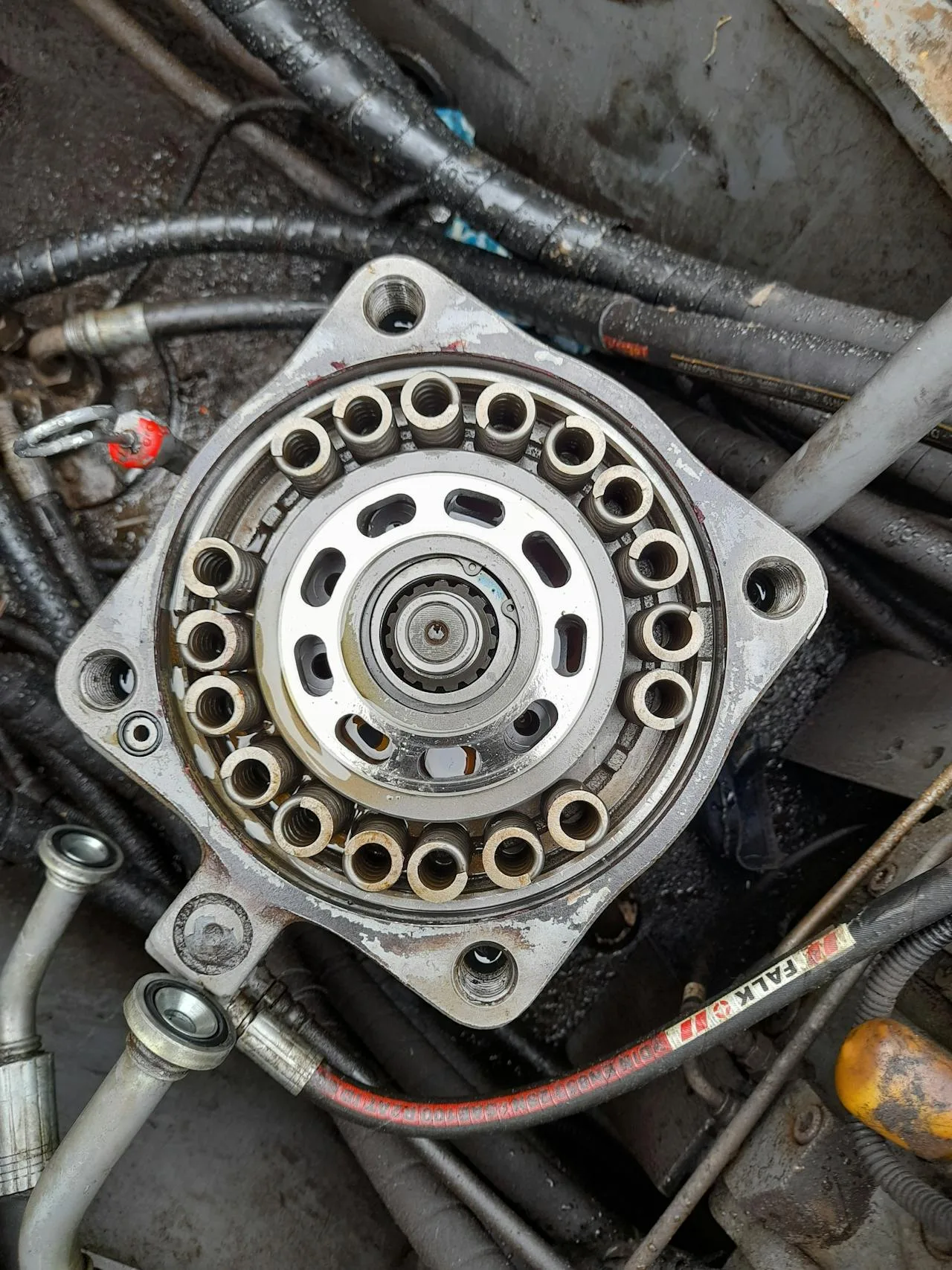
The crimping process permanently deforms the ferrule onto the hose. This is why measuring insertion depth before crimping matters — once compressed, there’s no undoing it. For more on hose standards, see hose coupling specifications and hydraulic cylinder design.
5 Common Станок для опрессовки РВД Setup MЛиtakes
MЛиtake 1: Wrong комплект матриц for the фитинг
Symptom: Ferrule is visibly deformed after crimp — oval instead of round.
Cause: Using a standard die set on an interlock fitting, or vice versa.
Fix: Check the fitting type (one-piece vs. interlock) before selecting the die. Die charts list this explicitly.
MЛиtake 2: обжимная гильза Not Fully Seated Before Crimp
Symptom: Ferrule pulls back 2-3 mm during crimping. The crimped assembly leaks at the stem.
Cause: Operator didn’t push the fitting all the way in, or the hose end wasn’t cut square.
Fix: Measure insertion depth and mark it before crimping. If the mark moves, stop and re-seat.
MЛиtake 3: станок Not Level
Symptom: Crimp diameter varies more than 0.2 mm between top and bottom measurement.
Cause: Uneven bench or loose mounting bolts.
Fix: Re-level with a spirit level. Re-torque mounting bolts monthly.
MЛиtake 4: Skipping the калибровка Step
Symptom: First 10 assemblies fail pressure test.
Cause: Crimp stop set to factory default, not adjusted for your specific hose + fitting combination.
Fix: Always calibrate with a test assembly before production. Different hose brands have slightly different wall thicknesses.
MЛиtake 5: Dirty Die Faces
Symptom: Deep gouge marks on ferrule surface after crimp.
Cause: Metal shavings or debris on die segments from previous work.
Fix: Wipe die faces with denatured alcohol before each crimp session. Takes 10 seconds.
Продуктion Optimization: Reaching 100 опрессовок в день
Once your electric hydraulic hose crimper is calibrated and you’re comfortable with the process, here’s how to scale up.
Workflow Layout
| Station | Equipment | время Per Assembly |
|---|---|---|
| Cut | Hose cutting machine | 30 seconds |
| Skive (if требуется) | Skiving machine | 45 seconds |
| Insert fitting | Bench vise + mallet | 20 seconds |
| опрессовать | Hydraulic hose crimping machine | 15 seconds (цикл) + 10 seconds (load/unload) |
| Inspect | Digital caliper + visual | 15 seconds |
| Total | ~2 minutes per assembly |
At 2 minutes per assembly with a 7-hour work day: 210 assemblies per day with a CNC machine. Manual machines run slower at roughly 60-80 per day due to hand pump fatigue.
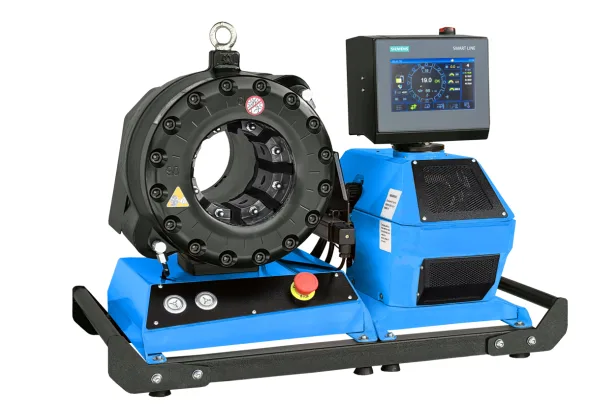
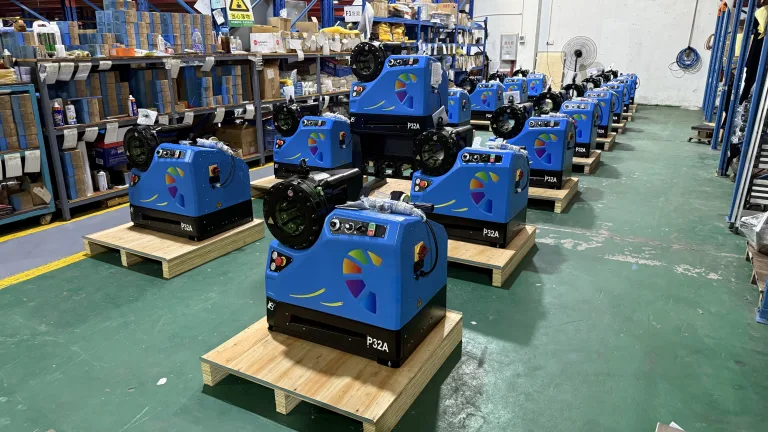
For hydraulic hose fittings crimping machine workflows that handle multiple hose types, consider a portable unit as backup. Also, our hydraulic hose crimping machines come with quick-change die systems that cut swap time from 5 minutes to 30 seconds. Whether you’re running a hose machine crimping 200 assemblies per day or a field unit doing 10 repairs, the workflow is the same: cut, insert, crimp, measure.
ROI Timeline
A manual hydraulic hose crimper costs $400-800 and pays for itself in 2-3 months at 5 assemblies per week. An electric CNC machine costs $2,500-8,000 and pays for itself in 3-6 months at 20+ assemblies per week.
| Machine Type | Cost Range | Weekly Volume | Break-even |
|---|---|---|---|
| ручной (Ручной насос) | $400–800 | 5–15 assemblies | 2–3 months |
| электрический (стандарт) | $1,500–3,000 | 15–40 assemblies | 3–4 months |
| CNC (servo control) | $3,000–8,000 | 40–200+ assemblies | 3–6 months |
Every crimp saves $25-65 compared to buying pre-made assemblies. For help choosing the right hydraulic hose crimp machine, compare our electric workshop series and manual series. Also see our full hydraulic crimper lineup covering all 9 product series.
нужен Help Setting Up ваш Crimper?
наш team walks you through die selection, calibration, и первый опрессовать — step by step.
Часто задаваемые вопросы
как long does it take до set up a hydraulic станок для опрессовки шлангов?
Plan для 2-4 hours из unboxing до ваш первый хороший опрессовать. этот включает верстак mounting (30 мин), die installation (20 мин), calibration (30 мин), и испытать crimps (20 мин).
Do I нужен special electrical wiring?
станки under 200 T run on стандарт 220V single-phase. станки above 200 T need 380V three-phase. Check the nameplate on your specific станок.
можно I опрессовать различный hose types на тот же станок?
да. вы изменить die установить, не machine. single machine handles R1, R2, R12, R13, R15, и R17 hose — как long как вы имеет correct dies и sufficient tonnage.
How often should I recalibrate?
Every morning перед первый run, или whenever you change die sets. ЧПУ станки с данные logging можно go longer, но daily verification catches problems early.
What’s most обычный cause of опрессовать отказ?
Wrong комплект матриц для фитинг тип. Using a one-piece die на an interlock фитинг produces a опрессовать that looks fine но fails under давление. Always match die → фитинг → hose перед опрессовка.

 English
  Español
  Русский