
Tabla de Contenidos
Crimp quality determines whether a hydraulic assembly holds at 5,000 psi or blows apart on the first pressure cycle. On Reddit, operators report new hoses leaking or sweating within days of assembly. In most cases, the cause traces back to one of six repeatable mistakes — each fixable with the right procedure and the right hydraulic hose crimper.
Esta guía cubre los seis fallos de prensado más comunes, qué causa cada uno y los pasos exactos para prevenirlos. Ya sea que haga 10 conjuntos por semana o 500, estas verificaciones reducirán su tasa de fallos a casi cero.
1. Tamaño de matriz equivocado — La causa #1 de fugas en el prensado
Using the wrong die is the single biggest reason crimped hose assemblies fail. Every fitting has a specific crimp diameter — typically listed on the crimp specification sheet from the fitting manufacturer.
If you use a die that’s one size too large, the ferrule won’t compress enough. One size too small, and you crush the fitting stem.
A Reddit user working with copper flare connectors found that his Amazon crimper dies were off — he had to use 1/0 dies for 2/0 connectors. This is common with generic die sets that don’t match the fitting brand’s spec.
Cómo solucionarlo
- Always cross-reference the fitting manufacturer’s crimp data sheet — not the die size stamped on the die
- Use a Die Compatibility tabla to match die set number to fitting series
- Measure the finished crimp diameter with a vernier caliper (±0.05 mm tolerance)
2. Omitir el pelado en conexiones tipo pelado
Algunas conexiones — particularmente los estilos de una pieza e interlock — requieren que la cubierta exterior de la manguera se retire (pele) antes del prensado. Si prensa sobre la cubierta de goma, la férula agarra goma en lugar del refuerzo de alambre. El resultado: la conexión se desprende bajo presión.
Per SAE J517, the standard for hydraulic hose, the cover removal depth and length are specified for each hose-fitting combination. Skipping this step voids the assembly rating.

Cómo solucionarlo
- Check the fitting datasheet — if it says “skive required,” use a hose skiving machine before assembly
- Para producción de alto volumen, considere una estación de pelado dedicada como la TRC SH50
- Some fittings (non-skive type) are designed to bite through the cover — know which type you’re using
3. Desalineación de la férula antes del prensado
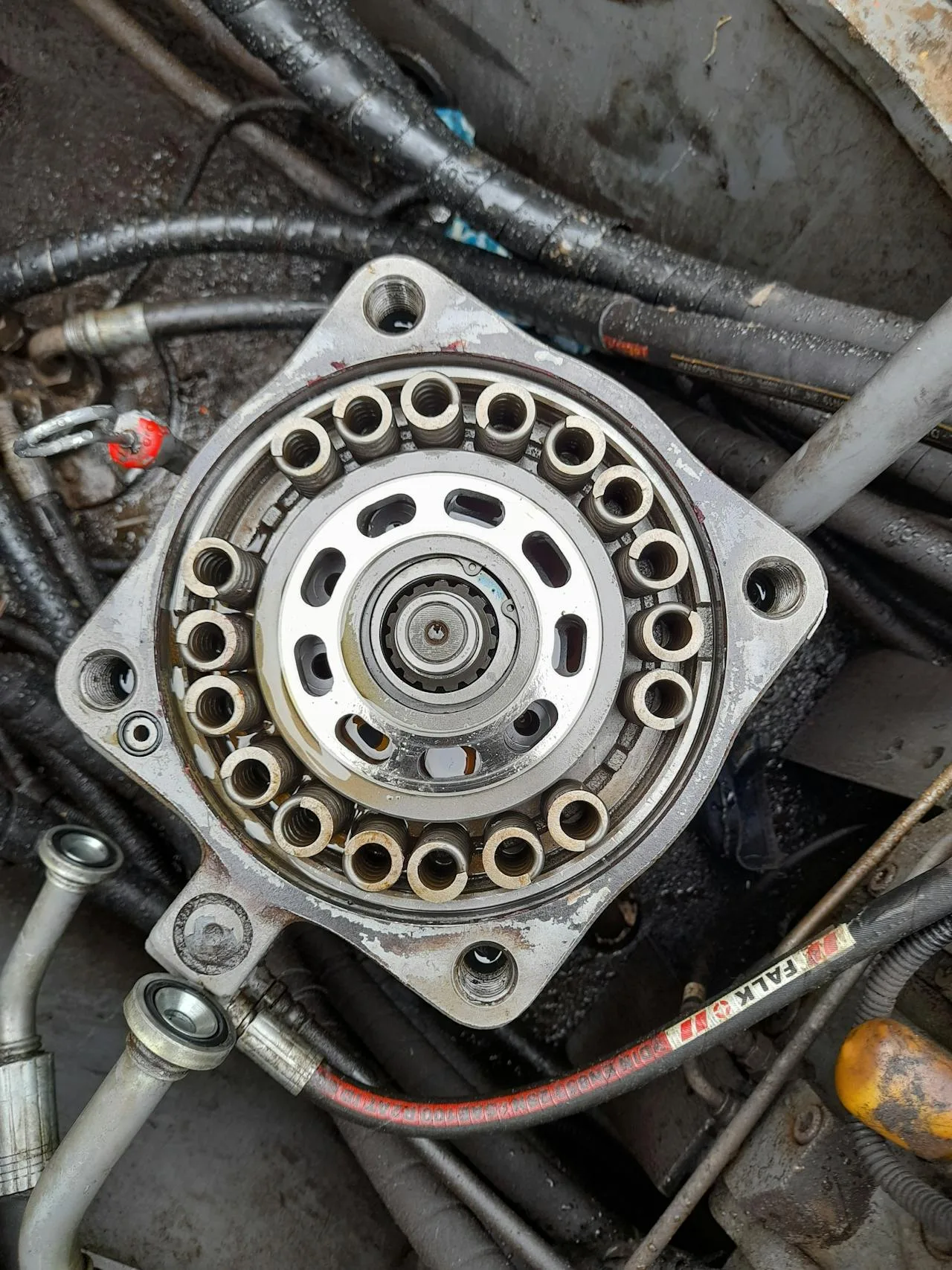
If the ferrule isn’t pushed all the way onto the hose before crimping, the die compresses air instead of wire. Even a 2–3 mm gap between the ferrule and the hose end creates a weak spot. The crimp looks fine from outside, but the grip on the wire braid is incomplete.
This mistake happens most often when operators rush or work in cold temperatures where the hose cover is stiff and the ferrule doesn’t slide easily.
Cómo solucionarlo
- Marque la profundidad de inserción en la manguera con un marcador antes de empujar la férula
- Verifique que la férula llegue al fondo contra el vástago de la conexión
- Use a manual hydraulic crimper with a die holder that centers the ferrule automatically
4. Matrices desgastadas o dañadas que producen prensados fuera de tolerancia
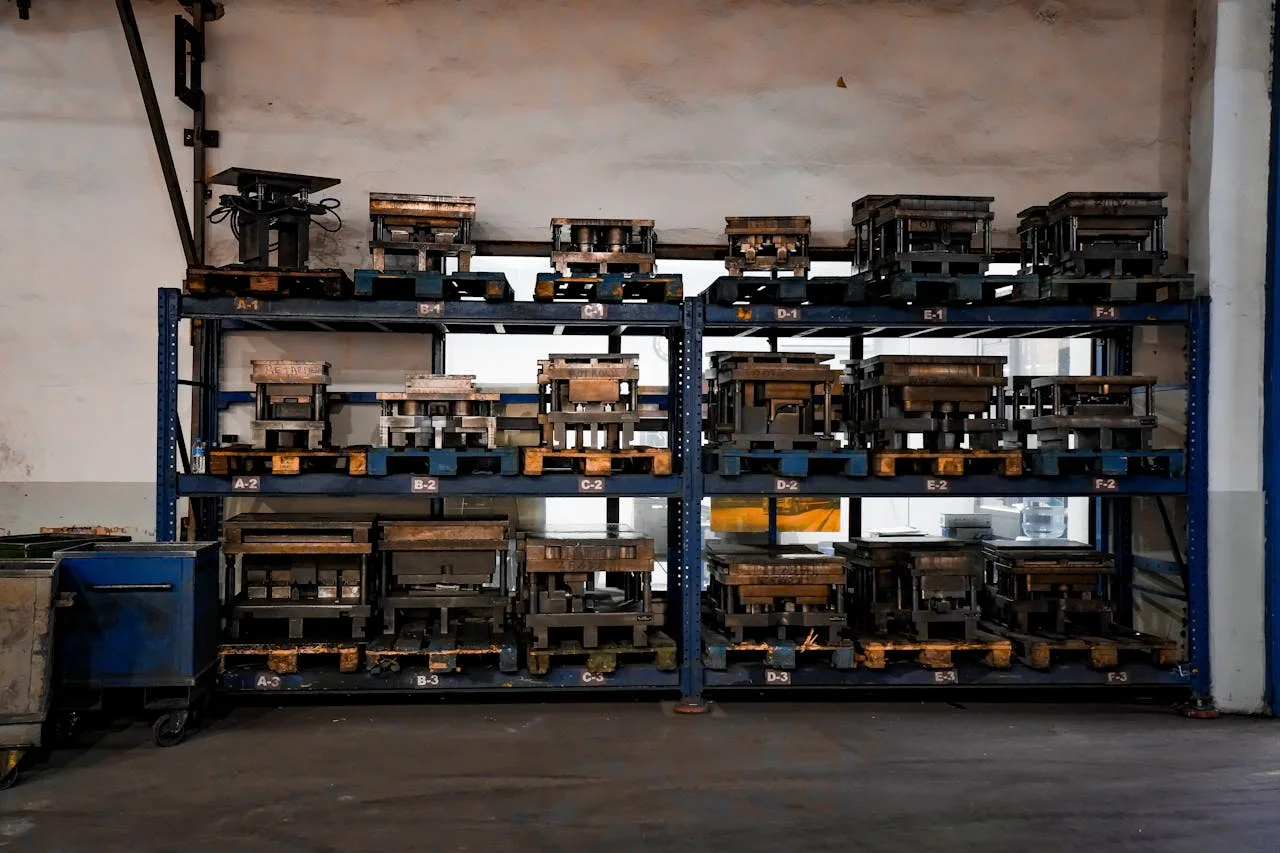
Las matrices de prensado están hechas de acero para herramientas (típicamente Cr12MoV, dureza ≥ HRC 50 para matrices, ≥ HRC 60 para portamatrices). Durante miles de ciclos, las superficies de la matriz se desgastan — especialmente en los bordes donde la presión de contacto es mayor.
A worn die produces a crimp that’s 0.1–0.3 mm over specification. At 4,000 psi working pressure, that’s the difference between a seal that holds and one that weeps.
Quality crimping machines use a dual hydraulic circuit — one circuit drives the piston advance/retract, a separate circuit controls die open/close. This prevents die lock-up and ensures equal force on all 8 die segments, keeping crimp roundness within 0.1 mm.
Cómo solucionarlo
- Inspeccione las matrices cada 5.000 ciclos para detectar redondeamiento visible en los bordes
- Mida el diámetro de prensado regularmente — si los resultados se desvían más de 0,1 mm de la especificación, reemplace la matriz
- Mantenga matrices de repuesto para los tamaños más usados (típicamente 12, 16, 19, 23 mm)
- Shop replacement dies at TRCrimp dies and accessories
5. Sin verificación con calibre después del prensado
This isn’t a crimp mistake per se — it’s a quality control gap. If you don’t measure the finished crimp diameter, you have no way to confirm the die was correct, the machine pressure was right, and the assembly meets spec.
Industry standard per ISO 8434 requires measurement and recording of crimp dimensions for traceability. Shops that skip this step find out about failures in the field — which costs 10× what a caliper check costs.
| Check Point | Tool | Acceptabla tolerancia |
|---|---|---|
| Diámetro de prensado | Vernier caliper | ±0.05 mm of spec |
| Ferrule alignment | Visual + feel | Flush with hose end |
| Die mark visibility | Visual | Clear, even die marks |
| Push test | Hand force | Zero movement |
| Prueba de presión | Test bench at 2× WP | Zero fugas for 30 sec |
6. Combinación incorrecta de manguera y conexión
Not all hoses and fittings work together. Mixing a DIN EN 856 4-spiral hose with a fitting designed for DIN EN 853 2-braid hose creates a mismatch in wire layer thickness. The ferrule compresses to the wrong diameter, and the seal fails under pressure.
Discrepancias comunes que vemos en el campo:
| Mismatch | Result |
|---|---|
| Manguera 4SP + conexión de 2 trenzas | Prensado excesivo en el vástago, prensado insuficiente en el alambre |
| Manguera de 6 espirales + conexión 4SP | Agarre insuficiente, fallo por extracción |
| Conexión sin pelado + manguera que requiere pelado | Goma atrapada, sin contacto con el alambre |
Cómo solucionarlo
- Siempre coincida la serie de manguera (SAE 100R1/R2, DIN EN 853/856) con la serie de conexiones
- Use electric hydraulic crimpers with preset die programs that lock out wrong settings
- For CNC machines like the TRC P32D, scan the die barcode — the machine rejects mismatches automatically
Referencia rápida: diagnóstico de fallos
| Symptom | Likely Cause | Fix |
|---|---|---|
| Fuga en la conexión en horas | Tamaño de matriz equivocado | Verifique la especificación de prensado, mida con calibre |
| La conexión se desprende bajo carga | Pelado omitido o combinación incorrecta de manguera y conexión | Verifique el requerimiento de pelado y la coincidencia de series de manguera |
| Goteo lento alrededor de la férula | Desalineación de férula o matriz desgastada | Verifique la profundidad de inserción, inspeccione las superficies de la matriz |
| El prensado se ve deformado (no redondo) | Daño de matriz o número incorrecto de matrices | Reemplace la matriz, verifique que todos los segmentos estén presentes |
| La cubierta de la manguera se abre en el prensado | Prensado excesivo (matriz demasiado pequeña) | Use el tamaño de matriz correcto de la hoja de especificaciones |
Equipos que evitan fallos de prensado
Consistent crimp quality starts with the right equipment. TRCrimp builds hydraulic crimpers from 95-ton manual units up to 830-ton production machines, all with factory-calibrated die sets and traceable crimp data.
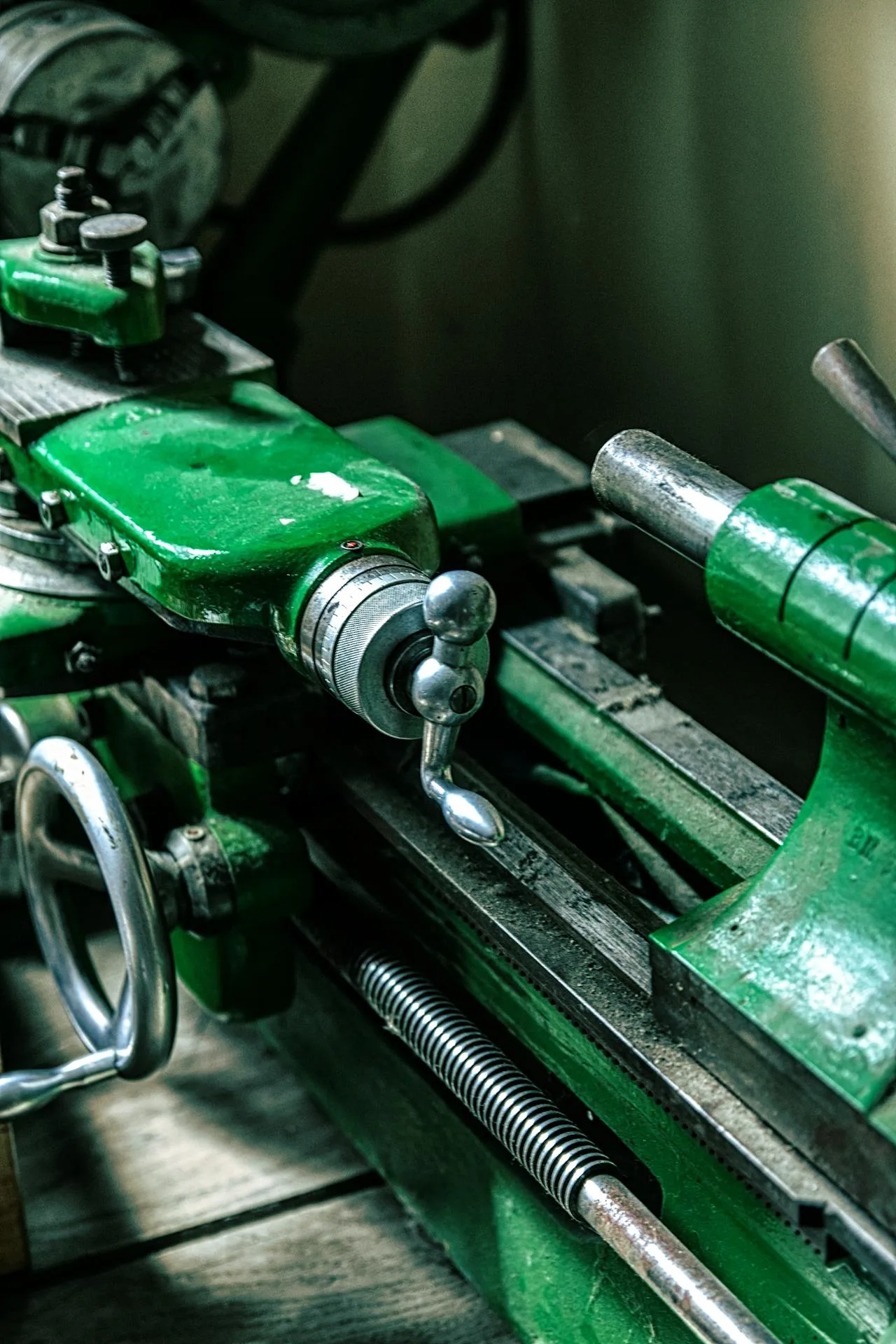
Key modeloos for calidad-focused shops:
- P32A — 200-ton electric with auto-return and die cabinet, ideal for 50–200 assemblies/day
- P32D CNC — 200-ton CNC with barcode die scanning and crimp data logging
- P16HP — 95-ton manual for field service and low-volume shops
Deje de perder dinero por malos prensados
Obtenga matrices calibradas de fábrica, especificaciones de prensado trazables y máquinas construidas para ±0,03 mm de repetibilidad.
Preguntas frecuentes
¿Qué causa que un conjunto prensado tenga fugas?
The most common cause is using the wrong die size. Each fitting requires a specific target diameter listed on the manufacturer’s spec sheet. Using a die that’s even one size off produces a crimp that doesn’t seal properly.
¿Qué tan apretado debe ser un prensado hidráulico?
The crimp diameter must match the fitting manufacturer’s specification within ±0.05 mm. Measure with a vernier caliper after every crimp. There is no “feel” method that replaces measurement.
¿Se puede prensar en exceso una conexión hidráulica?
Yes. Overcrimping (using a die that’s too small) crushes the fitting stem and restricts flow, or splits the hose cover. Always follow the spec chart for the exact hose-fitting combination.
¿Con qué frecuencia se deben reemplazar las matrices de prensado?
Inspeccione las matrices cada 5.000 ciclos. Reemplace cuando el redondeamiento de los bordes sea visible o cuando el diámetro de prensado se desvíe más de 0,1 mm del objetivo. Los talleres de alto volumen (500+ prensados/día) pueden necesitar reemplazo anual para los tamaños más usados.
¿Necesito pelar la manguera hidráulica antes del prensado?
Only if the fitting requires it. One-piece and interlock fittings typically need the outer cover removed. Check the fitting datasheet — if it says “skive required,” use a máquina de pelado before crimping.
¿Por qué mi nuevo conjunto de manguera tiene fugas en la conexión?
Verifique estas cinco cosas en orden: (1) tamaño de matriz correcto, (2) férula empujada a profundidad completa, (3) compatibilidad manguera-conexión, (4) condición de la matriz, (5) diámetro de prensado medido con calibre. Casi siempre una de estas es la causa.
What’s the difference between crimping and swaging?
Crimping uses segmented dies that compress the ferrule radially to a precise diameter. Swaging uses a continuous rotary or axial force to reduce diameter. Crimping is more common for hydraulic hose because it produces consistent, measurable results.
¿Puedo usar una prensadora estándar en tubería de acero?
No. Hydraulic crimpers are designed to compress ferrules onto flexible hose. Steel pipe requires a different tool — see our hydraulic pipe crimper guide for details on the correct equipment.


 English
  Español
  Русский