Hydraulic Steel Tube Crimper
Compare hydraulic steel tube crimpers by tube diameter, wall thickness, tooling, control method, pressure and acceptance requirements.
Compare hydraulic steel tube crimpers by tube diameter, wall thickness, tooling, control method, pressure and acceptance requirements.
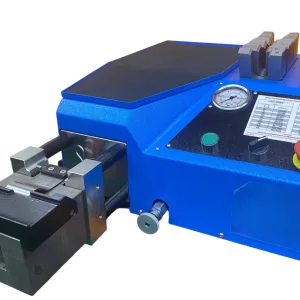
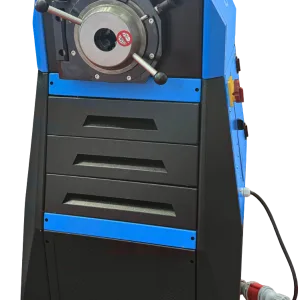
Product category | Hydraulic Steel Tube Crimper
This category is for steel-tube crimping processes, not hydraulic hose assembly. Selection starts with tube material, outside diameter, wall thickness, connection geometry, target dimensions and acceptance method.
A hydraulic steel tube crimper is qualified against the submitted tube and joint drawing, tooling concept and finished-joint acceptance method.
A hydraulic pipe crimper, hydraulic pipe crimping machine or steel tube crimping machine is reviewed as a tube-joint process; hose-crimper tooling and hose pressure claims do not establish tube-joint performance.
hydraulic steel tube crimper
Provide tube standard and material, OD and wall thickness, sleeve or joint drawing, required finished dimensions, tolerance, pull or pressure acceptance method, batch volume, controls and utilities.
hydraulic steel tube crimper
Tooling, guards, controls, included accessories and sample qualification are confirmed per quotation. A hose crimper or hose die is not presented as a steel-tube solution without specific engineering approval.
hydraulic steel tube crimper FAQ
Not by assumption. Tube material, joint geometry, tooling, force path and acceptance criteria differ.
Supply drawings, material, OD, wall thickness, target dimensions, tolerance and representative samples.
No. Joint performance requires the applicable design and validation procedure.