Used equipment | Risk review
Used Hydraulic Hose Crimping Machine for Sale: Inspect the Risk
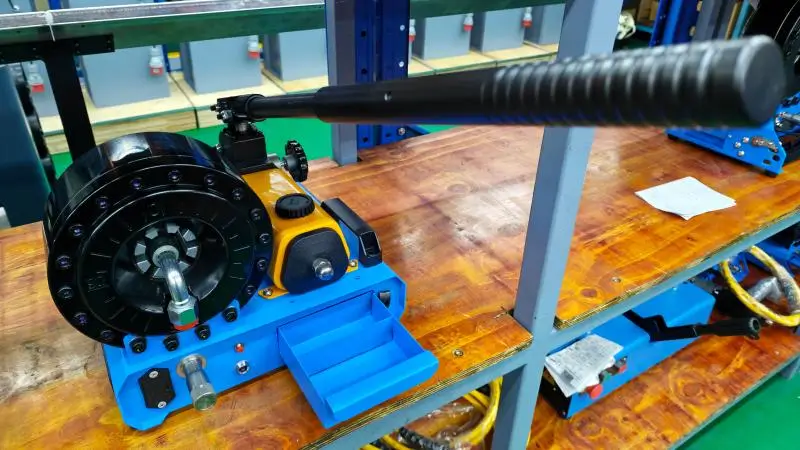
A used hydraulic hose crimping machine for sale can be economical when its tooling, condition, data and parts remain supportable. Whether it is listed as a used hydraulic hose crimp machine, used hydraulic hose crimper or second hand hydraulic hose crimper, inspect it as a hydraulic hose crimping machine used in real production—not as a nameplate and no-load video.
Buyer fit
Used equipment rewards inspection capability and punishes missing records
Buyer can inspect and support
You can inspect hydraulics and controls, verify tooling, measure controlled samples and source parts without unacceptable downtime.
Use the checklist below >History or support is missing
Production is safety-critical, machine history is absent, controls are obsolete or downtime from unsupported parts would be unacceptable.
Compare a new configuration >On-site inspection
Inspect seven evidence groups before negotiating on appearance
Model, serial, manual, diagrams, service, repair and calibration history.
Leaks, hoses, oil condition, pump noise, heat, pressure and return behavior.
Master dies, matched segments, wear, damage, corrosion, adapters and ranges.
Buttons, display, sensors, emergency stop, settings and control backups.
Full opening, closing and return movement under an agreed procedure.
Known components, valid crimp data and repeated measurement results.
Current manuals, consumables, dies, control parts and technical ownership.
Rigging, installation, recommissioning and responsibility for existing faults.
Total ownership cost
Add the costs that the sale price leaves out
Include missing dies, freight, electrical changes, oil and service, damaged hoses, measurement or calibration checks, control replacement, lost production and operator training.
A used hydraulic hose crimper for sale may still be the lower-cost route, but only after unresolved risk is included in the comparison.
Ask the seller
Request the information needed to compare used and new
What work did it perform?
Ask what assemblies were made, why the machine is being sold and which faults or modifications are known.
What is actually included?
List master dies, die sets, adapters, options, manuals, diagrams, backups and spare parts.
Can it repeat a known result?
Agree on components and target data, then measure repeated samples and the full operating sequence.
Related equipment and guidance
Continue with the route that matches the next decision
These links connect the current task to the relevant equipment category, comparison guide or Resources hub without creating a second page for the same search intent.
Compare a supported new machine
Use the current crimper category to compare used uncertainty with a configured new-machine route.
Browse new crimpers >Inspect available die routes
Confirm the exact machine series and assembly before treating any die set as usable.
Review crimper dies >Return to all decision routes
Use the Resources hub for selection, starter-kit and compatibility decisions outside this used-equipment review.
Resources hub >Used Machine FAQ
Questions that reveal support and condition risk
What should I inspect first on a used crimper?
Confirm identity, tooling completeness, hydraulic and control condition and supportability before focusing on appearance.
Is a successful closing cycle enough?
No. Use correct tooling and valid data to make repeated controlled samples, and inspect the full opening, closing and return sequence.
Can old dies be reused?
Only after confirming that they are complete matched sets, undamaged, dimensionally appropriate and compatible with the machine and assembly.
What if the pump contains air or the dies stick?
Treat it as a condition requiring diagnosis, not a harmless quirk. Include possible pump, oil, valve, seal or control work in the risk.
Used or new – which costs less?
Compare acquisition plus tooling, service, parts, downtime and validation over the expected use period. The answer depends on condition and support, not age alone.
Used versus new
Need a new-machine comparison for a used offer?
Send the used model, serial, included tooling, records, price basis and your assembly range. TRC will separate verified facts from unresolved risk.