Electric Hydraulic Hose Crimper
Compare electric hydraulic hose crimpers for workshops by voltage, control, return, tooling, hose range, operator flow and production needs.
Compare electric hydraulic hose crimpers for workshops by voltage, control, return, tooling, hose range, operator flow and production needs.
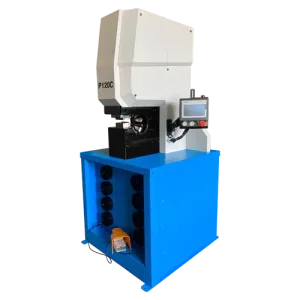
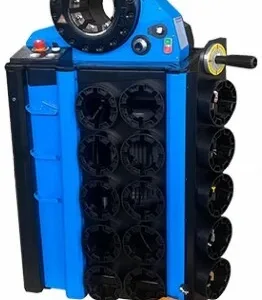
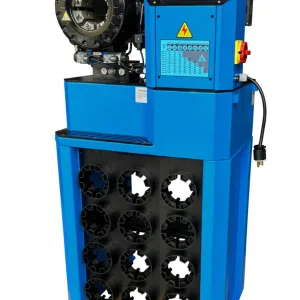
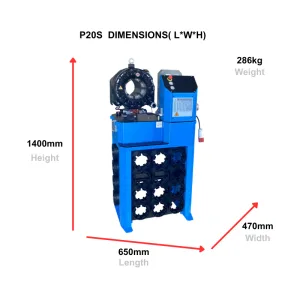
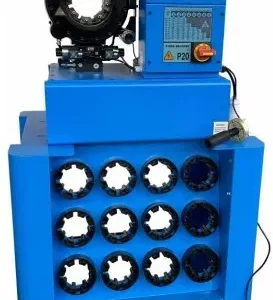
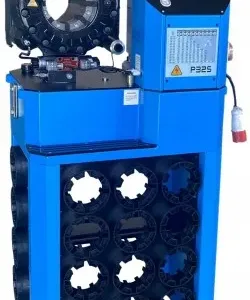
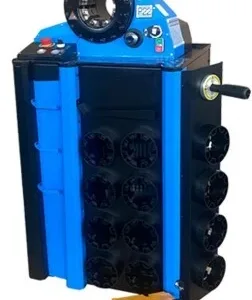
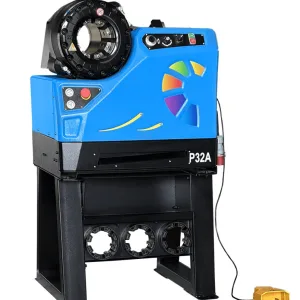
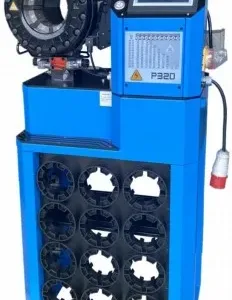
Product category | Electric Hydraulic Hose Crimper
An electric machine is a practical step when regular output, operator workload and repeat settings matter. Choose the control level and capacity that fit the process rather than assuming every screen or automatic return is necessary.
An electric hydraulic hose crimper should be selected around the workshop’s regular assembly mix, available power and required operator workflow.
An electric hydraulic hose crimping machine is most useful when its voltage, tooling, control method and duty cycle fit the workshop’s actual assembly mix.
An electric hose crimper or electric hose crimping machine is therefore a workshop system choice, not simply a manual crimper with a motor added.
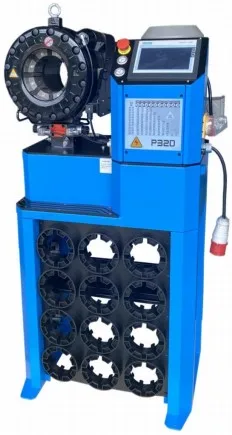
Prensa de Mangueras Hidráulicas Eléctrica
Confirm voltage and phase, largest assembly, die series, normal/peak output, control method, return behavior, foot or hand operation, bench/floor space and how settings will be checked. A workshop with frequent hose changes may value quick tooling and clear job records more than maximum force.
Prensa de Mangueras Hidráulicas Eléctrica
Selection begins with the assembly envelope, destination voltage and phase, control needs, shift volume, changeovers and realistic loading time. Recorded machine-cycle values can help compare models, but finished output also includes cutting, insertion, die changes, measurement and handling; TRC therefore does not convert a close/open time into a guaranteed hourly production figure.
The P20 record confirms QuickChange tooling, die racks and a foot pedal as standard, while the P32D record supports CNC recipes, correction, step crimping and job records. Other controls, voltage variants, tooling and line accessories are marked standard, optional or to be confirmed for the quoted model. Identifiable product images and model records support the published comparison; the applicable electrical sheet, die data, inspection evidence and installation requirements are issued for the selected configuration and revision.
Arrange the cutter, skiver where required, cleaning station, crimper, measurement and finished assembly area in process order. Keep cut debris away from clean components and provide support for long hose so it does not pull the fitting during crimping.
Related equipment and guidance: review the P20 , compare the P32D , or plan the equipment chain .
electric hydraulic hose crimper FAQ
It can improve recipe handling and repeat jobs, but only if settings are tied to valid assembly data and operators use them correctly. Mechanical controls may be sufficient for stable, lower-variety work.
Use model-specific cycle data only where it is documented, then account for cutting, insertion, die changes, measurement and handling. A theoretical crimp cycle is not the complete hourly output.
No. Confirm destination voltage, phase and frequency before ordering. Do not plan to solve a mismatch after delivery without manufacturer approval.
Follow the model manual and quality plan, and investigate drift whenever measured results change. Maintenance includes hydraulic condition, tooling, lubrication/cleanliness where specified and control checks.
Next step
TRC will compare voltage, control, recorded cycle data, tooling and operator flow against the submitted shift requirements, then list any configuration fields that remain open.