Pneumatic Hydraulic Hose Crimper
Compare each pneumatic hydraulic hose crimper by assembly range, die family, compressed-air requirements, controls and workshop workload.
Compare each pneumatic hydraulic hose crimper by assembly range, die family, compressed-air requirements, controls and workshop workload.
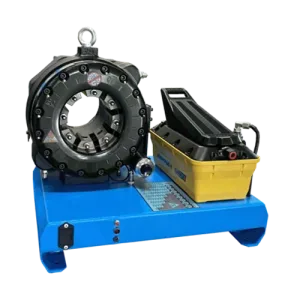
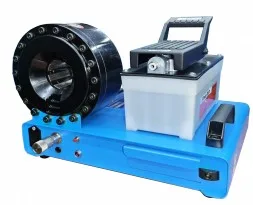
Product category | Pneumatic Hydraulic Hose Crimper
A pneumatic hose crimper uses an air-powered pump to drive the hydraulic crimping head. It can reduce repeated hand pumping, but it still depends on stable compressed air, correct tooling and a controlled measurement process.
For repeated jobs, compare a pneumatic hose crimping machine or pneumatic hose crimping tool by the complete air-and-hydraulic cycle, not by compressor availability alone.
pneumatic hydraulic hose crimper
Confirm supply pressure and flow, hose and connection size, air quality, noise, foot or hand control, hydraulic return behavior, expected workload and maintenance access. Available compressed air does not automatically make the pneumatic route faster than every electric system.
pneumatic hydraulic hose crimper
The quotation identifies the air-powered unit, die coverage, hydraulic components, controls and optional tooling. Output is estimated from the complete load–crimp–measure cycle under stated conditions, not from an unsupported speed claim.
pneumatic hydraulic hose crimper FAQ
No. Both can avoid a dedicated electric motor on the crimper, but a pneumatic model needs a suitable compressed-air system.
Only after its pressure, flow, duty cycle and connection are checked against the quoted machine requirements.
Compare existing utilities, workload, control needs, noise, maintenance and the assemblies being made. There is no universal answer.