станок для снятия оболочки с рукавов
Compare hose skiving machines for specified external or internal skive processes. Select by hose, fitting system, skive length and production needs.
Compare hose skiving machines for specified external or internal skive processes. Select by hose, fitting system, skive length and production needs.
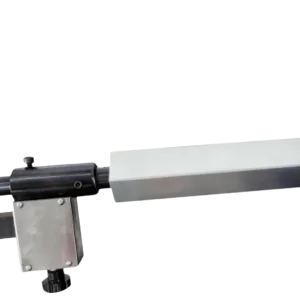
Product category | Hose Skiving Machine
Skiving is not a universal preparation step. It is used only when the selected hose-and-fitting system requires a defined external or internal skive. Confirm the specification before choosing the machine and tooling.
A hydraulic hose skiver is selected by required skive type, hose range, tooling and production frequency—not by pressure alone.
Hose skiving machines should be compared only after the assembly specification confirms that cover or tube removal is required.
hose skiving machine
External skiving removes a controlled section of cover; internal skiving removes material from the bore where specified; no-skive systems are assembled without those steps. None of these labels alone proves pressure performance. The component system and its instructions control the process.
hose skiving machine
Provide hose construction and size, fitting/ferrule system, required skive type, length and depth, production frequency, power and dust/debris control method. Use sample trials for unfamiliar assemblies.
hose skiving machine
The hose and fitting specification must first state whether an internal skive, external skive or no-skive process is required. Hose diameter, target length and depth, expected volume, utilities and the acceptance method then define the machine and tooling review. Adding a skiving step to a no-skive component system can damage the hose and invalidate the assembly method.
The quotation distinguishes the recorded machine and supplied tools from optional mandrels, cutters and extraction equipment. Qualify the setup with the exact hose and fitting system and a representative sample. Record the specified skive length and depth, surface condition, reinforcement condition, fitting insertion, approved tool, setting and document revision. If the component system is no-skive, adding material removal can damage the hose and move the result outside the manufacturer’s assembly method.
The inquiry should include hose manufacturer and series, size, cover thickness, required internal or external skive, length and depth target, regular volume, specified tool, dust-extraction needs and operator inspection method.
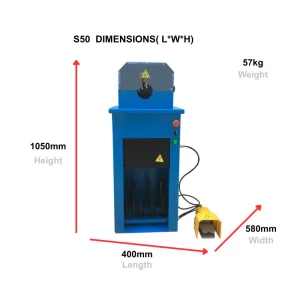
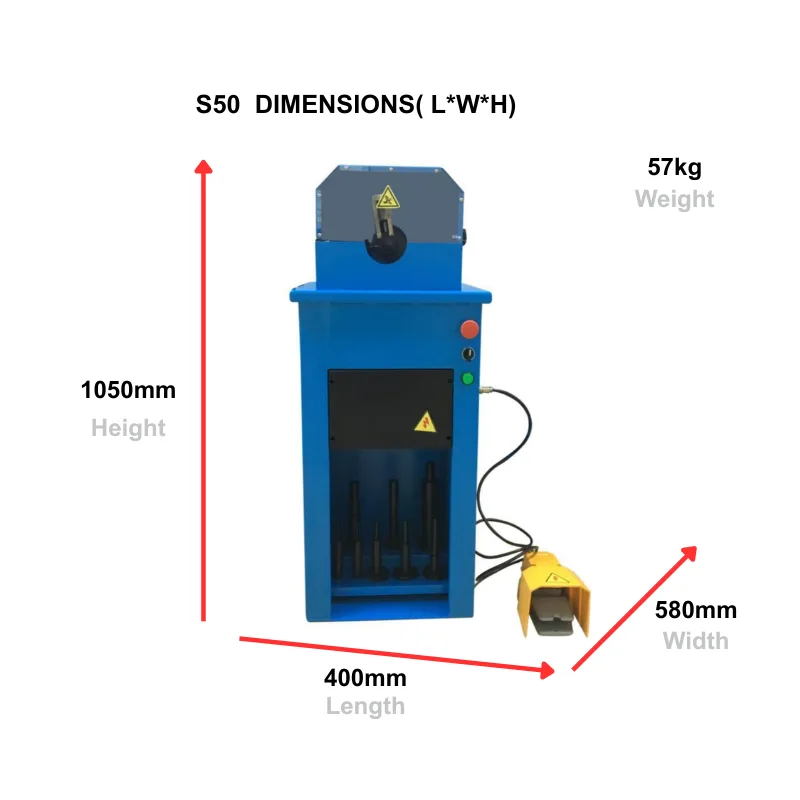
Related equipment and guidance: review the S50, return to the crimper category, or plan a starter kit.
hose skiving machine FAQ
Only if the valid assembly instructions require skiving. Many systems are designed for no-skive assembly; others require controlled material removal.
Do not use a single pressure threshold. Follow the hose-and-fitting specification.
The hose structure or sealing relationship can be damaged. Stop and compare the preparation with the specified length/depth; do not “correct” it by crimping tighter.
Check the verified range, mandrel/tooling and exact preparation requirement. Different constructions may need different tools and settings.