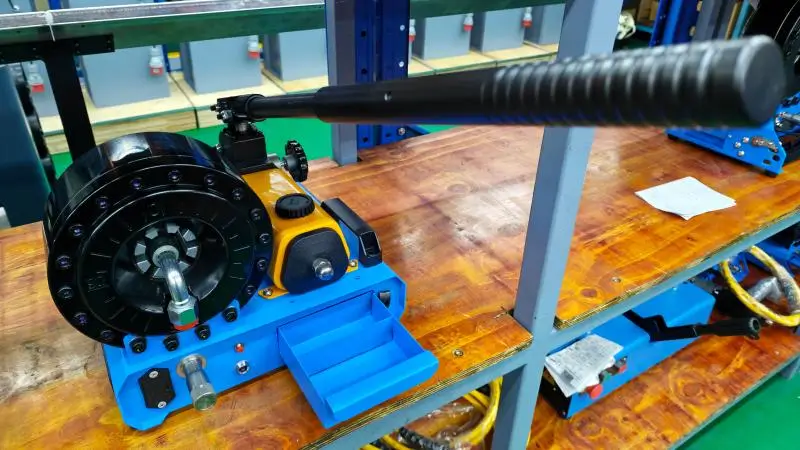
Hose Hydraulic Crimper: 7 Pro vs Budget Specs
Two hose hydraulic crimper units can look identical in photos — same frame, same die holder, same paint. But one crimps 10,000 assemblies at ±0.03 mm, and the other can’t hold ±0.2 mm past 500 crimps. Here are the 7 specs that actually separate professional-grade machines from budget knockoffs, and how to verify each one before you buy.
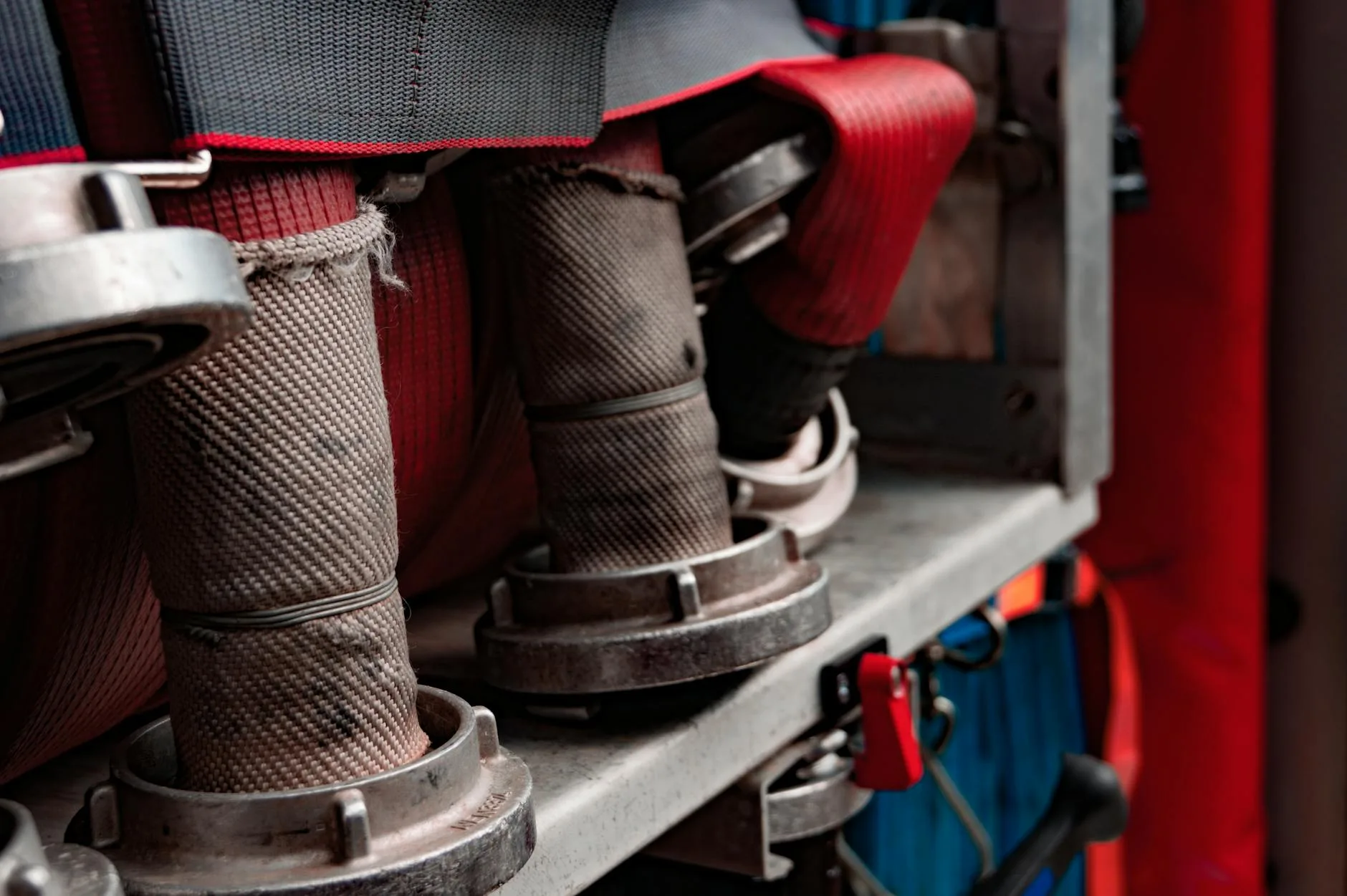
Tabla de Contenidos
- Especificaciones rápidas: lo que debe revisar
- Especificación #1: Precisión de tonelaje
- Especificación #2: Dureza de matrices
- Especificación #3: Tolerancia de prensado
- Especificación #4: Tiempo de ciclo
- Especificación #5: CNC vs Manual
- Especificación #6: Características de seguridad
- Especificación #7: Soporte postventa
- Cómo verificar las especificaciones
- Preguntas frecuentes
Especificaciones rápidas: lo que debe revisar
| Especificación | Profesional | Económica | How to Verify |
|---|---|---|---|
| Tonnage precisión | ±2% | ±10% | Load cell test |
| Die hardness | HRC 58–62 | HRC 40–45 | Rockwell test or spec sheet |
| Tolerancia de prensado | ±0.03–0.05 mm | ±0.15–0.2 mm | 10 prensados de prueba consecutivos |
| Cycle time | 6–12 seconds | 20–45 seconds | Stopwatch on 10 cycles |
| Control CNC | Touchscreen, 100+ programs | Dial or none | Count stored programs |
| seguridad características | 5+ systems | 1–2 systems | Physical inspección |
| After-sale support | Die resharpening, 3-day piezas | No support | Ask for reference cliente |
What Is a Hose Hydraulic Crimper?
A hydraulic hose has three layers: an inner rubber tube that carries the fluid, a steel wire reinforcement layer (2-wire braid for SAE R2, 4-spiral for R12, 6-spiral for R13), and an outer rubber cover. The crimper’s dies compress a metal ferrule radially inward until it grips the steel wire permanently through a crimping joint — without crushing the inner tube. The crimper itself is only as good as the dies and control system inside it.
Spec #1: Tonnage Accuracy — ±2% vs ±10%
A prensa hidráulica rated at 200 tons should deliver 200 tons every time. According to Pascal’s Law, hydraulic pressure transmits uniformly, producing consistent radial force at up to 31.5 MPa at the die face.
profesional máquinas hold ±2%, meaning actual force stays between 196–204 T. presupuesto unidades drift ±10%, hitting 180–220 T across consecutive crimps. Any drift means the circuito hidráulico has a problem.
Why does 20 T of variation matter? Ferrule compression is non-linear.
A 10% undercrimp leaves the ferrule too loose, and the fitting can pull out under working pressure. A 10% overcrimp crushes the inner tube, creating a restriction that causes pressure spikes downstream.
| Tonnage Accuracy | Actual Range (200T rated) | Crimp Result |
|---|---|---|
| ±2% (profesional) | 196–204 T | Consistent diameter, pass rate >99% |
| ±5% (Mid-range) | 190–210 T | Minor variation, pass rate 95–98% |
| ±10% (Budget) | 180–220 T | Visible variation, pass rate 85–95% |
How to verify: Ask the supplier for a load cell test certificate showing tonnage output at 10 points across the machine’s range. If they can’t provide one, the ±2% claim is a number on paper, not a tested reality. A quality hydraulic hose crimping machine comes with this documentation standard, along with portable options for field work.
Spec #2: Die Steel Hardness — HRC 58–62 vs HRC 40–45
The dies do the actual work. Their hardness determines how many crimps they’ll produce before the surfaces score, deform, and start producing inconsistent results.
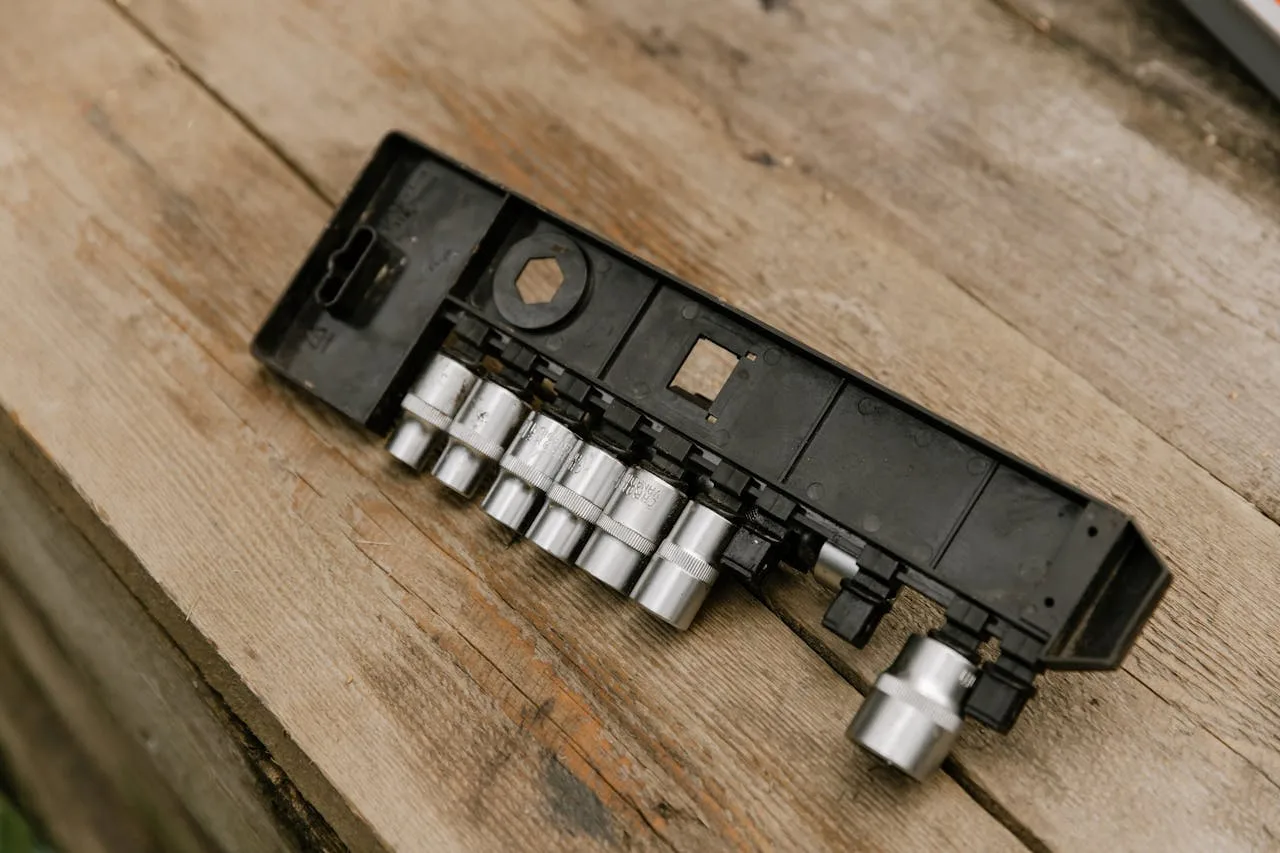
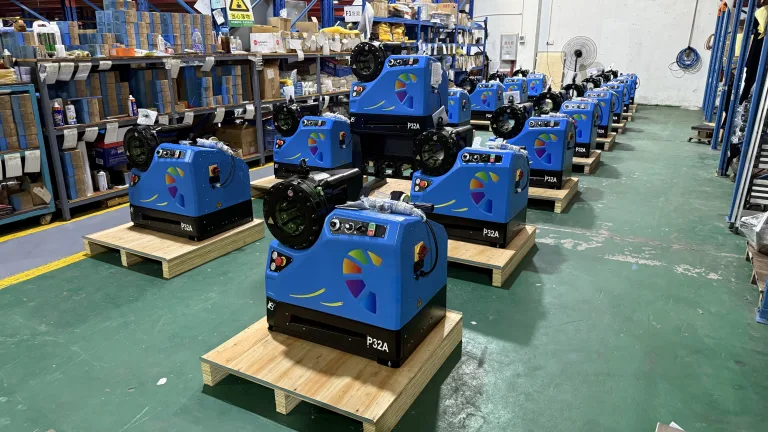
Professional dies are made from Cr12MoV or SKD11 tool steel, vacuum-hardened to HRC 58–62. At this hardness, the die faces resist deformation and scoring. Lifespan: 5,000–10,000 crimps. The P32A CNC crimper ships with Cr12MoV dies as standard equipment, along with a matching cutting saw for clean hose preparation.
Budget dies use low-carbon steel at HRC 40–45. They feel fine out of the box but score visibly after 200–500 crimps. Once scored, every crimp leaves ridge marks on the ferrule, and the crimp specifications define the measured diameter drifts wider with each use. For hydraulic crimpers used in production, this means escalating scrap rates.
| Die Type | Material | Hardness (HRC) | Lifespan | Cost per Crimp |
|---|---|---|---|---|
| Profesional | Cr12MoV / SKD11 | 58–62 | 5,000–10,000 | $0.008–0.016 |
| Económica | Low-acero al carbono | 40–45 | 500–1,000 | $0.025–0.050 |
profesional dies costo 2–3x more upfront but are 3–5x cheaper por prensado over their lifespan.
Spec #3: Crimp Tolerance — ±0.05 mm vs ±0.2 mm
La tolerancia de prensado es la desviación permitida entre el diámetro objetivo de la férula y el diámetro medido real. Esta especificación determina directamente si su conjunto mantiene la presión o falla en servicio.
| Tolerancia | Tipo de control | Pass Rate | Best aplicación |
|---|---|---|---|
| ±0.03 mm | Servo CNC | >99.9% | aeroespacial, minería ISO trazabilidad |
| ±0.05 mm | Standard CNC | >99.5% | de alto volumen production |
| ±0.08 mm | eléctrica auto-return | 97–99% | Taller general |
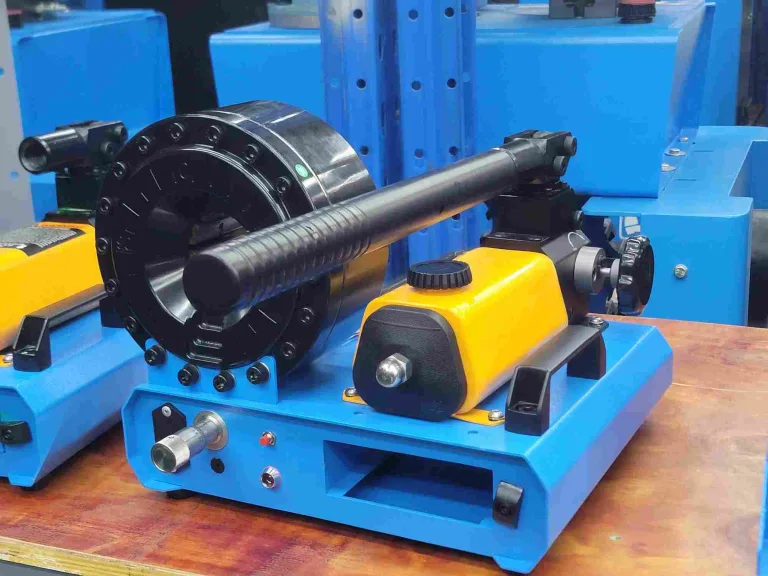
| ±0.1 mm | P16HP manual calibrated | 95–97% | Reparación de campo, bajo volumen |
| ±0.2 mm | Manual uncalibrated | 85–93% | Not recommended for service |
How to verify: Crimp 10 assemblies with the same die. Measure each at 3 points (120° apart) with a digital caliper.
Calculate the spread. Adjust the micrometer stop (each mark = 0.01 mm) and retest. If the maximum spread still exceeds 0.1 mm, the machine can’t hold ±0.05 mm.
Spec #4: Cycle Time & Production Rate
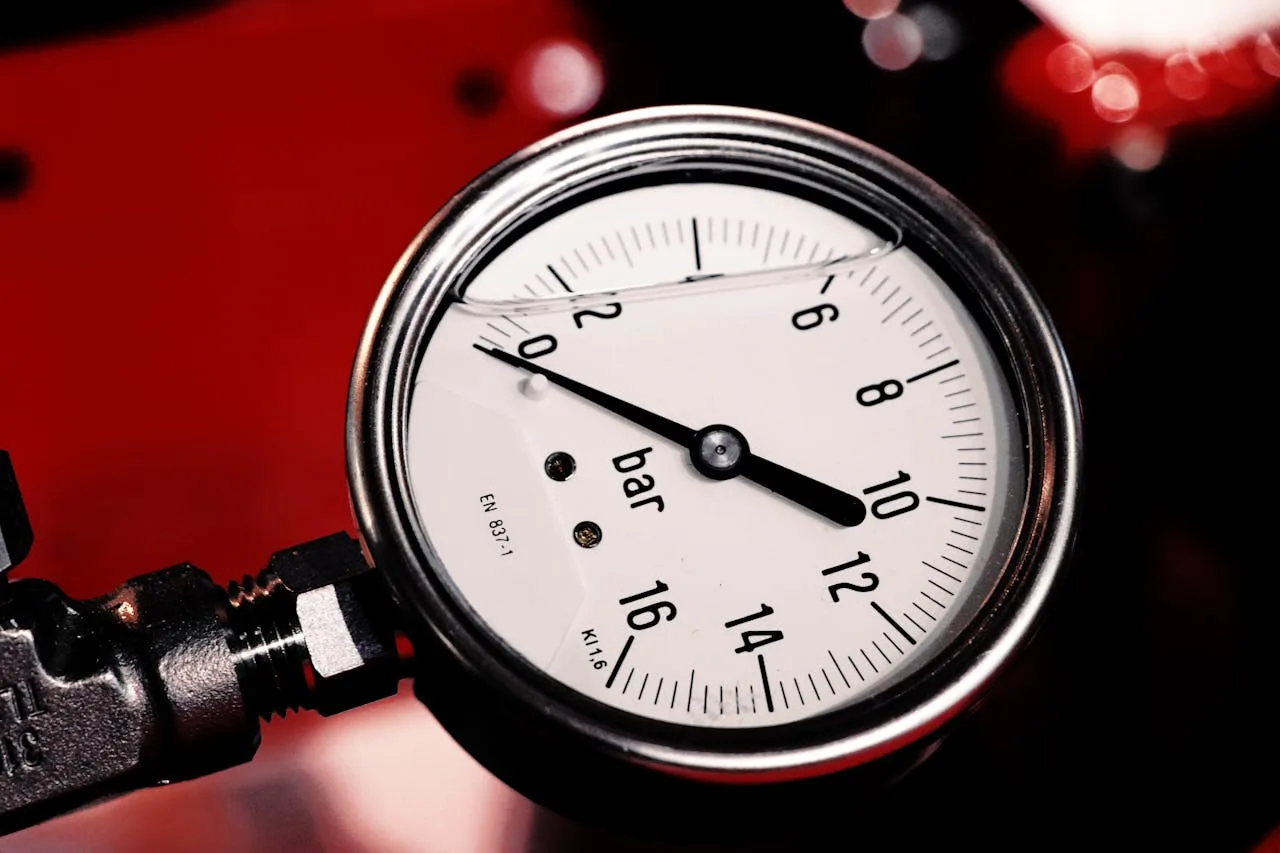
El tiempo de ciclo importa más de lo que la mayoría de los compradores piensa — no porque la velocidad en sí sea crítica, sino porque un tiempo de ciclo inconsistente revela problemas del sistema hidráulico.
| Machine Type | Tiempo de ciclo | Consistency (10 cycles) | Daily Capacity |
|---|---|---|---|
| profesional CNC | 6–12 seconds | ±0.5 seconds | 200–500+ |
| profesional eléctrica | 8–15 seconds | ±1 second | 100–300 |
| presupuesto eléctrica | 15–30 seconds | ±5 seconds | 50–150 |
| manual hand pump | 30–45 seconds | ±10 seconds (operador dependent) | 30–60 |
Red flag: If cycle time increases noticeably after 20–30 consecutive crimps, the hydraulic oil is overheating. Professional machines have oil coolers; budget machines don’t. An overheating machine produces inconsistent crimps after the first 30–50 cycles.
Spec #5: CNC vs Manual Control
A CNC-controlled hydraulic hose crimper stores die programs with target diameter, tonnage, speed, and dwell time. Operator selects the hose size, inserts the fitting, and presses start. The machine handles everything else.
What CNC actually gives you:
- 100+ stored programs — switch between hose sizes in 2 seconds, no manual adjustment
- Data logging — every crimp recorded with timestamp, operator ID, measured diameter
- Error blocking — machine won’t start if the wrong die is detected
- Consistent dwell time — pressure holds for the programmed duration every time
What manual control costos you:
- Each cambio de matriz requires recalibración (5–10 minutes vs 2 seconds)
- No traceability — if a batch fails, you can’t identify which specific crimp was bad
- operador-dependent calidad — two operadors produce different results
Especificación #6: Características de seguridad
profesional máquinas include at least 5 seguridad sistemas. presupuesto máquinas often have only a basic emergency stop.
| Safety Feature | Profesional | Económica | Por qué importa |
|---|---|---|---|
| Two-hand start | ✅ | ❌ | Keeps hands away from die area during close |
| seguridad shield / guard | ✅ | ❌ or partial | Contains debris if ferrule fractures |
| Overload protection | ✅ | ❌ | Stops machine if force exceeds rated tonnage |
| Parada de Emergencia | ✅ | ✅ | Immediate hydraulic release |
| Oil temperatura sensor | ✅ | ❌ | Prevents operation with degraded oil |
Spec #7: After-Sale Support & Spare Parts
This is the spec that doesn’t show up on a comparison table — until you need it at 2 PM on a Friday when your only machine is down.
profesional proveedor support includes:
- Die resharpening service (extends die life 2–3x at 30% of new die cost)
- repuestos shipped within 3 working days
- Remote diagnostics via phone/vídeo
- calibración service (annual)
- Reference clientes you can call
presupuesto proveedor reality:
- No resharpening — buy new dies when worn
- Parts availability unknown after purchase
- No soporte técnico line
Professional vs Budget: Full Comparison
| Especificación | profesional (TRC P32A CNC example) | presupuesto (typical import) |
|---|---|---|
| Tonnage precisión | ±2% | ±8–12% |
| Die material | Cr12MoV, HRC 58–62 | Low-acero al carbono, HRC 40–45 |
| Tolerancia de prensado | ±0.05 mm | ±0.15–0.2 mm |
| Cycle time | 8–12 segundos, ±0.5s | 20–30 segundos, ±5s |
| Control | CNC touchscreen, 200 programs | Manual dial |
| Safety systems | 5 (two-hand, shield, overload, temp, e-stop) | 1–2 (solo parada de emergencia) |
| Oil cooling | Built-in radiator | None (overheats after 50 prensados) |
| Die lifespan | 5,000–10,000 prensados | 500–1,000 prensados |
| Support | 3-day piezas, calibración, references | No support |
| Price | $4,000–8,000 | $800–2,000 |
How to Verify These Specs Before Buying
Every hose hydraulic crimper claims great specs on paper. Test before you trust.
- Request a test crimp report. 10 consecutive crimps, same die, measured at 3 points each. The spread tells you the real tolerance.
- Ask for die material certificates. Reputable suppliers provide heat treatment records showing HRC hardness.
- Run 50 crimps on video call. Watch cycle time consistency. If it slows down noticeably, the hydraulic system can’t sustain output.
- Check safety features physically. Two-hand start, shield, overload sensor — verify each one works, not just that it exists.
- Call a reference customer. Ask how long they’ve had the machine, how many crimps they’ve done, and whether tolerance has drifted over time.
3 Common Problems with Budget Crimpers
Tonnage Drift After 50 Crimps
Symptom: Crimp diameter widens gradually. Cause: No oil cooler — hydraulic fluid overheats and thins out. Fix: Stop every 30 minutes and let oil cool.
Dies Score After 500 Crimps
Symptom: Visible ridges on every ferrule. Cause: Low-grade die steel (HRC 40-45). Fix: Upgrade to Cr12MoV dies (HRC 58-62).
No repuestos Available
Symptom: Machine sits idle for weeks. Cause: Budget supplier has no parts network. Fix: Ask for spare parts list before buying — a proper crimping machine hydraulic supplier stocks seals, valves, and die sets for same-week dispatch.
For crimper hose workshops, this is the single biggest hidden cost of budget equipment. A quality crimper from an established manufacturer keeps running while a budget unit waits six weeks for a $20 seal. Whether you run a crimping machine for hydraulic hose at 50 or 500 units per day, parts availability is non-negotiable.
Preguntas Frecuentes
¿Cómo puedo distinguir una prensadora hidráulica profesional de una económica?
Check 3 things: die hardness (HRC 58–62 = professional), crimp tolerance (±0.05 mm or better = professional), and cycle time consistency over 50 consecutive crimps. If the 50th crimp on a hose hydraulic crimper is measurably different from the 1st, it’s a budget unit with an inadequate hydraulic system.
¿Qué tolerancia de prensado necesito realmente?
For SAE-norma hoses (R1 through R15), ±0.1 mm is fine for general hydraulic service (construcción, agricultura). ±0.05 mm is required for minería (SAE R13 6-manguera espiral), marino, and aeroespacial.
±0.03 mm is for high-volume production with ISO traceability. Whether you crimp one-piece, interlock, or reusable fittings, most professional manual hydraulic hose crimpers hold ±0.1 mm; CNC models hold ±0.03–0.05 mm. For crimping machine hose applications in mining and marine, ±0.05 mm is the minimum acceptable tolerance.
¿Vale la pena las matrices caras?
Yes. Professional Cr12MoV dies cost 2–3x more upfront but last 10x longer and maintain tolerance throughout. One failed crimp on a mining excavator — hose blows, machine goes down for 4 hours, operator stands idle — costs more than an entire professional die set. A proper hose hydraulic crimping machine from a reputable manufacturer pays for itself in reduced scrap and downtime.
¿Cómo verifico las especificaciones antes de comprar una prensadora hidráulica?
Ask the supplier for a test crimp report: 10 consecutive crimps measured at 3 points each, showing the spread. If they can’t or won’t provide it, the tolerance claim on their spec sheet is unreliable.
¿Qué características de seguridad debe tener una prensadora profesional?
Five minimum: two-hand start (both buttons pressed simultaneously), safety shield over the die area, overload protection that stops the machine if tonnage exceeds rated capacity, oil temperature sensor (hydraulic fluid 68# anti-wear oil) with automatic shutdown, and an emergency stop button within arm’s reach. All machine crimping hose units sold in the EU must also meet CE Machinery Directive 2006/42/EC requirements.
Need Help Evaluating a Hose prensa hidráulica?
Send us the spec sheet and we’ll tell you if it’s professional-grade or budget — honestly, within 24 hours.


 English
  Español
  Русский