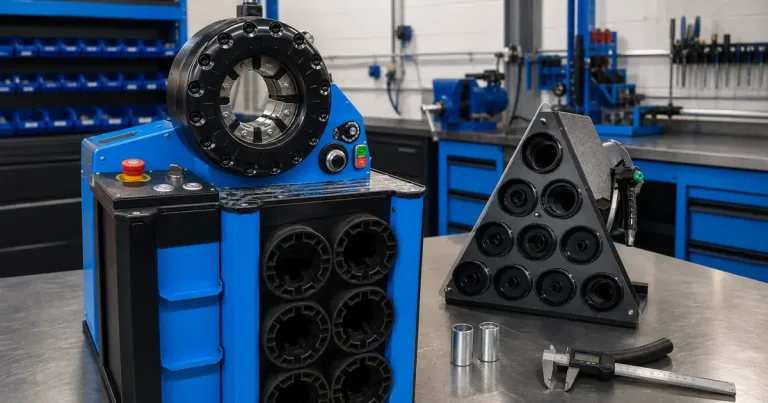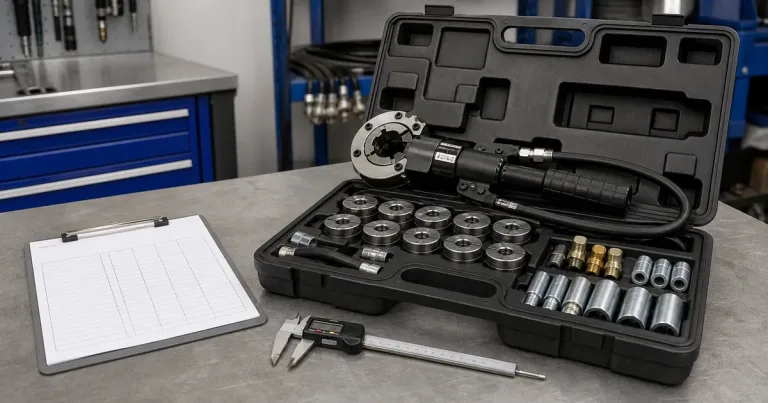

Inspeccione una prensa de mangueras hidráulicas usada en otro taller como máquina primero. Confirme su identidad, estado y capacidad para hacer una muestra controlada antes de discutir si el precio es atractivo.
Esta página cubre la inspección física y funcional. La identidad del vendedor, el historial de servicio y el alcance del listado necesitan verificaciones documentales separadas antes de que se apruebe la compra.
Un ciclo sin carga no es una prueba de aceptación
Una máquina usada se enciende y cierra sin carga, pero el vendedor no puede demostrarlo en la combinación de componentes del comprador. Una inspección significativa incluye identidad, matrices, estado hidráulico, controles y una muestra medida.
Confirme la identidad de la máquina
Fotografíe la placa de identificación, modelo, información de serie, panel de control y datos de potencia. Compárelos con un manual o registro del fabricante. Una máquina prensadora de mangueras usada no identificada es difícil de reparar y valorar.
Inspeccione el cabezal de prensado y el utillaje
Busque daños, desgaste desigual, corrosión, segmentos sueltos y contaminación en las superficies deslizantes. Identifique cada matriz suministrada. Las matrices sin marcar no deben contarse como utillaje de producción utilizable hasta que se midan y verifiquen.
Revise el sistema hidráulico
Busque fugas de aceite alrededor de cilindros, mangueras, accesorios, bomba y válvulas. Escuche ruidos anormales desde una posición segura. Nunca use la mano para localizar una fuga por orificio sospechosa; un informe de accidentes de OSHA registra a un trabajador hospitalizado por inyección de una manguera hidráulica perforada.
Opere las funciones de apertura, cierre y retorno según el manual. Un ciclo vacío suave es útil pero no prueba el rendimiento con carga.
Revise los controles
Pruebe las funciones de ajuste, parada y retorno. Para controles electrónicos, verifique pantalla, entrada, configuraciones almacenadas y funciones de emergencia. Confirme la compatibilidad de potencia de destino.
Ejecute una muestra documentada
Use componentes de manguera y accesorios identificados con datos objetivo válidos. Registre la matriz y la configuración, haga una primera pieza y mídala en la posición especificada.
Una máquina prensadora de mangueras hidráulicas usada que cierra con éxito aún puede necesitar calibración, sellos, matrices o trabajo en el controlador.
Inspeccione la máquina en tres etapas
Comience en frío. Fotografíe la placa de identificación, nivel de aceite, asiento de matriz, datos eléctricos, protecciones, controles y modificaciones visibles antes de que alguien caliente la máquina o limpie una fuga. Una capa de pintura fresca no es evidencia de estado.
Haga funcionar el cabezal vacío solo después de la verificación visual. Escuche durante el cierre, sostenimiento y retorno, luego repita bajo una carga de prensado representativa. La máquina debe sostener y retornar consistentemente con el utillaje real y el conjunto de componentes que planea usar.
| Etapa | Lo que verificamos | Razón para detenerse |
|---|---|---|
| Inspección en frío | Identidad, fugas, cableado, asiento de utillaje y modificaciones | Identidad faltante, cambios inseguros o fuga activa |
| Ciclo sin carga | Cierre, sostenimiento, retorno, controles y sonido anormal | Movimiento brusco, parada fallida o retorno inestable |
| Prensado de muestra | Matriz correcta, identidad del componente y medición final | Datos desconocidos, utillaje dañado o resultado inconsistente |
Un video ayuda a un comprador remoto, pero debe mostrar la identidad de la máquina y una secuencia sin cortes. Un primer plano del cabezal moviéndose sin carga prueba muy poco.
Inspeccione el asiento de la matriz y el utillaje como un solo sistema
Limpie el asiento de la matriz antes de juzgar el desgaste. Busque contacto desigual, marcas de impacto, corrosión, calzas improvisadas o utillaje que no asiente en escuadra. Registre cada marca de matriz y fotografíe las superficies de trabajo.
“Troqueles incluidos” no es lo mismo que “troqueles utilizables para su programa de mangueras.” Haga coincidir cada troquel con los datos actuales del componente y el sistema de utillaje previsto para la máquina. Si el vendedor no puede identificar un troquel, colóquelo en un grupo no aprobado hasta que se establezca su función.
Ejecute una muestra representativa y luego repítala en caliente
Utilice una manguera, un racor y una férula identificados con datos de crimpado actuales. Marque la profundidad de inserción, use el troquel especificado y registre la medida completada. Repita suficientes ciclos para ver si cambian el retorno, el sonido, la temperatura o el resultado final.
Regla para máquinas usadas: No utilice una manguera y un racor desconocidos simplemente para demostrar que el cabezal puede comprimir metal. La muestra debe responder si esta máquina puede controlar un ensamblaje real.
Conserve la primera muestra aceptada y el registro de medición con el archivo de inspección. Si la máquina se reacondiciona, repita la misma prueba después de la reparación para poder comparar elementos equivalentes.
Calcule el costo de la reparación antes de hacer la oferta
Enumere por separado los elementos de reparación respaldados por evidencia: sellos, mangueras, servicio de aceite, reparación eléctrica, protecciones faltantes, utillaje, equipo de medición, sujeciones para el transporte y puesta en marcha. No entierre toda la incertidumbre en un solo porcentaje.
costo listo para trabajar = compra + reparaciones verificadas + utillaje faltante + transporte + instalación + aceptación
Una máquina con un precio de compra más bajo puede costar más que una alternativa respaldada si la identidad, el utillaje o los controles siguen sin resolverse.
| Nivel de riesgo | Evidencia | Respuesta comercial |
|---|---|---|
| Baja | Identidad clara, historial, lista de utillaje y muestra aceptada | Negociar principalmente sobre el valor de mercado y el flete |
| Medio | La máquina funciona pero quedan brechas de servicio o utillaje | Price each gap and make the offer conditional |
| Alto | Identity uncertain, unsafe modification or no valid sample | Walk away or treat as a rebuild project |
Release the refurbished machine in stages
After repair, verify guards, controls, loaded operation and the agreed sample. Release the machine first for the identified component rows used in acceptance, not for every size the seller mentioned.
Keep early production conservative. Review completed measurements and defects until the process is stable. The release record should state the approved machine, dies, component program and operator method.
We recommend archiving the pre-purchase photographs, repair work order, replacement parts and post-repair sample together. That baseline makes the next fault easier to diagnose and prevents the old listing from becoming the machine’s only history.
Know when refurbishment is finished
Refurbishment is finished when the machine has a known identity, safe controls, serviceable hydraulic condition, usable documented tooling and repeatable sample evidence for the intended work. New paint and a no-load cycle do not meet that standard.
If several of those items remain unknown, compare the recovery budget with a ready-to-work machine. The decision is not “old versus new.” It is an unsupported project versus a controlled production asset.
A used-machine inspection should end with a release decision
The inspector should not finish with a collection of photographs and “appears operational.” Write one of three decisions: release for the named component rows, release after listed repairs, or do not purchase.
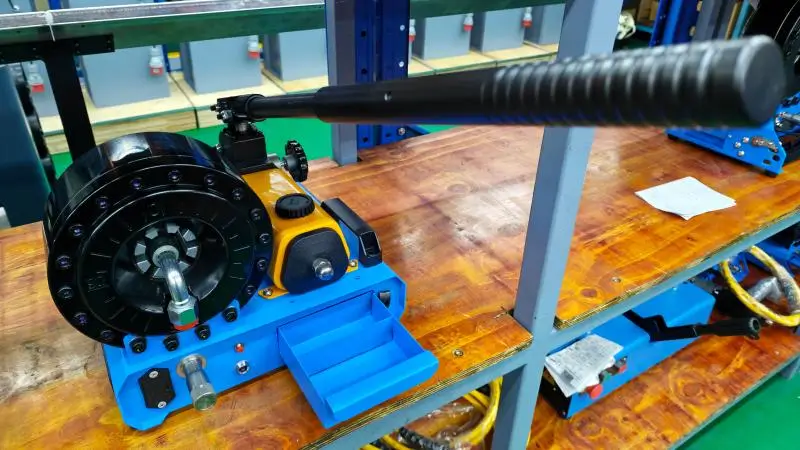
Use the nameplate to control the rest of the inspection
Copy the manufacturer, model, serial and electrical fields exactly. Compare them with the seller’s listing, manual and repair records. If the identity differs, stop using capacity claims from the listing until the actual model is resolved.
Then photograph the head from the loading side and both profiles. This helps the buyer judge access for elbows and long fittings. A machine can have enough force yet be wrong for the intended work because the fitting cannot be loaded through the opening.
Examine every die set outside the cabinet
Lay each set out, keep segments together and capture the markings. Mixed segments, chipped edges, corrosion or improvised grinding move the set to quarantine.
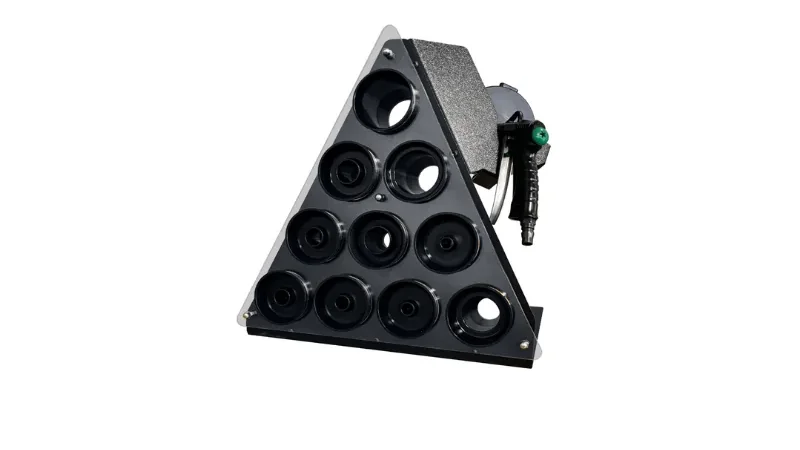
The finished crimp diameter and the number on the die are not interchangeable. Gates’ crimp-data and dies manual shows why operators need current component data, specified tooling and a completed measurement. Gates settings stay within the Gates system; the process principle is what matters here.
Use a real sample to separate force from control
Choose a component row that matters to the buyer, not the easiest loose ferrule in the seller’s shop. Record insertion, die, setting, completed diameter and observation after the crimp.
Measure in the locations required by the component system. A press that closes with no load may still return unevenly, drift under warm repeat work or carry damaged tooling.
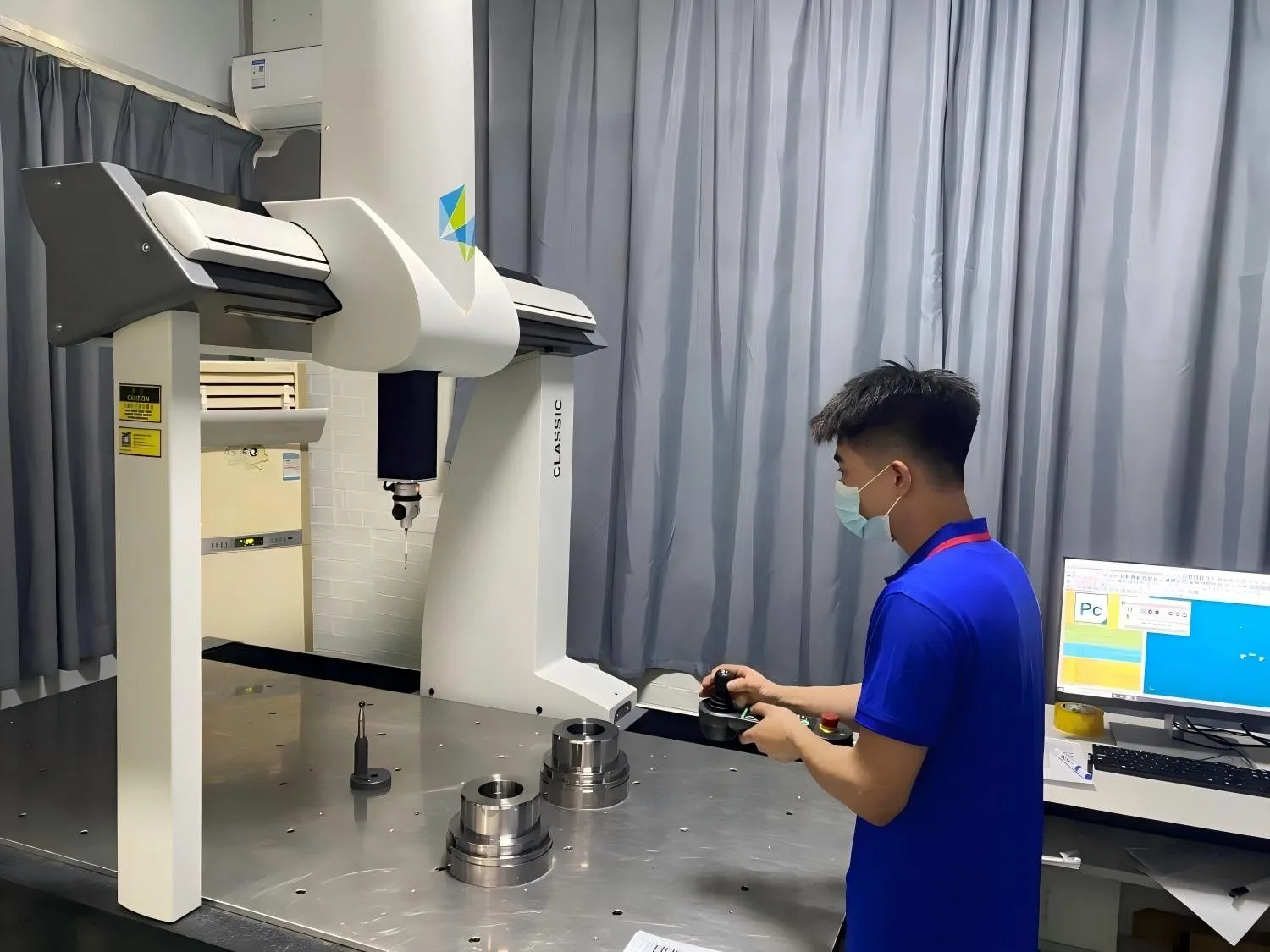
Run several controlled pieces, but do not invent a universal number. The test quantity should be enough to expose repeatability for the intended workload and the buyer’s risk.
Price a realistic recovery case
Imagine an auction machine that has a clear nameplate and cycles normally. The die cabinet is mixed, two hoses show surface cracking and no service invoice exists.
The buyer should not price this as a working complete station. The offer needs separate allowances for hydraulic inspection, replacement hoses, tooling identification, missing dies, transport and commissioning. If the seller refuses a representative sample, add that uncertainty to the decision instead of assuming success.
| Finding | Immediate action | Purchase effect |
|---|---|---|
| Clear identity | Continue inspection | Supports parts and manual search |
| Mixed dies | Quarantine and inventory | Reduces usable package value |
| Aged hydraulic hoses | Obtain repair scope | Adds cost before production |
| No service record | Inspect condition directly | Prevents reliance on seller history |
| No loaded sample | Hold approval | Leaves process capability unresolved |
This is an illustrative inspection scenario. It does not estimate a repair price or predict the machine’s final condition.
If the seller allows only a short inspection window, prepare the component, measuring tool and photo list before arrival. Assign one person to operate and another to record. Switching between tools, notes and the machine makes it easy to miss a leak that appears only during the loaded hold or return.
For a remote inspection, request the raw measurement photograph and the exact reference used. A caliper display without the crimp location, component identity and die information cannot release the sample. Keep uncertainty open rather than converting a single image into a pass.
Put the operating boundary on the asset
After commissioning, attach a controlled list of approved component rows and dies to the machine record. Unknown dies and untested components stay outside production.
That boundary is especially important when a restored machine enters a busy hose shop. Operators otherwise assume that every die in the cabinet belongs to every fitting program. A clear release list is faster than investigating a failed assembly after it leaves the shop.
Keep the seller’s original manual and records even when a newer copy is found. Differences in controls, pumps or optional tooling may explain why a generic manual does not match the machine on the floor. Mark the operating document that technicians should use, and retain the others as history.
If parts support remains uncertain, identify at least one likely failure that would stop production and ask how it would be repaired. The answer can change whether the machine is a useful backup, a refurbishment project or unsuitable for a critical workshop.
Preguntas frecuentes
I bought a hydraulic hose crimper at auction. Where do I start?
Start with identity, not with making a saleable hose. Record the model, nameplate, serial number, power supply, dies and manuals; inspect the hydraulic and electrical condition; then test the controls without a production part. Only after you have current component data and a known die route should you build and measure a controlled first piece.
I restored an old hose press. How do I know which dies and preparation process it needs?
Separate the press from the hose system. The hose, fitting and ferrule instructions determine whether skiving is required and what finished crimp data applies; the identified machine documentation determines the compatible dies and settings. If either side is missing, stop at an engineering trial rather than treating the restored press as production-ready.
Compare the used machine with a ready-to-work alternative
Use la ruta de used-machine buying resource y submit the inspection record before treating the asking price as the total cost.