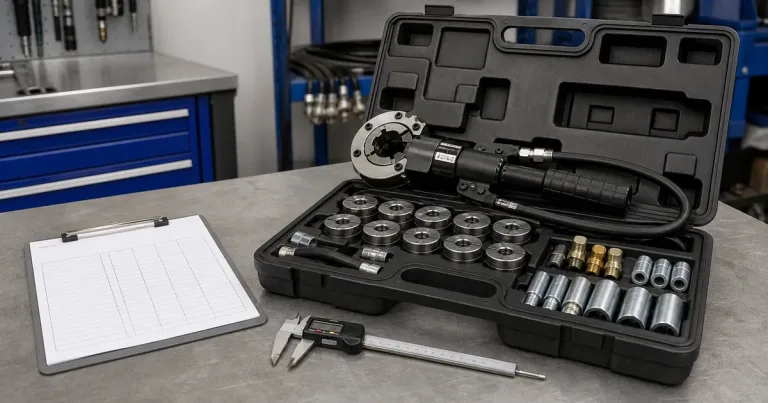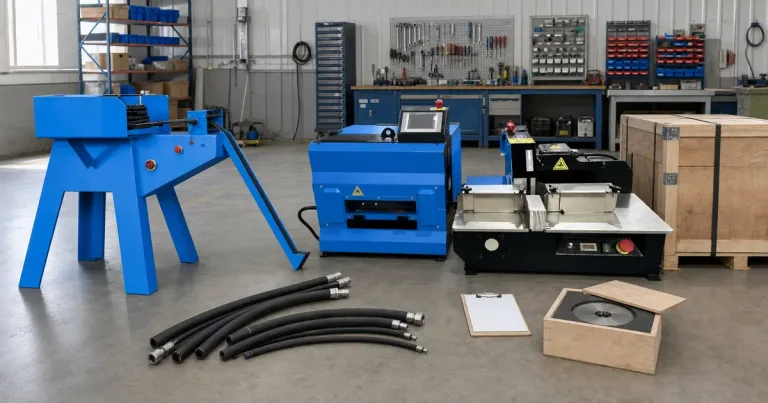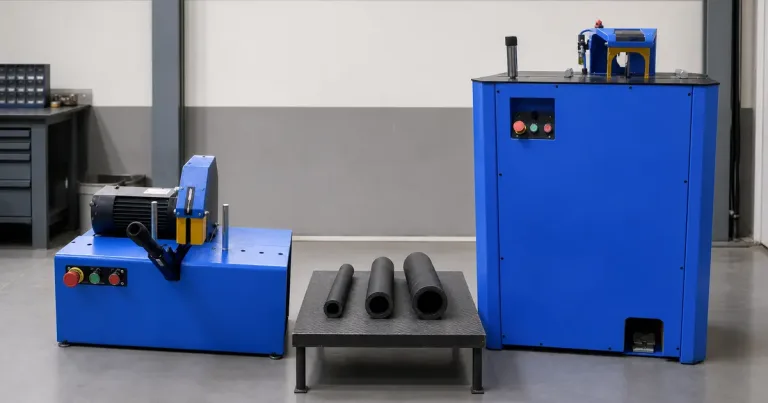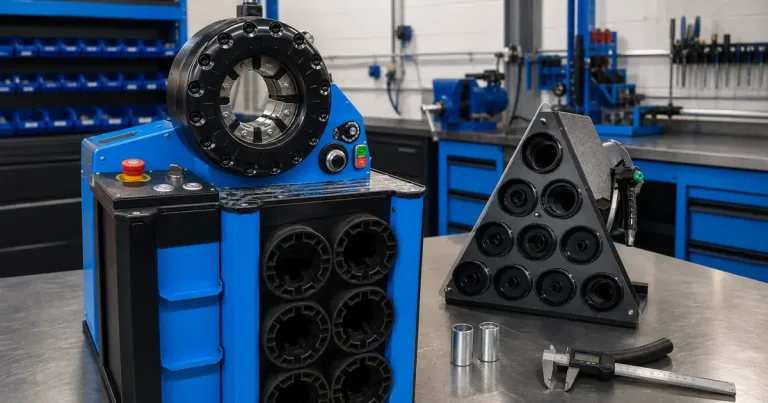

افحص ماكينة كبس الخراطيم الهيدروليكية المستعملة في ورشة أخرى كآلة أولاً. تأكد من هويتها وحالتها وقدرتها على عمل عينة مضبوطة قبل مناقشة ما إذا كان السعر جذاباً.
تغطي هذه الصفحة الفحص المادي والوظيفي. هوية البائع وسجل الخدمة ونطاق الإدراج تحتاج إلى فحوصات وثائقية منفصلة قبل الموافقة على الشراء.
دورة بدون حمل ليست اختبار قبول
الآلة المستعملة تعمل وتغلق بدون حمل، لكن البائع لا يستطيع عرضها على مجموعة مكونات المشتري. الفحص الهادف يشمل الهوية والقوالب والحالة الهيدروليكية وعناصر التحكم وعينة مقاسة.
تأكد من هوية الآلة
صور لوحة البيانات والموديل والمعلومات التسلسلية ولوحة التحكم وبيانات الطاقة. طابقها مع دليل أو سجل الشركة المصنعة. آلة كبس خراطيم مستعملة غير محددة الهوية يصعب صيانتها وتقييمها.
افحص رأس الكبس والعدد
ابحث عن التلف والتآكل غير المتساوي والتآكل والأجزاء المفكوكة والتلوث في الأسطح المنزلقة. حدد كل قالب مزود. القوالب غير المعلمة لا ينبغي اعتبارها عدد إنتاج قابلة للاستخدام حتى يتم قياسها والتحقق منها.
افحص النظام الهيدروليكي
ابحث عن تسرب الزيت حول الأسطوانات والخراطيم والوصلات والمضخة والصمامات. استمع للضوضاء غير الطبيعية من موقع آمن. لا تستخدم اليد أبداً لتحديد مكان تسرب ثقب صغير مشتبه به؛ تقرير حوادث OSHA يسجل عاملاً دخل المستشفى بسبب حقنة من خرطوم هيدروليكي مثقوب.
شغل وظائف الفتح والإغلاق والعودة وفقاً للدليل. الدورة الفارغة السلسة مفيدة لكنها لا تثبت الأداء تحت الحمل.
راجع عناصر التحكم
اختبر وظائف الضبط والإيقاف والعودة. لعناصر التحكم الإلكترونية، افحص الشاشة والإدخال والإعدادات المخزنة ووظائف الطوارئ. تأكد من توافق طاقة الوجهة.
قم بتشغيل عينة موثقة
استخدم مكونات خرطوم ووصلة محددة مع بيانات هدف صالحة. سجل القالب والإعداد، اصنع قطعة أولى وقسها في الموضع المحدد.
آلة كبس خراطيم هيدروليكية مستعملة تغلق بنجاح قد تزال بحاجة إلى معايرة أو أختام أو قوالب أو عمل على وحدة التحكم.
افحص الآلة في ثلاث مراحل
ابدأ باردة. صور لوحة البيانات ومستوى الزيت ومقعد القالب والبيانات الكهربائية والحراس وعناصر التحكم والتعديلات المرئية قبل أن يقوم أي شخص بتسخين الآلة أو مسح تسرب. طبقة طلاء جديدة ليست دليلاً على الحالة.
شغل الرأس فارغاً فقط بعد الفحص البصري. استمع خلال الإغلاق والتثبيت والعودة، ثم كرر تحت حمل كبس تمثيلي. يجب أن تثبت الآلة وتعود باستمرار مع مجموعة العدد والمكونات الفعلية التي تخطط لاستخدامها.
| المرحلة | ما نفحصه | سبب التوقف |
|---|---|---|
| الفحص البارد | الهوية والتسربات والأسلاك ومقعد العدد والتعديلات | هوية مفقودة أو تغييرات غير آمنة أو تسرب نشط |
| دورة بدون حمل | الإغلاق والتثبيت والعودة وعناصر التحكم والصوت غير الطبيعي | حركة متقطعة أو فشل في التوقف أو عودة غير مستقرة |
| كبس عينة | القالب الصحيح وهوية المكون والقياس النهائي | بيانات غير معروفة أو عدد تالفة أو نتيجة غير متسقة |
الفيديو يساعد المشتري عن بعد، لكن يجب أن يظهر هوية الآلة وتسلسل غير مقطوع. لقطة مقربة لرأس يتحرك بدون حمل تثبت القليل جداً.
افحص مقعد القالب والعدد كنظام واحد
نظف مقعد القالب قبل الحكم على التآكل. ابحث عن تلامس غير متساوٍ أو علامات صدم أو تآكل أو رقائق مرتجلة أو عدد لا تستقر بشكل متساوٍ. سجل كل علامة قالب وصور أسطح العمل.
“القطع المضمنة” ليست مثل “القطع القابلة للاستخدام لبرنامج الخراطيم الخاص بك.” قم بمطابقة كل قطعة مع بيانات المكونات الحالية ونظام الأدوات المخصص للماكينة. إذا لم يتمكن البائع من تحديد قطعة، ضعها في مجموعة غير معتمدة حتى يتم تحديد وظيفتها.
قم بتشغيل عينة تمثيلية، ثم كررها وهي دافئة
استخدم خرطومًا ووصلة وجلبة معروفة مع بيانات تجعيد حديثة. حدد عمق الإدخال، واستخدم القالب المحدد وسجل القياس المكتمل. كرر دورات كافية لمعرفة ما إذا كان الإرجاع أو الصوت أو درجة الحرارة أو النتيجة النهائية تتغير.
قاعدة الماكينة المستعملة: لا تستخدم خرطومًا ووصلة غير معروفين فقط لإثبات أن الرأس يمكنه ضغط المعدن. يجب أن تجيب العينة عما إذا كانت هذه الماكينة يمكنها التحكم في تجميع حقيقي.
احتفظ بأول عينة مقبولة وسجل القياس مع ملف الفحص. إذا تم تجديد الماكينة، كرر نفس الاختبار بعد الإصلاح حتى تتمكن من المقارنة بين المتماثلات.
قم بتسعير مسار الإصلاح قبل تقديم العرض
قم بإدراج بنود الإصلاح المدعومة بالأدلة بشكل منفصل: الأختام، الخراطيم، خدمة الزيت، الإصلاح الكهربائي، الواقيات المفقودة، الأدوات، معدات القياس، قيود الشحن والتشغيل. لا تدفن كل عدم اليقين في نسبة مئوية واحدة.
تكلفة الجاهزية للتشغيل = الشراء + الإصلاحات الموثقة + الأدوات المفقودة + النقل + التركيب + القبول
يمكن أن تكلف الماكينة ذات سعر الشراء الأقل أكثر من البديل المدعوم إذا ظلت الهوية أو الأدوات أو عناصر التحكم دون حل.
| مستوى المخاطرة | الدليل | الاستجابة التجارية |
|---|---|---|
| منخفض | هوية واضحة، تاريخ، قائمة أدوات وعينة مقبولة | التفاوض بشكل أساسي على القيمة السوقية والشحن |
| متوسطة | الماكينة تعمل ولكن تبقى فجوات في الخدمة أو الأدوات | Price each gap and make the offer conditional |
| عالية | Identity uncertain, unsafe modification or no valid sample | Walk away or treat as a rebuild project |
Release the refurbished machine in stages
After repair, verify guards, controls, loaded operation and the agreed sample. Release the machine first for the identified component rows used in acceptance, not for every size the seller mentioned.
Keep early production conservative. Review completed measurements and defects until the process is stable. The release record should state the approved machine, dies, component program and operator method.
We recommend archiving the pre-purchase photographs, repair work order, replacement parts and post-repair sample together. That baseline makes the next fault easier to diagnose and prevents the old listing from becoming the machine’s only history.
Know when refurbishment is finished
Refurbishment is finished when the machine has a known identity, safe controls, serviceable hydraulic condition, usable documented tooling and repeatable sample evidence for the intended work. New paint and a no-load cycle do not meet that standard.
If several of those items remain unknown, compare the recovery budget with a ready-to-work machine. The decision is not “old versus new.” It is an unsupported project versus a controlled production asset.
A used-machine inspection should end with a release decision
The inspector should not finish with a collection of photographs and “appears operational.” Write one of three decisions: release for the named component rows, release after listed repairs, or do not purchase.
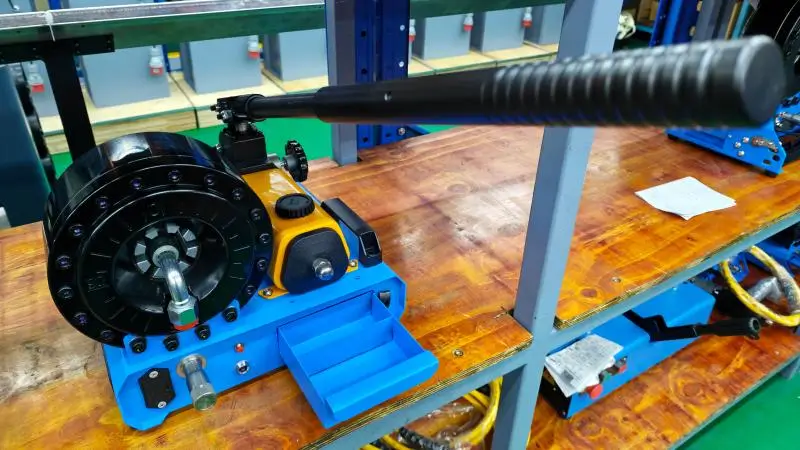
Use the nameplate to control the rest of the inspection
Copy the manufacturer, model, serial and electrical fields exactly. Compare them with the seller’s listing, manual and repair records. If the identity differs, stop using capacity claims from the listing until the actual model is resolved.
Then photograph the head from the loading side and both profiles. This helps the buyer judge access for elbows and long fittings. A machine can have enough force yet be wrong for the intended work because the fitting cannot be loaded through the opening.
Examine every die set outside the cabinet
Lay each set out, keep segments together and capture the markings. Mixed segments, chipped edges, corrosion or improvised grinding move the set to quarantine.
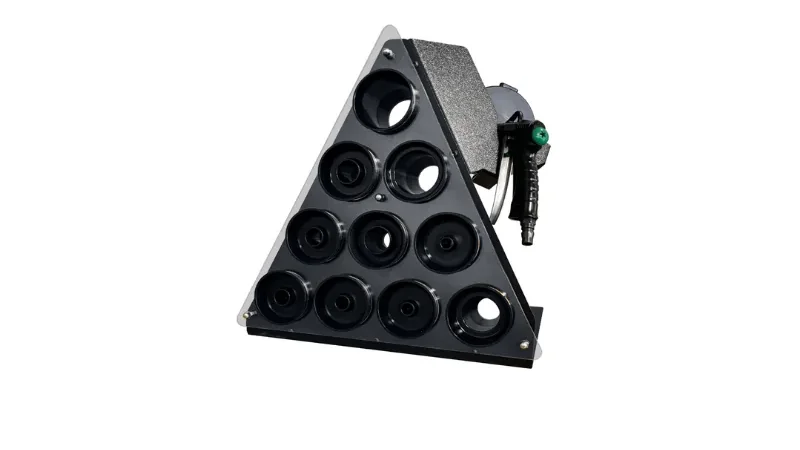
The finished crimp diameter and the number on the die are not interchangeable. Gates’ crimp-data and dies manual shows why operators need current component data, specified tooling and a completed measurement. Gates settings stay within the Gates system; the process principle is what matters here.
Use a real sample to separate force from control
Choose a component row that matters to the buyer, not the easiest loose ferrule in the seller’s shop. Record insertion, die, setting, completed diameter and observation after the crimp.
Measure in the locations required by the component system. A press that closes with no load may still return unevenly, drift under warm repeat work or carry damaged tooling.
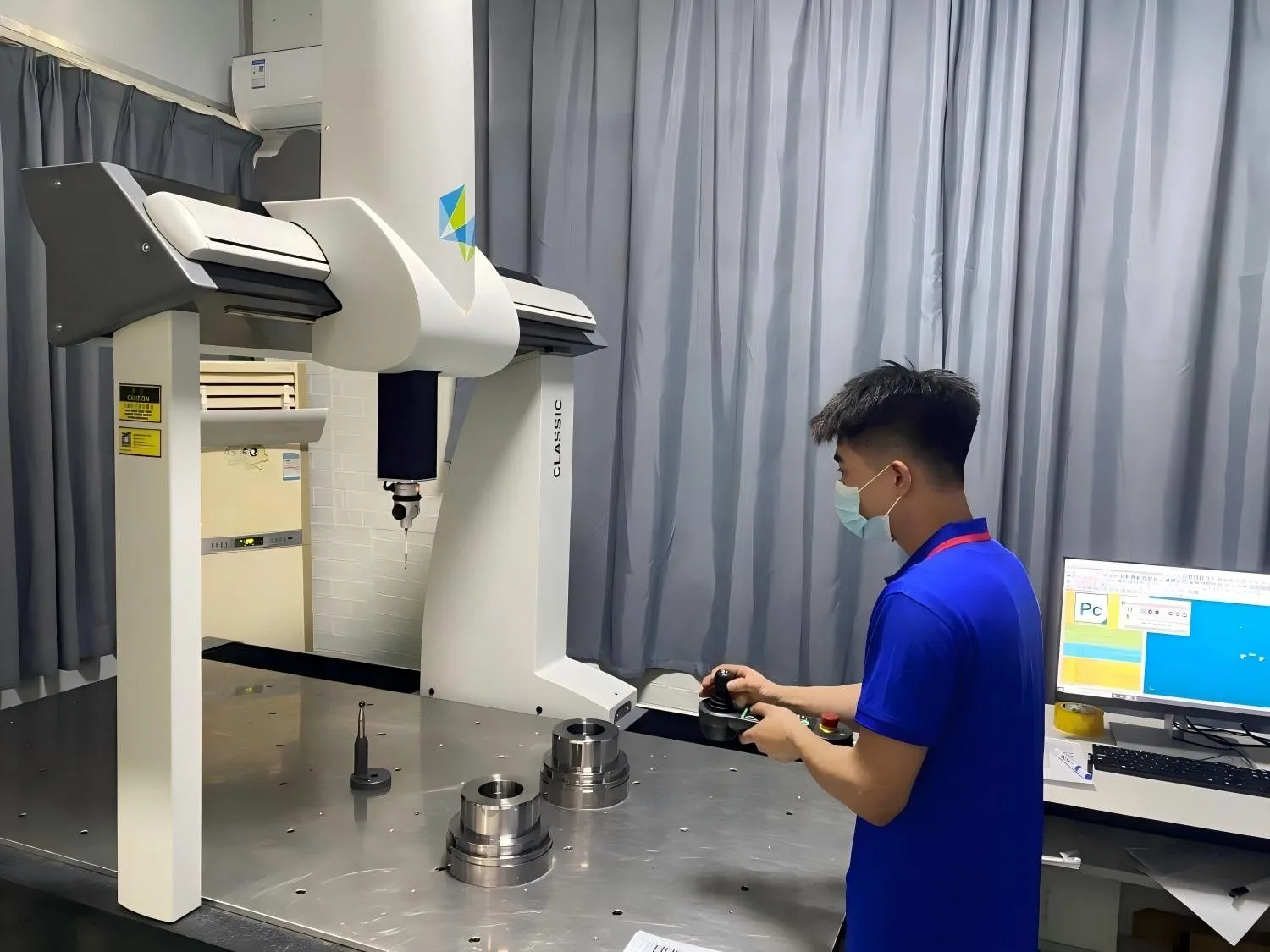
Run several controlled pieces, but do not invent a universal number. The test quantity should be enough to expose repeatability for the intended workload and the buyer’s risk.
Price a realistic recovery case
Imagine an auction machine that has a clear nameplate and cycles normally. The die cabinet is mixed, two hoses show surface cracking and no service invoice exists.
The buyer should not price this as a working complete station. The offer needs separate allowances for hydraulic inspection, replacement hoses, tooling identification, missing dies, transport and commissioning. If the seller refuses a representative sample, add that uncertainty to the decision instead of assuming success.
| Finding | Immediate action | Purchase effect |
|---|---|---|
| Clear identity | Continue inspection | Supports parts and manual search |
| Mixed dies | Quarantine and inventory | Reduces usable package value |
| Aged hydraulic hoses | Obtain repair scope | Adds cost before production |
| No service record | Inspect condition directly | Prevents reliance on seller history |
| No loaded sample | Hold approval | Leaves process capability unresolved |
This is an illustrative inspection scenario. It does not estimate a repair price or predict the machine’s final condition.
If the seller allows only a short inspection window, prepare the component, measuring tool and photo list before arrival. Assign one person to operate and another to record. Switching between tools, notes and the machine makes it easy to miss a leak that appears only during the loaded hold or return.
For a remote inspection, request the raw measurement photograph and the exact reference used. A caliper display without the crimp location, component identity and die information cannot release the sample. Keep uncertainty open rather than converting a single image into a pass.
Put the operating boundary on the asset
After commissioning, attach a controlled list of approved component rows and dies to the machine record. Unknown dies and untested components stay outside production.
That boundary is especially important when a restored machine enters a busy hose shop. Operators otherwise assume that every die in the cabinet belongs to every fitting program. A clear release list is faster than investigating a failed assembly after it leaves the shop.
Keep the seller’s original manual and records even when a newer copy is found. Differences in controls, pumps or optional tooling may explain why a generic manual does not match the machine on the floor. Mark the operating document that technicians should use, and retain the others as history.
If parts support remains uncertain, identify at least one likely failure that would stop production and ask how it would be repaired. The answer can change whether the machine is a useful backup, a refurbishment project or unsuitable for a critical workshop.
الأسئلة المتداولة
I bought a hydraulic hose crimper at auction. Where do I start?
Start with identity, not with making a saleable hose. Record the model, nameplate, serial number, power supply, dies and manuals; inspect the hydraulic and electrical condition; then test the controls without a production part. Only after you have current component data and a known die route should you build and measure a controlled first piece.
I restored an old hose press. How do I know which dies and preparation process it needs?
Separate the press from the hose system. The hose, fitting and ferrule instructions determine whether skiving is required and what finished crimp data applies; the identified machine documentation determines the compatible dies and settings. If either side is missing, stop at an engineering trial rather than treating the restored press as production-ready.
Compare the used machine with a ready-to-work alternative
استخدم طريق used-machine buying resource و submit the inspection record before treating the asking price as the total cost.