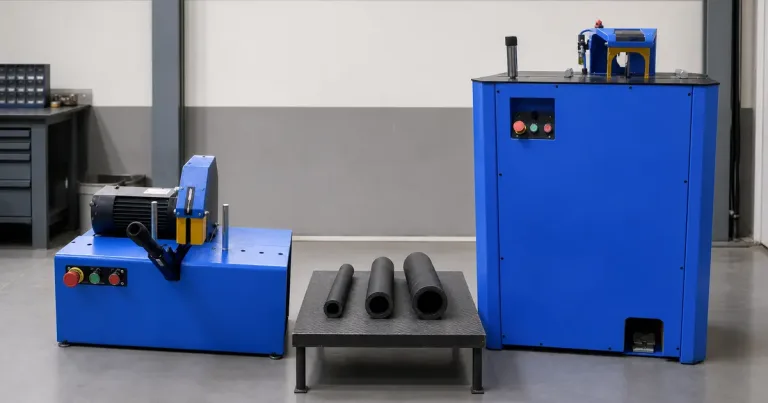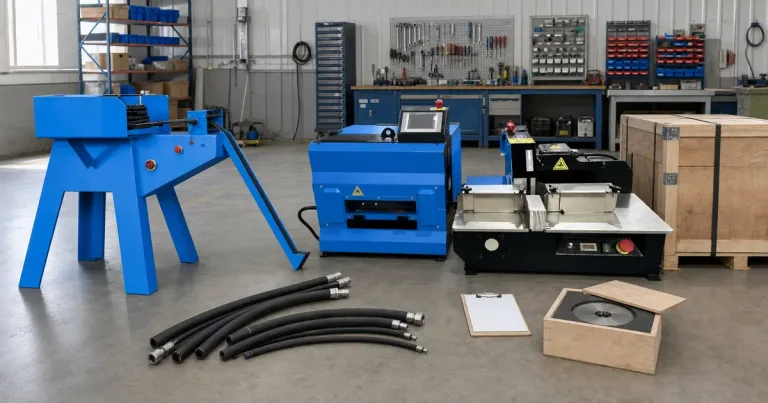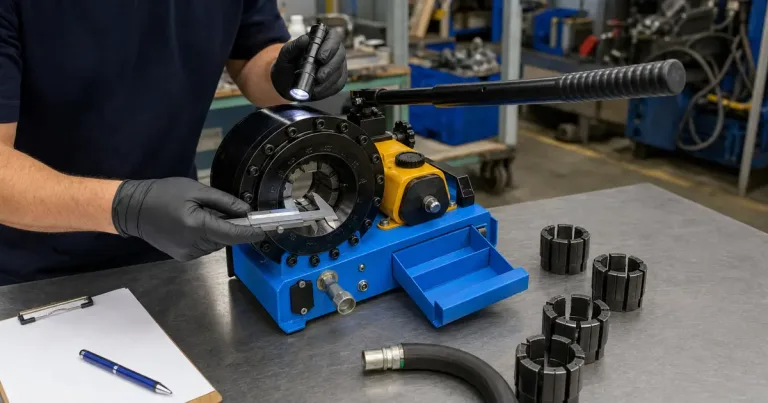

Una engarzadora de mangueras usada por un propietario anterior debe compararse por su alcance listo para trabajar, no por la descripción principal del vendedor. “Completo” y “funcionando” no son suficientes.
Este artículo se centra en la calidad y configuración del listado. La inspección física sigue siendo una tarea de aceptación separada.
Dos listados similares pueden conllevar un riesgo diferente
Dos listados de máquinas usadas muestran fotos similares. Uno incluye identidad de serie, inventario de utillaje y registros de servicio; el otro solo indica una familia de modelo. El segundo no puede valorarse como un paquete listo para trabajar hasta que se calculen esas carencias.
Información que un listado útil debe proporcionar
- modelo exacto y placa de identificación legible;
- evidencia del año o antigüedad cuando esté disponible;
- ubicación actual y especificación de potencia;
- fotos de todos los lados y del cabezal de engarce;
- identificaciones de los dados;
- bomba, soporte y accesorios de control;
- fallos y reparaciones conocidos;
- manual de operación;
- alcance del embalaje y carga.
Una engarzadora de mangueras usada en venta sin esta información necesita una mayor provisión para inspección.
Valore el utillaje por separado
Cuente solo los dados que puedan identificarse y asignarse a los componentes previstos. Una caja de dados sin marcar puede tener valor como chatarra o para retrabajo, pero no debe valorarse como un juego de producción verificado.
También verifique adaptadores, dados maestros, calibres y herramientas especiales.
Las afirmaciones del vendedor necesitan evidencia
“Recientemente calibrado” debe venir con un registro que identifique la máquina y el método. “Bajo uso” necesita evidencia operativa o de mantenimiento. Un acabado de pintura limpio no muestra el estado del cilindro o del asiento del dado.
Convierta el lenguaje del listado en solicitudes de evidencia
Lea “funcionando”, “completo” y “recientemente revisado” como preguntas, no como hechos. Pregunte qué trabajo se completó, quién lo hizo y qué registro existe.
| Frase del vendedor | Evidencia a solicitar | Lo que permanece desconocido |
|---|---|---|
| Funcionando | Video de arranque en frío más muestra representativa | Precisión, repetibilidad y cobertura de componentes |
| Completo | Lista detallada de dados y accesorios | Si el utillaje coincide con su programa |
| Recientemente revisado | Factura, piezas y alcance del servicio | Trabajo no incluido en el servicio |
| Listo para enviar | Plan de embalaje, método de carga y dimensiones | Protección para el transporte y configuración en destino |
| Calibrado | Método, referencia y fecha | Si el resultado se aplica a sus piezas |
Un vendedor que responde con claridad le da algo que valorar. Un vendedor que repite el adjetivo deja el riesgo con el comprador.
Solicite un conjunto de fotos estándar
Pida la placa de identificación, la máquina completa, el cabezal de engarce, el asiento del dado, los controles, los datos de potencia, las áreas hidráulicas, todos los dados dispuestos con marcas y cada accesorio suelto. Incluya el lado de carga y la base para que el transporte pueda planificarse.
Conserve los archivos originales. Las imágenes recortadas del mercado pueden ocultar la fecha, la escala y el estado.
Compare la máquina básica con la estación de operación
Incluya en el modelo de costos los dados faltantes, herramientas de medición, soportes, protecciones, manuales y conversión de potencia. Luego añada carga, flete, descarga y puesta en marcha.
| Línea de costo | Listado A | Listado B | Evidence status |
|---|---|---|---|
| Máquina | Buyer input | Buyer input | Seller quote |
| Usable dies | Buyer input | Buyer input | Component map required |
| Repairs | Buyer input | Buyer input | Inspection or allowance |
| Freight and loading | Buyer input | Buyer input | Named route required |
| Puesta en marcha | Buyer input | Buyer input | Scope required |
| Ready-to-work total | Calculated | Calculated | Do not leave blanks as zero |
We recommend comparing three numbers: purchase price, delivered price and ready-to-work price. Only the third belongs beside the cost of a supported alternative.
Work through two similar listings
Suppose two presses share a size label. Listing A costs less but has no nameplate photo, an unidentified die cabinet and no loaded test. Listing B costs more, shows the serial, includes a die inventory and produces an identified sample.
The difference is not “cheap versus expensive.” Listing A contains unpriced identity, tooling and repair risk. You can still buy it, but only as a project with a reserve and a clear walk-away point.
Buyer note: Do not use a reserve to make an unknown machine feel affordable. Use it only for repair items that someone has identified and priced.
Make the offer conditional on the evidence
State the exact machine, serial or nameplate identity, included tooling, sample test, loading condition and collection date in the offer. If an item cannot be proven, either exclude it from value or make payment conditional on verification.
For a remote sale, keep the marketplace message, seller contact, videos and agreed list with the order. Move final promises into the sale document rather than relying on chat history.
Inspect receiving condition immediately
Photograph the package before unloading, then reconcile the machine and each loose item with the agreed list. Record transport damage while the carrier evidence is still available.
Commission against the same sample and condition used for purchase. If the result differs, the inspection record helps separate transport, installation and pre-existing problems.
The final valuation should use actual commissioning cost. That closes the gap between a good-looking listing and the machine that your shop can safely use.
Build a listing that a serious buyer can audit
A seller who wants a fair price should remove easy uncertainty. State the exact identity, current location, power, included dies, known faults, loading route and whether a representative sample is possible.
Separate description, evidence and opinion
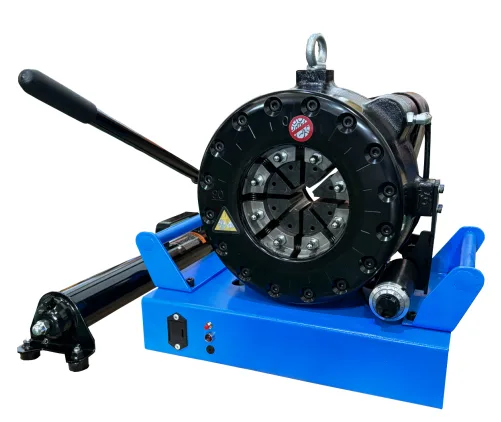
“P20HPZ, 137 ton, separate-pump manual hydraulic hose crimper” is a factual model description from the TRC product record. “Excellent machine” is an opinion. A used listing needs more of the first and less of the second.
For another brand, use that brand’s nameplate, manual and current records. Do not copy TRC parameters to a visually similar machine.
| Listing block | Useful content |
|---|---|
| Identity | Manufacturer, model, serial and nameplate photo |
| Configuración | Pump, voltage, controls, dies and accessories |
| Condición | Known faults, leaks, repairs and current operating context |
| Evidencia | Cold start, loaded sample and completed measurement |
| comercial | Price basis, location, loading and collection |
| Soporte | Manuals, parts route and service contacts available |
This structure lets the buyer decide whether to travel, request an inspection or decline.
Use capacity claims carefully
The machine’s recorded range does not prove that the included tooling covers the buyer’s components. List the machine capacity and die inventory separately.
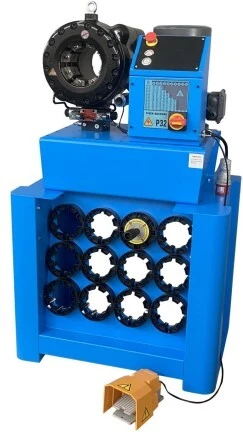
If the listing says “up to two inches,” specify the hose construction and source of that claim. P32’s TRC record states up to 2 inch 4SP and 200 ton or 2000 kN. Those values apply to P32, not every press that sellers describe as a 200-ton machine.
Compare listing A and listing B on buyer effort
Listing A contains six photographs, no nameplate and “many dies.” Listing B identifies the model, lays out ten marked die sets and shows a current sample with a measurement record.
Even when Listing A costs less, the buyer must spend time resolving identity, tooling and condition before making an offer. That effort has a commercial value, especially when travel and international freight are involved.
| Buyer task | Listado A | Listado B |
|---|---|---|
| Identify machine | Open | Closed |
| Map tooling | Open | Inventory available, compatibility still checked |
| Judge condition | No loaded evidence | Sample evidence available |
| Plan freight | Dimensions missing | Package route can be quoted |
| Make conditional offer | Many unresolved clauses | Fewer unresolved clauses |
The table does not prove Listing B is mechanically better. It shows that the buyer can price it with fewer assumptions.
Include the phrase buyers actually search
Many buyers search “used hose crimping machine for sale” and then land on pages that contain only an auction photograph and phone number. A useful listing should answer the technical questions before asking for a deposit.
Likewise, “used hose crimper for sale” should not imply the dies are included or usable. Put the included package in a table and photograph it.
Close the sale with the same inventory
The seller and buyer should sign or acknowledge the final inventory before pickup. Number loose crates or die boxes and photograph them after loading.
At receiving, the buyer repeats the count before commissioning. If an item is missing, both parties can work from the same list rather than debating what “complete” meant in the original advertisement.
This is also why deleting a listing immediately after payment can be a mistake. Save the original page, photographs and messages with the purchase record.
Choose the selling channel by evidence and buyer reach
An industrial equipment dealer can help when the seller needs inspection, loading and buyer qualification. An auction can reach more buyers quickly, but its inspection window and sale terms may shift more risk to the buyer. Direct outreach to hose shops or maintenance contractors can work when the machine has clear records and a local market.
General marketplaces are useful for exposure, yet the technical file should live outside a short advertisement. Give serious buyers a controlled PDF or page with the identity, inventory, faults and test evidence. Do not hide the important facts behind “message for details.”
| Channel | Useful when | Seller must still control |
|---|---|---|
| Industrial dealer | Support, loading or valuation help is needed | Accurate machine and tooling record |
| Equipment auction | Time and broad reach matter | Inspection limits and sale terms |
| Direct industry sale | Seller knows likely users | Evidence pack and payment controls |
| General marketplace | Local visibility is useful | Buyer qualification and safe communication |
The FAQ question about alternatives to Facebook Marketplace has no single global answer. The machine’s value, location, support status and buyer population should decide the channel.
Make the listing readable on a phone
Put the model, location, power, included tooling and known condition near the top. Use a full-machine photograph first, then nameplate, controls, head, dies and loaded sample.
Keep paragraphs short and tables simple. A buyer reading on a phone should be able to decide whether the machine fits the rough application before downloading the complete file.
Record what you refused to claim
If no current loaded test exists, say so. If the dies have not been mapped, call them unverified tooling. Honest boundaries reduce casual inquiries and help a technically qualified buyer price the work.
A good used listing does not need to sound confident about everything. It needs to make the known and unknown parts obvious.
Let the buyer reproduce the comparison
Provide photographs at full available resolution and keep the measurement method visible. If a video shows a sample crimp, identify the component, die and finished result in the same file set.
Do not stage accessories around the machine merely to make the package appear complete. Lay out only the items included in the sale and number each group. If another cabinet or pump is available separately, list it as a separate option.
The buyer should be able to take the listing evidence, add its own component schedule and calculate the missing work. That is the practical test of a professional listing.
de Parker preventive-maintenance guidance for a specified crimper family illustrates why oil, cleanliness, lubrication, wear and completed crimp results belong in a condition review. Its intervals and fluids remain Parker-specific.
Gates’ crimp data and dies manual shows the component-system evidence a buyer should expect before valuing loose dies. Gates dimensions must not be transferred to another machine or hose system.
State the collection boundary
Clarify whether the machine is disconnected, whether oil or batteries require special handling, who supplies lifting equipment and when the buyer assumes risk. Give measured loading access and package information when available.
A technically strong listing can still fail commercially when the buyer discovers that a crane, export crate or another collection day is required. Surface those conditions before accepting the offer.
Preguntas frecuentes
Where can I sell an unused Finn Power hose crimper besides Facebook Marketplace?
Use industrial machinery dealers, auction platforms, hydraulic-industry groups and regional hose-equipment distributors, but prepare the evidence pack before listing. Show the nameplate, model, power, dies, manuals, condition, location and a current operating test. A specific listing attracts qualified buyers and reduces repeated questions about what is actually included.
Send the listing, not just the price
Enviar TRC the listing, nameplate, tooling photos and intended hose system. The used-equipment resource provides a neutral comparison route.