
يمكن لقاطع الخراطيم المطاطية الأوتوماتيكي أن يقلل من القياس والتغذية المتكررين، لكن الأتمتة لا تلغي الحاجة إلى مطابقة الماكينة مع بنية الخرطوم وفحص القطع.
سؤال الشراء الأكثر فائدة هو: أي أجزاء من دورة القطع يتم التحكم فيها، وأيها لا يزال يعتمد على المشغل؟
تبدأ الأتمتة قبل الشفرة
يقوم خط الإنتاج بقياس وقطع أطوال متكررة طوال اليوم، لكن المشغل لا يزال يقوم بتسوية كل ملف وتنظيف كل جزء يدويًا. إن تسمية دورة الشفرة بالأوتوماتيكية يخفي عنق الزجاجة الحقيقي؛ يجب توقيت مسار المادة بالكامل وفحصه.
تعريف “أوتوماتيكي”
قد يتحكم قاطع الخراطيم الأوتوماتيكي في طول التغذية، أو عدد القطع، أو دورة الشفرة، أو مزيج من هذه. اطلب من المورد تحديد كل وظيفة من وظائف ماكينة قاطع الخراطيم. لا تستنتج التحكم في الطول بنظام CNC من حركة شفرة أوتوماتيكية وحدها.
تحقق من مسار المادة
يجب أن يحرك نظام التغذية الخرطوم دون تسطيحه أو انزلاقه أو إحداث خطأ في الطول. قد يقاوم الخرطوم الملفوف التغذية المستقيمة. قد يحتاج الخرطوم الكبير أو الصلب إلى دعم خارجي.
مراجعة:
- القطر الخارجي للخرطوم والتسليح؛;
- الحد الأدنى والأقصى لطول القطع؛;
- حجم الدفعة؛;
- التعامل مع الملفات؛;
- طريقة التغذية والتثبيت؛;
- نوع الشفرة؛;
- منطقة التفريغ والتجميع.
قياس إنتاج الدورة الكاملة
وقت إغلاق الشفرة ليس معدل الإنتاج. تشمل الدورة الكاملة التحميل، والتسوية، والتغذية، والقطع، وتنظيف الجزء، واستعادة الشفرة، والتنظيف والفحص.
للحصول على تجربة واقعية، قم بتشغيل الخرطوم والطول المقصودين عبر دفعة تمثيلية. سجل القطع المرفوضة وتدخلات المشغل بالإضافة إلى القطع الناجحة.
تبقى جودة القطع هي بوابة القبول
لا ينبغي الموافقة على الأتمتة إذا أنتجت نهايات مائلة، أو تجويفًا مسحوقًا، أو حرارة زائدة، أو تسليحًا مرتخيًا. تحدد عملية التركيب والتجميع اللاحقة حالة القطع القابلة للاستخدام.
بعد القطع، طبق عملية التحكم في التلوث المحددة. الماكينة الأوتوماتيكية ليست تلقائيًا عملية خرطوم نظيف.
حدد عمليات التسليم حول الأتمتة
قد يقوم قاطع الخراطيم المطاطية الأوتوماتيكي بقياس وتغذية المادة، لكن قد يظل المشغل يقوم بتحميل الملفات، وتصحيح الانحناء، وإزالة القطع المقطوعة، وفحص النهايات والتعامل مع الأعطال. اكتب كل عملية تسليم. تكون الأتمتة ذات قيمة عندما تزيل عنق زجاجة متكرر؛ وتكون مخيبة للآمال عندما ينتقل عنق الزجاجة ببساطة إلى التحميل أو الفحص.
للتجربة، سجل الطول المبرمج وطول القطع المقاس عبر الدفعة. لاحظ التوقفات والتصحيحات والنهايات المرفوضة. النتيجة هي رقم إنتاج قابل للاستخدام، وليس رقم دورة شفرة ترويجي.
تشغيل عائلة منتج واحدة في كل مرة
قم بتحميل الخرطوم الأول، وتحقق من مسار التغذية واصنع دفعة قصيرة. تحقق من الطول الفعلي وحالة القطع قبل تخزين البرنامج. سجل مرجع المادة مع اسم البرنامج؛ رقم مثل “25 مم” غامض إذا كانت هناك عدة تركيبات خراطيم تستخدم نفس الحجم الاسمي.
كرر الفحص بعد تغيير الملف، أو تغيير الشفرة، أو تعديل تغذية كبير. إذا كانت الماكينة تتضمن عد الدفعات، قم بمطابقة العداد مع القطع المقبولة بدلاً من افتراض أن كل دورة صنعت جزءًا قابلاً للاستخدام.
قرر أين يقع الفحص
يمكن للمشغل فحص كل قطع، أو أخذ عينة بتردد محدد، أو استخدام خطة معتمدة أخرى. يعتمد الاختيار على مخاطر التطبيق واستقرار العملية. المهم هو أن يكون الفحص مخططًا له، وليس محذوفًا لأن التغذية أوتوماتيكية.
استخدم C300D كمثال على مستوى التحكم
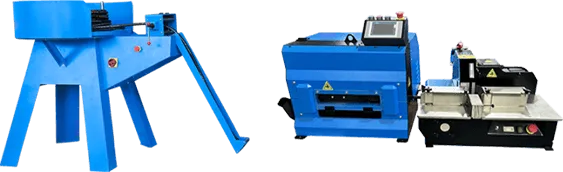
تسجل TRC طراز C300D للخراطيم حتى 1 بوصة 2SH. يتميز بوظائف قطع أوتوماتيكية ويدوية، وشفرة 300 × 4 × 32 مم، ومحرك ثلاثي الطور 4.0 كيلوواط أو أحادي الطور 2.2 كيلوواط، ودقة حجم متكرر مسجلة تبلغ ±0.2 مم.
تنتمي قيمة ±0.2 مم هذه فقط إلى C300D. يجب التحقق منها مع خرطوم المشتري وحالة الملف وإعداد التغذية وطريقة طول القطع.
| مجموعة C300D | الحجم المسجل |
|---|---|
| ملفاف الخرطوم | 900 × 1,350 × 1,200 مم |
| عداد الخراطيم | 700 × 530 × 640 مم |
| قضيب القاطع | 650 × 600 × 450 مم |
يشغل الخط مساحة أكبر من حاوية القاطع. ارسم ملفاف الخرطوم والعداد والقاطع وموقع المشغل ومنطقة الأجزاء النهائية على مخطط الأرضية قبل الطلب.
راجع مسار منتج C300D بعد التأكد من أن نطاق 1 بوصة 2SH الخاص به يتطابق مع الدفعة.
افصل القطع الأوتوماتيكي عن الإنتاج الأوتوماتيكي
دورة الشفرة الأوتوماتيكية لا تقوم بفرد الملف أو تحديد الخرطوم أو إزالة القطع المرفوضة أو فحص الطرف. اكتب من يملك كل عملية تسليم.
| المرحلة | يمكن للآلة المساعدة | لا يزال المشغل أو الخط يتحكم |
|---|---|---|
| سحب الملف | Coiler supports material supply | Correct coil and tension |
| Length feed | Counter and programmed route | First-off length verification |
| قطع | Automatic or manual function | Blade condition and safe setup |
| Part removal | Depends on layout | Segregation and handling |
| End acceptance | No automatic claim in product record | Squareness, bore and debris inspection |
تحذير: Do not call a line unattended unless the manufacturer documents every loading, guarding, sensing and discharge function. “Automatic” is not a safety category.
Calculate accepted output after rejects and changeovers
استخدم:
accepted pieces per hour = (total pieces − rejected pieces) ÷ elapsed hours
Then calculate first-pass yield = accepted pieces ÷ total pieces × 100.
If an illustrative trial cuts 100 pieces in two hours and five require rejection or rework, accepted output is 47.5 pieces per hour and first-pass yield is 95%. These figures only demonstrate the calculation; they are not TRC field results.
Time a size change separately. A fast repeated batch can coexist with a slow changeover, especially when coils, length programs and downstream labels all change.
Commission one hose family at a time
Start with a stable hose reference and a length that represents normal production. Verify the first piece, middle piece and last piece for length and cut quality.
Add a second length only after the first program is stable. Add another hose construction last. This order helps the team separate feed, blade and material effects.
Create a program record another shift can restore
The program name should identify hose family and cut length without relying on one operator’s memory. Record the hose reference, coil setup, feed path, length target, blade and first-off result.
| Program field | Example format | السبب |
|---|---|---|
| Program ID | Shop-defined code | Prevents duplicate names |
| الخرطوم | Manufacturer and series | Separates similar black hose |
| Cut length | Drawing reference and unit | Avoids unit or revision error |
| Coil setup | Payout and tension note | Controls feed behavior |
| First-off | Measured result and disposition | Releases production |
| Revision | Date and approver | Removes obsolete settings |
Do not save a corrected length under the old drawing revision. The next shift may restore the wrong setup and produce a full batch before inspection.
Control starts and restarts
Make a first-off check after loading a new coil, changing the program, changing the blade or restarting after a fault. Check again after a long interruption if the site’s process requires it.
A machine that resumes automatically can still start with a different material condition. Coil tension may have changed, the first feed may include a bent end or an operator may have moved the stock.
Keep rejected pieces traceable
Place rejected lengths in a marked container and record the cause. Do not return a short or damaged piece to the good stack because the next station may not see the defect until fitting insertion.
Track:
- wrong length;
- angled or damaged face;
- feed slip;
- blade defect;
- wrong hose;
- interrupted cycle.
The distribution tells the team whether to improve programming, material handling, blade maintenance or identification.
Calculate changeover loss
استخدم:
changeover loss = scheduled production time − accepted production time
Break the loss into coil removal, material identification, program selection, trial pieces, inspection and cleanup. If searching for the correct program consumes more time than changing the coil, fix program control before buying more automation.
An illustrative changeover might take 18 minutes: six minutes for material, four for program review, five for first pieces and three for cleanup. This is an example calculation, not a C300D claim.
Plan labels with the cut batch
If downstream operators cannot identify the hose and length, automated cutting has created an anonymous pile. Generate or apply batch identification at discharge.
The label should survive normal handling and link to the hose reference, cut length, quantity and program. Keep it away from the fitting insertion zone.
Audit the claimed accuracy correctly
The C300D record states ±0.2 mm repeated-size accuracy. Verify the machine value with a stable method on the buyer’s material.
Record the measuring instrument, reference points, piece temperature if relevant, operator and sample count. Do not compare a cut-hose measurement with a finished-assembly tolerance.
If the results change across the batch, review coil feed, slip, stock tension and measurement before editing the program.
Decide when automation is the wrong answer
Manual feed may be stronger for short mixed jobs, frequent unusual materials or a shop where the operator must inspect every special cut. C300D is built around repeated-length control and a recorded 1-inch 2SH scope.
Do not buy automatic equipment solely because the normal hose is smaller. Buy it when repeated length, batch control and operator intervention are measured constraints.
Connect the production order to the program
The order should state hose, drawing revision, cut length, quantity and due date. The program record should reference that order.
At completion, reconcile programmed quantity, accepted pieces, rejects and remaining stock. Do not close the order because the controller reached its count.
Handle partial coils
Mark remaining hose with identity and usable length. Return it to controlled storage.
If the coil is too short for the next programmed piece, the line should stop or reject it by the documented method. Do not splice or improvise.
Review counter and feed condition
Length variation can come from slip, tension, dirty rollers, stock deformation or measurement. Inspect the complete feed path.
Do not change the program until the mechanical and material causes are checked.
Prepare maintenance access in the layout
The C300D coiler, counter and cutter bar need room for cleaning, blade service and feed inspection. Leave space around covers and controls.
Show the maintenance team the proposed layout before fixing machines and utilities.
Use a low-volume manual mode deliberately
C300D records both automatic and manual cutting functions. Manual mode can support setup, trials or special work under its instruction.
Do not let manual mode become an undocumented workaround for bad programs. Record the piece and inspection.
Review automation with operators
Ask where they intervene, why they stop and which alarms or conditions repeat. Compare this with recorded rejects.
The best improvement may be a better coil stand, program name or discharge rack rather than a control change.
Check the first piece against the production order
The operator should compare hose identity, length, drawing revision and program before release. A correct measured length from the wrong hose is still a reject.
Use a second-person check where process risk justifies it.
Reconcile controller count with physical quantity
Count accepted parts in labeled containers. Subtract rejects and setup pieces.
If the controller says 500 and the batch contains 497 accepted pieces, investigate before closing the order. Do not edit the paperwork to match the screen.
Measure downtime by cause
Separate coil change, program review, blade service, feed fault, inspection hold and material shortage. The total alone does not show what to fix.
Use the largest recurring cause for the next improvement. Automation cannot solve a missing coil or late drawing.
Review spare controller data
Record controller model, software or configuration information supplied with the machine. Ask how replacement and restore are handled.
Do not connect unauthorized devices or copy settings outside the supplier and site procedure.
Set a clear end-of-batch routine
Reconcile quantity, label remnants, clear rejects, return the program to its approved state and clean the cell safely.
The next operator should not find an unknown hose threaded through the feed system.
Keep production planning realistic
Schedule setup pieces, inspection and changeover. A plan based only on controller cycle count will overstate available hours.
When the line receives many small orders, group compatible batches only if identity and drawing controls remain clear. Do not combine work merely to keep the machine moving.
Review schedule performance with accepted output, not total cuts. That single choice keeps the planning number tied to saleable pieces.
Approve the first production week
Review every batch record from the first week: program, first-off, accepted quantity, rejects, remnants and operator intervention. Look for recurring correction.
Close program and layout issues before increasing volume. A quiet controller does not prove that labels, feed and physical output agree.
Compare scheduled quantity, controller count and accepted physical pieces. Review every mismatch by cause.
Keep the first-week programs under tighter approval until another trained operator can restore them, run a changeover and close a batch record correctly.
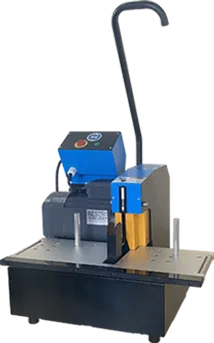
راجع C300A pneumatic-feed cutter when assisted feed, rather than programmed length, is the measured requirement.
OSHA 1910.212 provides general guarding context. ISO/TS 18409:2018 covers contamination sample collection; it does not approve automatic cutting or set a universal cleanliness class.
Calculate output from accepted pieces, not programmed cuts
Automatic feeding earns its place when repeated lengths dominate the schedule. It does not remove coil handling, straightening, size changes, cut inspection, cleaning or rejected pieces. We recommend a timed batch that begins with the actual supply form and ends with accepted, labeled pieces ready for the next process.
The C300D source record, for example, lists automatic and manual control, repeated-size tolerance of ±0.2 mm and a stated range up to 1 inch 2SH. Its 300 × 4 × 32 mm blade and motor options belong to that model record. Those facts help define a trial; they do not authorize the same result on every hose construction.
For an illustrative 100-piece order, suppose programmed feeding and cutting takes 18 minutes. Coil loading, first-piece confirmation, two changes, inspection and cleaning add 22 minutes, and five pieces are rejected. The useful rate is 95 accepted pieces in 40 minutes, not 100 programmed cuts in 18 minutes.
Record why an operator intervenes. Common categories include coil snag, length correction, cut-end defect, blade stop and discharge problem. A machine that needs frequent hand correction may be powered but not practically automatic for that job.
Production note: The first target is a stable accepted-piece rate across a representative batch. Only after that should you optimize blade cycle time. Fast cutting with unstable feeding simply creates defects sooner.
Keep rejected pieces by defect category during the trial. A pile marked “length,” “fray,” “bore” and “handling” tells the supplier where the automatic sequence loses control and prevents one average reject rate from hiding several causes.
الأسئلة المتداولة
When should a cutter blade be replaced?
Review the blade when force, heat, noise, tearing, length variation or rejected cuts increase. Follow the machine maker’s blade and maintenance instructions.
Send a batch, not one easy sample
For an automatic-hose-cutter review, أرسل إلى TRC the coil condition, hose structure, target lengths, tolerance requirement and batch pattern. Trial the normal range and the difficult edge case.